TL;DR

Get business pricing on tools and workshop supplies
- Business-only prices and quantity discounts
- Tax-exempt purchasing
- Multiple users, one account, clear invoices
In 2018, a collection of Soviet-era control rooms was documented, revealing their distinctive vintage design and technological features. This exploration offers insights into Cold War-era technology and Soviet engineering culture.
In 2018, a series of photographs and reports highlighted the distinctive vintage design of Soviet control rooms, revealing a glimpse into Cold War-era technology and architecture. These control rooms, used for military, space, and nuclear management, are now appreciated for their nostalgic and historical value, attracting interest from enthusiasts and historians alike.
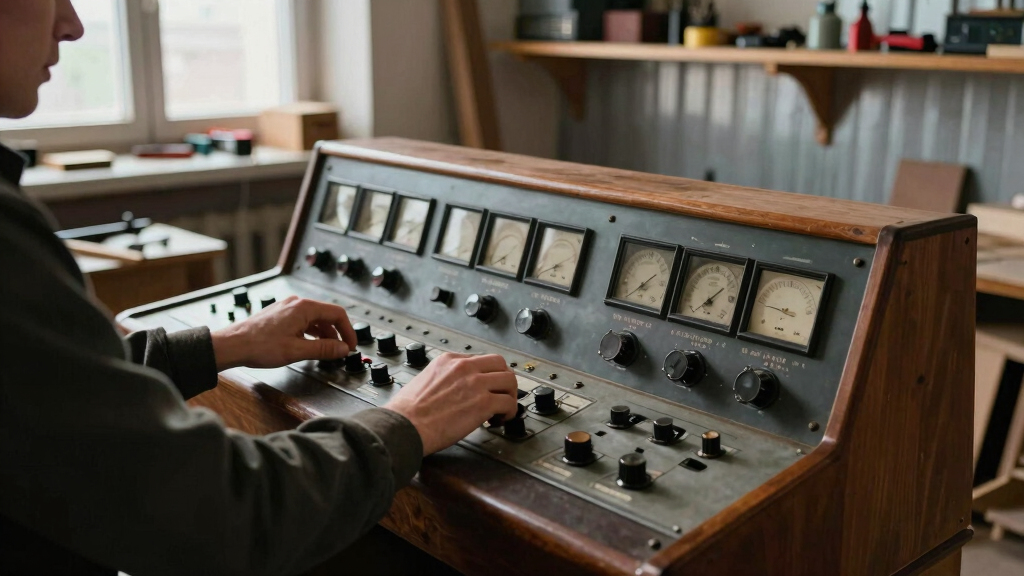
The control rooms documented in 2018 feature robust, utilitarian designs characterized by large analog instruments, blinking indicator lights, and an overall aesthetic that reflects Soviet engineering priorities of durability and functionality. These facilities were used across various sectors, including nuclear command centers, space program operations, and military command posts.
Many of these control rooms have been preserved or documented through photographs and videos, revealing a style that contrasts sharply with modern digital interfaces. The interiors often include rows of switches, dials, and analog meters, emphasizing manual control and monitoring systems. Experts note that these environments were designed to withstand harsh conditions and prolonged use, embodying Soviet technological resilience.
Cultural and Historical Impact of Soviet Control Room Design
The preserved control rooms serve as tangible artifacts of the Cold War era, illustrating the technological and ideological priorities of the Soviet Union. Their vintage aesthetic offers insight into a period when manual control systems were central to national security and space exploration efforts. For enthusiasts and historians, these control rooms symbolize a bygone era of engineering and geopolitical tension, fostering a deeper understanding of Soviet technological culture.
Soviet vintage control room replica model
As an affiliate, we earn on qualifying purchases.
As an affiliate, we earn on qualifying purchases.
Soviet Control Rooms as Symbols of Cold War Technology
During the Cold War, the Soviet Union developed extensive control room infrastructure to manage military, nuclear, and space programs. Many of these facilities were classified and highly secretive, but some have been declassified or documented in recent years. The 2018 photographic projects brought renewed attention to these spaces, emphasizing their distinctive vintage design and engineering features. These control rooms reflect Soviet priorities of durability, manual operation, and centralized control, contrasting with modern digital command centers.
“These control rooms are a window into Soviet technological resilience and the pragmatic approach to Cold War security infrastructure.”
— Dr. Ivan Petrov, Cold War historian
Unclear Details About the Current Status of the Control Rooms
It remains unclear how many of these Soviet control rooms are still operational, preserved, or accessible to the public. Some facilities may have been repurposed or dismantled, and detailed information about their exact locations and conditions is limited. The extent of their preservation or potential restoration efforts is still under investigation.
Future Exploration and Preservation of Soviet Control Rooms
Researchers and historians plan to conduct further investigations into the remaining control rooms, aiming to document their current state and significance. There is also interest in developing virtual or physical exhibits to showcase these spaces, emphasizing their historical and cultural importance. Public and academic engagement may increase as more information becomes available.
Key Questions
Why are Soviet control rooms considered historically significant?
They represent Cold War-era technology, Soviet engineering priorities, and geopolitical history, serving as tangible artifacts of that period’s military and space infrastructure.
Are any of these control rooms still in use today?
It is not yet clear how many control rooms remain operational or accessible, as many may have been decommissioned, repurposed, or dismantled since the Cold War.
What makes the design of these control rooms unique?
The vintage design features analog instruments, manual controls, and a utilitarian aesthetic that contrasts with modern digital command centers.
Will there be efforts to preserve or restore these control rooms?
Plans are underway by researchers and enthusiasts to document and potentially preserve these spaces for educational and cultural purposes.
How does this documentation impact our understanding of Soviet technology?
It provides valuable insights into Soviet technological resilience, engineering philosophy, and Cold War infrastructure, enriching historical knowledge.
Source: hn
Fall Picks
fall essentials
As an affiliate, we earn on qualifying purchases.