
TL;DR

Get business pricing on tools and workshop supplies
- Business-only prices and quantity discounts
- Tax-exempt purchasing
- Multiple users, one account, clear invoices
In 2018, enthusiasts and historians highlighted the distinctive design and historical importance of Soviet control rooms. These facilities showcase the technological and aesthetic choices of the era, drawing interest for their nostalgic and cultural value.
In 2018, renewed attention was given to the vintage design and cultural significance of Soviet control rooms, which served as nerve centers for military, space, and industrial operations during the Cold War era. This focus highlights their unique aesthetic and technological features, drawing interest from historians, designers, and enthusiasts worldwide.
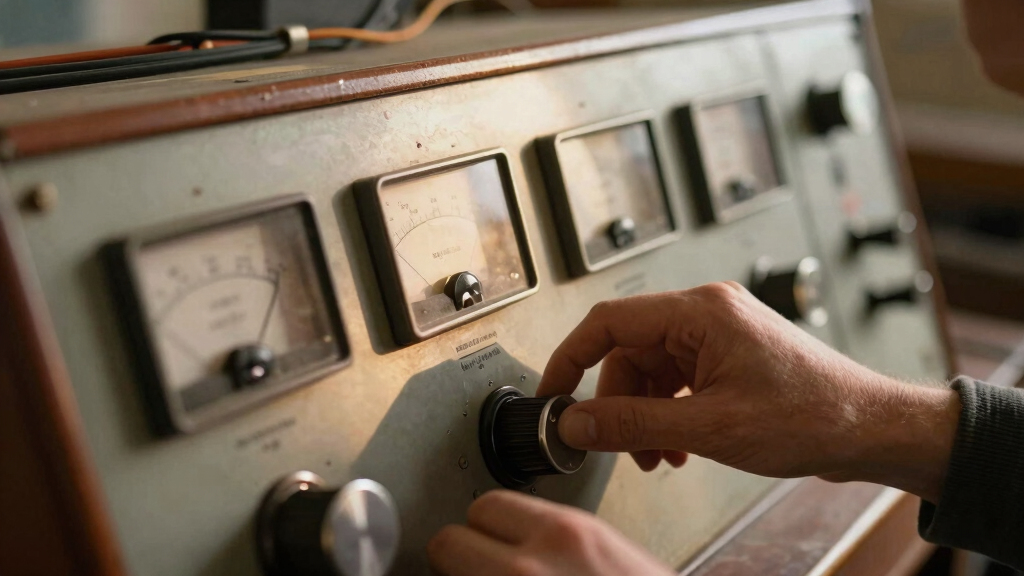
These control rooms, built primarily in the 1950s and 1960s, are characterized by their utilitarian yet distinctive design, featuring large analog displays, control panels with numerous switches, and a predominantly green or gray color palette. Their architecture reflects the technological limitations and ambitions of the Soviet Union at the time, emphasizing robustness and functionality.
In 2018, various exhibitions, documentaries, and online projects showcased these control rooms, emphasizing their importance in Soviet military, space, and industrial efforts. Some of these facilities have been preserved or restored, allowing visitors and researchers to experience the environment firsthand. The aesthetic appeal of these spaces has also inspired modern designers interested in retro-futuristic styles.
Experts note that these control rooms symbolize a period of intense technological development and geopolitical tension, serving as tangible remnants of the Soviet Union’s Cold War legacy. Their design has influenced contemporary media, including films and video games, which often draw upon their distinctive visual style.
Cultural and Technological Impact of Soviet Control Rooms
The fascination with Soviet control rooms underscores their cultural significance as symbols of Cold War-era technology and ideology. Their distinctive design influences modern visual media and design aesthetics, while their historical role provides insight into Soviet technological ambitions. Preserving these spaces helps maintain a tangible connection to Cold War history, offering educational and cultural value that resonates beyond Russia.
As an affiliate, we earn on qualifying purchases.
Historical Development and Preservation of Soviet Control Rooms
During the Cold War, the Soviet Union constructed numerous control rooms to oversee military operations, space missions, and industrial processes. Many of these facilities remain intact or have been restored, serving as museums or cultural sites. The 2018 spotlight on these control rooms came amid a broader interest in Cold War history and retro technology, with exhibitions and documentaries highlighting their design and significance. Their architecture reflects the era’s technological constraints and ideological priorities, emphasizing durability and centralized control.
“These control rooms are a window into a bygone era, showcasing the Soviet Union’s technological aspirations and aesthetic choices during a tense geopolitical period.”
— Dr. Ivan Petrov, Cold War historian
Remaining Questions About Preservation and Accessibility
It is not yet clear how many Soviet control rooms remain accessible to the public or are fully preserved. Some facilities are still classified or restricted due to their military origins, and the extent of restoration efforts varies by site. Details about ongoing preservation projects and potential future exhibitions are still emerging.
Future of Soviet Control Room Exhibitions and Research
Researchers and cultural institutions are expected to continue exploring and restoring Soviet control rooms, with more exhibitions and virtual tours planned. Increased interest from international audiences may lead to further preservation efforts and academic studies, helping to deepen understanding of Cold War technology and history.
Key Questions
Why are Soviet control rooms considered culturally significant today?
They symbolize Cold War-era technological ambition and ideological history, influencing modern design and media, and serve as tangible links to a pivotal period in global history.
Are any Soviet control rooms open to the public?
Some have been preserved as museums or cultural sites, but access varies depending on location and classification status. Many remain restricted or are used for research purposes.
What features distinguish Soviet control rooms from others?
Their utilitarian design, large analog displays, extensive control panels, and robust construction reflect the technological and ideological priorities of the Soviet era.
How has modern media used the imagery of Soviet control rooms?
They have inspired films, video games, and art projects that evoke a retro-futuristic aesthetic, emphasizing their distinctive visual style and historical symbolism.
What are the challenges in preserving these control rooms?
Many facilities are aging, classified, or located in remote areas, complicating preservation efforts and limiting public access. Funding and safety concerns also pose obstacles.
Source: hn
Fall yard work Picks
leaf blowers
As an affiliate, we earn on qualifying purchases.






![[Fact Check] Lee’s Claim Blaming Oh For Seoul Home Prices? - 최보식의언론](https://owncrafting.com/wp-content/uploads/2026/09/fact-check-lee-s-claim-blaming-oh-for-seoul-home-prices-featured-260x140.jpg)