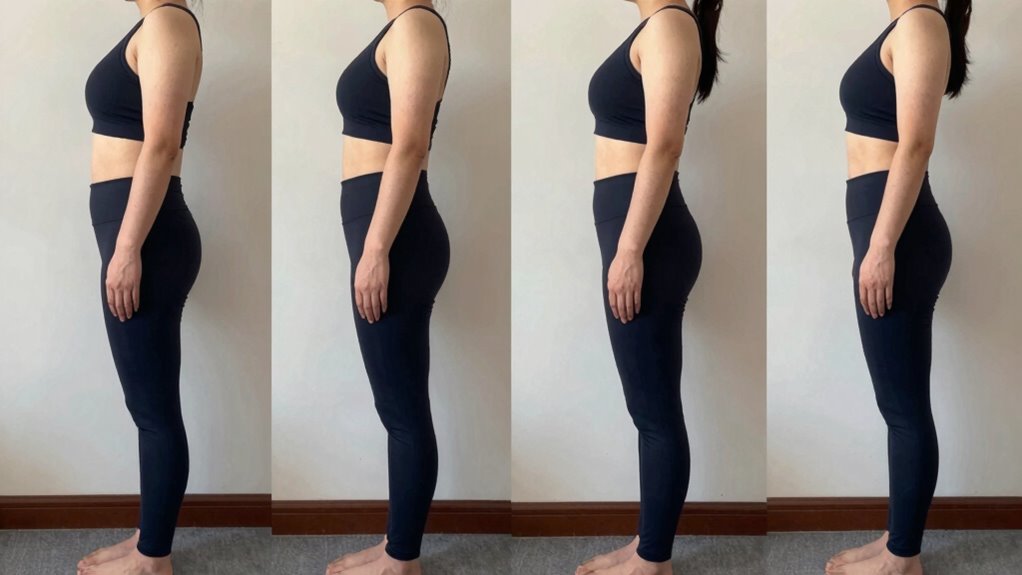

To track your fitness changes as your body evolves, regularly measure key areas like your waist, hips, and arms, and take progress photos from multiple angles. Use body composition tools or scales that distinguish fat from muscle, and pay attention to how your clothes fit and how you feel physically. Monitoring strength, stamina, and energy also signals progress. Keep consistent records to see subtle changes over time—if you’re curious about more effective strategies, there’s plenty to discover ahead.

Get business pricing on tools and workshop supplies
- Business-only prices and quantity discounts
- Tax-exempt purchasing
- Multiple users, one account, clear invoices
Key Takeaways
- Regularly measure key body parts and compare changes over time to track progress accurately.
- Take consistent progress photos from multiple angles to visually document body transformations.
- Use body composition tools like calipers or scales for detailed insights into fat and muscle changes.
- Monitor strength, stamina, and energy levels to assess functional fitness improvements.
- Record measurements and photos periodically with tracking apps or journals to maintain motivation and assess trends.

Have you ever wondered how your fitness journey unfolds over time? Tracking your progress is vital to understanding how your body responds to your efforts, especially when it comes to muscle growth and fat loss. When you first start working out, you might feel motivated by quick changes, but as your body adapts, those changes can slow down or become less obvious. That’s why having a dependable method to monitor your progress helps you stay on track and make informed adjustments.
Tracking progress over time helps you stay motivated and make informed adjustments to your fitness journey.
One of the most effective ways to track your fitness changes is by using a combination of measurements and visual cues. Regularly measuring your waist, hips, chest, arms, and thighs gives you concrete data on how your body is changing. Even if the scale doesn’t move much, reductions in measurements or increased muscle size indicate progress, especially in muscle growth and fat loss. Take measurements once every couple of weeks, and record them consistently to see patterns emerge. This way, you can identify whether you’re gaining muscle, shedding fat, or both, even if your weight remains stable.
In addition to measurements, keep an eye on your body composition. Using tools like skinfold calipers or body composition scales can provide insights into how much fat you’re losing versus muscle you’re gaining. This is essential because muscle growth can sometimes offset fat loss on the scale, leading to a more toned appearance even if the scale doesn’t change much. As your body changes, your clothing fits differently, and you may notice your clothes feel looser or tighter in certain areas. These visual cues are powerful indicators of progress that can boost your motivation. Incorporating body composition analysis can give you a clearer understanding of these changes, helping you stay motivated as you see tangible results. Additionally, understanding the importance of consistent tracking can help you develop better habits and maintain focus on your goals.
Progress photos are another effective way to track your changes. Take clear photos from multiple angles under consistent lighting and clothing conditions every few weeks. Comparing these images over time vividly shows your transformation, capturing subtle shifts in muscle definition and fat loss that might be hard to notice day-to-day. Combining photos with measurements and scale data gives you a complete picture of your progress. Additionally, using visual documentation, like progress photos, can help you recognize subtle improvements that are not always obvious through numbers alone. Recognizing which tracking methods are most meaningful for you can also help tailor your approach and keep you motivated.
Finally, pay attention to how you feel during workouts and daily activities. Increased strength, stamina, and energy levels are signs of muscle growth and improved fitness. Conversely, feeling lighter and more agile can be signs of fat loss. Remember, the body’s changes are often gradual, and tracking multiple indicators ensures you recognize and celebrate your progress along the way. Staying consistent with these methods helps you stay motivated and focused on your long-term fitness goals. Additionally, incorporating technology like fitness tracking devices can further enhance your ability to monitor these changes accurately.
body composition scale with fat and muscle measurement
As an affiliate, we earn on qualifying purchases.
As an affiliate, we earn on qualifying purchases.
Frequently Asked Questions
How Often Should I Reassess My Fitness Measurements?
You should reassess your fitness measurements every 4 to 6 weeks. This timeframe allows you to notice progress and make necessary nutrition adjustments. Pay attention to sleep quality, as better rest can influence your results. Regular checks help you stay motivated and fine-tune your routine. By tracking consistently, you’ll see how your body responds to changes, ensuring your fitness journey remains effective and aligned with your goals.
What Tools Are Best for Tracking Body Changes Accurately?
You need tools that give you laser-sharp accuracy, like a reliable body measurement tape and a high-quality scale. Progress photos are your visual superpower, showing subtle changes that numbers might miss. Use a body fat caliper for detailed insights, and keep a fitness journal to track patterns. Combining these tools, you’ll see your transformation unfold like a movie, motivating you to push even harder toward your goals.
How Do Hormonal Changes Affect Fitness Progress Tracking?
Hormonal fluctuations can profoundly impact your fitness progress tracking. Changes in hormones like cortisol, estrogen, and testosterone influence metabolism and muscle recovery, making it tricky to interpret progress accurately. You might see sudden weight shifts or strength variations unrelated to actual effort. To stay accurate, consider combining multiple tracking methods—like body measurements and performance metrics—and note hormonal cycles to better understand these metabolic impacts on your progress.
Can Weight Fluctuate Without Indicating Fitness Changes?
Weight fluctuations can definitely deceive your data, but they don’t necessarily define your fitness. You might see shifts on the scale due to water retention, digestion, or hormonal highs and lows. Focusing on body composition—like muscle versus fat—gives a clearer picture of progress. So, don’t be discouraged by daily changes; instead, observe long-term trends to truly track your fitness journey and stay consistent in your efforts.
How Do I Stay Motivated During Long-Term Tracking?
To stay motivated during long-term tracking, focus on consistency and celebrate small wins. Remind yourself of your progress, even if it’s slow, and keep your motivation high. When your goals feel distant, don’t hesitate to adjust them to stay realistic and inspiring. Regularly reviewing your achievements helps maintain your enthusiasm, making it easier to stay committed and inspired throughout your fitness journey.
Conclusion
Tracking your fit changes over time is like tending a garden—you need patience, attention, and the right tools. By regularly measuring, taking photos, and listening to your body’s signals, you’ll see progress bloom even on the toughest days. Remember, your body’s story unfolds one chapter at a time, so stay consistent. With dedication, you’ll watch your transformation grow stronger and more vibrant, proving that persistence is the secret ingredient to lasting change.
Fall yard work Picks
leaf blowers
As an affiliate, we earn on qualifying purchases.