
TL;DR

Get business pricing on tools and workshop supplies
- Business-only prices and quantity discounts
- Tax-exempt purchasing
- Multiple users, one account, clear invoices
Washington D.C. has announced that its network of smart composting bins has reached a notable collection milestone. This development underscores ongoing efforts to improve urban waste management and promote sustainability. The achievement reflects increased participation in composting programs, though further details on the scope and impact are still emerging.
Washington D.C. has announced that its network of smart composting bins has achieved a significant collection milestone, marking a notable step forward in the city’s waste management and sustainability initiatives. The milestone reflects increased participation from residents and improvements in city infrastructure, though specific figures and the scope of the achievement have not been fully disclosed. This development is part of broader efforts to reduce landfill waste and promote environmentally friendly practices within the urban area.
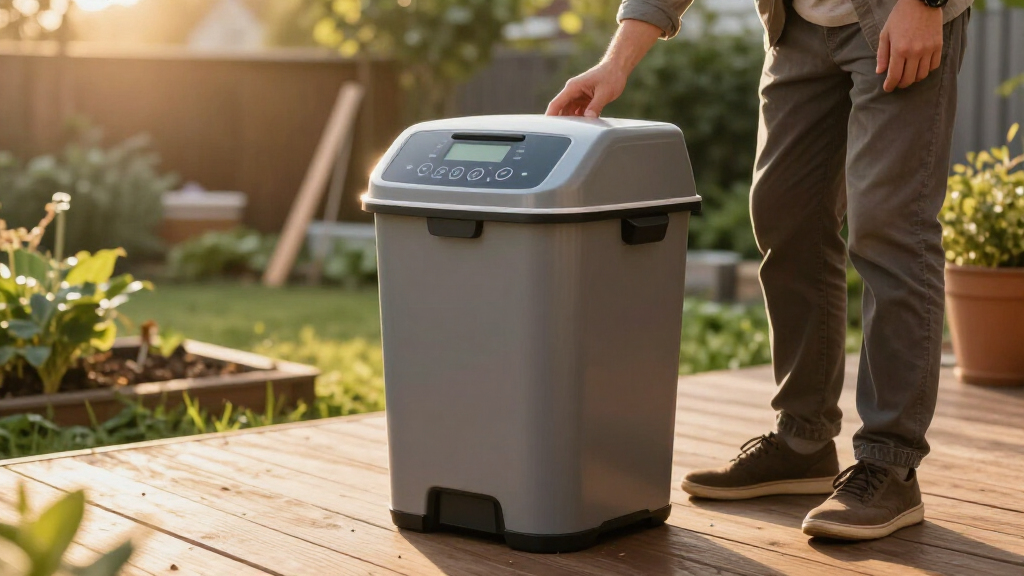
The city’s smart composting program, launched in select neighborhoods, utilizes bins equipped with sensors and data tracking technology to monitor waste collection and composting activity. According to city officials, the milestone indicates that the bins have collectively processed a substantial volume of organic waste, contributing to the city’s environmental goals.
While the exact number of collections or the volume of composted material has not been publicly confirmed, sources suggest that the program has seen increased engagement since its rollout. The initiative aims to divert organic waste from landfills, reduce greenhouse gas emissions, and promote sustainable urban living.
Officials from the Department of Public Works emphasized that the milestone demonstrates the potential of smart waste management solutions to enhance city services and environmental outcomes. They also noted ongoing efforts to expand the program to additional neighborhoods, pending further funding and infrastructure upgrades.
Implications of the Composting Milestone for Urban Sustainability
This milestone is significant because it highlights the potential for smart technology to improve waste diversion efforts in densely populated urban areas. Successful implementation could serve as a model for other cities aiming to reduce landfill reliance and lower carbon emissions. Additionally, increased participation in composting programs can lead to tangible environmental benefits, including decreased methane emissions from organic waste in landfills.
Furthermore, the milestone underscores the importance of integrating digital solutions into municipal waste management, potentially paving the way for more efficient, data-driven city services. While the full impact of this achievement remains to be seen, it signals a positive step toward more sustainable urban living.
As an affiliate, we earn on qualifying purchases.
Background on Washington D.C.’s Urban Composting Initiatives
Washington D.C. has been actively pursuing waste reduction strategies over the past several years, with composting programs emerging as a key component. The city’s efforts have included public education campaigns, infrastructure investments, and pilot programs aimed at increasing organic waste diversion.
The introduction of smart composting bins is part of a broader trend toward integrating technology into municipal waste management, with other cities experimenting with sensor-equipped waste receptacles to optimize collection routes and monitor participation rates. The program’s initial phases focused on select neighborhoods, with plans for expansion based on success metrics.
Previous initiatives have shown promising results, but the adoption of smart technology represents a new frontier in urban sustainability efforts, aiming to make waste management more efficient and environmentally impactful.
Unconfirmed Details About the Scope and Impact
Specific data on the total volume of organic waste collected, the number of participating households, or the geographic scope of the milestone has not been publicly disclosed. It is also unclear how the milestone compares to initial targets or previous collection levels. Additionally, the long-term impact of the program on overall waste reduction remains to be evaluated, and the scalability of the initiative is still under consideration.
Next Steps for Expanding and Evaluating the Program
City officials plan to monitor the ongoing performance of the smart composting bins and gather data to assess their effectiveness. There are also plans to expand the program to additional neighborhoods, contingent on securing further funding and infrastructure upgrades. The city will likely release more detailed metrics in the coming months to provide transparency on the program’s progress.
Furthermore, efforts to increase public awareness and participation are expected to continue, with educational campaigns and outreach initiatives aimed at encouraging more residents to participate in composting efforts.
Key Questions
What does reaching the collection milestone mean for Washington D.C.?
The milestone indicates that the city’s smart composting program has processed a significant volume of organic waste, reflecting increased participation and the effectiveness of the technology used. It marks a step forward in the city’s sustainability goals.
How do smart composting bins work?
Smart composting bins are equipped with sensors that monitor waste levels, temperature, and other factors. They transmit data to city officials to optimize collection schedules and track participation, making waste management more efficient.
Will the program expand to other neighborhoods?
Yes, city officials have indicated plans to expand the program, depending on funding and infrastructure support. The success of the initial phase will influence future rollout decisions.
What are the environmental benefits of this program?
By diverting organic waste from landfills, the program helps reduce methane emissions, lowers landfill volume, and promotes more sustainable waste management practices.
When will more detailed results be available?
The city plans to release additional data and performance metrics in the coming months as they evaluate the program’s impact and plan for expansion.
Source: local
Halloween Picks
halloween
As an affiliate, we earn on qualifying purchases.