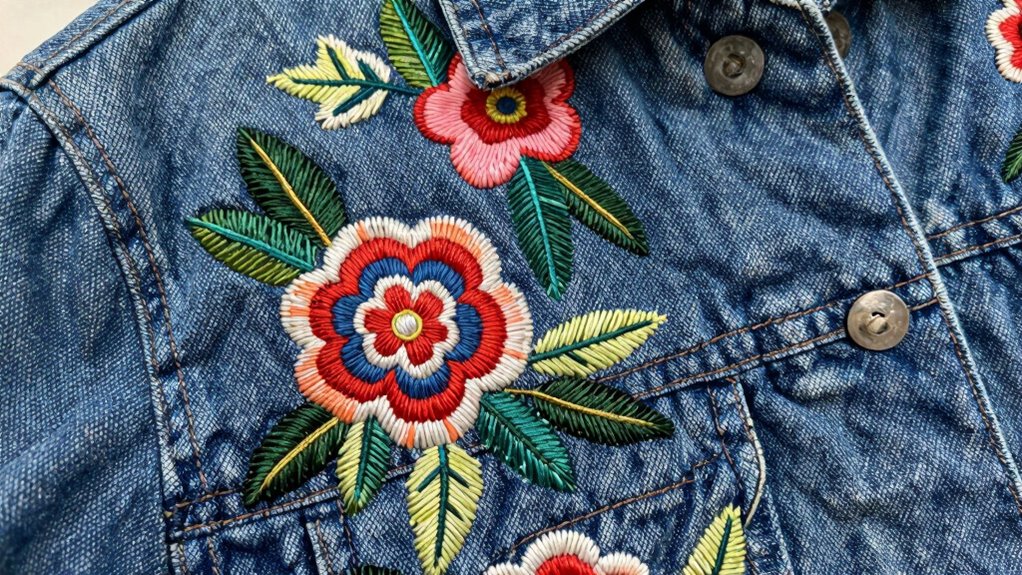

When embroidering on clothing that will be washed, choose suitable fabrics and always pre-wash to prevent shrinking and distortion. Use high-quality, colorfast threads and proper stabilizers to keep stitches secure and minimize puckering. Finish your work carefully and turn garments inside out before washing to protect the embroidery. Follow care instructions closely, avoiding harsh detergents and high heat. If you want to guarantee lasting, professional-looking results, there’s more to discover about proper techniques and care.

Get business pricing on tools and workshop supplies
- Business-only prices and quantity discounts
- Tax-exempt purchasing
- Multiple users, one account, clear invoices
Key Takeaways
- Pre-wash garments to reduce shrinking and distortion before embroidering.
- Use appropriate stabilizers to prevent puckering and ensure stitch quality during washing.
- Choose high-quality, colorfast threads to prevent fading or bleeding over multiple washes.
- Turn clothing inside out and wash in cold water to protect embroidery details.
- Follow proper drying methods, such as air-drying or low heat, to preserve embroidery durability.
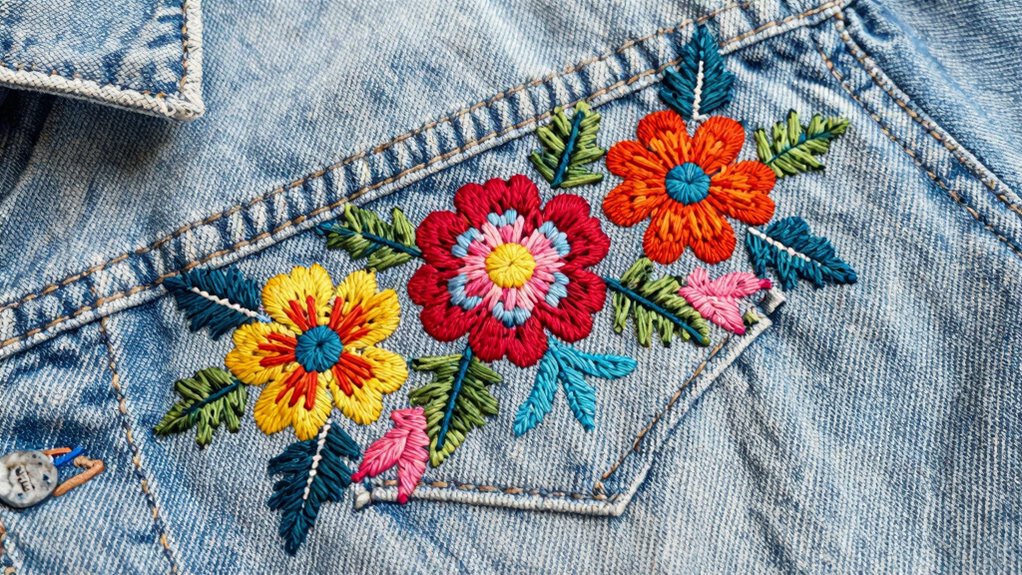
Machine embroidery offers speed and consistency, making it ideal for larger projects or when you want a professional look. Modern embroidery machines come with built-in stabilizers and thread options designed to produce sturdy stitches. When you choose machine embroidery, guarantee you select high-quality, colorfast threads that won’t fade or bleed after washing. Properly hooping your fabric is also essential; it prevents puckering and helps maintain the integrity of your stitches through multiple washes. After completing your design, always follow the manufacturer’s instructions for finishing, which may include trimming excess stabilizer or applying a fabric sealant for extra durability. Using high-quality threads ensures vibrant, long-lasting results that withstand repeated washing. Hand stitching, on the other hand, allows for more control and a personal touch. If you prefer hand embroidery, use strong, colorfast embroidery floss or thread. When stitching on clothing that needs to be washed regularly, avoid loose or delicate stitches that might unravel or weaken over time. Instead, opt for tight, even stitches, and secure your knot ends thoroughly. You can also reinforce your work by backstitching or using a satin stitch, which creates a dense, durable surface. To guarantee longevity, wash embroidered clothing inside out in cold water, and avoid harsh detergents or bleach that can damage the threads. Gentle drying, such as air-drying or using a low-heat setting, helps preserve your embroidery. Pre-washing your garment before embroidering can also help prevent shrinking and fabric distortion later, especially when working with stretchy fabrics or delicate textiles. Additionally, choosing the right fabric types can significantly impact the durability of your embroidery over time. Proper fabric preparation and stabilization techniques are crucial for achieving professional results. Using suitable stabilizers can also prevent puckering and uneven stitches during embroidery. When finished, always handle your embroidered clothing with care—turn inside out when washing and avoid wringing or rough agitation.
embroidery stabilizer for clothing
As an affiliate, we earn on qualifying purchases.
As an affiliate, we earn on qualifying purchases.
Frequently Asked Questions
How Long Does Embroidered Clothing Typically Last Through Washes?
Embroidered clothing typically lasts through about 20 to 50 washes, depending on embroidery durability and fabric washability. To maximize longevity, wash items inside out on gentle cycles, use mild detergents, and avoid harsh bleach. Proper care helps preserve the embroidery’s quality and keeps your garment looking fresh longer. Remember, the quality of your embroidery directly impacts how well it withstands repeated washes over time.
Can I Embroider on Stretchy or Delicate Fabrics Safely?
You can safely embroider on stretchy or delicate fabrics with proper fabric stabilization and careful embroidery techniques. To avoid puckering or damage, use a stabilizer suited for delicate textiles and choose embroidery stitches that are gentle yet secure. Keep your embroidery hoop snug but not tight, and test your design on a scrap first. This way, you preserve the fabric’s integrity while creating beautiful, durable embroidered pieces.
What Are the Best Thread Types for Wash-Resistant Embroidery?
For wash-resistant stitching, you should choose embroidery thread types like polyester or rayon, as they’re durable and hold up well in washing. Polyester thread is especially strong, colorfast, and resists shrinking, making it ideal for clothing that will be washed frequently. Rayon offers a shiny finish, but it’s less resistant to wear. Using high-quality thread guarantees your embroidery stays vibrant and intact through multiple washes.
How Do I Prevent Color Fading in Embroidered Areas?
You can prevent color fading in embroidered areas by using colorfast threads, which resist fading during washes. Before embroidering, apply a fabric pre-treatment to lock in color and protect the threads. This combination guarantees your design stays vibrant over time. Additionally, washing the garment inside out and using cold water helps preserve the embroidery’s color. These steps keep your embroidery looking fresh, wash after wash.
Is Special Care Needed for Embroidered Clothing After Washing?
Yes, you should take special care after washing machine embroidery. To preserve your design, gently wash the clothing and avoid harsh detergents. Proper fabric preparation before embroidery helps prevent damage, but post-wash, handle the garment carefully. Air dry instead of using a dryer, and if needed, iron on a low setting with a cloth over the embroidery. This guarantees your embroidered design stays vibrant and intact over time.
Conclusion
So, don’t let worries about washing ruin your embroidered clothing. With the right techniques and materials, your designs will stay vibrant and intact through countless washes. Just remember to use stable stitches, wash gently, and turn garments inside out. It might seem delicate at first, but with a little care, your beautiful embroidery can last for years. Now, go ahead and create those personalized pieces—you’ll love how durable and charming they turn out!
Fall Picks
fall essentials
As an affiliate, we earn on qualifying purchases.