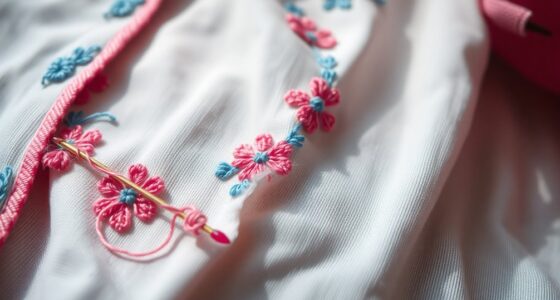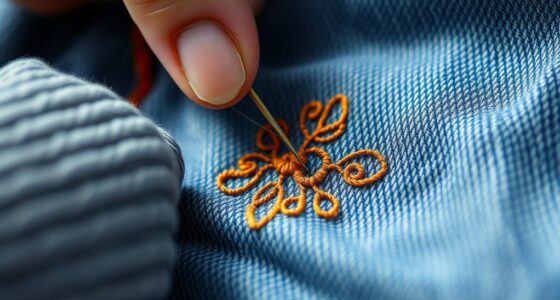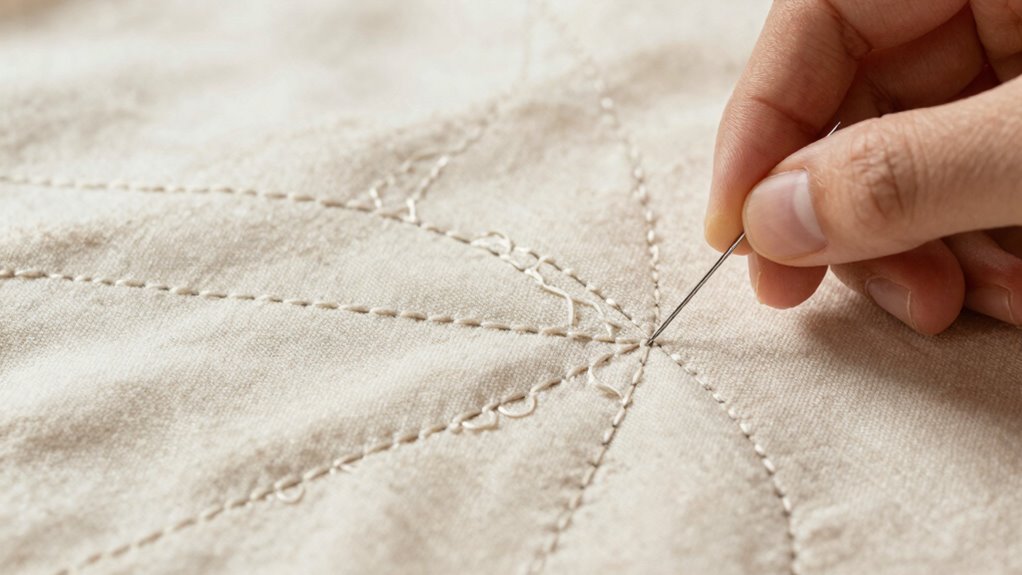

You can create beautiful textures by combining simple stitches like single, half-double, or double crochet throughout your project. Try alternating stitches within rows or sections to add rhythmic patterns, or incorporate front and back post stitches for raised, ribbed effects. Mixing different stitches or using variegated yarn brings depth and visual interest. Experimenting with these basic techniques helps develop a variety of tactile and visual textures, and mastering them opens the door to even more creative possibilities.

Get business pricing on tools and workshop supplies
- Business-only prices and quantity discounts
- Tax-exempt purchasing
- Multiple users, one account, clear invoices
Key Takeaways
- Combine basic stitches like single, half-double, and double crochet in alternating rows for varied texture.
- Incorporate front post and back post stitches to create raised, ribbed, or ridged effects.
- Mix different stitch types within the same row or section to develop subtle, engaging patterns.
- Use color blending with variegated or gradient yarns to enhance the visual depth of simple stitch combinations.
- Experiment with stitch sequences and transitions to add dimension and tactile interest to your project.
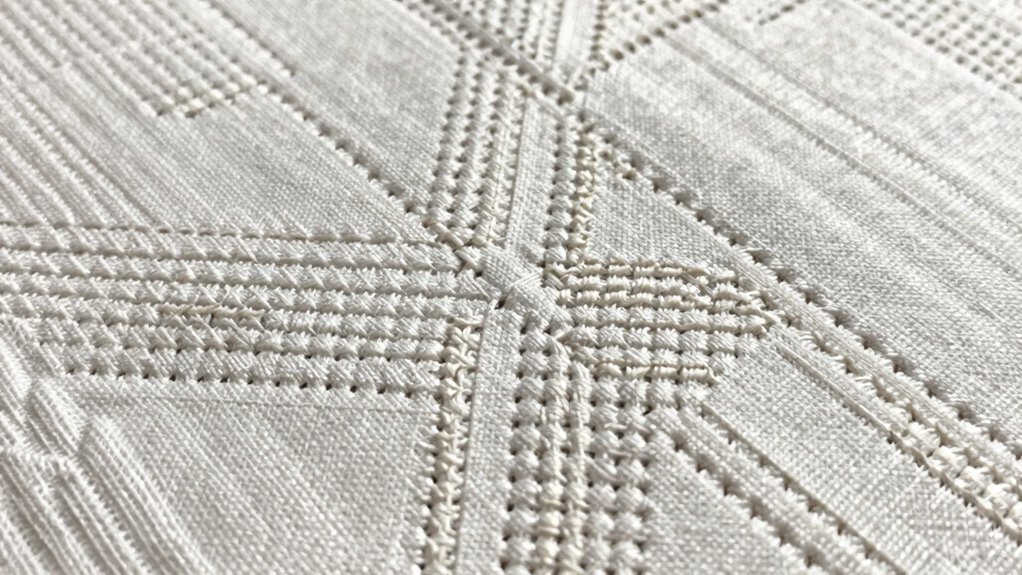
Adding texture to your knitting or crochet projects can elevate their visual interest and tactile appeal, and using simple stitch combinations is an easy way to achieve this. When you focus on pattern variation, you can create intricate-looking designs without complex techniques. One effective method is to experiment with color blending within your stitch choices. Incorporating different shades or subtle progressions of yarn can add depth and dimension, making even basic stitches stand out. For example, combining a variegated yarn with solid colors can produce a stunning effect, emphasizing the texture and pattern variation.
Start by choosing a few simple stitches like single crochet, half-double crochet, or double crochet. These stitches are foundational and easy to work with, making them perfect for beginners interested in exploring texture. Once you’re comfortable, alternate between these stitches in the same row or row sections. For instance, switching from a double crochet to a half-double crochet periodically creates a subtle, rhythmic pattern that catches the eye. You can also incorporate stitch techniques like front post or back post stitches, which add a raised, ribbed effect to your fabric, highlighting the pattern variation even further. These stitches not only create visual interest but also add a tactile dimension that invites touch. Exploring stitch techniques can also open up new possibilities for texture and pattern complexity. Additionally, paying attention to yarn texture can significantly influence the final look and feel of your project, enhancing the overall effect. Recognizing how different color blending techniques interact with stitch choices can inspire even more creative variations in your work.
Frequently Asked Questions
Can I Combine Different Stitch Types for More Texture?
Yes, you can definitely combine different stitch types for more texture. Mix stitch variation to add depth and interest, and incorporate color blending for a dynamic look. Experiment with pairing smooth stitches like stockinette with textured ones like seed or moss stitch. This contrast creates visual interest and tactile richness, making your project stand out. Don’t be afraid to try new combinations—your creative touch will bring the fabric to life!
Which Yarns Work Best for Textured Stitch Combinations?
They say, “You get what you pay for,” and when it comes to textured stitch combinations, choosing the right yarns makes all the difference. Wool blends are great for their durability and warmth, while cotton offers crisp stitch definition. Opt for yarns with varied fiber textures and color variations to add depth and interest. Your best bet is experimenting with different fiber types to find the perfect match for your textured project.
How Do Tension and Gauge Affect Textured Stitches?
Tension and gauge play a vital role in textured stitches. When your tension is too tight, the stitches become stiff, reducing the texture’s visual impact. Conversely, loose tension creates a more relaxed, airy fabric. Your yarn’s elasticity and chosen needle size influence this balance—using larger needles can loosen stitches, emphasizing texture, while smaller needles tighten them. Maintaining consistent tension guarantees your textured stitches stay uniform and visually appealing.
Are There Beginner-Friendly Stitch Combinations for Texture?
Yes, there are beginner-friendly stitch combinations that add texture. You can try combining basic stitches like single and double crochets, which create subtle patterns perfect for learning. Focus on color blending to enhance the texture, and keep stitch symmetry simple for even results. These combinations help you practice tension and gauge while creating interesting textures without feeling overwhelmed, making your crochet journey more enjoyable and successful.
How Can I Prevent Stitches From Losing Definition Over Time?
A stitch in time saves nine, so focus on enhancing stitch durability to prevent stitches from losing definition over time. You can do this by using the right yarn and tension, ensuring even stitching, and avoiding overstretching. Proper finishing techniques also help preserve pattern longevity. By caring for your project and choosing quality materials, your textured stitches stay vibrant and defined, keeping your work looking fresh and beautiful longer.
Conclusion
By experimenting with these simple stitch combinations, you’re fundamentally painting a textured masterpiece on your fabric canvas. Each stitch adds a new brushstroke, turning a plain piece into a vibrant tapestry of depth and interest. Don’t be afraid to play and mix them up—your project will come alive with personality and charm. Embrace the process, and soon, your textile will be a rich, textured garden blooming with creative possibilities.
Fall yard work Picks
leaf blowers
As an affiliate, we earn on qualifying purchases.