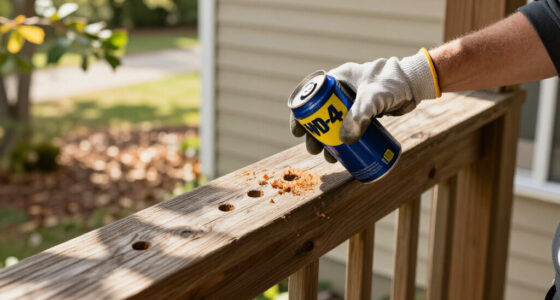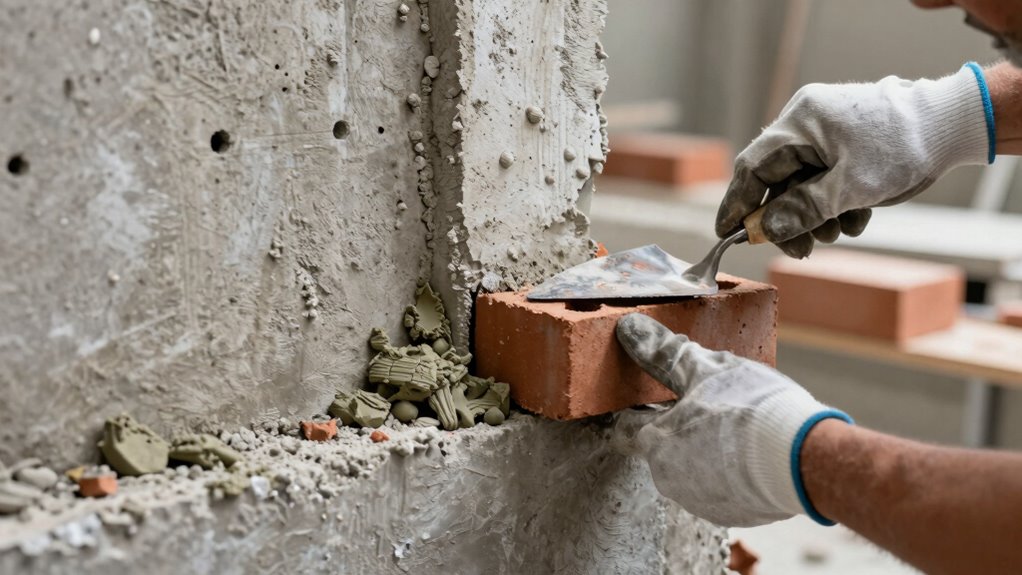

To fix small construction errors early, regularly inspect your site for misalignments, measurement mistakes, or material defects. Address issues immediately with simple adjustments or, if needed, replace affected materials to avoid bigger problems later. Consult experienced tradespeople or engineers for complex fixes, and document all corrections for accountability. Stay proactive by understanding common mistakes and safety procedures to prevent errors from escalating. Keep following these steps to maintain quality, safety, and project timeline management.

Get business pricing on tools and workshop supplies
- Business-only prices and quantity discounts
- Tax-exempt purchasing
- Multiple users, one account, clear invoices
Key Takeaways
- Conduct regular site inspections to identify and address errors early.
- Evaluate the severity of issues and perform quick, targeted corrections.
- Consult experts for complex problems and document all corrective actions.
- Use clear communication to coordinate repairs and prevent misunderstandings.
- Implement quality control measures and continuous training to prevent future errors.
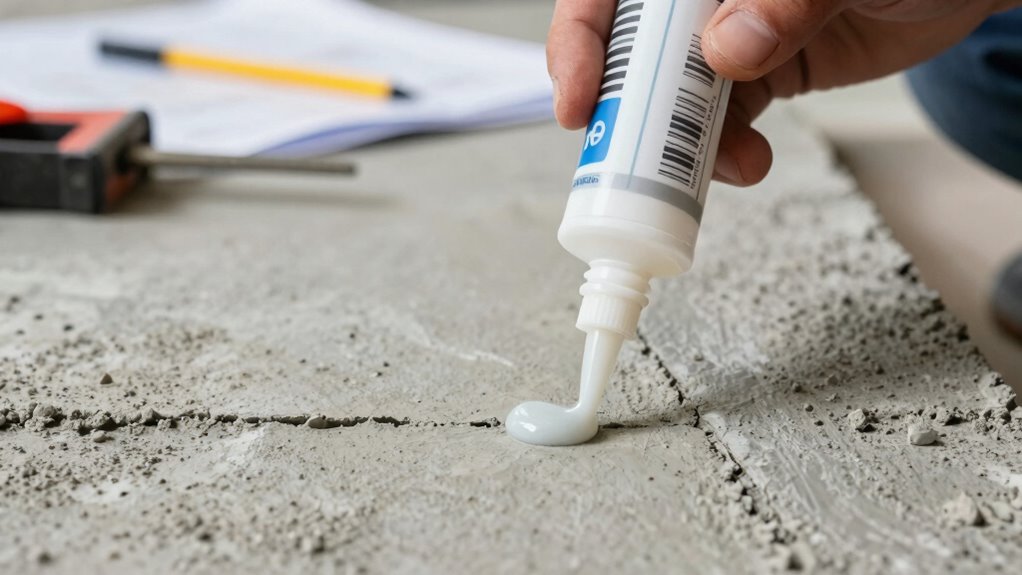
Even small construction errors can compromise the integrity and appearance of your project, but they’re usually easy to fix if addressed promptly. The key is catching these issues early and understanding how to correct them without disrupting the overall work. When errors go unnoticed for too long, they can escalate into bigger problems that threaten both safety and project timelines. That’s why regular inspections and vigilant project management are essential. Ensuring construction safety isn’t just about preventing accidents; it’s also about spotting and correcting mistakes before they become costly or dangerous. Recognizing the importance of early detection can make all the difference in maintaining quality and safety throughout the project.
Your first step should be to identify the error as soon as possible. This requires a keen eye and a routine inspection schedule. Walk through the site regularly, checking for misaligned structures, improper measurements, or minor material defects. When you spot something off, don’t delay. Address it immediately by consulting your project management plan, which should include protocols for handling small errors efficiently. This proactive approach minimizes the risk of safety hazards and keeps the project on track. Remember, small mistakes can lead to bigger safety violations if left unchecked, so always prioritize fixing issues that could compromise construction safety.
Once you’ve identified the error, evaluate its scope and impact. Sometimes, a minor misalignment or a small crack can be easily corrected with simple adjustments, like realigning a beam or filling a gap. Other times, you might need to remove and replace a small section of material. Keep in mind that the goal is to correct the mistake without causing unnecessary delays or expenses. Use your project management skills to coordinate the correction efficiently, ensuring that everyone involved knows what needs to be done and when. Proper communication is essential; clear instructions prevent further errors and help maintain a safe construction environment. Additionally, understanding common construction mistakes can help you anticipate and prevent similar issues in future projects. Staying informed about construction safety procedures can further help you avoid hazards and improve overall site safety.
If you’re unsure about how to fix a specific issue, consult relevant experts—structural engineers, safety officers, or experienced tradespeople. Their insights can save you time and prevent mistakes from compounding. Document every correction made, not only for accountability but also to track recurring issues that might need a systemic fix. Regular site inspections are critical in catching errors early and ensuring compliance with safety standards. Incorporating quality control measures into your process can further enhance your ability to identify and correct errors before they escalate. This documentation can improve your future project management strategies, helping you identify patterns and prevent similar errors from happening again.
As an affiliate, we earn on qualifying purchases.
Frequently Asked Questions
How Can I Identify Small Errors Early in the Construction Process?
You can identify small errors early by implementing strict quality control measures throughout the construction process. Regular inspections and checklists help catch defects before they escalate. Encourage your team to report issues promptly, fostering defect prevention. Using detailed drawings and clear communication reduces misunderstandings. By monitoring progress closely and addressing issues immediately, you guarantee that small errors don’t develop into costly problems, keeping your project on track and maintaining high standards.
What Tools Are Best for Detecting Minor Construction Mistakes?
Did you know that error detection in construction can reduce rework costs by up to 20%? To catch minor mistakes early, use construction sensors that monitor structural integrity in real-time. These sensors help detect errors before they escalate, allowing you to address issues promptly. Incorporate error detection tools like laser scanners, level meters, and digital cameras to guarantee precision and maintain quality throughout your project.
How Often Should Site Inspections Be Conducted to Catch Errors?
You should conduct site inspections daily to catch errors early, especially when facing material delays or safety protocol issues. Regular inspections help identify small construction mistakes before they escalate, ensuring quality and safety. During each visit, check for deviations from design plans, safety compliance, and material handling. Prompt detection allows you to address problems quickly, preventing costly repairs later and maintaining project timelines effectively.
Are There Specific Training Programs for Recognizing Small Construction Issues?
Did you know that thorough training programs can improve error recognition by up to 50%? Yes, there are specific training programs designed to help you spot small construction issues early. These programs teach you how to identify errors quickly, reducing costly rework later. By participating, you’ll sharpen your skills and catch problems before they escalate, ultimately saving time and money on your projects.
How Do Weather Conditions Affect the Likelihood of Small Errors?
Weather conditions substantially impact the likelihood of small construction errors. Climate impact and seasonal variations can cause materials to expand, contract, or behave unpredictably, leading to mistakes. For instance, humidity or temperature fluctuations may affect concrete curing or paint drying, increasing error chances. You should plan for these variations, adjust your schedule accordingly, and monitor weather forecasts to minimize errors caused by changing weather conditions.
Conclusion
Now that you know how to catch and fix small construction errors early, imagine the surprises waiting if you ignore them. Will you spot that tiny crack before it becomes a major problem? The key is staying vigilant and proactive. The next mistake could be lurking just around the corner, ready to grow into a costly headache. Are you prepared to prevent it and keep your project smooth sailing? The choice is yours—don’t let small errors turn into big regrets.
Halloween Picks
halloween
As an affiliate, we earn on qualifying purchases.