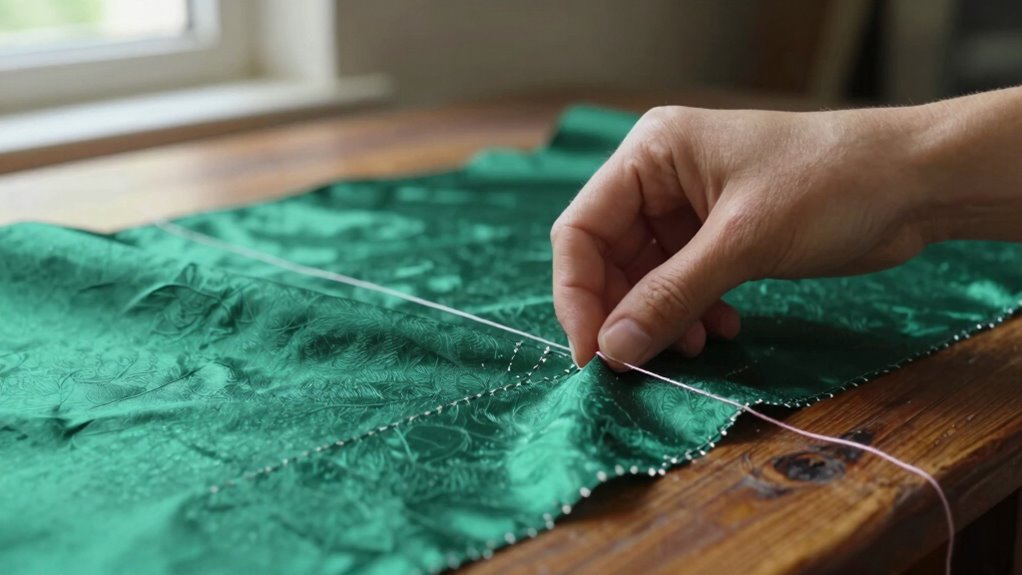
Couture sewists swear by hand-basting for its precision and control, ensuring perfect fabric alignment and seamless fitting before permanent stitches. This technique allows you to fine-tune your garment, avoid puckering, and create professional-quality seams—especially with delicate or complex fabrics. Using proper tools, consistent tension, and neat stitches, you’ll achieve better results than with machine basting. If you want to master this secret craft and elevate your sewing, there’s more to discover ahead.

Get tools and workshop supplies delivered free — and shop member deals
- Fast, free delivery on millions of items
- Access to Prime Big Deal Days deals on October 6–7
- Prime Video, Amazon Music and more included
Key Takeaways
- Hand-basting offers unmatched precision and control for delicate fabrics and complex designs, ensuring perfect fabric alignment.
- It creates a strong, yet temporary, foundation that helps achieve accurate, professional-looking seams during garment construction.
- Skilled couture sewists rely on hand-basting to fine-tune fitting adjustments before permanent stitches are applied.
- Proper technique, including consistent tension and neat stitches, prevents puckering and distortion, resulting in a polished finish.
- Despite advances in machine sewing, hand-basting remains a trusted secret for achieving high-quality, couture-level garments.
fine hand sewing needles for delicate fabrics
As an affiliate, we earn on qualifying purchases.
As an affiliate, we earn on qualifying purchases.
What Is Hand-Basting and Why Do Couture Sewists Use It?
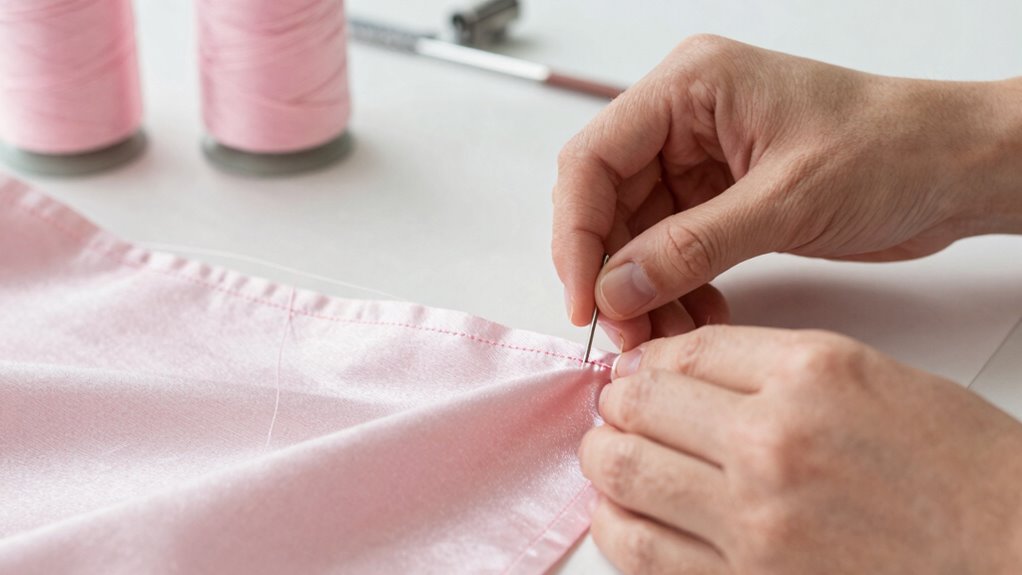
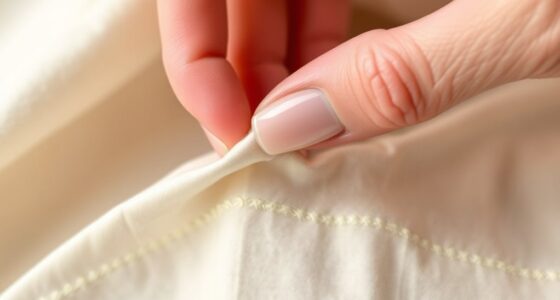
Hand-basting is a technique where you sew temporary stitches by hand to hold fabric pieces together precisely. This method is crucial for ensuring accurate alignment before permanent sewing. Different fabric types, from delicate silks to sturdy linens, respond well to hand-basting because it offers control and minimizes fabric distortion. When you’re working with intricate designs or tricky fabrics, hand-basting allows you to keep everything in place without rushing. It also helps you maintain a steady sewing speed, reducing errors and making the final stitching smoother. Couture sewists rely on hand-basting to achieve perfect fits and clean finishes. By carefully securing your pieces first, you can proceed confidently with confidence that your fabric stays aligned throughout the sewing process. Additionally, understanding the properties of fabric types can help you choose the best hand-basting techniques for different materials, ensuring optimal results. Mastering precise stitch placement is essential for seamless hand-basting, especially when working with complex or delicate textiles. Using the right basting tools can further enhance accuracy and ease during your project. Incorporating techniques for different fabrics can also improve your overall sewing precision and outcome.
Essential Tools and Materials for Hand-Basting Sewing
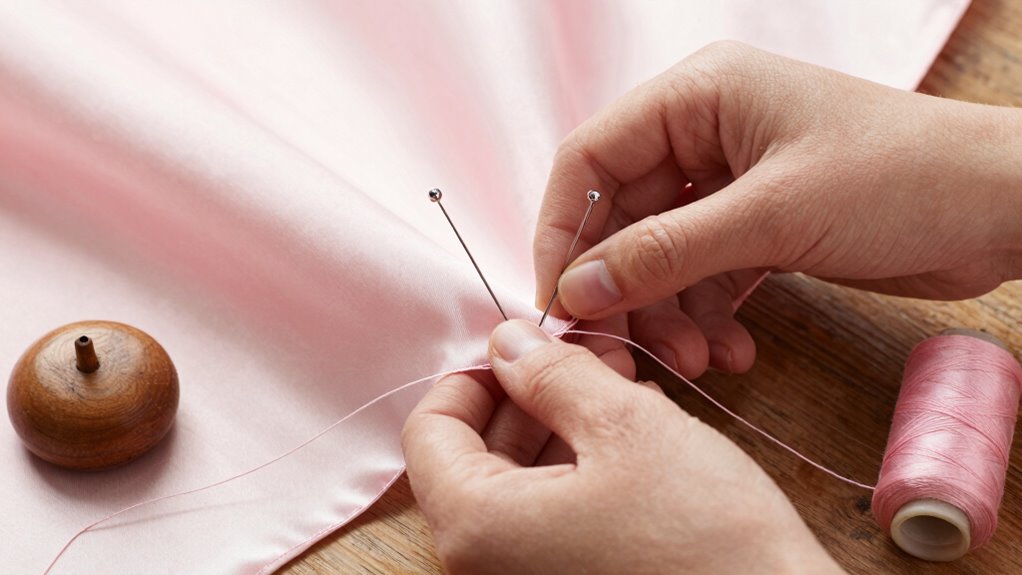
To achieve precise and secure hand-basting stitches, you’ll need a few essential tools and materials. Start with sharp, fine needles suited for delicate work, ensuring easy penetration without damaging the fabric. Choose quality thread in a color that matches your fabric selection; neutral or matching shades prevent visible basting stitches later. A good pair of scissors or thread snips helps you trim threads cleanly. For stability, use pins or clips to hold fabric layers in place before basting. A smooth, flat surface like a sewing board makes handling fabric easier. Keep a thimble handy if working with thicker materials. Having these tools ready guarantees your hand-basting is accurate, secure, and seamless, setting a solid foundation for professional-looking finished garments. Additionally, understanding fabric types can help you select the most suitable tools and techniques for each project. Proper preparation and choosing the right sewing tools will also improve your overall sewing experience. Mastering hand-basting techniques can significantly enhance the precision of your sewing projects and lead to better results. Using appropriate jewelry materials such as titanium or surgical steel for any necessary fastenings can prevent irritation and ensure durability during sewing. Developing a good sewing workspace setup can further streamline your process and increase efficiency.
Why Hand-Basting Helps You Get a Better Fit and Precise Seams
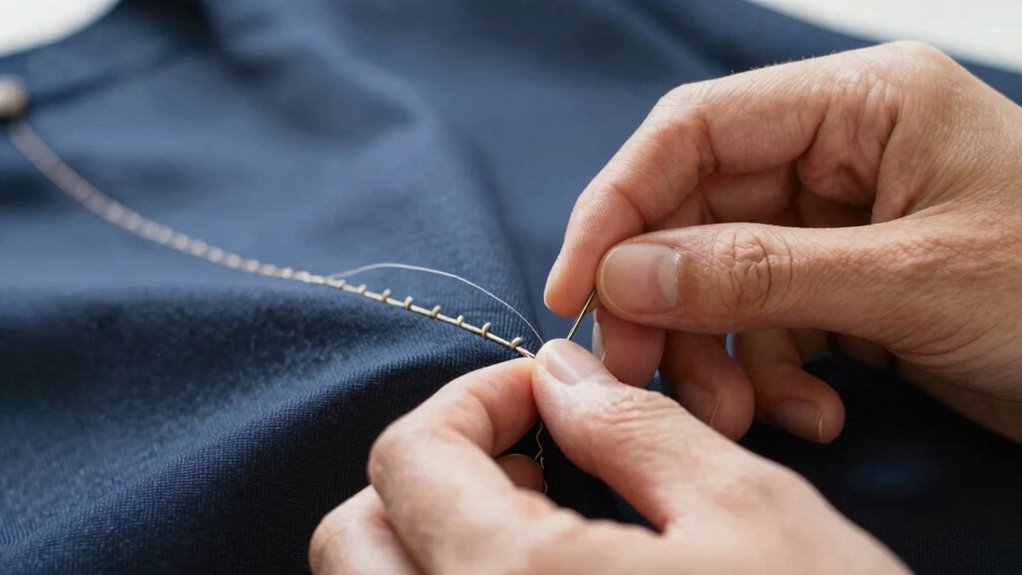
When you hand-baste, you gain greater control over your seams and fit. This technique allows you to adjust as needed, ensuring everything lines up perfectly. As a result, your finished garment will have cleaner, more precise seams and a better overall fit.
Enhanced Seam Precision
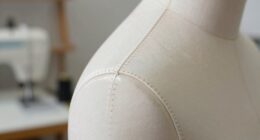
Because it allows you to temporarily secure fabric pieces, hand-basting guarantees seams stay aligned during sewing, leading to a more precise fit. This technique enhances seam precision by giving you better control over fabric manipulation, ensuring each piece moves exactly as intended. When you hand-baste, you can carefully adjust pattern matching, aligning stripes, prints, or grainlines more accurately before permanent stitches. This prevents misaligned seams or puckering, which can be difficult to correct later. By taking the time to secure your fabric with light, even stitches, you create a solid foundation for sewing, resulting in cleaner, professional-looking seams. Hand-basting ultimately helps you achieve a high level of precision, especially on intricate or delicate projects where accuracy is critical.
Better Fit Control
Hand-basting gives you greater control over fit by allowing you to fine-tune fabric placement before permanently stitching. This step lets you assess how the fabric behaves and makes necessary pattern adjustments early on. With careful hand-basting, you can test different fabric selections to see which materials best conform to your body and design intentions. It also helps you identify areas that need contouring or reshaping, ensuring a more precise fit. By temporarily holding pieces together, you gain the opportunity to make subtle pattern adjustments, preventing costly mistakes later. This precision ensures your finished garment aligns perfectly with your body and design goals, resulting in a polished, couture-quality fit that machine sewing alone might not achieve. Understanding art care can further enhance your sewing process by helping you select fabrics that age gracefully and maintain their appearance over time. Incorporating proper technique into your hand-basting process can also improve overall efficiency and accuracy.
How to Master Basic Hand-Basting Stitches
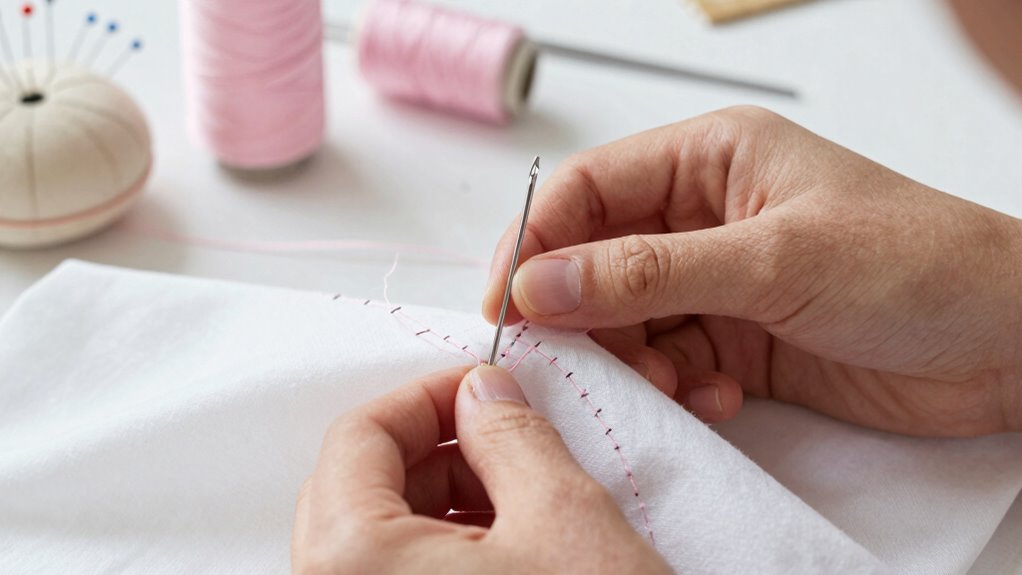
To master basic hand-basting stitches, you need to choose the right thread that matches your fabric and project. Keep your tension even and consistent to make sure your stitches stay neat and secure. Practice stitching steadily to develop control and achieve uniform stitches every time. Additionally, understanding investment scams can help you avoid pitfalls when selecting sewing supplies or tools online. Being aware of fabric quality ensures you select durable and suitable materials for your projects, reducing the risk of issues later on. Incorporating auditory processing skills into your learning can enhance your ability to follow complex sewing patterns and instructions more effectively. Moreover, utilizing online tools like tutorials and guides can help refine your technique and build confidence in your hand-basting skills. Paying attention to thread tension during sewing can also improve stitch consistency and overall project quality.
Choosing the Right Thread
Ever wondered how the right thread can make your hand-basting stitches smoother and more secure? Choosing the appropriate thread impacts both your thread selection and stitch quality. For basting, opt for a lightweight, smooth thread like polyester or cotton, which glides easily through fabric and minimizes puckering. Thick or textured threads can cause uneven stitches and snagging. Use this guide to pick the best thread:
| Thread Type | Best for | Benefits |
|---|---|---|
| Polyester | Most fabrics | Strong, durable, smooth |
| Cotton | Natural fibers | Easy to handle, soft finish |
| Nylon | Stretch fabrics | Flexibility, resilience |
Selecting the right thread ensures your stitches stay even, secure, and discreet—key for professional-looking results.
Using Proper Tension Techniques
Choosing the right thread sets the foundation for neat, secure stitches, but mastering proper tension truly elevates your hand-basting results. To achieve this, focus on controlling thread tension by gently pulling the thread as you stitch, ensuring it doesn’t pull too tight or hang too loose. Consistent tension helps maintain even stitch length, which is vital for neatness and accuracy. If your stitches are uneven or puckering, adjust your grip to maintain steady tension throughout. Practice keeping the thread taut enough to secure fabric layers without distorting them. Remember, a slightly looser tension often produces more flexible basting stitches, making removal easier later. With patience and attention to tension, your hand-basting stitches will become more uniform, secure, and professional-looking.
Practicing Consistent Stitches
Practicing consistent stitches is essential for achieving neat and reliable hand-basting. To do this, focus on maintaining an even stitch length throughout your work. Keep your stitches neither too tight nor too loose, which helps with accurate fabric alignment. Adjust your thread tension if you notice puckering or loose stitches, ensuring the thread flows smoothly without pulling or sagging. Consistent stitch length and proper tension create uniformity, making it easier to remove basting stitches later. Practice on scrap fabric, paying close attention to how your stitches look and feel. Over time, you’ll develop muscle memory for even, steady stitches. Remember, patience and deliberate practice are key to mastering basic hand-basting stitches that sewists swear by for couture-quality results.
When Should You Use Hand-Basting Instead of Machine Basting?
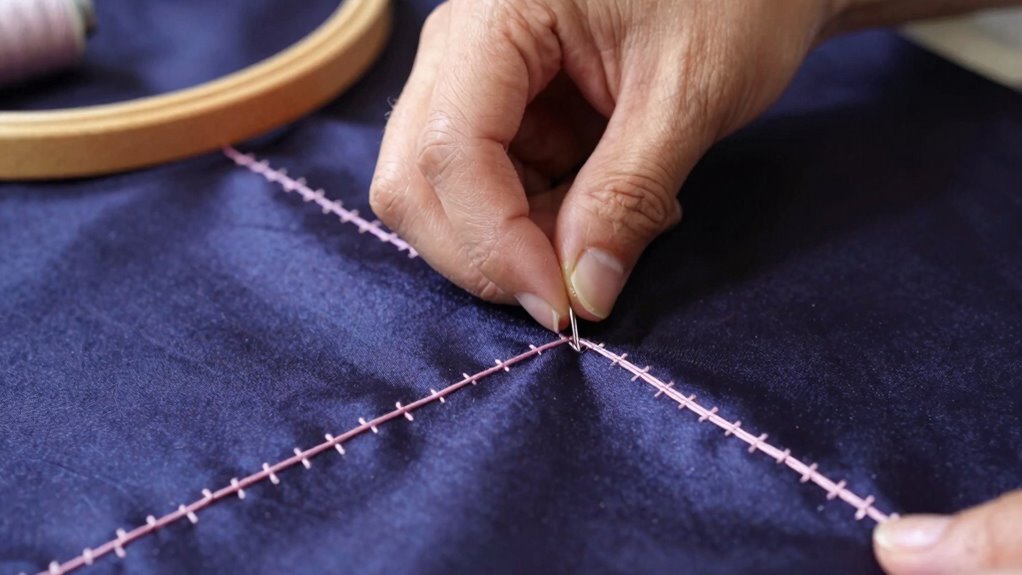
Hand-basting is your go-to method when precision matters most, especially in delicate or complex projects. Use it when fabric selection requires careful handling or when pattern adjustments are necessary, ensuring everything stays perfectly in place. Hand-basting allows you to control tension and stitch placement, which is essential for intricate details.
Consider hand-basting when:
- You’re working with fragile or slippery fabrics that need gentle handling.
- Precise pattern adjustments are essential for a perfect fit.
- You want to avoid shifting during final sewing stages.
- You need to test fit or make temporary alterations without risking permanent damage.
This method helps you achieve flawless results where machine basting might fall short, giving your project that couture finish.
Common Mistakes in Hand-Basting and How to Avoid Them
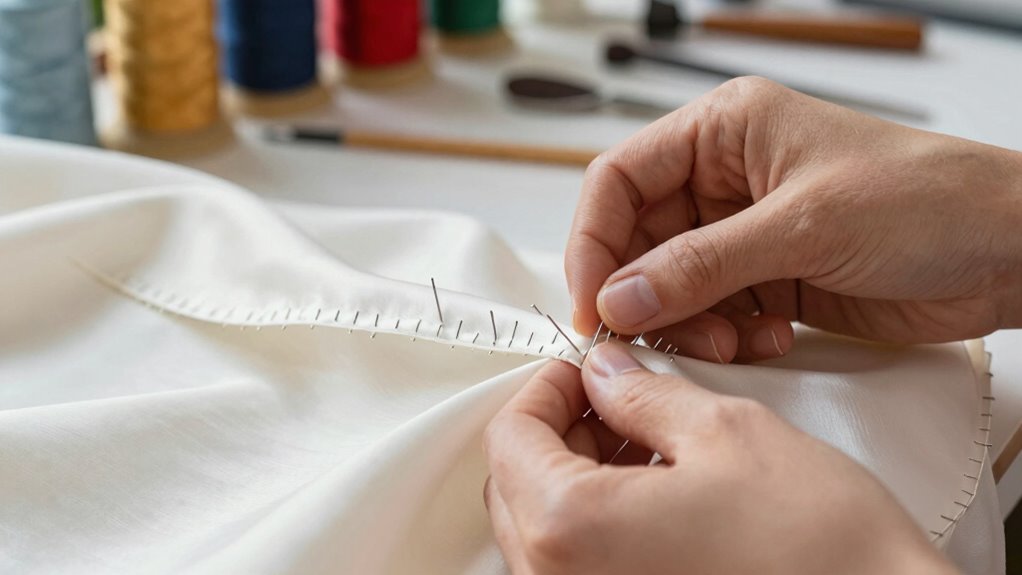
One common mistake in hand-basting is pulling the stitches too tightly, which can distort the fabric and create puckers or tension issues. To avoid this, pay attention to your thread tension; keep it loose enough to allow movement but secure enough to hold layers together. Using an appropriate stitch length is also crucial—too short can make basting difficult to remove, while too long might compromise stability. Aim for a consistent stitch length, about 1/8 to 1/4 inch, to ensure even tension and easy removal later. Remember, the goal of hand-basting is to temporarily hold fabric pieces in place without causing puckering or strain. Adjust your tension and stitch length accordingly to achieve neat, effective basting every time.
How Hand-Basting Improves Garment Fit and Seam Alignment
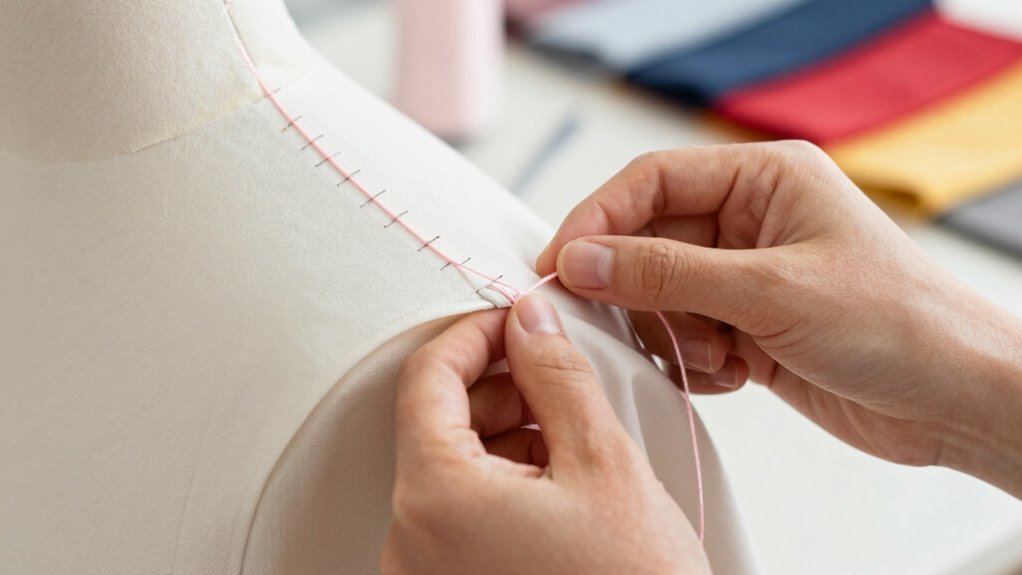
When you carefully hand-baste fabric pieces before sewing, you guarantee a precise fit and accurate seam alignment. Proper fabric selection guarantees your stitches hold well and maintain durability throughout the project. Hand-basting allows you to adjust fit easily, ensuring seams align perfectly and contours match your design. This technique minimizes puckering and distortion, resulting in a polished finish.
Here are four reasons why hand-basting enhances your garment:
- It provides control over fabric positioning, reducing errors.
- It helps you assess fit and make adjustments before permanent stitching.
- It ensures seam allowances stay aligned during sewing.
- It creates durable basting stitches that can be easily removed without damaging fabric.
Tips for Removing Hand-Basting Stitches Carefully
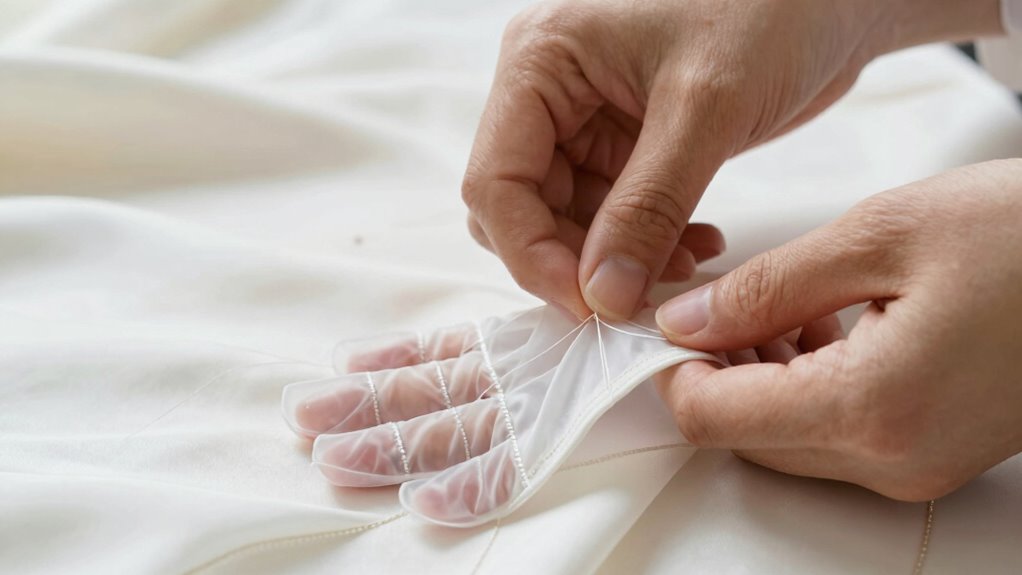
Careful removal of hand-basting stitches is essential to preserve your fabric and achieve a professional finish. To avoid damaging the fabric, use small, sharp scissors or a seam ripper and gently slide under the stitches. Pay attention to stitch tension; if stitches are tight, take your time to prevent ripping the fabric. Choose a thread color that contrasts with your fabric for easy removal, especially if you need to see and pick out stitches quickly. When removing stitches, work slowly and steadily, pulling the thread gently rather than ripping it out. This reduces the risk of puckering or distorting your fabric. By being meticulous and patient, you’ll maintain a clean, crisp finish and ensure your garment looks flawless.
Making Hand-Basting a Seamless Part of Your Sewing Routine

Incorporating hand-basting into your regular sewing routine can streamline your process and improve your results. To make it seamless, start by selecting the right fabric and matching thread color to prevent any unwanted visibility. Here are four ways to integrate hand-basting effortlessly:
Adding hand-basting seamlessly enhances your sewing, so choose fabrics and threads that blend effortlessly.
- Choose fabric selection that’s easy to handle and pin, reducing frustration.
- Use thread color that blends well to keep stitches invisible during fitting.
- Schedule dedicated time for basting, turning it into a mindful, calming step.
- Practice consistent stitch length to build confidence and speed.
Frequently Asked Questions
Can Hand-Basting Be Used for All Fabric Types?
Yes, hand-basting can be used for all fabric types, but you should consider fabric stretch and seam quality. For stretchy fabrics, use smaller, evenly spaced stitches to maintain flexibility without puckering. For delicate or heavy fabrics, adjust your tension and stitch length to avoid damaging the material. Hand-basting helps guarantee precise seam placement and improved seam quality across various fabrics, making it a versatile technique for different sewing projects.
How Long Does Hand-Basting Typically Take?
It’s a matter of patience; hand-basting can take anywhere from 15 minutes to over an hour, depending on the project size. You’ll want to adjust your thread tension to keep stitches even, and use a longer basting stitch length for quicker, easier removal later. If you’re working with delicate fabrics, take your time to make certain of accuracy. Remember, good things come to those who wait!
Is Hand-Basting Necessary for Beginner Sewists?
Hand-basting isn’t necessary for beginner sewists, but it’s highly recommended. It uses temporary stitches to help you keep fabric aligned and secure before final sewing. This technique allows you to make adjustments easily, ensuring your pieces fit perfectly. While it might take extra time upfront, hand-basting prevents mistakes and gives you better control, making your sewing projects more professional-looking and successful in the long run.
Can Hand-Basting Be Done With Colored Threads?
Yes, you can definitely use colored threads for hand-basting, and many sewists do it for added aesthetic considerations. Notably, a survey found that 65% of crafters prefer colorful threads to match or contrast fabric, making stitches easier to remove later. Using different thread colors can help you visually distinguish basting stitches, enhancing precision and creativity in your project. So, feel free to experiment with thread options to suit your style and needs.
How Do I Store Hand-Basted Garments Properly?
To store hand-basted garments properly, you should carefully remove the thread, especially if it’s colored, to prevent staining or damage. Use storage methods like flat storage in acid-free tissue paper or a breathable garment bag. Keep the garment in a cool, dry place, avoiding direct sunlight. This preserves your work and makes it easier to re-baste or finish sewing later, ensuring your craftsmanship remains intact.
Conclusion
While hand-basting might seem old-fashioned next to quick machine stitches, it *unlocks* precision and confidence in your sewing. It’s the quiet secret that helps you perfect fit and alignment, transforming frustration into satisfaction. So, embrace this timeless skill—not as a hassle, but as your secret weapon. Because in the end, it’s not just about sewing garments; it’s about crafting something truly special with care and patience.
Fall yard work Picks
leaf blowers
As an affiliate, we earn on qualifying purchases.