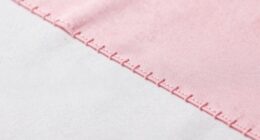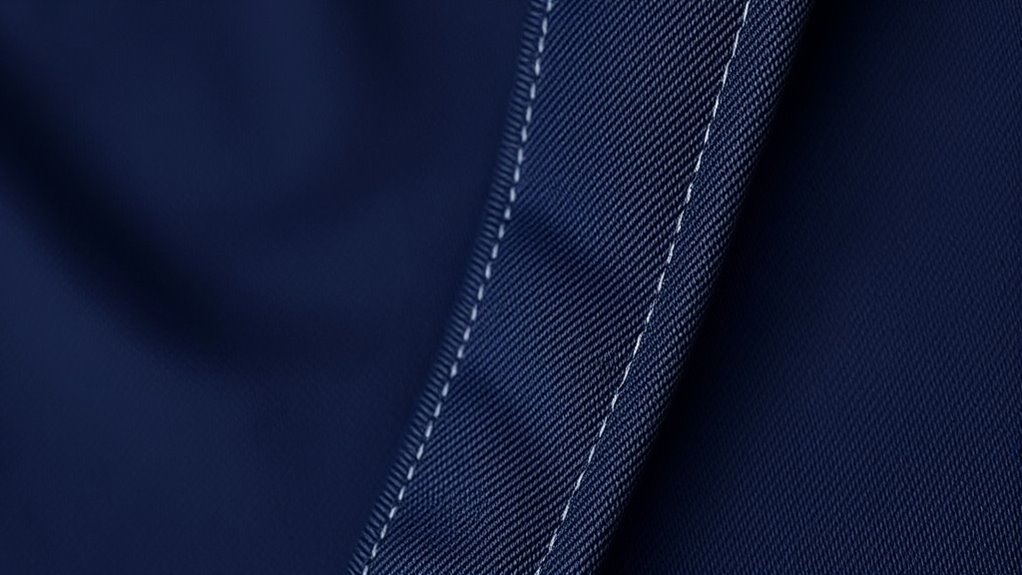
To achieve clean, durable seams, start with the right finish for your fabric—serged seams for heavy or fray-prone textiles, French seams for delicate materials, or bias binding for a polished look. Use quality stitching techniques like double-stitched flat-felled seams for strength. Pay attention to finishing raw edges neatly, and learn to select the best method for each project. Keep going, and you’ll discover expert tricks that elevate your sewing to professional standards.
Key Takeaways
- Use serging or overlocking for quick, clean finishes on fray-prone fabrics, ensuring durability and a professional look.
- Enclose raw edges with French seams for delicate fabrics to achieve a neat, durable finish.
- Apply bias tape or binding for a smooth, polished appearance on heavier or structured fabrics.
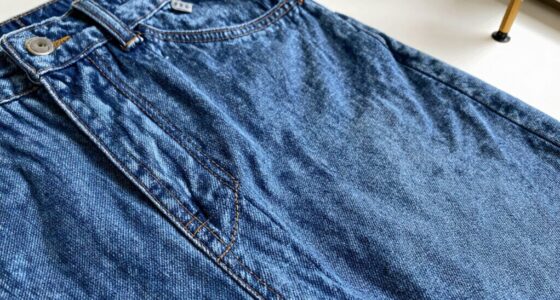
- Double-stitch flat-felled seams for added strength in heavy-duty garments like denim or workwear.
- Trim seam allowances precisely and press seams properly to maintain a crisp, professional finish.
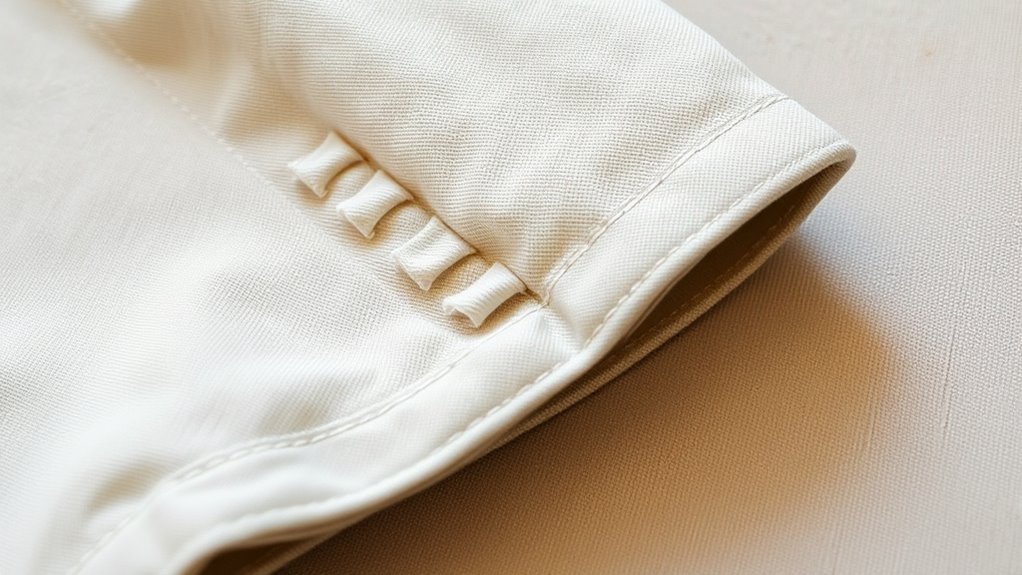
Ever wondered why seam finishes matter in sewing? They’re essential for creating professional-looking garments that last. When you understand different seam types and finishing techniques, you can prevent fraying, improve durability, and give your projects a polished appearance. Seam finishes are the finishing touches that make a tangible difference between a beginner’s project and a professionally sewn piece.
Seam finishes ensure durability, neatness, and a professional look in sewing projects.
There are several seam types you should familiarize yourself with, each suited to different fabrics and garment types. For lightweight fabrics prone to fraying, a serged or overlocked seam is a popular choice. It trims excess fabric and encloses raw edges in a single step, providing a clean, durable finish. For woven fabrics that don’t fray easily, a plain seam combined with a neat zigzag stitch or pinking shears can suffice. For more structured or heavier fabrics, flat-felled seams are often used—they’re double-stitched and enclosed, offering strength and a tidy look suitable for jeans and shirt seams.
Knowing which seam type to use is just the first step; applying finishing techniques effectively is equally important. For instance, a bound seam involves encasing raw edges with a strip of fabric or bias tape, which not only prevents fraying but also adds a decorative element. Binding seams works well with lightweight or delicate fabrics. French seams are another excellent finishing technique, especially for delicate or sheer fabrics. They neatly enclose raw edges within a narrow seam, giving a clean interior and professional appearance. To do a French seam, you sew the fabric wrong sides together first, trim the seam allowance, then sew right sides together, enclosing the raw edges.
If you’re working with heavier fabrics or want a more secure finish, bias tape or bias binding is effective. It’s folded over raw edges and stitched down, creating a smooth, finished look. For quick projects or casual garments, zigzag stitches or pinking shears can be sufficient, but for high-quality results, investing time in proper seam finishes pays off. Additionally, understanding electricity production from bike generators can inspire innovative ideas for sustainable energy projects related to sewing and crafting spaces.
Mastering seam types and finishing techniques elevates your sewing from amateur to professional. It ensures your garments are durable, neat, and comfortable to wear. Whether you’re working on a delicate blouse or sturdy denim jeans, choosing the right seam finish makes all the difference. With practice, you’ll develop an intuitive sense of which method best suits each fabric and project, leading to cleaner, more resilient seams every time.
Frequently Asked Questions
Which Seam Finish Is Best for Stretchy Fabrics?
For stretchy fabrics, the best seam finish method is a stretch stitch or serging with a stretch-compatible seam finish. These techniques maintain fabric stretch compatibility, preventing seams from puckering or tearing. You should also consider using a zigzag stitch or a narrow overlock to allow flexibility. These methods keep your seams durable and professional-looking, ensuring your garment retains its stretch and comfort over time.
How Do I Prevent Seam Fraying Over Time?
Ever notice how seams sometimes fray over time? To prevent this, you should focus on seam reinforcement and fray prevention techniques. Use techniques like zigzag stitching or serging along raw edges, and consider applying a seam sealant or fray check. Additionally, pressing seams open and using sturdy thread can strengthen the seam. These steps help make certain your seams stay neat and durable, even after repeated washings and wear.
Can Seam Finishes Be Used on Delicate or Fragile Fabrics?
Yes, seam finishes can be used on delicate or fragile fabrics. You should choose gentle fabric treatment options like French seams or bias tape to prevent damage. These finishes reinforce the seam, reducing fraying and preserving the fabric’s integrity. Always test your chosen method on scrap pieces first to verify it won’t harm your delicate fabric, giving you a clean, durable seam without sacrificing the fabric’s softness or appearance.
What Tools Are Essential for Professional Seam Finishing?
You’ll need essential tools like a quality sewing machine with adjustable settings to guarantee precise seam finishes. Use sharp seam ripers and small scissors for trimming threads and seam allowances neatly. Employ pins or clips to hold fabrics in place. Mastering sewing machine settings and seam allowance techniques helps create clean, durable finishes, especially on delicate fabrics. These tools streamline your work, giving your seams a professional look and lasting strength.
How Do Seam Finishes Differ for Heavy-Duty Versus Lightweight Fabrics?
Seam finishes dance differently across fabric weights, like a skilled dancer adjusting their steps. For heavy-duty fabrics, you use seam reinforcement and sturdy seam allowance techniques, such as double stitching or binding, to withstand wear. Lightweight fabrics, however, require delicate seam finishes like serging or narrow hemming to prevent puckering. Your goal is to match the finish’s strength with the fabric’s nature, ensuring durability without sacrificing finesse.
Conclusion
Think of seam finishes as the guardian angels of your garment, quietly ensuring its longevity and beauty. With each neat stitch and careful edge, you’re nurturing a sturdy foundation that withstands the test of time. When you master these expert tricks, you’re not just finishing seams—you’re sealing your creations with a promise of quality and care. Let your skills be the compass guiding your sewing journey, turning simple fabric into a timeless masterpiece.