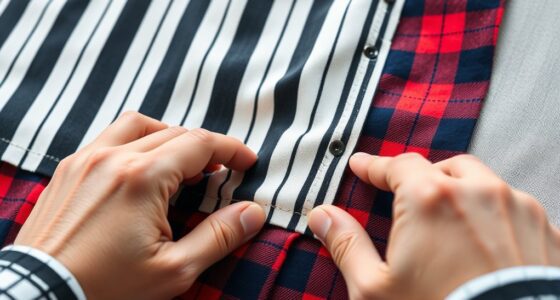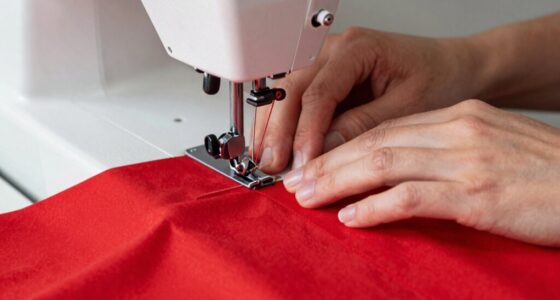
To instantly improve seam accuracy, use a seam gauge or ruler to mark your seam allowance precisely before sewing. Carefully align your fabric edges and draw or pin the desired allowance, ensuring consistency across your project. Double-check measurements and stay aligned with the grain line to avoid distortion. Following this simple hack helps create neat, professional seams every time. Keep exploring, and you’ll discover even more tips for perfecting your sewing skills.

Get tools and workshop supplies delivered free — and shop member deals
- Fast, free delivery on millions of items
- Access to Prime Big Deal Days deals on October 6–7
- Prime Video, Amazon Music and more included
Key Takeaways
- Use a seam guide or ruler to mark a consistent seam allowance line before sewing.
- Double-check measurements with a reliable seam gauge to ensure accuracy.
- Pin fabric edges precisely along the marked seam allowance to prevent shifting during sewing.
- Sew closely along the marked line, maintaining consistent stitch width for uniform seams.
- Regularly verify seam allowances across projects to develop consistency and improve overall accuracy.
As an affiliate, we earn on qualifying purchases.
Why Seam Allowance Matters for a Professional Finish
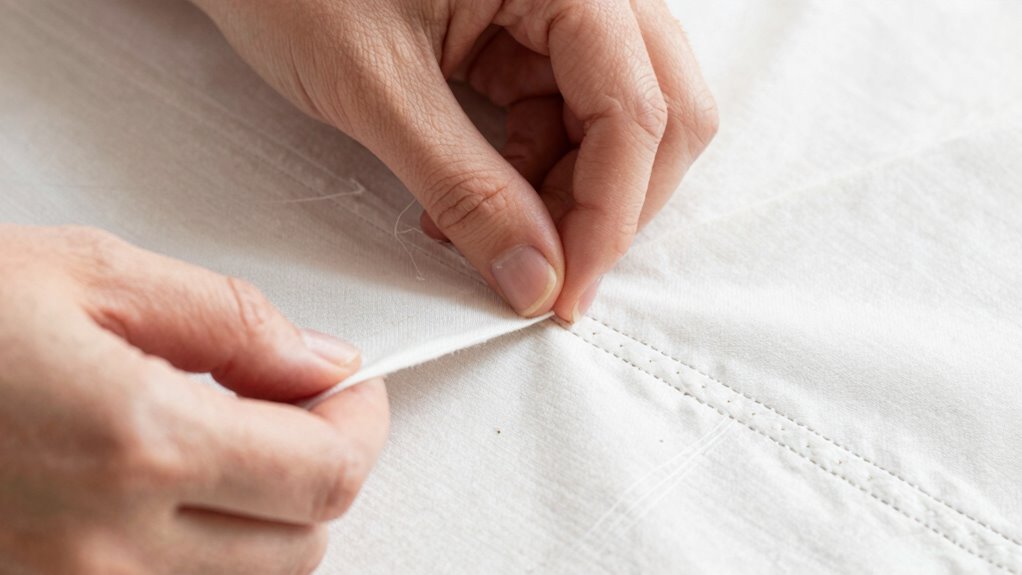
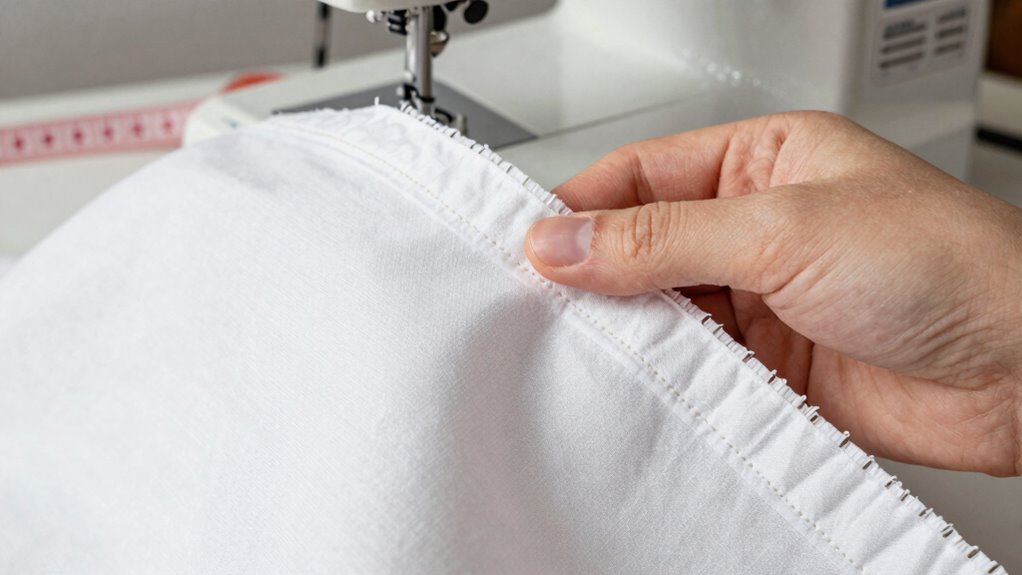
A well-chosen seam allowance is essential for achieving a professional finish on your garments. Seam allowance techniques influence how clean and durable your seams look, directly impacting the overall quality. When you select the right seam allowance, you ensure that your fabric edges are properly enclosed, which helps prevent fraying and unraveling over time. Proper fabric edge finishing, such as zigzag stitching or pinking shears, works best when combined with an appropriate seam allowance. Too narrow a seam can make seams fragile, while too wide can add unnecessary bulk. Mastering seam allowance techniques allows you to control seam strength and appearance, giving your finished garment a polished, professional look that lasts. Additionally, understanding how materials and engineering contribute to seam durability can further enhance your sewing results, especially when considering fabric properties and their effect on seam integrity. Recognizing the importance of seam consistency helps achieve uniformity and precision in your sewing projects. Paying attention to seam allowance measurement can also streamline your sewing process and improve accuracy. For example, using accurate seam measurements helps maintain consistency across multiple garments, ensuring a more professional overall finish.
How to Choose the Right Seam Allowance for Your Project

Choosing the right seam allowance depends on your project’s purpose, fabric type, and desired finish. For lightweight fabrics like chiffon or silk, a narrower seam allowance (around 1/4 inch) helps reduce bulk and keeps seams neat. Heavier fabrics such as denim or canvas often require a wider allowance (up to 1/2 inch or more) for durability. Use seam allowance tools, like rulers or guides, to measure accurately and maintain consistency. Consider the finish you want—if you plan to serge or zigzag, a standard 1/4 to 3/8 inch might suffice. Always adjust based on fabric behavior and project complexity. Choosing the right seam allowance ensures your seams are strong, neat, and tailored to your fabric type, making your finished project look professional. Additionally, understanding Youngster Choice can help you make better fabric and project selections for your sewing endeavors.
Step-by-Step: Applying the Seam Allowance Hack
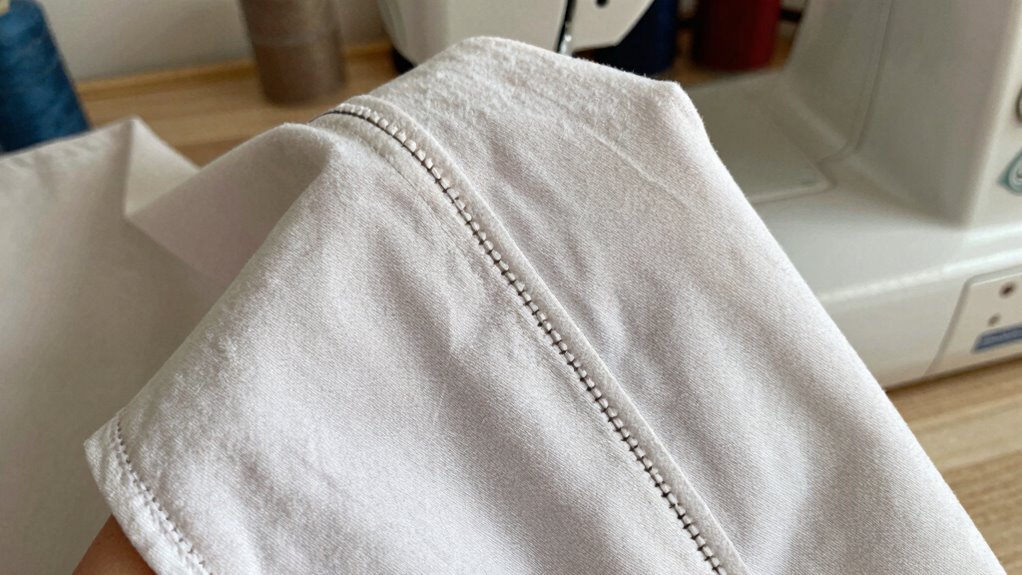
To apply the seam allowance hack effectively, start by marking the seam line on your fabric using a fabric chalk or washable marker. This helps you visualize the exact seam allowance measurement you’ll be working with. Next, align your pattern or fabric edges carefully, ensuring fabric stability, so your measurements stay accurate during sewing. Use a ruler or seam guide to draw or pin the seam allowance at the desired width, maintaining consistency across your project. When sewing, keep the fabric steady and follow your marked line closely. This method reduces errors caused by uneven seam allowances and enhances overall accuracy. By paying attention to fabric stability and precise measurement, you’ll achieve cleaner, more professional-looking seams every time. Proper measurement is essential for consistent results in sewing projects.
Common Mistakes to Avoid When Adjusting Seam Allowance
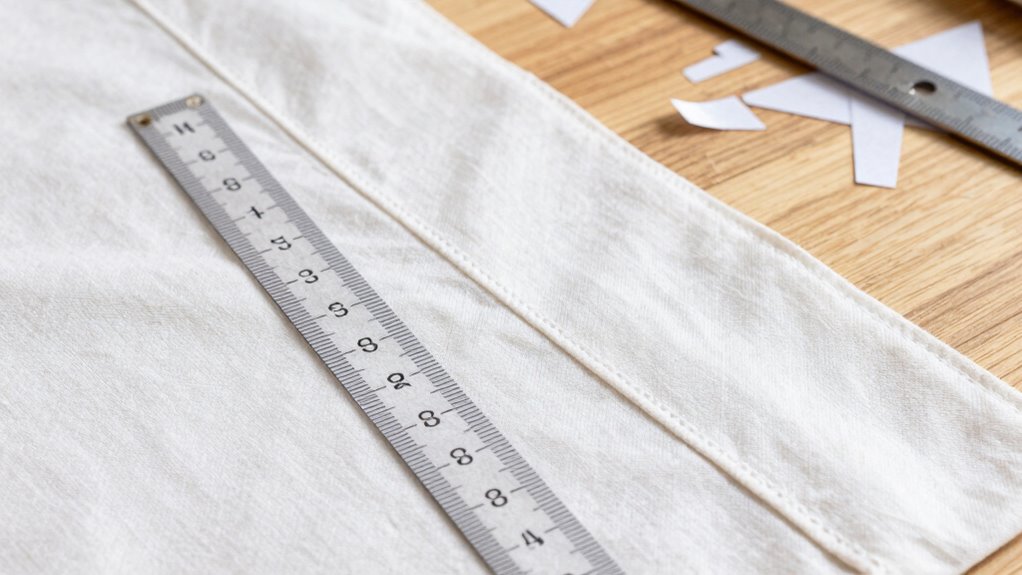
One common mistake when adjusting seam allowances is not double-checking your measurements before sewing. Rushing this step can lead to errors that are hard to fix later. Always use a seam ripper to carefully undo any incorrect stitches instead of forcing the fabric, which might distort the fabric grain. Ignoring the grain line can cause fabric to stretch or distort, affecting the final fit. When adjusting seam allowances, measure accurately and mark clearly, ensuring consistency across pattern pieces. Skipping these checks increases the risk of misaligned seams and uneven edges. Remember, precision at this stage saves time and effort, preventing mistakes that could compromise your project’s accuracy. Take your time to verify your measurements and maintain the fabric grain for a professional, polished finish. Paying attention to seam allowance precision can make all the difference in achieving a clean, professional look. Additionally, utilizing proper fabric stabilization techniques can help maintain accuracy throughout the sewing process.
How to Keep Seam Allowances Consistent Across Projects
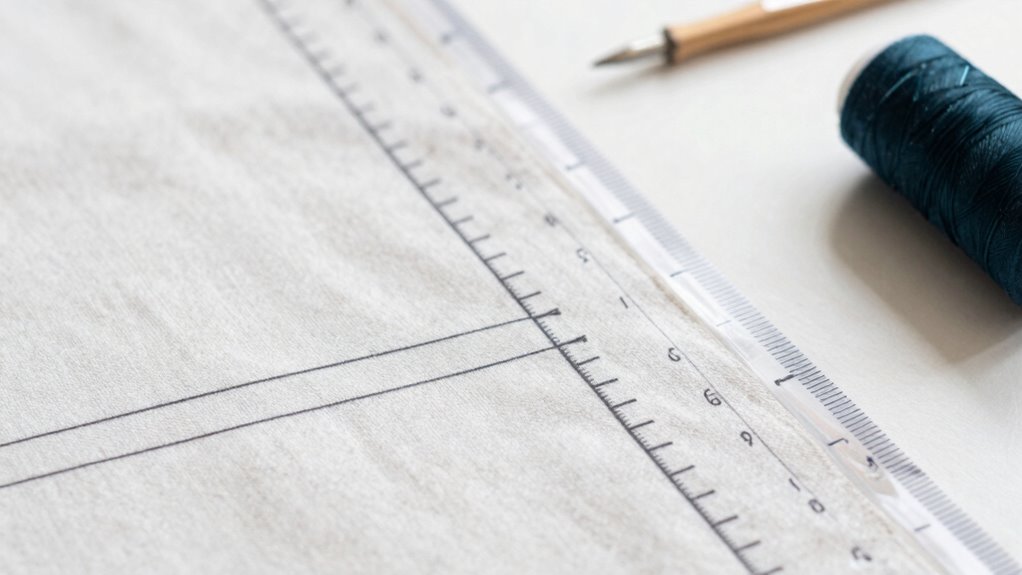
Maintaining consistent seam allowances across projects guarantees your garments fit and look professional every time. To do this, always align your fabric grain with your seam gauge to ensure accuracy. Before sewing, double-check that your fabric is properly aligned, as shifting the grain can affect seam width. Use a reliable seam gauge to mark a consistent seam allowance, keeping it uniform across all pieces. Set your seam gauge to your desired measurement and stick to it for every project. Consistently referencing the grain line helps prevent errors and uneven seams. Developing this habit also ensures your sewing projects are more precise, leading to cleaner, more professional finishes every time you sew. Additionally, understanding the importance of accurate measurements can be reinforced by paying attention to contrast ratio, which affects the clarity and depth of your finished garment’s appearance. Being aware of free floating fabric techniques can also help you better manage fabric layers and achieve smoother seams. Incorporating seam allowance standards into your sewing routine further enhances your accuracy and consistency, just like following trusted practices in Gold IRA markets ensures reliable investing results.
Frequently Asked Questions
Can This Hack Be Used With All Types of Fabrics?
Yes, you can use this hack with most fabrics, but be mindful of fabric stretch and seam durability. For stretchy fabrics, it helps prevent seams from puckering or breaking. However, with delicate or easily frayed materials, you might need to adjust your seam allowance or reinforce the seams. Always test on scraps first to verify your technique maintains the fabric’s integrity and keeps the seams strong and durable.
What Tools Are Needed to Implement This Seam Allowance Hack?
Imagine holding a simple ruler and a marking tool in your hands, ready to perfect your seams. To implement this hack, you mainly need a clear ruler or seam gauge, a fabric marking pen, and your sewing machine. Keep your sewing machine well-maintained for smooth stitching. When selecting fabric, consider the type and weight, ensuring it suits your project. These tools make your sewing more precise and enjoyable.
How Does Seam Allowance Impact Garment Fit and Comfort?
Seam allowance directly impacts garment fit and comfort by ensuring seam accuracy, which is essential for a smooth, professional finish. When you maintain proper seam allowances, you prevent bunching or gaps that can cause discomfort or poor fit. Accurate seam allowances help you sew precisely, leading to better fit improvement, and make adjustments easier. Ultimately, paying close attention to seam allowances enhances both the look and comfort of your finished garment.
Is This Method Suitable for Beginner Sewists?
Yes, this method is suitable for beginner sewists. It helps you stay precise, even if your sewing speed varies or your fabric stretch is unpredictable. By focusing on accurate seam allowances, you’ll gain confidence and improve your skills faster. It’s simple to implement and doesn’t require advanced techniques, making it perfect for those just starting out. Plus, it makes sewing more enjoyable and less frustrating.
How Can I Modify the Hack for Curved or Complex Seams?
To modify the hack for curved or complex seams, you should use curved seam techniques like pinning carefully and sewing slowly along the curves. For complex seam adjustments, consider marking your seam lines precisely and using tailor’s chalk or fabric marking tools. You can also add extra seam allowances at tricky areas to help with accuracy. Practicing these methods will give you smoother, more precise curved and complex seams every time.
Conclusion
So, who knew that a tiny seam allowance hack could make such a difference? It’s almost funny how something so simple can instantly boost your accuracy and give your projects that professional finish. Next time you’re tempted to overlook seam allowances, remember—sometimes, the smallest tweaks make the biggest impact. Who would’ve thought that a little extra precision could turn your sewing from okay to extraordinary? Happy sewing, and don’t underestimate the power of the seam allowance!
Halloween Picks
halloween
As an affiliate, we earn on qualifying purchases.