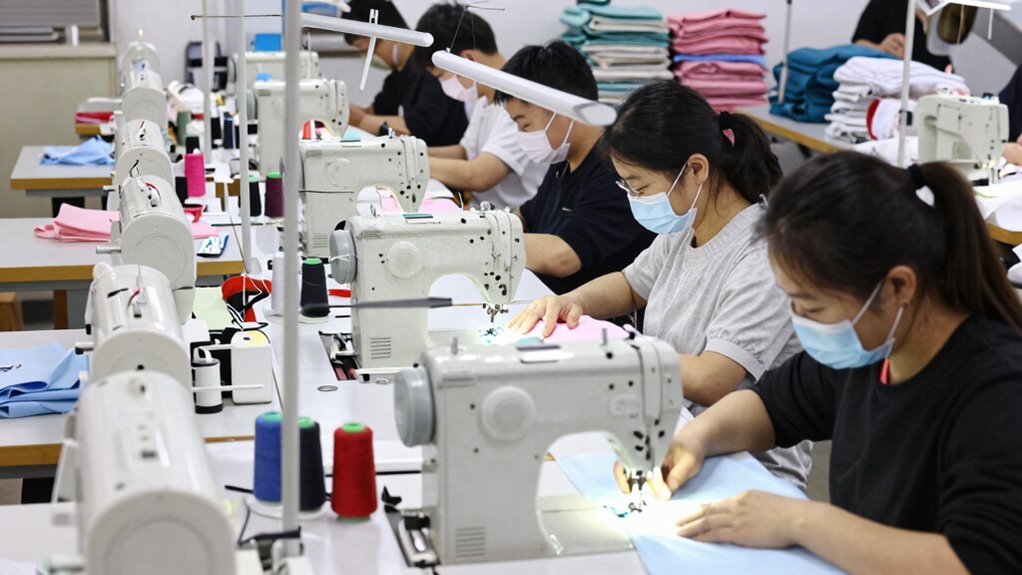

Sewing in batches works better for certain projects because it streamlines your workflow, minimizes downtime, and keeps your fabric and machine settings consistent. By gathering all materials beforehand and working on similar tasks together, you can reduce switch-over time and avoid mistakes caused by changing fabrics or adjusting settings repeatedly. This approach not only boosts efficiency but also helps create more uniform results. Stick with it, and you’ll discover even more ways to elevate your sewing process.

Get business pricing on tools and workshop supplies
- Business-only prices and quantity discounts
- Tax-exempt purchasing
- Multiple users, one account, clear invoices
Key Takeaways
- Sewing in batches minimizes tool and fabric changes, reducing downtime and increasing overall efficiency.
- It ensures consistent machine settings and fabric matching, leading to uniform project quality.
- Batching streamlines workspace setup, saving time and reducing clutter across multiple projects.
- It prevents errors caused by frequent adjustments, resulting in smoother, more reliable sewing outcomes.
- Working in batches makes the process more organized and enjoyable by reducing interruptions and frustrations.
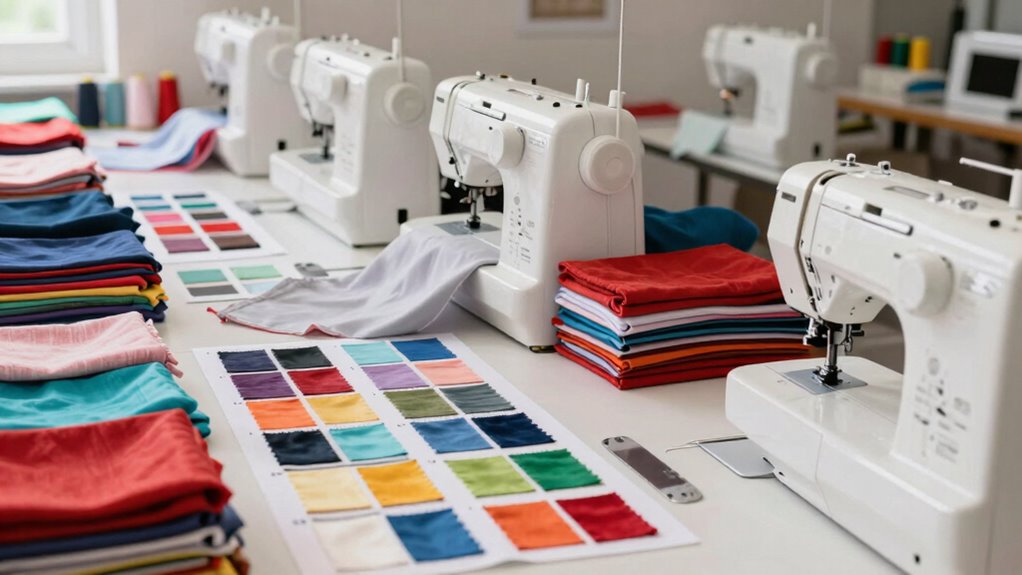
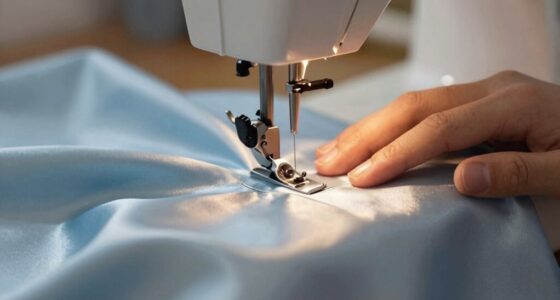
Sewing in batches is a smart way to increase efficiency and save time when working on multiple projects. When you approach your sewing tasks this way, you minimize the downtime caused by switching tools, adjusting machine settings, or changing fabrics. Instead of starting and stopping repeatedly, you can focus on completing groups of similar tasks, which streamlines your workflow. This approach is especially effective when you’re sewing multiple items that require the same techniques or materials, making your sewing sessions more productive and less frustrating.
One of the key reasons batching works so well is that it allows you to plan ahead, which improves your fabric selection process. When you gather all your fabrics for similar projects beforehand, you avoid the chaos of searching for the right materials mid-project. This preparation not only saves time but also helps you match fabrics more thoughtfully, ensuring consistency in color, texture, and quality. Plus, when you’re working with similar fabrics, you can adjust your machine settings once and keep them steady across all projects, reducing the need for constant readjustments. This stability in machine maintenance prolongs the lifespan of your sewing machine and keeps it running smoothly.
Batching fabrics streamlines your workflow, ensures consistency, and reduces machine adjustments for more efficient sewing sessions.
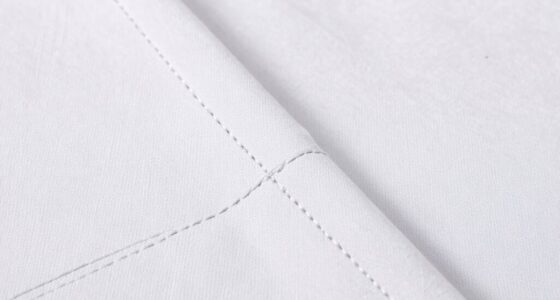
Focusing on like fabrics also means you’re less likely to encounter issues such as tension problems or uneven stitches, which can happen when switching between different fabric types. For instance, sewing lightweight cotton and heavy denim on the same machine without adjusting settings can cause skipped stitches or inconsistent seams. When you batch similar fabrics, you set your machine correctly from the start and avoid these common pitfalls, making the entire process more efficient.
Additionally, sewing in batches allows you to streamline your workspace. You can set up your cutting table, gather all necessary notions, and prepare your workspace once. This reduces the clutter and setup time that often interrupts individual project work. Over time, this consistency improves your technique, as you become more familiar with how your machine behaves with specific fabrics and settings. It also helps you maintain your machine better because you’re less likely to neglect regular machine maintenance, leading to fewer unexpected breakdowns. Recognizing the importance of consistent machine maintenance helps ensure all these benefits are maximized over time. Incorporating machine settings adjustments into your batching process can further optimize your workflow and reduce errors.
Furthermore, understanding and practicing fabric management enhances your ability to execute multiple projects efficiently, especially when working with similar materials. Ultimately, sewing in batches is about working smarter, not harder. When you organize your projects around fabric selection and machine maintenance, you cut down on wasted effort and produce better, more uniform results. Plus, you’ll find that your sewing process becomes more enjoyable because you spend less time troubleshooting and more time creating. Recognizing the importance of consistent machine maintenance helps ensure all these benefits are maximized over time.
As an affiliate, we earn on qualifying purchases.
Frequently Asked Questions
Can Sewing in Batches Save Money on Supplies?
Yes, sewing in batches can save you money on supplies. When you sew in bulk, you can choose fabric selection more efficiently, often buying larger quantities at a lower cost. Plus, your sewing speed increases as you get into a rhythm, reducing waste and unnecessary trips to the store. This focused approach helps you make the most of your materials and budget, ultimately saving you money on your projects.
How Do I Organize a Batch Sewing Project Efficiently?
To organize a batch sewing project efficiently, start by selecting your fabric early, considering color and texture for consistency. Plan your sewing timeline by breaking tasks into stages—cutting, sewing, finishing—and allocate specific time blocks. Gather all supplies beforehand, and set up your workspace to minimize interruptions. Keep track of progress with a checklist, ensuring each step flows smoothly. This approach saves time, reduces mistakes, and keeps your project on schedule.
Is Batch Sewing Suitable for Complex or Detailed Projects?
You might find batch sewing less suitable for complex or detailed projects, as only about 30% of sewists prefer this method for intricate work. When handling such projects, you need careful fabric selection and extra attention to seam precision. Rushing through batches can compromise quality, so it’s better to focus on smaller sections at a time. This way, you guarantee precision and maintain the integrity of your detailed design.
How Do I Handle Mistakes Across Multiple Items?
To handle mistakes across multiple items, you should review each piece carefully, focusing on quality consistency. When you find errors, correct them promptly to prevent repeating the same mistake. Keep your work organized, maybe by marking or separating flawed pieces. This approach helps manage mistakes efficiently, guarantees uniform quality, and saves time. Regularly inspecting your work during batch sewing maintains high standards and minimizes the impact of errors on the final products.
What Tools Are Essential for Batch Sewing?
Think of your tools as the heartbeats of your creative rhythm. For batch sewing, you need sharp fabric scissors to cut efficiently, a reliable sewing machine for consistent stitches, and clear pattern guides to keep your fabric selection aligned. Use pins or clips to secure layers and marking tools to guarantee precision. Mastering sewing techniques with these essential tools helps you stay organized, reduces errors, and brings your sewing batch to life with confidence.
Conclusion
Sewing in batches often feels like a coincidence—you start one project, and suddenly, you’re finishing multiple items faster than you expected. It’s no accident that this method works so well; it’s about efficiency and momentum. Once you get into the rhythm, everything aligns perfectly, making the process almost effortless. So next time you find yourself sewing, consider batching your projects—you might just discover that success is a happy coincidence waiting to happen.
Fall yard work Picks
leaf blowers
As an affiliate, we earn on qualifying purchases.