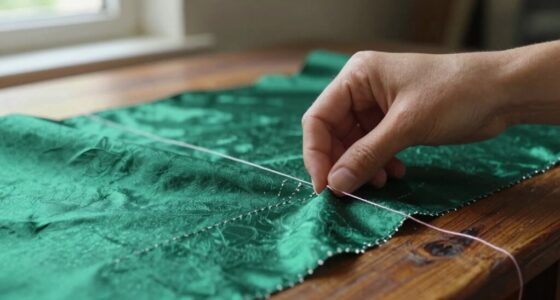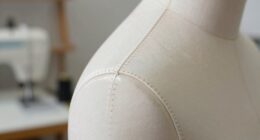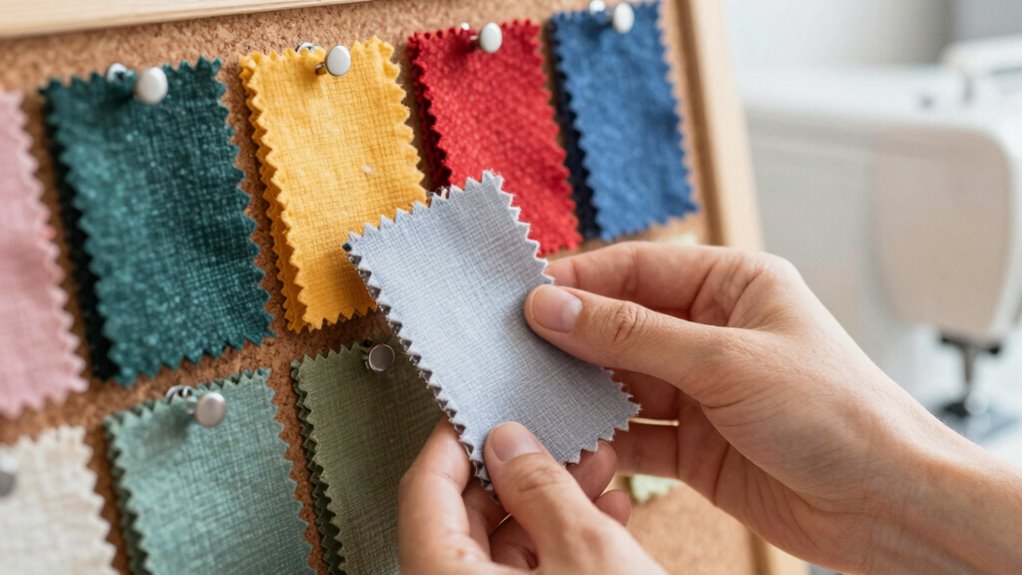

To avoid big sewing mistakes, start by using sample swatches to test fabric texture, color, and behavior before cutting into your main fabric. Handle the swatches to see how they drape, stretch, or respond to sewing techniques. Experiment with different stitches and seam finishes to find what works best. This way, you can make informed decisions and reduce surprises later. Keep going to discover more tips for ensuring your project turns out perfectly.

Get tools and workshop supplies delivered free — and shop member deals
- Fast, free delivery on millions of items
- Access to Prime Big Deal Days deals on October 6–7
- Prime Video, Amazon Music and more included
Key Takeaways
- Test different sewing techniques on small swatches to identify the most effective method for each fabric type.
- Evaluate fabric texture and drape using swatches to choose the best material for your project.
- Check how fabrics respond to stitching and handling to prevent surprises during main construction.
- Use color and texture comparisons of swatches to ensure fabric harmony and avoid mismatched choices.
- Practice sewing on samples to refine skills and reduce errors before working on the final piece.
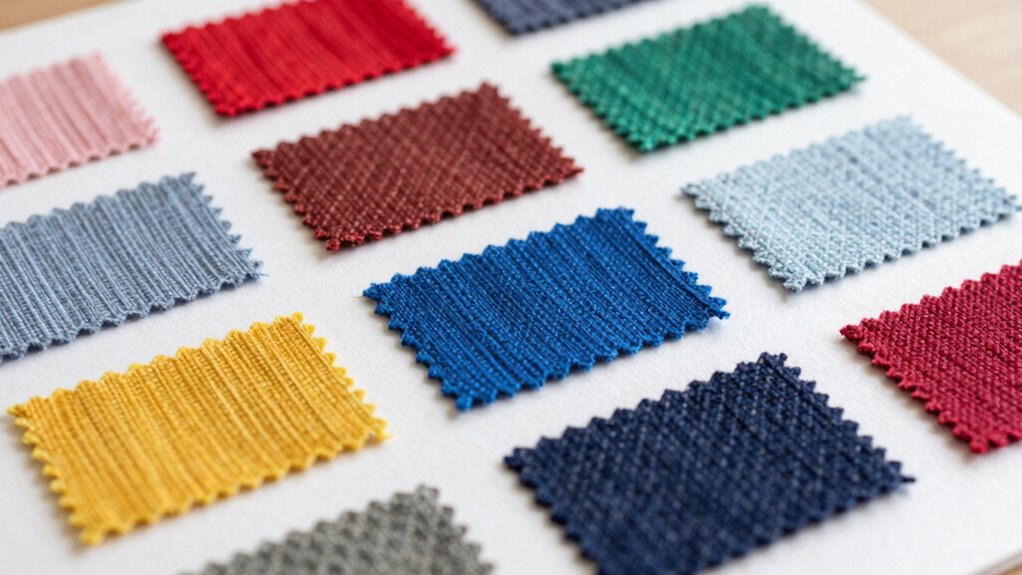
Before diving into a new sewing project, using sample swatches can save you from costly mistakes. When you’re selecting fabric, it’s easy to get caught up in the look and overlook important details like fabric texture and color matching. Swatches give you a tangible way to assess these aspects before committing to a large piece. You can feel the fabric texture—soft, stiff, smooth, or coarse—and decide if it suits your project’s needs. Handling small samples helps you understand how the fabric behaves when sewn, whether it drapes well or feels uncomfortable against the skin. This step prevents surprises once you start cutting into your main fabric, saving you time, effort, and money. Plus, testing fabric properties with swatches can help you better predict how your finished item will look and feel. Exploring fabric behavior through swatch testing ensures smoother sewing experiences and better final results. Additionally, experimenting with different sewing techniques on swatches allows you to refine your skills and choose the most effective methods before working on your main project. Trying out various stitch types on swatches can also help identify the best sewing methods for your fabric and project goals, reducing errors later on.
As an affiliate, we earn on qualifying purchases.
Frequently Asked Questions
What Types of Fabrics Are Best for Sample Swatches?
You should choose fabrics with similar texture and weight to your final project for sample swatches. Cotton, silk,, and polyester work well because they mimic different fabric textures, helping you assess how they behave. Opt for fabrics with the same color palette to guarantee accurate color matching. Using these types allows you to test sewing techniques, see how colors look together, and avoid mistakes before cutting into your main fabric.
How Large Should a Sample Swatch Be?
Your sample swatch should be at least 4×4 inches to accurately assess fabric texture and color matching. Larger swatches give you a better sense of how the fabric behaves and looks in real sewing conditions. This size allows you to test dye lots, see how the texture feels, and guarantee the color matches your project’s needs. Keep it small enough to handle easily but big enough for thorough evaluation.
Can Sample Swatches Predict How Fabric Behaves Over Time?
A stitch in time saves nine, they say, and testing fabric with swatches can reveal its future. While sample swatches can’t fully predict fabric longevity or textile aging, they offer valuable clues about how fabric will behave over time. By observing how a swatch responds to wear, you gain insights into its durability, helping you choose materials that stand the test of time and avoid costly mistakes later.
How Do I Store and Label My Fabric Swatches?
To store and label your fabric swatches, start with fabric organization by using small, clear plastic sleeves or a dedicated folder. Label each swatch with labeling techniques like permanent marker or printed labels, including details like fabric type, weight, and purchase date. Keep the swatches in a cool, dry place, and organize them chronologically or by fabric type. This makes it easy to reference and prevents mix-ups during your sewing projects.
Are There Digital Tools for Creating Virtual Fabric Swatches?
Yes, there are digital tools for creating virtual fabric swatches. You can use apps like Adobe Photoshop or specialized software like CLO 3D to design digital swatches. These tools let you visualize and experiment with virtual fabric options, helping you make better decisions before sewing. Using digital swatches saves time, reduces waste, and allows you to compare textures and colors easily, ensuring your fabric choices align perfectly with your project.
Conclusion
By using sample swatches, you dramatically reduce the risk of costly sewing mistakes—like trying to patch a sinking ship with a single piece of fabric. These tiny tests serve as your secret weapon, helping you perfect your technique and guarantee color and texture harmony before diving into your main project. Embrace swatches as your ultimate safeguard; they’re the tiny heroes that save you from sewing disasters that could otherwise feel as overwhelming as an ocean of chaos.
Halloween Picks
halloween
As an affiliate, we earn on qualifying purchases.