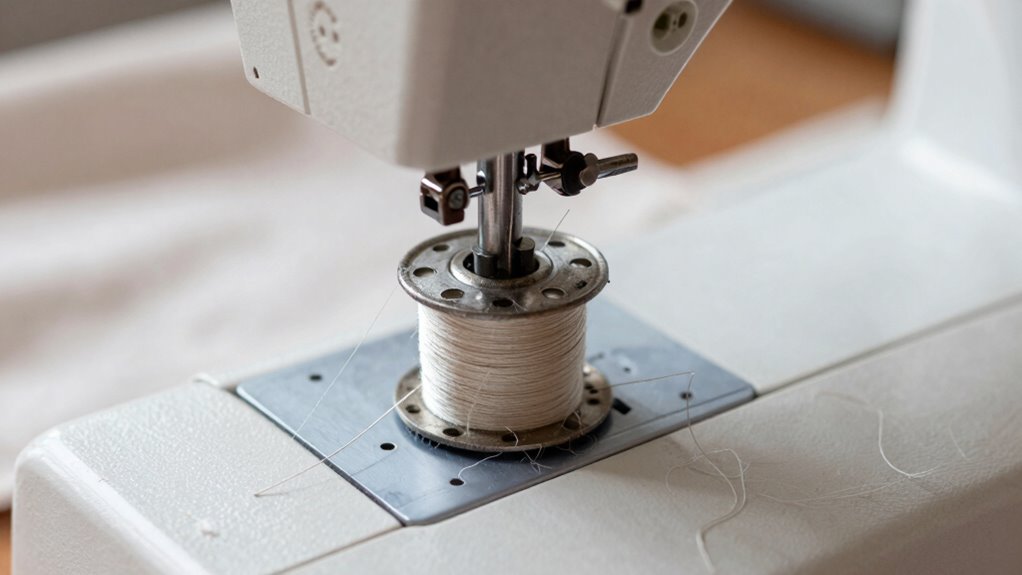
If you experience bobbin winding issues, they’re often caused by inconsistent tension, incorrect threading, or improper winding speed. Tight or loose tension can lead to uneven or slack coils, while debris in the bobbin area disrupts tension control. Using low-quality threads or not maintaining your machine also causes problems. Properly adjusting tension, threading correctly, and maintaining your machine helps prevent these issues. Keep exploring to discover more tips for flawless bobbin winding.
Key Takeaways
- Inconsistent tension and improper threading can cause uneven or loose bobbin winding.
- Excessive winding speed increases thread slippage and risk of breakage.
- Debris and lint in the bobbin area disrupt tension and affect winding quality.
- Using low-quality or mismatched thread leads to breakage and uneven layers.
- Regular maintenance and proper tension adjustment ensure smooth, even winding.
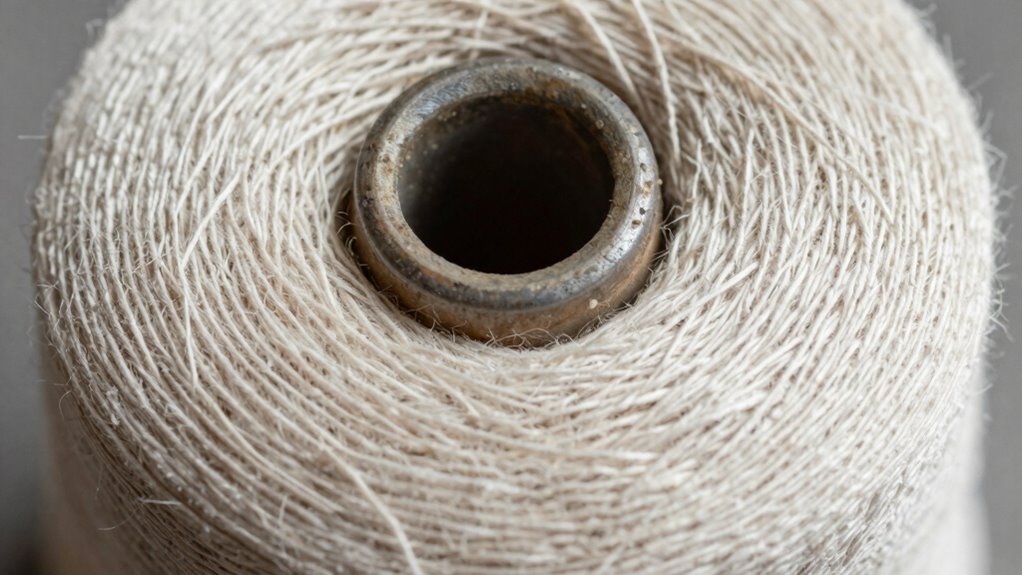
Have you ever experienced thread breakage or uneven winding while working with your sewing machine? If so, you’re not alone. These issues often stem from problems with how the bobbin is wound, and understanding the causes can help you troubleshoot effectively. One common culprit is inconsistent thread tension during winding. When the thread tension isn’t properly adjusted, the thread can wind unevenly onto the bobbin, leading to problems during sewing. Too tight, and the thread may snap or cause uneven winding; too loose, and the bobbin may not wind tightly enough, resulting in slack or loose coils. Ensuring the tension is correctly set before winding helps create a smooth, even thread layer on the bobbin, which translates into smoother sewing.
Proper tension adjustment ensures smooth, even bobbin winding and prevents thread breakage during sewing.
Another factor that frequently causes bobbin winding problems is winding speed. Many sewists rush through the winding process, thinking that faster winding saves time, but this often backfires. When the winding speed is set too high, the thread can become loose or slip off the bobbin winder, creating uneven layers or even causing the thread to break. A moderate, steady winding speed allows the thread to wind uniformly, maintaining tension and preventing slack. If your machine has adjustable winding speed, experiment with slower settings to see if that improves the quality of your bobbin winding. Remember, patience during winding yields better results and reduces the risk of thread breakage.
Additionally, improper threading of the machine or bobbin case can contribute to winding issues. If the thread isn’t properly threaded through the tension discs or if the bobbin is inserted incorrectly, it can disrupt the tension balance, leading to uneven winding or thread breakage during sewing. Always double-check that your thread follows the correct path and that the bobbin is inserted properly. Clean any lint or dust from the bobbin area, as debris can interfere with smooth winding and tension control. Being aware of thread tension adjustments and how they influence winding and sewing can help you prevent many common problems.
Lastly, using the right type and quality of thread matters. Low-quality threads may not withstand proper tension or winding speeds, increasing the likelihood of breakage. Match the thread type to your fabric and sewing project to ensure maximum performance. Taking a few moments to adjust thread tension, set an appropriate winding speed, and verify proper threading can considerably reduce bobbin winding problems. With these adjustments, you’ll enjoy smoother sewing sessions and fewer interruptions caused by thread issues.
As an affiliate, we earn on qualifying purchases.
Frequently Asked Questions
How Can I Prevent Bobbin Winding Issues Before They Happen?
To prevent bobbin winding issues, you should regularly check your thread tension to make sure it’s not too tight or loose, which can cause uneven winding. Also, pay attention to spool placement—make sure the spool is positioned correctly to allow smooth unwinding. Keep your machine clean and well-maintained, and use quality thread. These steps help maintain consistent tension and proper spool placement, reducing potential problems before they start.
What Tools Are Best for Diagnosing Bobbin Winding Problems?
To diagnose bobbin winding problems, you should use tools like a tension gauge to check thread tension and a calibration gauge for machine calibration. These tools help you identify if tension is too tight or loose or if the machine isn’t properly calibrated, which can cause issues. Regularly inspecting these aspects with the right tools lets you catch problems early, ensuring smooth, consistent winding.
Are There Specific Thread Types That Cause Winding Issues?
Certain thread types, like very fine or slippery threads, can cause winding issues, making it feel like you’re chasing your tail. To avoid this, make sure thread compatibility with your machine and adjust tension properly. Some threads require specific tension settings; otherwise, they slip or bunch up. Always test different threads beforehand to see how they behave during winding, so you don’t wind up in a jam.
How Often Should I Inspect Bobbin Winding Equipment?
You should inspect your bobbin winding equipment daily to guarantee peak performance. Check thread tension regularly, as improper tension can cause winding issues, and ensure equipment calibration is accurate to prevent inconsistencies. By staying vigilant with these inspections, you can identify potential problems early, maintain high-quality winding, and avoid costly downtime. Proper maintenance and regular checks keep your equipment running smoothly and your production efficient.
Can Environmental Factors Affect Bobbin Winding Quality?
Yes, environmental conditions can influence bobbin winding quality. Humidity levels, temperature fluctuations, and dust can affect thread quality, causing inconsistencies or breakage during winding. If the environment isn’t controlled, you might notice uneven winding or weak spots in the thread. To guarantee ideal bobbin winding, keep the workspace clean, maintain stable humidity and temperature, and handle thread carefully to prevent environmental factors from compromising the quality.
Conclusion
In the world of bobbin winding, troubles are like storm clouds on the horizon—unpredictable but manageable once you understand their causes. By identifying issues early and maintaining your equipment, you can steer clear of costly errors and keep your projects running smoothly. Remember, patience and attention to detail are your guiding stars. With a little care, you’ll find that smooth winding is less a matter of luck and more of skill, shining like the calm after the storm.