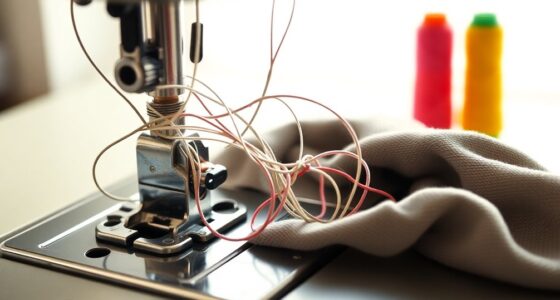

If your hook timing is off, you’ll notice issues like skipped stitches, frequent thread jams, and uneven or puckered seams. You might also experience unusual noises, rough operation, or difficulty starting the machine. These signs indicate that the hook isn’t aligning properly with the needle and fabric. Ignoring these symptoms can cause more serious damage over time. Stay tuned to discover how to identify and fix hook timing problems before they worsen.
Key Takeaways
- Signs include irregular stitch quality, thread jams, and inconsistent tension that indicate hook timing issues.
- Unusual noises like knocking or pinging during operation often point to misaligned hook timing.
- Difficulty starting or engine hesitation can result from ignition or timing delays caused by timing errors.
- Visible wear or damage on the hook or timing components suggests potential misalignment needing inspection.
- Reduced machine performance and increased thread breakage are common indicators of hook timing problems.
What Is Hook Timing and Why Is It Important?

Have you ever wondered how your engine’s timing affects its performance? Hook timing is essential because it determines when the spark ignites the fuel-air mixture, which is controlled by ignition timing. Proper valve timing ensures that the engine’s valves open and close at the right moments, matching the piston’s movement. When both ignition and valve timing are aligned correctly, your engine runs smoothly, efficiently, and with maximum power. If these timings are off, the engine can misfire, lose power, or consume more fuel. Understanding how hook timing influences these factors helps you maintain peak engine performance. Adjusting timing settings ensures that ignition and valve timing work together in perfect harmony, preventing potential issues before they escalate. Leveraging performance metrics can help diagnose and optimize your engine’s timing for better results. Additionally, being aware of timing signs can alert you early to potential problems, saving you from costly repairs later. Regularly checking and maintaining your timing components can prevent engine damage and extend the lifespan of your vehicle.
How Do You Know If Your Hook Timing Is Off? (Signs to Watch For)
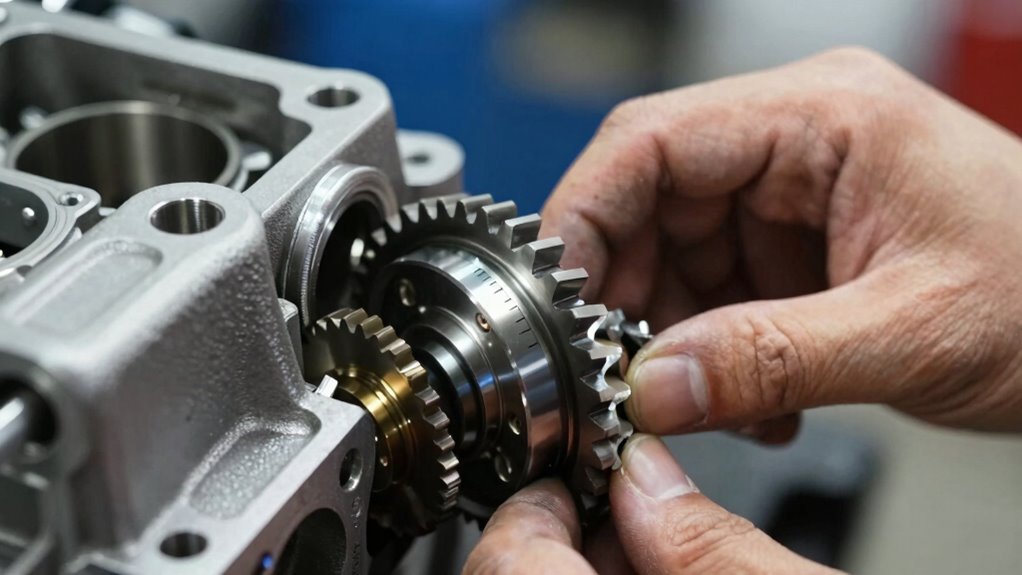
If your engine’s hook timing is off, you’ll likely notice several warning signs that indicate something isn’t right. One common sign is ignition delay, where the engine struggles to start or hesitates before firing up. You might also experience rough idling or misfires. Piston misalignment caused by incorrect hook timing can lead to uneven compression, resulting in poor engine performance and reduced fuel efficiency. Additionally, you may hear knocking or pinging sounds during operation. These issues often happen because the timing misalignment disrupts the proper firing order, affecting overall engine harmony. Recognizing these signs early can prevent further damage and help you determine if your hook timing needs adjustment. Regular engine maintenance and timely adjustments can help ensure optimal performance and longevity of your vehicle.
How Can You Check Hook Timing Yourself? (Simple Diagnostic Steps)
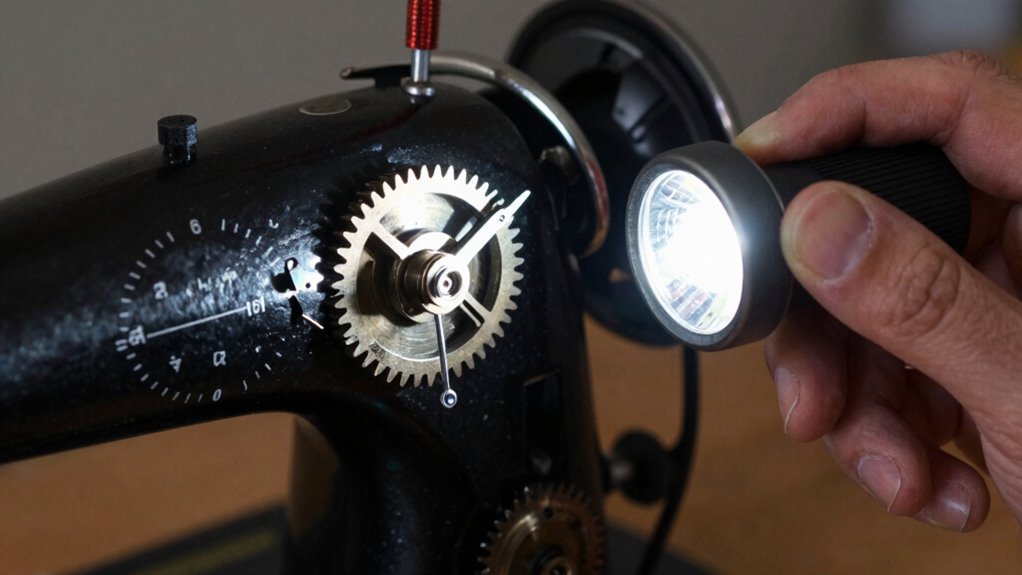
To check your hook timing, start by inspecting the engine timing marks to see if they align correctly. Next, run the engine and pay attention to how it performs—rough idling or power issues can signal timing problems. These simple steps help you diagnose whether your hook timing needs adjustment. Additionally, ensuring your engine is free from timing chain issues can prevent further damage and maintain optimal performance. Regularly monitoring engine performance can also help you catch timing problems early before they worsen. Recognizing signs of incorrect timing can save you from costly repairs down the road. Being aware of timing-related symptoms can help you address issues promptly and avoid more extensive repairs. Monitoring water-related components like cooling systems can further ensure your engine stays in proper working order.
Check Engine Timing Marks
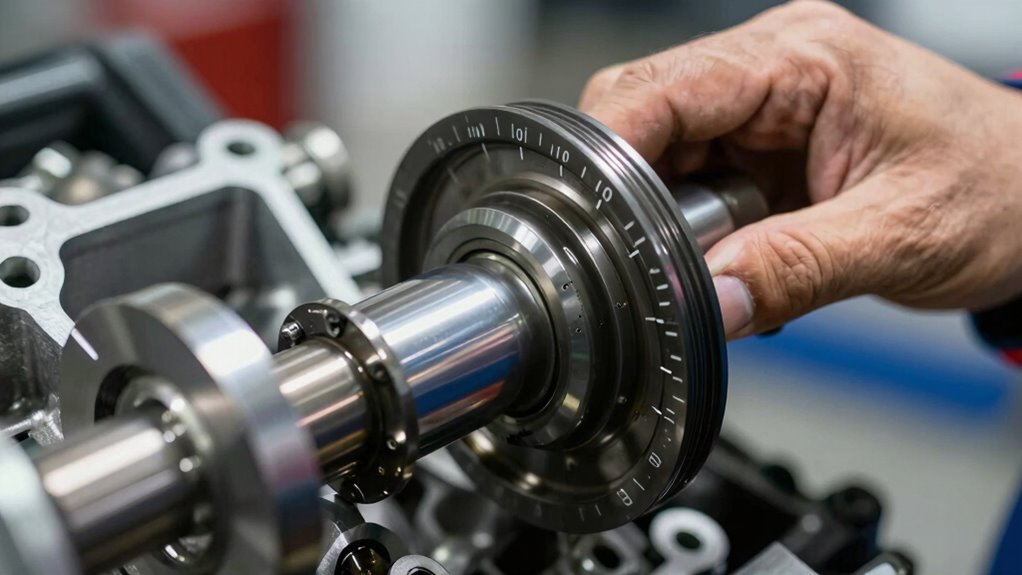
Wondering how to check your engine’s timing marks without professional tools? It’s simpler than you think. First, locate the timing marks on your crankshaft pulley and engine block. Next, turn the engine manually to align the camshaft and crankshaft marks, ensuring proper camshaft alignment. Finally, compare the timing marks to the manufacturer’s specifications. Here are some quick steps:
- Find the timing marks on the crankshaft pulley and engine block.
- Rotate the engine by hand until the camshaft and crankshaft marks align.
- Check if the marks match the timing belt’s timing marks, confirming correct timing.
If the marks don’t align, your hook timing may be off, indicating an issue with the timing belt or camshaft alignment that needs attention.
Observe Engine Performance
You can get a good idea of your engine’s hook timing by paying close attention to how it performs during regular driving. If your ignition system or fuel injection isn’t firing correctly, you’ll notice issues like rough idling, hesitation, or poor acceleration. Watch for these signs:
| Symptom | Possible Cause | Action |
|---|---|---|
| Rough idling | Ignition timing off | Adjust timing or check ignition system |
| Hesitation on acceleration | Fuel injection delay | Clean or service injectors |
| Loss of power | Ignition or fuel issues | Inspect timing and fuel system |
| Engine stalls | Misfire or timing misalign | Recheck timing marks and components |
Consistent engine performance relies on proper hook timing, ignition, and fuel injection synchronization. Properly calibrated engine timing ensures smooth operation and prevents potential damage over time. Additionally, regularly inspecting timing components can help identify issues before they affect engine performance.
How to Fix Hook Timing Before It Causes Damage

Hook timing issues can quickly lead to engine damage if left unaddressed. To fix hook timing before it causes harm, focus on your ignition system and belt maintenance. Here’s what you should do:
- Inspect the ignition system—ensure spark plugs and wires are in good condition, and replace any worn components. Proper ignition timing is crucial for optimal engine performance, and vetted components help maintain consistent spark delivery.
- Check the timing belt—look for cracks, fraying, or slack, and replace it if necessary.
- Align timing marks—use the manufacturer’s guidelines to set the correct timing, ensuring the hook is synchronized properly.
- Regularly maintaining your ignition system and belts helps prevent timing issues from escalating, saving you costly repairs down the road. Stay proactive to keep your engine running smoothly. Proper wave and wind conditions can also influence engine performance and timing accuracy.
Troubleshooting Ongoing Hook Timing Problems
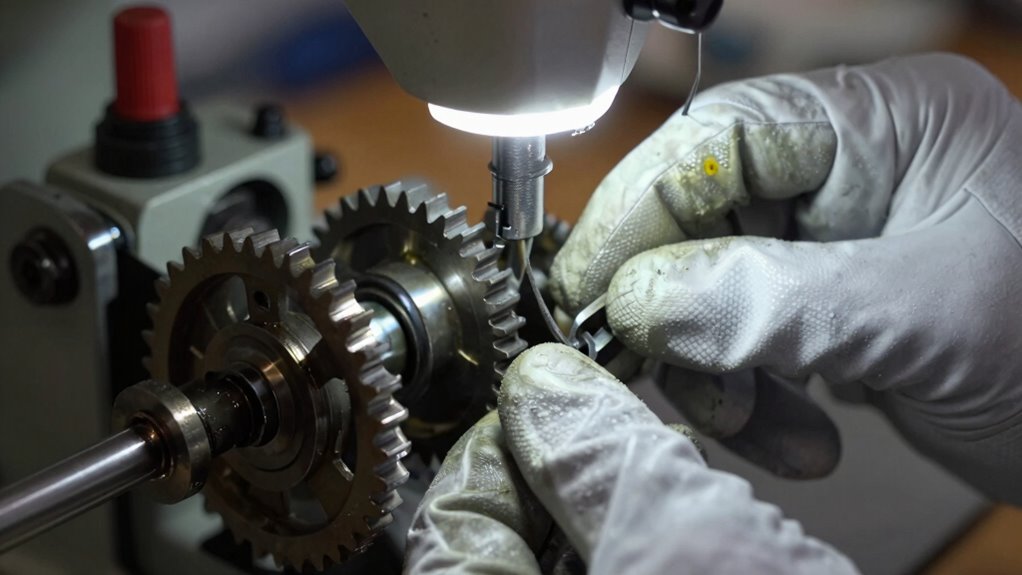
When hook timing problems persist despite initial adjustments, troubleshooting requires a systematic approach to identify the root cause. Start by checking the ignition timing; if it’s off, it can throw off the entire cycle. Use a timing light to verify the timing marks align properly with the manufacturer’s specifications. Next, examine valve synchronization—improper valve timing can cause misfires or inconsistent operation. Ensure the valves open and close at the correct points in the cycle. If ignition timing is correct but problems continue, inspect the timing belt or chain for wear or slack, as these can affect overall timing accuracy. By methodically confirming ignition timing and valve synchronization, you can pinpoint the source of ongoing issues and prevent further engine damage. Additionally, applying a methodical approach ensures that each potential cause is systematically evaluated, reducing the risk of overlooking underlying issues. Regular maintenance routines can also help catch timing problems early before they lead to more serious engine damage. Performing a visual inspection of components can reveal signs of wear or damage that might not be immediately obvious.
When Should You Call a Professional for Hook Timing Adjustments
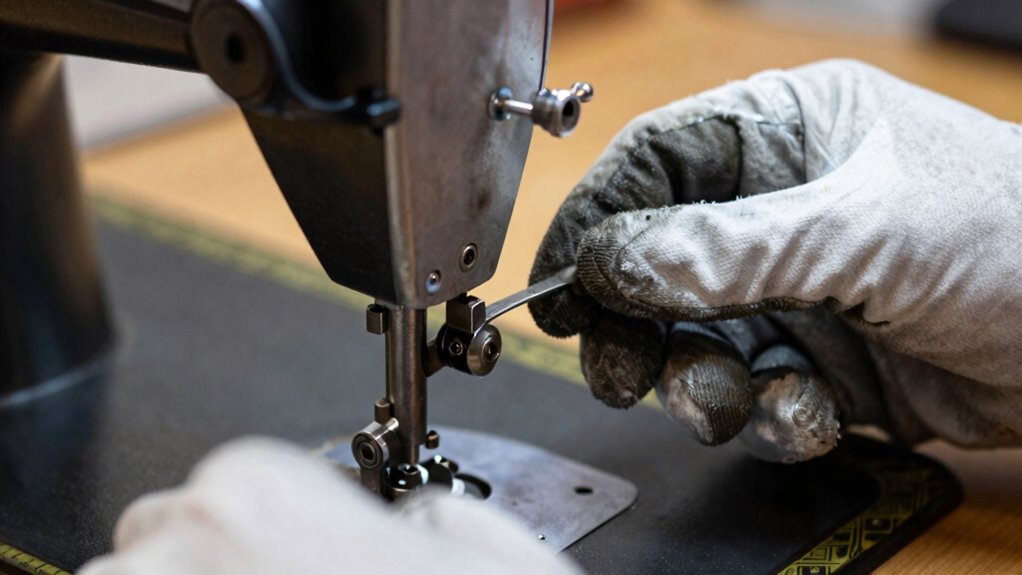
Even with some experience, there are times when adjusting hook timing is best left to the professionals. If you notice persistent issues like inconsistent stitch quality, frequent thread jams, or unusual noises, it’s time to seek expert help. Professionals can perform accurate diagnostics to identify underlying problems and handle advanced repairs safely. Knowing when to call a pro can save you time and prevent further damage. Consider contacting a specialist if:
Even experienced sewers should consult professionals for complex hook timing issues.
- You’ve tried basic adjustments without improvement
- The machine exhibits complex timing issues or strange sounds
- You lack the tools or confidence for precise calibration
- Proper maintenance is neglected, leading to more complex problems
Proper maintenance is crucial to avoid complex timing issues, which can be challenging to fix without professional equipment. Professional diagnostics assure your machine is correctly timed, avoiding costly mistakes. Trusting experts for advanced repairs keeps your equipment running smoothly and extends its lifespan.
Frequently Asked Questions
Can Improper Hook Timing Affect Other Parts of My Machine?
Yes, improper hook timing can affect other parts of your machine. When timing is off, it strains components like the needle bar and feed mechanism, leading to increased wear or damage. Regular machine maintenance and troubleshooting techniques help identify timing issues early, preventing costly repairs. Ensuring proper hook timing keeps your machine running smoothly and extends its lifespan, so check and adjust your timing regularly.
How Often Should I Check Hook Timing During Operation?
You should check your hook timing at least once every shift, like clockwork. Regular checks help catch issues early before they snowball. Stick to a solid maintenance schedule and make certain operator training emphasizes these checks. By staying proactive, you prevent costly downtime and keep your machine running smoothly. Remember, a stitch in time saves nine — so make routine inspections a top priority to avoid bigger problems later on.
What Tools Are Best for Adjusting Hook Timing Accurately?
You should use precise tools like timing gauges and calibration tools to adjust hook timing accurately. Timing gauges help you measure the exact position of the hook, ensuring proper alignment, while calibration tools allow you to fine-tune the timing settings. Always verify your adjustments with these tools to maintain peak machine performance. Using high-quality, reliable tools will prevent issues and keep your machine running smoothly and efficiently.
Are There Specific Signs Indicating a Need for Professional Adjustment?
Like a ship’s compass, if your machine calibration feels off—jamming, inconsistent stitches, or unusual noises—you should seek professional help. These signs point to the need for expert adjustment, especially if operator training hasn’t resolved the issues. Rely on trained technicians to fine-tune your equipment, ensuring precise hook timing. Don’t risk further damage; trusting professionals keeps your machine sailing smoothly and your production on course.
How Does Hook Timing Impact Overall Machine Productivity?
Hook timing substantially impacts your machine productivity by ensuring smooth, efficient operation. When timing is correct, maintenance schedules are easier to follow, reducing downtime, and operator training becomes more effective because everyone understands proper timing procedures. If hook timing is off, expect frequent jams, delays, and decreased output. Regularly check and adjust timing, and invest in operator training to maintain ideal productivity and prevent costly repairs.
Conclusion
Now that you know how to spot, check, and fix your hook timing, you can keep your machine running smoothly, avoid costly repairs, and enjoy uninterrupted sewing. Stay vigilant, trust your instincts, and address issues early—before they escalate. By maintaining proper hook timing, you’re ensuring precision, performance, and peace of mind. Keep your sewing machine in top shape, and let your creativity flow without worry or hesitation.