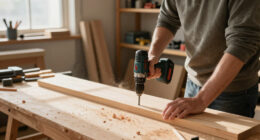
Buying a machine that’s too small for big projects might save you money upfront, but it can lead to hidden costs long-term. Smaller equipment struggles with larger workloads, causing longer operation times, more wear and tear, higher fuel use, and increased repair expenses. You’ll likely need additional labor and face delays that inflate your overall expenses. Over time, these hidden costs can outweigh initial savings—if you want to avoid these pitfalls, keep exploring how to make the right equipment choices.

Get business pricing on tools and workshop supplies
- Business-only prices and quantity discounts
- Tax-exempt purchasing
- Multiple users, one account, clear invoices
Key Takeaways
- Smaller machines increase operation time and labor costs by handling larger workloads inefficiently.
- Overworked equipment faces faster wear, leading to higher repair and maintenance expenses.
- Inefficient machinery causes project delays, disrupting workflow and inflating overall project costs.
- Frequent breakdowns from overloading result in costly repairs and unexpected downtime.
- Investing in properly sized machines improves efficiency, reduces long-term costs, and ensures project success.
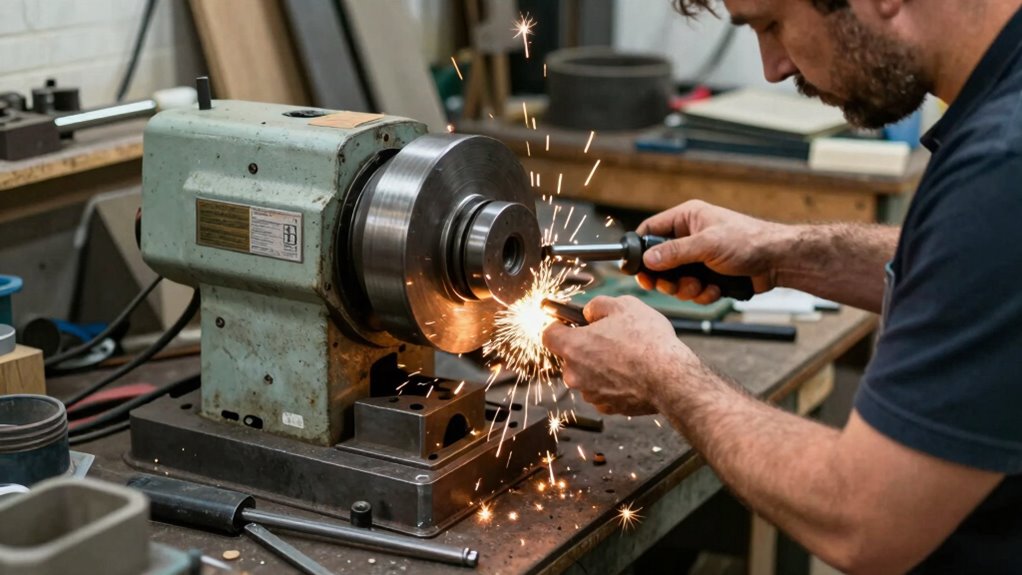
Choosing a machine that’s too small might seem like an easy way to save money upfront, but it can lead to hidden costs that outweigh the initial savings. When you opt for a smaller machine for a big project, you often sacrifice machine efficiency. Smaller equipment struggles to handle the workload, which means it runs longer and works harder to get the job done. This inefficiency not only drags out project timelines but also increases fuel consumption and wear and tear on the machine. Over time, these inefficiencies add up, making the smaller machine more costly than you initially thought.
Choosing a smaller machine may save money initially but often leads to higher long-term costs and inefficiency.
Additionally, smaller machines tend to have higher maintenance costs in the long run. Because they work overtime trying to keep up with larger tasks, parts wear out faster and require more frequent repairs. Constant strain on a smaller machine means you’ll likely face downtime more often, delaying your project and forcing you to rent or buy additional equipment. The cumulative maintenance costs, along with potential repairs, can quickly surpass what you’d spend on a properly sized machine from the start. Moreover, choosing the right-sized machine can prevent overloading equipment, which is crucial for maintaining its longevity and performance. Properly matched equipment also minimizes the risk of machine overload, helping to preserve its lifespan.
Choosing a machine that’s too small also impacts your overall productivity. When the equipment is not up to the task, you may need to break down larger jobs into smaller, more manageable chunks. This process can be time-consuming and labor-intensive, reducing efficiency and increasing labor costs. You might find yourself constantly adjusting your workflow or hiring extra workers to compensate for the inefficiency of the undersized machine. This leads to inefficiency in workflow and potential delays, which can significantly inflate your project costs over time. Over time, these indirect costs can greatly inflate your project budget.
Furthermore, the stress on a smaller machine can lead to premature failure. Heavy workloads cause parts to degrade faster, leading to unexpected breakdowns that halt progress. These breakdowns aren’t just inconvenient—they’re costly. Repair costs rise, and project delays become more frequent, putting your entire timeline at risk. The hidden costs of buying too small a machine include not only higher maintenance expenses but also the potential for lost revenue due to missed deadlines. In the long term, overlooking proper sizing can undermine the project’s overall success and profitability.
Ultimately, choosing the right-sized machine is an investment in your project’s success. It improves machine efficiency, reduces maintenance costs, and keeps your workflow smooth. While it may seem cost-effective to opt for smaller equipment initially, the hidden costs of inefficiency, repairs, and delays quickly add up. To keep your projects on track and within budget, prioritize getting a machine that matches the scope of your work. This way, you save money in the long run and ensure smoother, more efficient operations from start to finish.
construction equipment size guide
As an affiliate, we earn on qualifying purchases.
As an affiliate, we earn on qualifying purchases.
Frequently Asked Questions
How Can I Accurately Assess My Project’s Machine Size Needs?
To accurately assess your project’s machine size needs, analyze your current workflow and future growth plans. Consider the machine capacity required to handle peak workloads without delays. Evaluate equipment scalability options to confirm the machine can adapt as your project expands. Consult with experts or vendors who can help you determine the ideal size, balancing efficiency and cost. This approach guarantees you select a machine that meets both present and future demands effectively.
What Are Signs My Current Machine Is Too Small?
Your machine is too small if it struggles with durability under heavy loads or causes operator discomfort during extended use. Signs include frequent breakdowns, slow productivity, or your operator constantly adjusting to avoid strain. If your current equipment can’t handle the workload efficiently or wears out quickly, you’re likely pushing it beyond its limits. Upgrading guarantees better durability, operator comfort, and smoother project execution, saving you time and money in the long run.
How Does Machine Size Impact Project Deadlines?
When your machine is too small, it slows down machine efficiency, making it harder to meet project deadlines. Limited capacity forces you to split tasks or wait for multiple runs, which hampers project scalability. As a result, delays occur because your equipment can’t keep up with larger workloads. Choosing the right size guarantees your machine maintains peak efficiency and supports project growth without causing unnecessary setbacks.
Are There Long-Term Cost Differences Between Small and Large Machines?
You’ll find that large machines generally offer better long-term cost efficiency and operational flexibility, making them a smart investment. While smaller machines might seem cheaper upfront, they often lead to higher operating costs and frequent upgrades, eating into your budget over time. Think of it as a penny wise, pound foolish situation—you save now but pay more later. Larger machines adapt better to various tasks, saving you money and hassle in the long run.
How Can I Retrofit or Upgrade a Small Machine for Bigger Projects?
You can retrofit or upgrade your small machine for bigger projects by ensuring machine compatibility with additional components or power sources. Use retrofit techniques like installing stronger motors, reinforcing structure, or adding auxiliary tools. Start by evaluating your machine’s current limits, then select compatible parts designed for larger workloads. Consulting with manufacturers or specialists can help you identify the best retrofit techniques, ensuring safety and efficiency while expanding your machine’s capabilities.
Conclusion
So, don’t assume a smaller machine will save you money upfront. Sure, it’s tempting to cut costs initially, but in the long run, you’ll spend more on repairs, downtime, and inefficiencies. Investing in the right-sized equipment may seem costly now, but it pays off by boosting productivity and reducing unexpected expenses. Remember, choosing the right machine isn’t just about today’s budget—it’s about ensuring your project’s success and avoiding costly setbacks later on.
Fall Picks
fall essentials
As an affiliate, we earn on qualifying purchases.