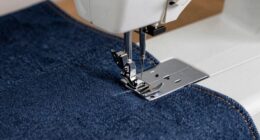
When using a walking foot, you’ll notice it handles thick or layered fabrics better, providing smoother, more even stitches and reducing shifting or puckering. An even feed foot works well for finishing projects with a cleaner look, especially in quilting, by feeding layers evenly. Both improve fabric control, but a walking foot offers extra grip for challenging materials. If you keep exploring, you’ll discover how each foot can help you achieve professional results on different projects.
Key Takeaways
- Walking foot excels at sewing thick, layered fabrics with minimal shifting, while even feed feet provide a smoother finish for quilting projects.
- Using a walking foot offers better control on challenging materials like leather or denim.
- Both feet improve seam consistency, but walking foot’s dual feed system reduces fabric puckering more effectively.
- Proper maintenance and tension adjustment are essential for optimal performance with either foot on complex projects.
- Selecting the right foot based on project type results in cleaner seams and professional-looking finishes.
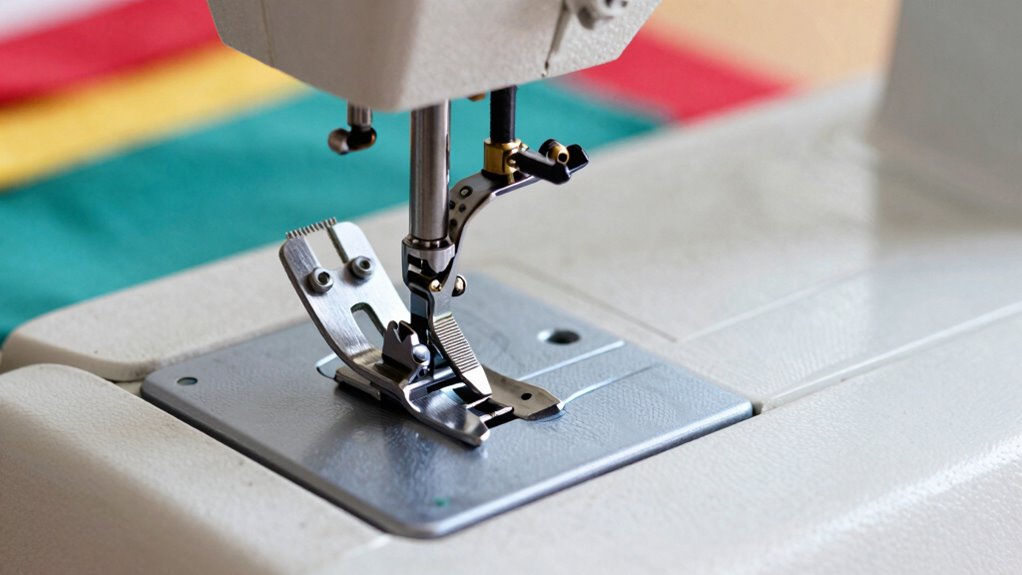
When you’re working on sewing projects that involve thick fabrics or multiple layers, choosing the right presser foot can make all the difference. Both the walking foot and even feed foot are designed to handle challenging fabrics, but they function differently and can affect your project’s outcome. On real projects, understanding these differences helps you decide which foot to use for best results.
Choosing the right presser foot for thick fabrics ensures better control and professional results.
A walking foot, often called an even feed foot, is equipped with its own set of feed dogs that work in tandem with your machine’s standard feed dogs. This setup helps the fabric move smoothly and evenly through the machine, especially when dealing with multiple layers or thick textiles like leather or denim. Because of this dual feeding system, your fabric experiences less shifting, which is essential for maintaining precise seams and avoiding puckering. When you use a walking foot, you also need to pay attention to fabric tension settings, as different fabrics require adjustments to prevent skipped stitches or uneven stitches. Proper sewing machine maintenance, including regularly cleaning and oiling your machine, guarantees the walking foot operates smoothly and maintains consistent fabric feed. This helps prevent issues like skipped stitches or uneven tension, which can compromise your project’s quality. Additionally, adjusting your machine’s tension can further enhance the performance of either foot during complex sewing tasks. Regularly inspecting and cleaning the feed dogs ensures optimal fabric movement and stitch quality.
In contrast, an even feed foot, sometimes used interchangeably with a walking foot, is specifically designed to feed multiple layers evenly without shifting. While it provides similar benefits, it’s often more specialized and may be limited to certain brands or models. On actual projects, you might notice that the even feed foot provides a cleaner, more professional finish, especially when quilting or sewing multiple layers of fabric that tend to slip or bunch. However, it’s essential to keep your sewing machine well-maintained, as a well-tuned machine ensures consistent fabric tension and smooth operation. Without proper maintenance, even the best foot can struggle to keep fabrics aligned, resulting in puckering or uneven stitches. Additionally, understanding the feed system of your machine can help you choose the best foot for your specific project. Regularly inspecting and cleaning the feed dogs ensures both types of feet function optimally, especially during intricate sewing. A well-maintained sewing machine guarantees that your fabrics will feed evenly and your stitches will remain consistent.
In real-world sewing, both feet help reduce fabric slipping and improve stitch consistency, but the choice depends on your project needs. If you’re working with very thick or layered fabrics, a walking foot often offers superior control, especially if you’ve adjusted your fabric tension correctly. Regular sewing machine maintenance, including inspecting and cleaning the feed dogs and tension disks, keeps these feet functioning effectively. When properly maintained, your machine will feed fabrics evenly, helping you achieve clean seams and professional-looking results. Overall, understanding how these feet work and maintaining your machine guarantees smoother sewing experiences, especially on challenging projects.

HONEYSEW Open Toe Walking Foot W/Guide for Brother Sewing Machine Quilting and Sewing Stitch Through Multiple Layers
Open toe for decorative stitching: The open toe design allows space for dense decorative stitches to glide easily…
As an affiliate, we earn on qualifying purchases.
As an affiliate, we earn on qualifying purchases.
Frequently Asked Questions
Can I Use a Walking Foot on All Sewing Machines?
You can’t use a walking foot on all sewing machines, as some models lack the necessary mechanism. If your machine supports it, a walking foot helps with quilt binding and achieving embroidery precision by feeding multiple layers evenly. Always check your machine’s specifications before attaching a walking foot. Using it on compatible machines guarantees smooth stitching, prevents shifting, and results in professional-looking projects, especially with thick fabrics or complex designs.
Which Foot Is Better for Sewing Heavyweight Fabrics?
For sewing heavyweight fabrics, a walking foot is your best choice. Imagine you’re crafting a leather bag; the walking foot helps you maintain consistent feeding of thick layers, preventing shifting or puckering. It enhances your sewing techniques by evenly guiding multiple fabric layers through the machine. This results in cleaner, stronger stitches, making your project look professional and durable. So, when working with heavyweight fabrics, opt for a walking foot for superior control.
How Do I Maintain and Clean These Presser Feet?
To maintain and clean your presser feet, start by removing them from your machine. Use a soft brush or a damp cloth to clean off lint, dust, or fabric debris, especially around the presser foot alignment points. Check thread tension regularly, as it affects stitching quality and can cause buildup. Keep the presser foot surfaces smooth and free of residue, ensuring ideal contact and consistent stitches on your projects.
Are There Specific Projects Where One Foot Outperforms the Other?
You’ll find that for alternative quilting projects, especially those involving multiple layers or tricky fabrics, an even feed foot tends to outperform a walking foot by providing smoother, consistent fabric movement. In industrial sewing, a walking foot is preferred for heavy-duty or thick materials, offering better control. Choose based on your project needs: for delicate or layered fabrics, opt for the even feed; for dense, heavy materials, go with the walking foot.
Can I Switch Between Walking Foot and Even Feed Mid-Project?
Yes, you can switch between a walking foot and an even feed machine mid-project, but it requires adjusting thread tension and checking stitch quality each time. Visualize the change as swapping gears smoothly to maintain consistent stitching. Test on scrap fabric first to verify your thread tension remains correct and stitches stay even. This way, you keep your project’s quality intact without compromising stitch strength or appearance.
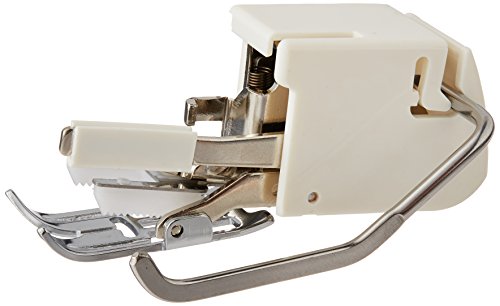
Janome Even Feed Foot with Quilting Guide for Horizontal Rotary Hook Models
Heavy Fabric Feeding: Feed thick fabrics with ease using the upper feed dog system
As an affiliate, we earn on qualifying purchases.
As an affiliate, we earn on qualifying purchases.
Conclusion
Now that you’ve seen how the walking foot and even feed can transform your sewing projects, think of them as your trusty companions on a creative journey. One acts like a steadying hand through tricky layers, while the other keeps your fabric’s dance smooth and graceful. Choosing between them is like selecting the right brush for your masterpiece—each brings its own magic. With these tools in hand, you’re ready to weave your sewing story with confidence and flair.

DREAMSTITCH 859817015 Dual Feed Foot Holder for Janome, Elna Sewing Machine
Made in Taiwan High Quality Premium Sewing Presser Feet From DreamStitch. Part No.859817015.
As an affiliate, we earn on qualifying purchases.
As an affiliate, we earn on qualifying purchases.
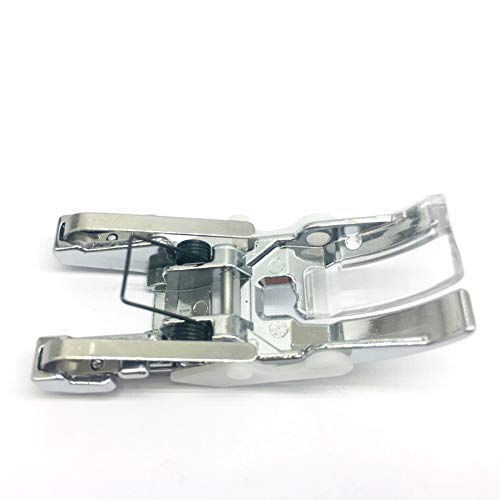
HONEYSEW Thick Material Walking Foot Snap On Gliding Foot for Toyota RS-2000 Singer Brother
HONEYSEW Thick Material Walking Foot Snap On For Singer Brother Toyota
As an affiliate, we earn on qualifying purchases.
As an affiliate, we earn on qualifying purchases.