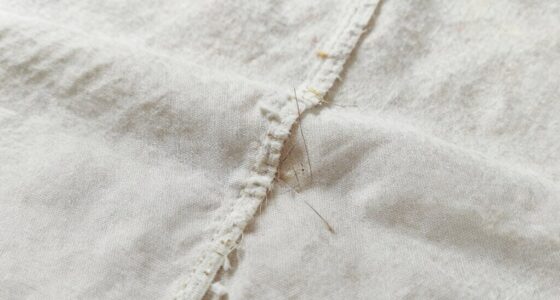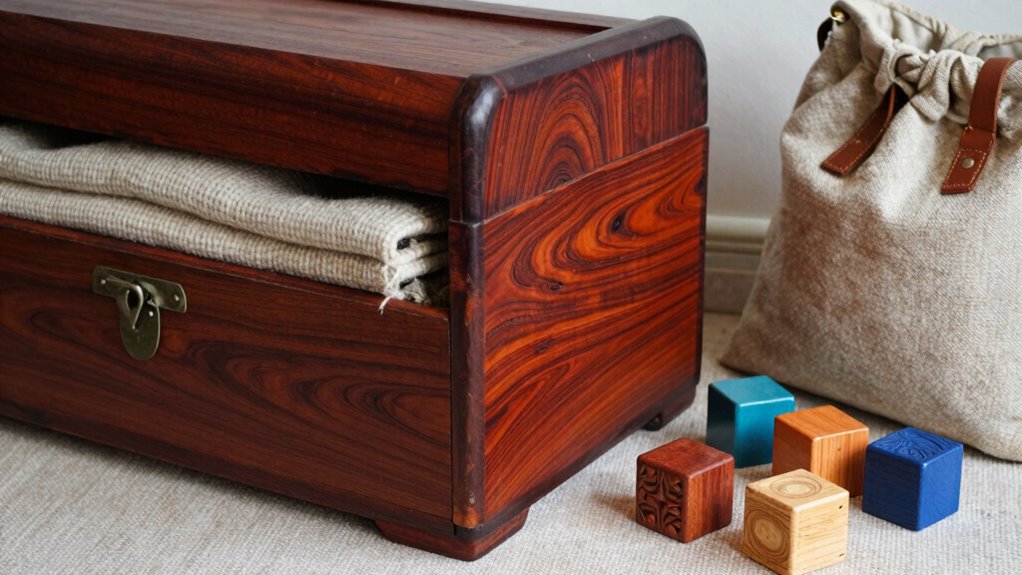

Cedar chests, blocks, and bags naturally protect your wool and delicate textiles from pests by releasing oils that create an unappealing environment for bugs. They also help regulate humidity, reducing mold and mildew risks, which keeps your textiles in better condition. Unlike chemical repellents, cedar offers a safe, eco-friendly way to preserve your cherished items while providing a fresh scent. If you want to discover more about maximizing your storage solutions, continue exploring.

Get business pricing on tools and workshop supplies
- Business-only prices and quantity discounts
- Tax-exempt purchasing
- Multiple users, one account, clear invoices
Key Takeaways
- Cedar releases natural oils that repel pests and prevent damage to wool and other natural fibers.
- Cedar’s humidity regulation helps maintain optimal moisture levels, reducing mold and mildew risks.
- Cedar-based storage options are chemical-free, eco-friendly, and safe for family and delicate textiles.
- The ongoing fragrance and protective oils from cedar keep wool smelling fresh and pest-free.
- Using cedar supports sustainable, natural preservation methods over chemical treatments for wool storage.
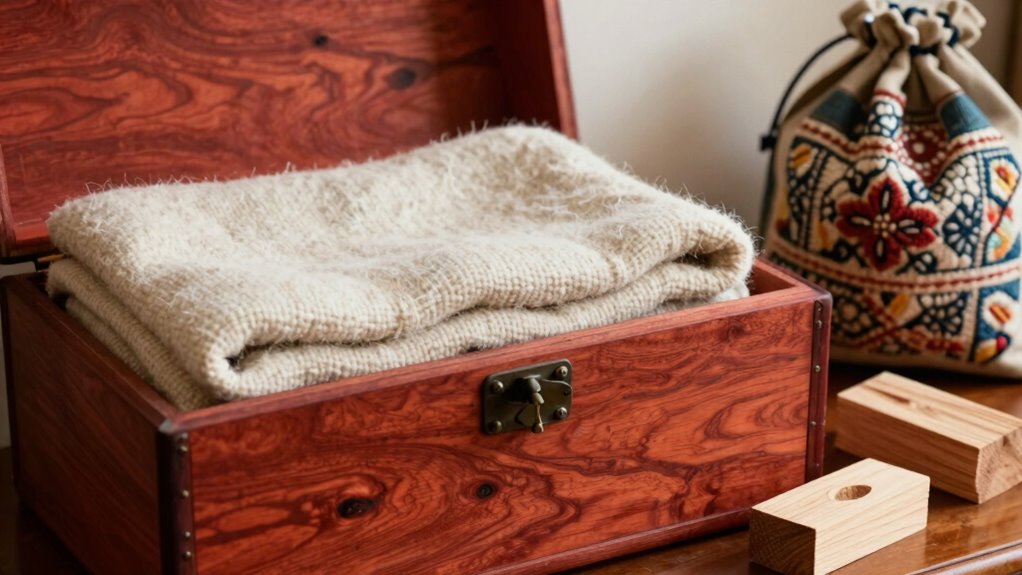
You’ll notice that cedar’s pest prevention qualities come from its natural oils, which are released gradually over time. These oils create an environment that pests find unappealing, making cedar an effective, eco-friendly choice for long-term storage. Unlike chemical repellents, cedar doesn’t pose health risks, making it safe for your family and your treasured textiles. When you use cedar chests or bags, you’re leveraging this natural defense mechanism without any fuss. It’s especially valuable if you keep wool garments, blankets, or heirlooms, as these items are particularly attractive to pests. The presence of cedar helps keep those tiny invaders at bay, preserving the integrity of your wool and preventing holes or damage. Additionally, cedar’s ability to prevent pest infestations is complemented by its capacity to regulate humidity. Wool and other natural fibers thrive in environments with stable moisture levels, and cedar helps maintain this balance. By controlling humidity, cedar reduces the chances of mold and mildew, which can also damage delicate textiles. This dual function makes cedar-based storage solutions a smart investment for anyone serious about preserving their wool collection. You’ll find that these products are not just simple containers but active protectors that combine the benefits of natural fragrance, pest prevention, and humidity control. With cedar chests, blocks, or bags, you’re giving your wool the best chance to stay safe, smelling fresh, and free from pests, all without relying on harsh chemicals or synthetic fragrances. Recognizing cedar’s natural oils and their role in pest deterrence can help you make more informed choices for your storage needs. Incorporating biodiversity-friendly materials like cedar supports sustainable practices while protecting your textiles effectively. The eco-friendly aspect of cedar also aligns with sustainable storage principles, making it a responsible choice for environmentally conscious consumers. Using cedar is also a way to promote eco-friendly pest control, which minimizes the environmental impact of your storage solutions. Moreover, selecting cedar for storage aligns with natural preservation strategies that prioritize eco-conscious methods over chemical treatments.
As an affiliate, we earn on qualifying purchases.
Frequently Asked Questions
How Often Should I Clean My Wool Storage Containers?
You should clean your wool storage containers at least twice a year to maintain proper container maintenance. Regular cleaning prevents dust, mold, and pests from building up, which could harm your wool. If you notice any musty odors or pests, clean immediately. Use gentle methods, like wiping with a damp cloth or vacuuming, to keep your containers clean without damaging them or risking wool exposure to harsh chemicals.
Can Cedar Harm Delicate Wool Fabrics?
Cedar can harm delicate wool fabrics if you’re allergic to cedar or if it causes wool fiber damage. The oils and scent from cedar may irritate cedar allergy sufferers, and over time, it can weaken wool fibers, leading to damage. If you’re sensitive or worry about wool longevity, consider using cedar-free storage options. Always monitor your wool items and choose storage materials that protect without risking irritation or fiber harm.
Are There Alternative Natural Repellents for Moths?
Think of it as stepping into a vintage shop—there are natural alternatives to moth repellents. You can use natural oils like lavender, cedar, or eucalyptus to keep moths at bay. Botanical sprays made from herbs such as thyme, rosemary, or mint also work well. These options are safe for wool, eco-friendly, and smell delightful, making them perfect for protecting your favorite garments without risking damage.
Do Cedar Products Need Special Maintenance Over Time?
Cedar products do need special maintenance over time to guarantee cedar longevity. To keep them effective, regularly sand or refresh the surface to release natural oils and maintain their scent. Keep the cedar dry and avoid exposure to direct sunlight, which can cause fading and deterioration. Follow maintenance tips like cleaning with a damp cloth and reapplying cedar oil as needed. Proper care helps preserve their natural repellency and extends their lifespan.
How Do I Prevent Cedar Scent From Transferring to Wool?
To prevent cedar scent transfer to wool, use a barrier like a cotton pillowcase or cloth between the cedar and your wool. For example, a hobbyist stored wool in a cedar chest with a cloth lining, successfully avoiding cedar scent absorption. To remove cedar scent later, air out the wool outdoors or use a gentle fabric freshener. This way, you keep your wool smelling fresh while still benefiting from cedar’s protective qualities.
Conclusion
In the end, using cedar chests, blocks, and bags is your best bet for keeping wool safe. Did you know that cedar naturally repels moths and other pests, reducing damage by up to 90%? That’s a game-changer for your wool collection. So, invest in these storage options and enjoy peace of mind knowing your precious fibers are protected. With cedar’s proven pest-repelling power, your wool stays pristine and ready whenever you need it.
Fall Picks
fall essentials
As an affiliate, we earn on qualifying purchases.