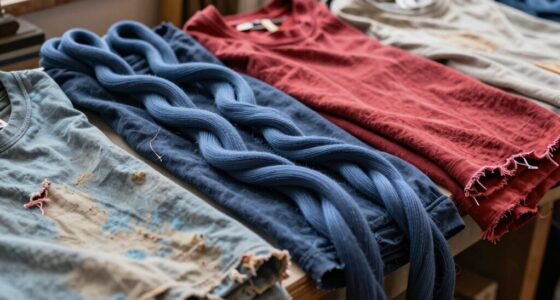
To combine two pattern views without fit problems, you should start by ensuring the fabrics are compatible in weight, stretch, and behavior after washing. Carefully mark and match the seam lines, using pins or basting to keep everything aligned. Make necessary pattern adjustments for fit and fabric differences before sewing. Focus on accurate grainline placement and test your pattern on scrap fabric first. If you keep these steps in mind, you’ll create a smooth, professional finish—more tips ahead to refine your technique.

Get business pricing on tools and workshop supplies
- Business-only prices and quantity discounts
- Tax-exempt purchasing
- Multiple users, one account, clear invoices
Key Takeaways
- Ensure both pattern views use fabrics with similar weight, stretch, and fiber content to prevent distortion and fit issues.
- Carefully match and align seam lines and notches at the intersection points for smooth integration.
- Adjust pattern pieces for differences in fit, darts, or armholes before combining to avoid discomfort.
- Use grainline markings to maintain fabric stability and proper drape when merging views.
- Sew a test muslin to check fit and fabric behavior, making adjustments before final construction.
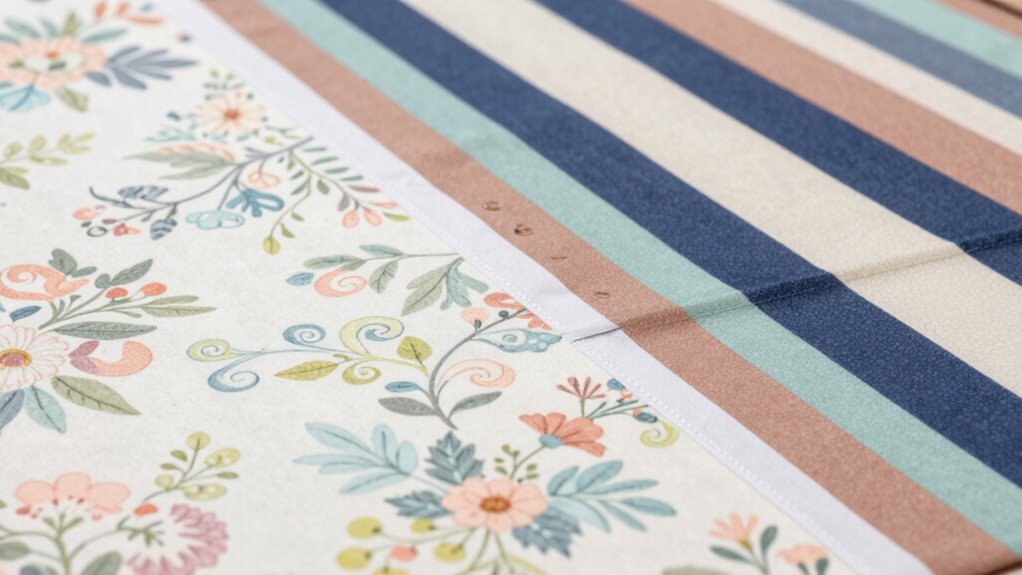
Combining two pattern views can seem intimidating at first, but with the right approach, it becomes a straightforward process. When working with multiple pattern views, your main goal is to guarantee the finished garment fits well and looks seamless. To do this, you need to focus on fabric compatibility and seam alignment from the start. First, check that the fabrics you plan to use are compatible. For example, pairing a lightweight chiffon with a stiff denim can cause problems because of their differing stretch, drape, and stability. Choose fabrics with similar weight, fiber content, and stretch properties to avoid distortion or difficulty in sewing. If you’re mixing fabrics, consider how they’ll behave after washing—some fabrics shrink or change texture, which can affect fit and seam integrity.
Ensure fabric compatibility and proper seam alignment for a seamless, well-fitting garment.
Seam alignment is the next critical factor. When combining pattern views, you need to carefully match the seam lines of each view to prevent puckering or uneven edges. Before cutting, trace or mark the seam lines clearly on your pattern pieces. When sewing, pin or baste along these lines to ensure the seams align perfectly. It’s essential to sew slowly and press your seams open or to one side as you go, which helps maintain smoothness and accuracy. Proper seam alignment not only enhances the garment’s appearance but also contributes to its longevity, preventing stress points that could lead to tearing or distortion. Paying attention to pattern modifications can help you achieve a seamless blend between views, especially when dealing with complex designs. Additionally, understanding how fabric behavior impacts seam placement can be crucial for a polished result. Incorporating appropriate sewing techniques will also ensure your seams stay sturdy and look professional. When working with multiple pattern views, it’s also helpful to consider grainline to keep the fabric’s stability and drape consistent across the design.
Another key step is to modify your pattern pieces if necessary. Sometimes, combining views involves adjusting the pattern to better fit your body or to accommodate fabric differences. For example, if one view is designed with a different dart placement or armhole shape, you might need to make minor adjustments before cutting. These modifications help prevent fit issues and ensure the pattern views blend seamlessly. You can also add notches or markings at the intersections of pattern views; this makes it easier to align pieces during sewing, ensuring your seams stay accurate and your fabric pieces fit together smoothly.
Finally, take your time during construction. Test your pattern on a muslin or scrap fabric first to identify potential issues with fit, fabric behavior, or seam alignment. This trial run allows you to make necessary adjustments before working with your final fabric. When you sew your actual fabric, remember that patience and precision are key. Proper fabric compatibility, careful seam alignment, and thoughtful pattern modifications will make combining pattern views a manageable task, resulting in a professional-looking, well-fitting garment that’s both stylish and comfortable.
fabric weight and stretch tester
As an affiliate, we earn on qualifying purchases.
As an affiliate, we earn on qualifying purchases.
Frequently Asked Questions
Can I Mix Different Fabric Types When Combining Pattern Views?
Yes, you can mix different fabric types when combining pattern views, but you need to take into account fabric compatibility and pattern coordination. Choose fabrics with similar weight and drape to ensure they work well together and avoid fit issues. Think about color, texture, and pattern scale to create a harmonious look. When you pay attention to these details, your design will look intentional and professionally finished, even with varied fabric types.
How Do I Adjust Seam Allowances for Combined Pattern Views?
You adjust seam allowances by adding or trimming them to guarantee seamless pattern matching when combining views. Start by marking the original seam allowances, then align the pattern pieces for proper fit. If necessary, add extra seam allowance where patterns join to prevent gaps or tight spots. Remember to maintain consistent seam allowances throughout, as this helps with pattern matching and ensures smooth, professional-looking seams in your finished project.
Is It Necessary to Make Muslin Samples for Combined Views?
Yes, making muslin samples for combined views is essential. It helps you test fabric compatibility and sewing techniques, guaranteeing the pattern pieces fit together smoothly. Muslins allow you to identify and fix any fit issues or design adjustments before cutting into your final fabric. By sewing a muslin, you gain confidence in your construction skills and ensure your finished garment looks professional and well-fitted, saving time and fabric in the long run.
What Tools Are Best for Aligning Two Pattern Views Accurately?
You should use pattern notches, grainlines, and chalk or fabric markers for pattern alignment, guaranteeing views match precisely. Pin the patterns securely and double-check grainlines for fabric compatibility before cutting. Using clear pattern weights and a rotary cutter helps maintain accuracy. Employing these tools ensures proper pattern alignment and fabric compatibility, preventing mismatched seams or distortions, so your combined views fit well and look professional.
How Do I Handle Pattern Markings When Combining Views?
Did you know that proper pattern markings can reduce fitting issues by up to 80%? When combining views, you should carefully transfer pattern markings using tracing paper or tailor’s chalk. Use pattern marking techniques like notches, dart points, and balance lines to guarantee proper alignment. Seam alignment tips include matching notches and marking seam allowances clearly. This ensures your views stay aligned, helping you achieve a professional, well-fitting finished garment.
Conclusion
Now, picture your fabric as a canvas, ready to come alive with your unique design. When you skillfully blend two pattern views, it’s like painting a seamless scene—each line flowing naturally into the next. With patience and a steady hand, you’ll create a masterpiece that fits perfectly, avoiding any jarring fit problems. So, embrace the process, trust your eye, and watch your vision unfold into a beautifully harmonious garment that feels just right.
Fall yard work Picks
leaf blowers
As an affiliate, we earn on qualifying purchases.