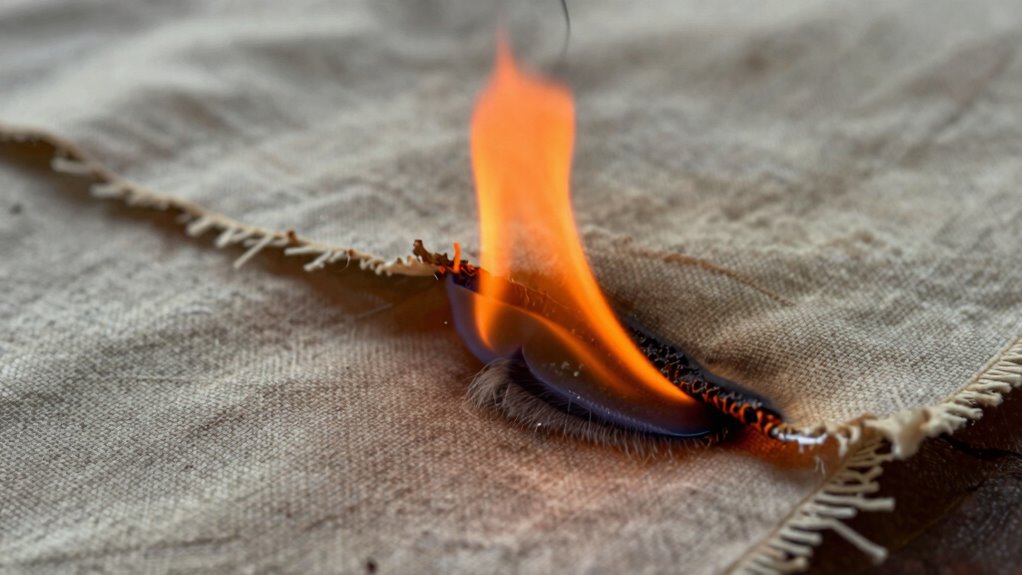
If you suspect a fabric label is misleading, a quick 60-second burn test can reveal its true fiber content. Light a small sample with a match or lighter and observe how it reacts: natural fibers like cotton burn quickly with a paper smell, while synthetics melt and emit plastic fumes. Recognizing these cues helps you verify the fabric’s authenticity and make smarter shopping choices—learn more to master the process and avoid duped textiles.
Key Takeaways
- The burn test quickly reveals fiber types by observing how fabric reacts when burned, confirming or debunking label claims.
- Natural fibers burn quickly with a paper smell, while synthetics melt and emit plastic fumes—helping identify fabric authenticity.
- Use a small fabric sample on a fire-safe surface, ignite carefully, and assess residue, smell, and burn behavior within 60 seconds.
- Combining burn characteristics with visual cues ensures more accurate identification, especially for blended or mislabeled fabrics.
- Always prioritize safety precautions—ventilate, wear protective gear, and have a fire extinguisher nearby—during the quick test.

Brother Sewing Machine, XM2701, Lightweight Machine with 27 Stitches, 6 Included Sewing Feet
27 Unique built-in stitches: The XM2701 includes 27 built-in stitches including decorative, blind hem, zigzag, and stretch stitches...
As an affiliate, we earn on qualifying purchases.
Why Fabric Fibers Matter and How the Burn Test Can Help

Understanding fabric fibers is essential because they determine how a material behaves, reacts to cleaning, and even how safe it is. Knowing the fabric composition helps you predict whether a piece will shrink, fade, or shed fibers. Fiber identification is vital because different fibers burn differently, revealing their nature through the burn test. For example, natural fibers like cotton tend to burn quickly and smell like burning paper, while synthetic fibers such as polyester melt and produce plastic fumes. By understanding these distinctions, you can better care for your fabrics and avoid damage. The burn test offers a quick, straightforward way to identify fiber types, giving you confidence in how you handle and clean your textiles without relying solely on labels that may sometimes be inaccurate. Additionally, understanding fiber properties can help you choose more sustainable options that are easier to care for and less harmful to the environment. Recognizing fiber behavior during burning can also assist in safety assessments, especially when dealing with unknown fabric sources. Knowing how different fibers react to heat can further guide you in making safer choices for your home and wardrobe. Being aware of fabric flammability can further guide you in making safer choices for your home and wardrobe.
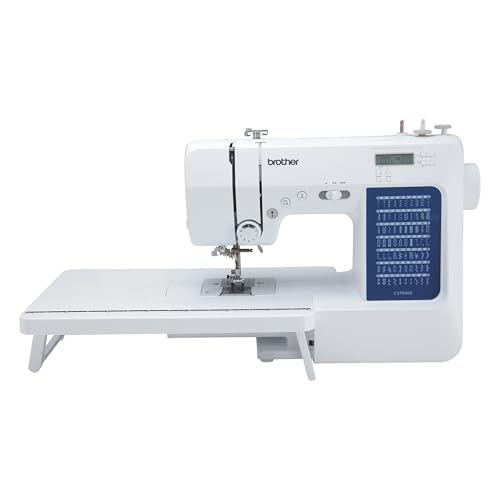
Brother CS7000X Computerized Sewing and Quilting Machine, 70 Built-in Stitches, LCD Display, Wide Table, 10 Included Feet, White
70 UNIQUE BUILT-IN STITCHES: The Brother CS7000X sewing and quilting machine includes 70 built-in stitches including utility, decorative,...
As an affiliate, we earn on qualifying purchases.
Gather Materials and Safety Gear Before Testing
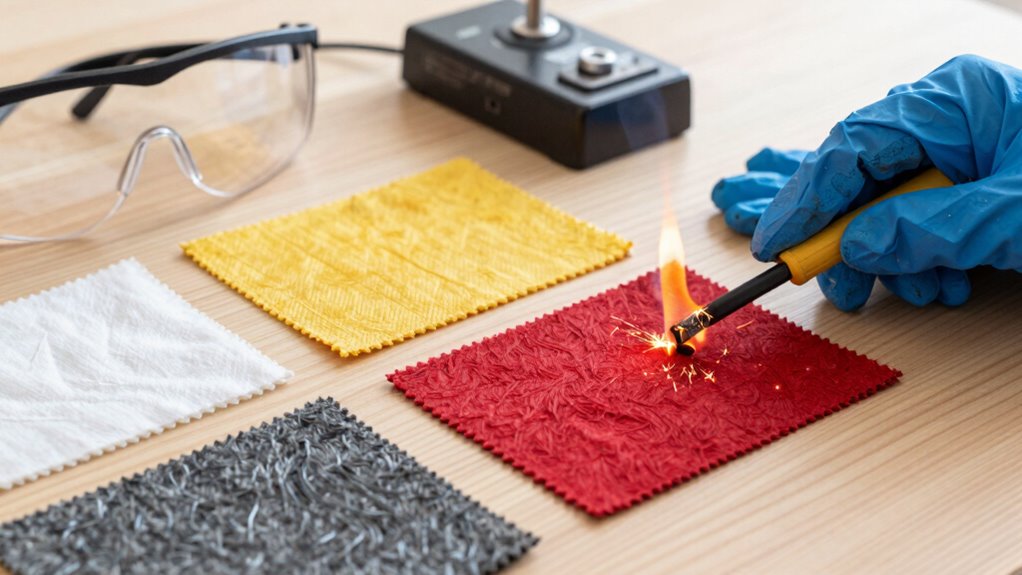
Before you begin the burn test, gather all necessary materials and safety gear to guarantee a safe and smooth process. Prioritize fabric safety by working in a well-ventilated area and keeping a fire extinguisher nearby. You’ll need a small sample of the fabric, tweezers, a metal or ceramic surface, and a lighter or matches. Understanding textile history helps you recognize different fibers’ behaviors, but safety always comes first. Wear safety goggles and heat-resistant gloves to protect your eyes and hands from sparks or flames. Confirm your workspace is clear of flammable objects. Preparing thoroughly minimizes risks and ensures you can accurately identify fibers during the burn test, making the process both safe and effective. Additionally, knowing the fiber properties can help you interpret test results more confidently. Familiarizing yourself with fiber safety considerations further enhances your ability to conduct the test responsibly. Being aware of common fire hazards associated with textile testing can also help prevent accidents. Conducting a preliminary test on a small piece can help you understand how the fabric reacts before testing the main sample, adding an extra layer of safety. It’s also helpful to review proper testing techniques to ensure accurate results and safety during the process.

SINGER® Heavy Duty 4452 (Grey) High Speed Sewing Machine + Accessories | 32 Built-In Stitches Deliver 110 Stitch Applications | 50% More Power for Thick Fabrics, 1100 Stitches/Min, 1-Step Buttonhole
ENHANCED PIERCING POWER: Stronger motor provides more power for sewing multiple layers and thicker fabrics.
As an affiliate, we earn on qualifying purchases.
How Do You Perform the Fabric Burn Test? A Step-by-Step Guide
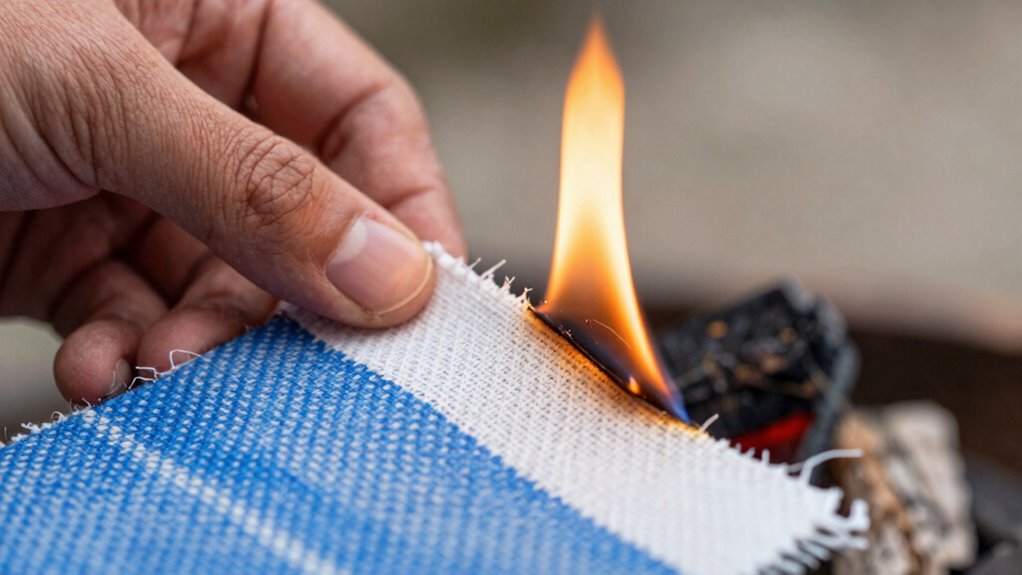
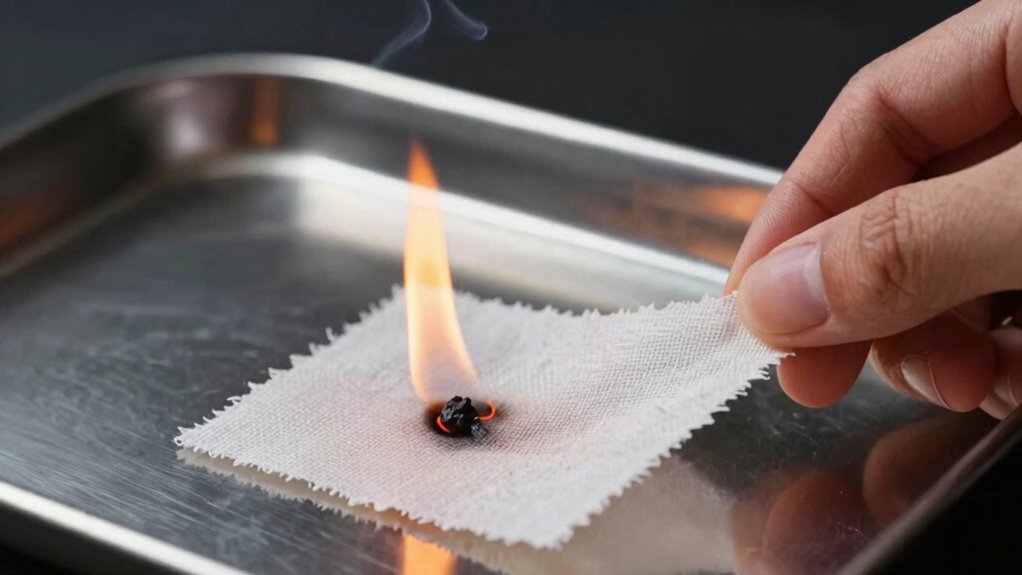
To perform the fabric burn test, start by placing a small fabric sample on a fire-resistant surface, such as a metal or ceramic tile. Hold a lit match or lighter near the fabric tip, and carefully bring the flame close enough to ignite it. Observe how the fabric reacts: does it melt, curl, or produce ash? These behaviors are key for fabric identification. Remember to follow safety precautions—work in a well-ventilated area, keep a fire extinguisher nearby, and never leave the flame unattended. Perform the test in a controlled environment to avoid accidents. After burning, extinguish the flame immediately and analyze the residue and odor. This straightforward method helps you identify fibers quickly and safely. Additionally, understanding fabric composition can aid in smart home applications, such as choosing appropriate cleaning or maintenance routines for textiles used in connected environments.

Brother XR9550 Sewing and Quilting Machine, Computerized, 165 Built-in Stitches, LCD Display, Wide Table, 8 Included Presser Feet, White
165 unique built-in stitches: The Brother XR9550 computerized machine includes 110 built-in utility, decorative and heirloom stitches including...
As an affiliate, we earn on qualifying purchases.
What Are the Burn Cues for Cotton, Wool, and Synthetics?
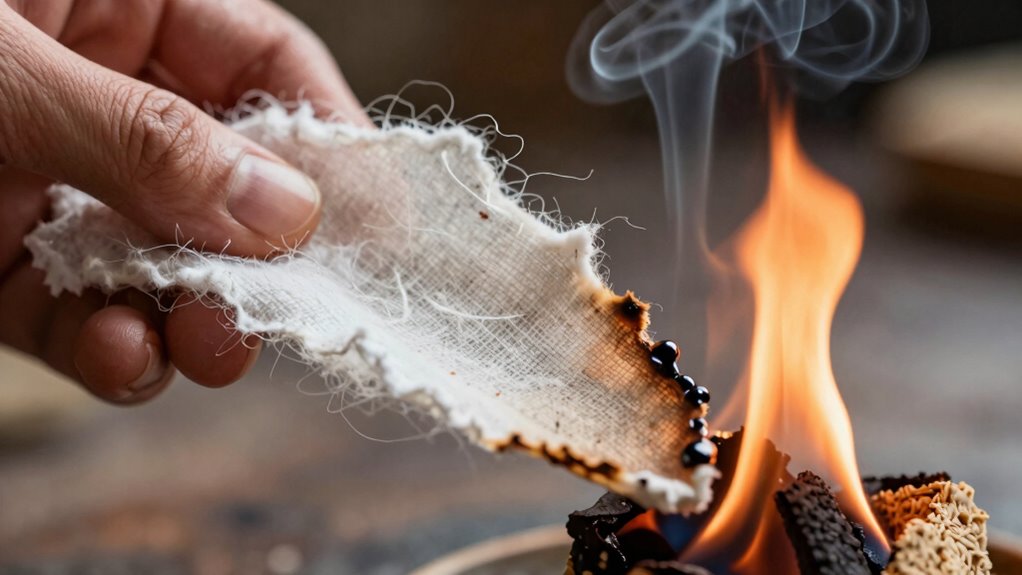
When you perform a burn test, you’ll notice distinct cues that identify cotton, wool, or synthetics. Cotton tends to burn quickly with a soft, ash-like residue, while wool chars and smells like burning hair. Synthetics often melt, drip, and produce a chemical odor, making their cues easy to distinguish.
Cotton Burn Cues
Cotton burn cues are straightforward and easy to recognize, making it simple to identify the fabric during a burn test. When testing for fiber identification, cotton burns quickly and produces a soft, light ash that crumbles easily between your fingers. It has a burning smell similar to burning paper or leaves, indicating cellulose content. The flame is steady and self-extinguishing once removed from the flame source. The ash remains light-colored, often gray or white, and leaves little residue. These cues confirm the textile’s authenticity as natural fiber. Understanding fiber characteristics is essential for reliable identification during a burn test. Recognizing these cues allows you to accurately verify fabric content, ensuring you’re not misled by mislabeled textiles. Proper testing techniques help prevent errors and improve accuracy in fiber identification. Additionally, cotton’s combustion behavior is consistent, making it easier to distinguish from synthetic fibers that tend to melt or produce different residues.
Wool and Synthetic Signs
Wool and synthetic fibers each have distinct burn cues that help you identify them during a burn test. Wool usually burns slowly, curling away from the flame and producing a smell like burning hair or feathers. Its ash is brittle and crumbly, often leaving a black, sooty residue. Fabric dyes on wool may cause slight discoloration but don’t markedly alter its burn behavior. Synthetic fibers, like polyester or nylon, melt and form hard beads or drips when heated, often emitting a chemical or plastic smell. If fibers are blends, you might see mixed cues—some melting, some curling. Recognizing these signs helps you distinguish wool from synthetics quickly, even when dealing with fiber blends or dyed fabrics. Understanding fiber properties is essential for accurate identification during a burn test. Being aware of the fiber composition can further aid in interpreting burn cues correctly, especially when considering the material’s heating response. These cues are influenced by the chemical structure of fibers, which determines how they burn and react to heat.
How to Read Burn Test Results and Confirm Fabric Type
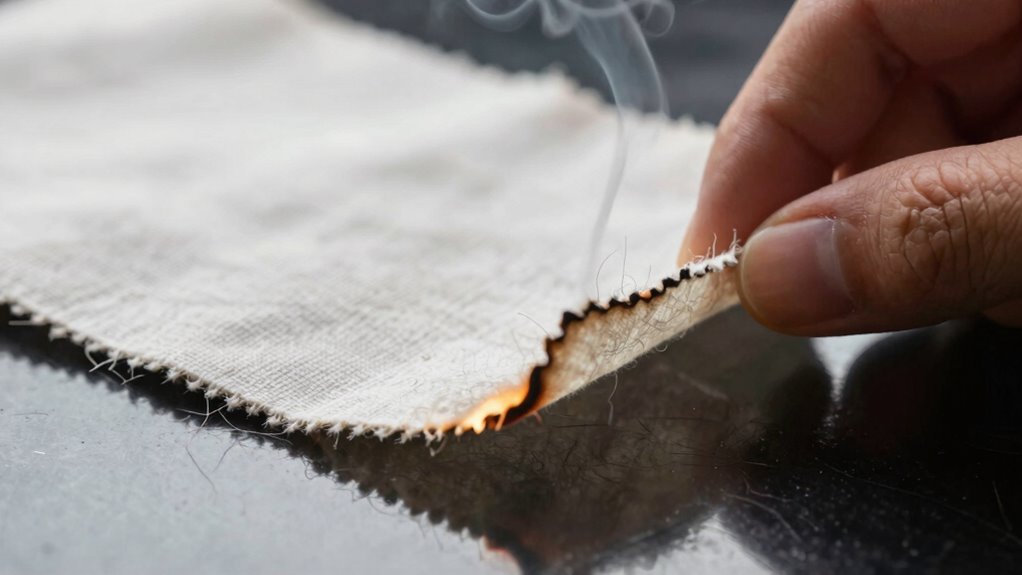
To accurately identify fabric type from a burn test, you need to carefully observe the characteristics of the residue, smoke, and smell produced during burning. Fabric durability influences how the material burns—natural fibers like wool or cotton tend to burn slowly with soft, ash-like residues, while synthetics often melt or form hard beads. Pay attention to the smoke: natural fibers emit a light, cotton-like smell, whereas synthetics produce a chemical or plastic odor. The residue left behind helps confirm your fiber identification; natural fibers leave fine, powdery ash, while synthetics may leave a hard, plastic-like bead. Additionally, understanding the burn characteristics of different fibers can further improve your accuracy. Recognizing the way fibers melt or char during burning can provide additional clues to their composition. By analyzing these burn test results precisely, you’ll confidently distinguish fabric types and assess their durability, making informed decisions about the textiles you handle. Knowing the fiber properties can help you interpret burn behavior more accurately and avoid common misidentifications.
Common Mistakes to Avoid When Doing the Burn Test
Performing a burn test without paying attention to detail can lead to inaccurate results and misidentification of fabrics. One common mistake is rushing the process, which can affect the flame behavior and the burn smell, leading to false conclusions. Be sure to control the environment, keep flames small, and use proper safety measures. Ignoring fabric care labels or assumptions about dye stability can also skew results, as some dyes may melt or change when burned, misleading identification. Additionally, using contaminated or unclean samples can interfere with the burn test’s accuracy. Always test small, isolated samples and document your observations carefully. Avoid rushing or skipping steps to ensure reliable results, especially when confirming fiber type based on how the fabric reacts to heat, flame, and odor. For more accurate identification, understanding the fiber properties can help interpret burn test results more effectively. A proper testing technique that follows all steps thoroughly can greatly improve the reliability of your results. Paying attention to fiber melting points ensures you recognize how different fibers behave when exposed to heat. Moreover, being aware of behavioral differences among fibers during combustion can aid in more precise identification. Incorporating knowledge of body jewelry materials can also prevent misinterpretations, especially when fibers are involved in textiles used for jewelry or accessories.
What Are the Limitations of the Burn Test? When to Seek a Professional Analysis
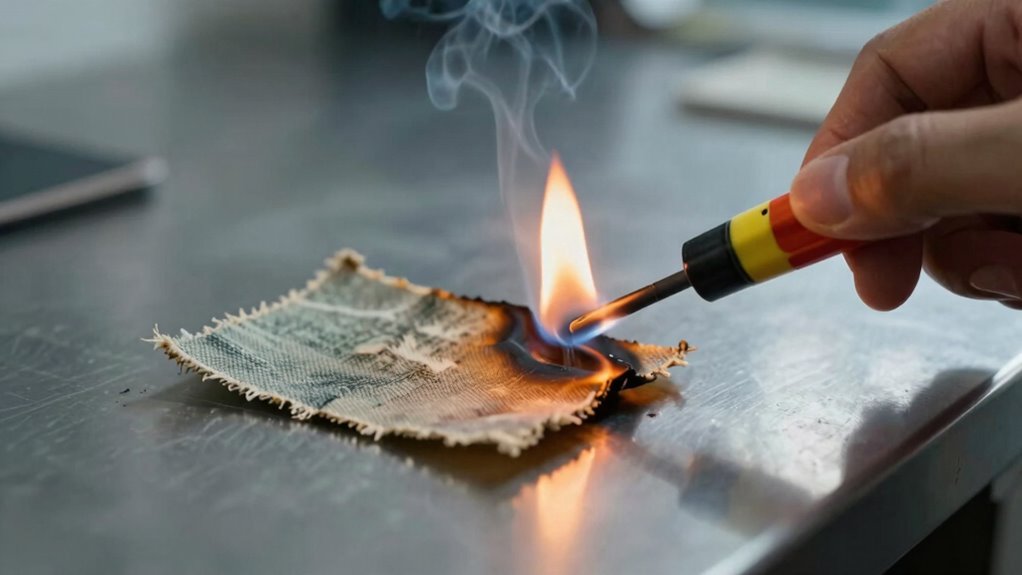
While the burn test can be a useful initial method for identifying fabrics, it has notable limitations that you should recognize. The test isn’t always definitive, especially with blends or fabrics that burn similarly. False positives or inconclusive results can occur, leading to misidentification. For complex or valuable textiles, relying solely on a burn test isn’t enough; fabric analysis requires more detailed methods. When in doubt, seeking professional testing is the best course of action. Experts use specialized equipment to accurately analyze fibers, ensuring correct identification. This approach reduces errors, protects your investments, and provides peace of mind. Remember, a burn test is a quick guide, not a comprehensive fabric analysis. When accuracy matters, consulting a professional is your safest bet. Additionally, understanding the limitations of the burn test can help you decide when to seek expert evaluation.
How the Burn Test Empowers Smarter Shopping and Authenticating Clothes
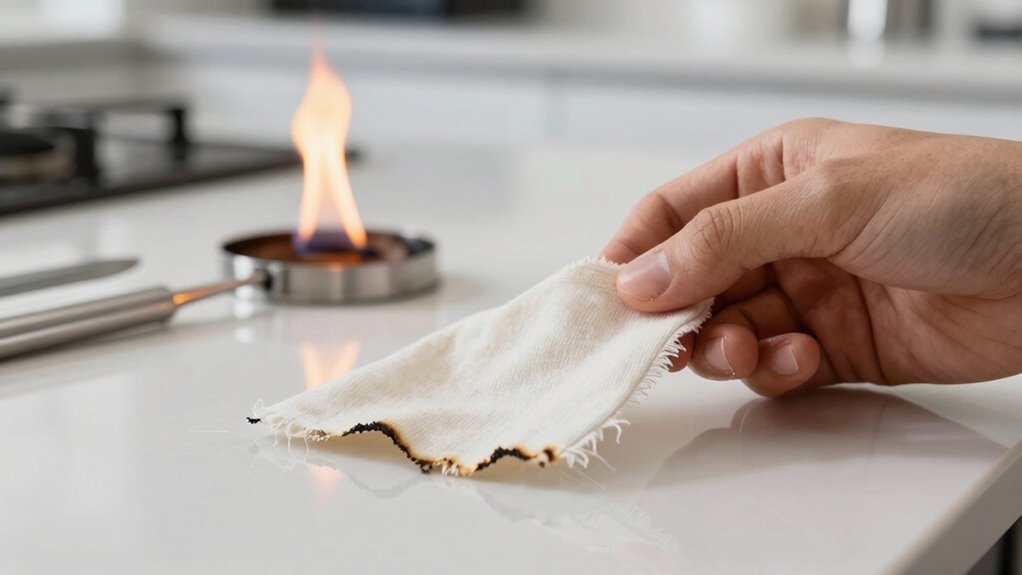
Understanding the limitations of the burn test helps you make smarter choices when shopping for clothes and verifying their authenticity. By mastering this quick method, you can identify whether fabrics meet proper fabric certification standards or are counterfeit. This empowers you to avoid fake or low-quality items and supports eco-friendly textiles by choosing genuine, sustainable materials. When you recognize authentic fibers through the burn test, you gain confidence in your purchases and contribute to environmentally responsible shopping. It also helps you spot misleading labels or fabric blends that don’t match their claims. While the burn test isn’t foolproof, combined with knowledge of fabric certification, it’s a powerful tool for making informed decisions and ensuring your clothes are both authentic and eco-conscious.
Frequently Asked Questions
Can the Burn Test Distinguish Blended Fabrics Accurately?
Yes, the burn test can help identify blended fabrics by analyzing fiber composition and burn characteristics. You’ll notice different flames, odors, and ash types that reveal the presence of multiple fibers. While it’s useful, keep in mind that some blends may produce similar burn traits, making it harder to distinguish all fibers accurately. For precise results, consider combining the burn test with other fiber identification methods.
Is the Burn Test Safe for All Fabric Types and Ages?
You might think the burn test is a one-size-fits-all solution, but it’s not without its limits. While it can be safe for many fabrics, certain types and ages pose risks, and the test’s limitations become clear. Older or delicate fabrics may burn unpredictably, risking damage or safety hazards. Always research fabric safety beforehand, and don’t rely solely on burn tests—use them as a guide, not the gospel.
How Do Environmental Factors Affect Burn Test Results?
Environmental factors like moisture and temperature can markedly impact your burn test results. Moisture effects may cause fiber degradation, making fibers burn differently than expected. High humidity can also alter how fibers ignite and burn, leading to inaccurate identification. To get reliable results, perform the test in a controlled environment, ensuring the fabric is dry and free from moisture, so you can accurately distinguish fiber types based on their burn characteristics.
Can the Burn Test Be Used on Delicate or Small Fabric Samples?
You can perform a burn test on delicate fabrics and small samples, but it requires caution. Delicate fabrics may burn faster or produce different fumes, so handling small samples carefully is essential. Investigating the reliability shows that tiny pieces can give misleading results, yet with proper technique, burn tests remain effective. Always guarantee safety precautions, such as working in a well-ventilated area and using a controlled flame, to avoid damage or injury.
What Are Alternative Methods to Identify Fabric Fibers Reliably?
You can rely on fiber microscopy and chemical analysis for accurate fiber identification. Fiber microscopy allows you to examine fiber structure and surface details under a microscope, making it ideal for delicate samples. Chemical analysis, on the other hand, identifies fibers based on their chemical composition. Combining these methods provides reliable results, especially when burn tests aren’t suitable for small or delicate fabrics. Always consider consulting a textile lab for precise identification.
Conclusion
Knowing how to perform a quick burn test can save you from buying fake or mislabeled fabrics. Did you know that over 40% of clothing in stores are mislabeled? By mastering this simple test, you gain confidence in authenticating your purchases and making smarter shopping choices. It’s a powerful tool to protect your wardrobe and wallet, ensuring you get what you pay for—so give it a try and become a fabric detective today!