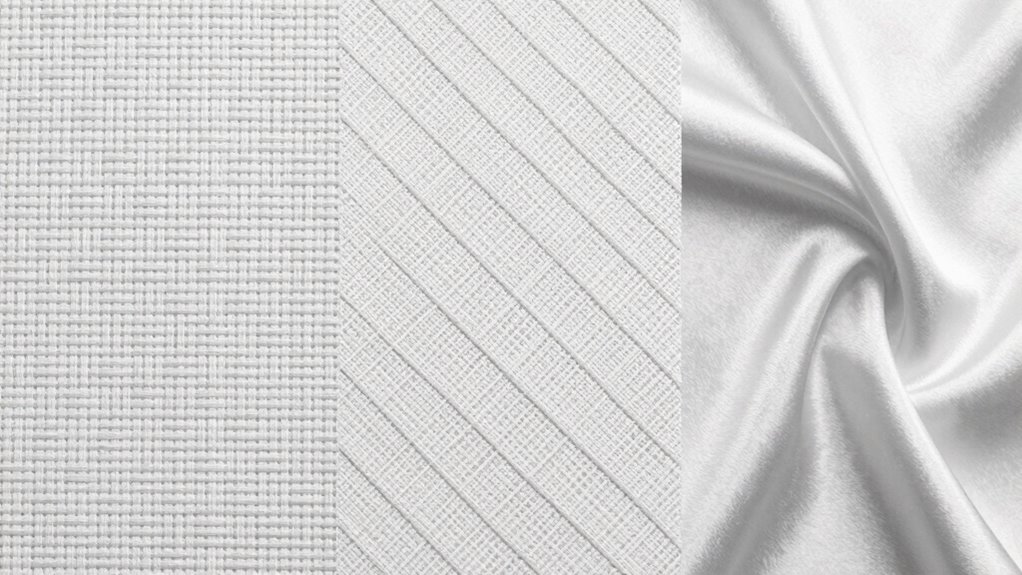

Understanding the differences between plain, twill, and satin weaves helps you choose the right fabric for your project. Plain weave is simple, durable, and has a matte finish, making it ideal for everyday items. Twill features diagonal lines, offering strength and a textured look perfect for jeans and workwear. Satin creates a smooth, shiny surface suited for luxurious garments. Learn more to pick the ideal weave for your needs and style.
Key Takeaways
- Plain weave creates a simple, matte, durable fabric with an over-and-under pattern, ideal for everyday textiles.
- Twill weave features diagonal lines, offering increased strength, durability, and a textured appearance suitable for workwear.
- Satin weave produces a smooth, glossy surface with long yarn floats, giving fabrics a luxurious, high-sheen finish.
- The choice of weave impacts fabric appearance, texture, durability, and suitability for different applications like casual wear or formal attire.
- Understanding weave differences helps in selecting fabrics that meet specific aesthetic, performance, and ethical needs.
What Are the Main Types of Fabric Weaves?
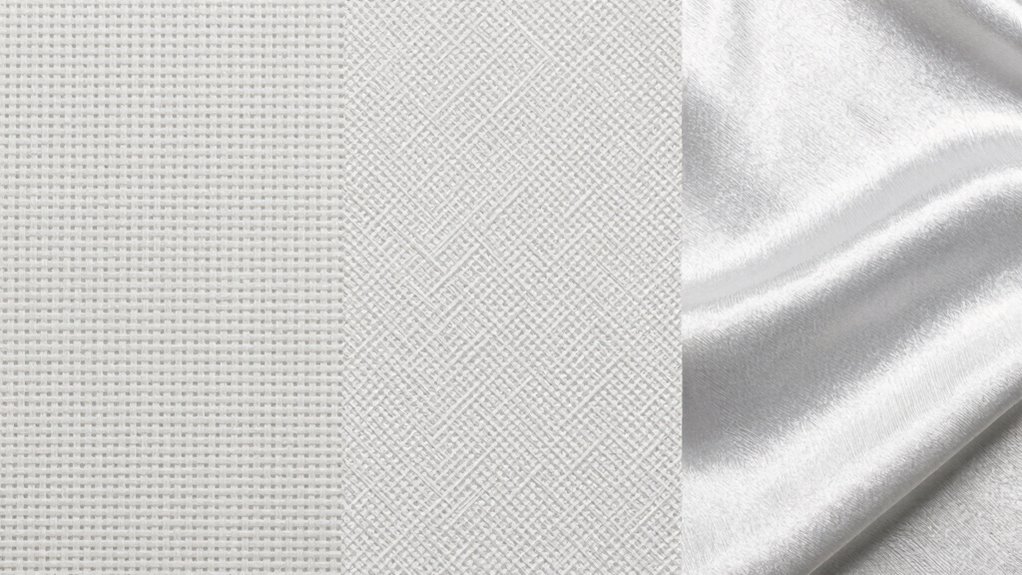
Have you ever wondered how different fabrics get their unique textures and durability? It all comes down to fiber composition and weaving techniques. The fiber composition determines the material’s strength, softness, and appearance, whether it’s cotton, silk, or polyester. Weaving techniques shape the fabric’s structure, influencing its texture and how it drapes. The main types of fabric weaves include plain weave, where yarns cross at right angles for a simple, sturdy fabric; twill weave, characterized by diagonal lines that add durability and a distinctive texture; and satin weave, which creates a smooth, glossy surface with fewer interlacings. Fabric structure plays a crucial role in how these weaves perform and feel. Technological integration in weaving methods and fabric production allows for innovative textiles with enhanced performance qualities. Understanding these core types helps you recognize how fiber choices and weaving methods combine to produce fabrics with specific qualities, making each weave suited for different uses.
How Do You Choose the Right Fabric Weave for Your Project?
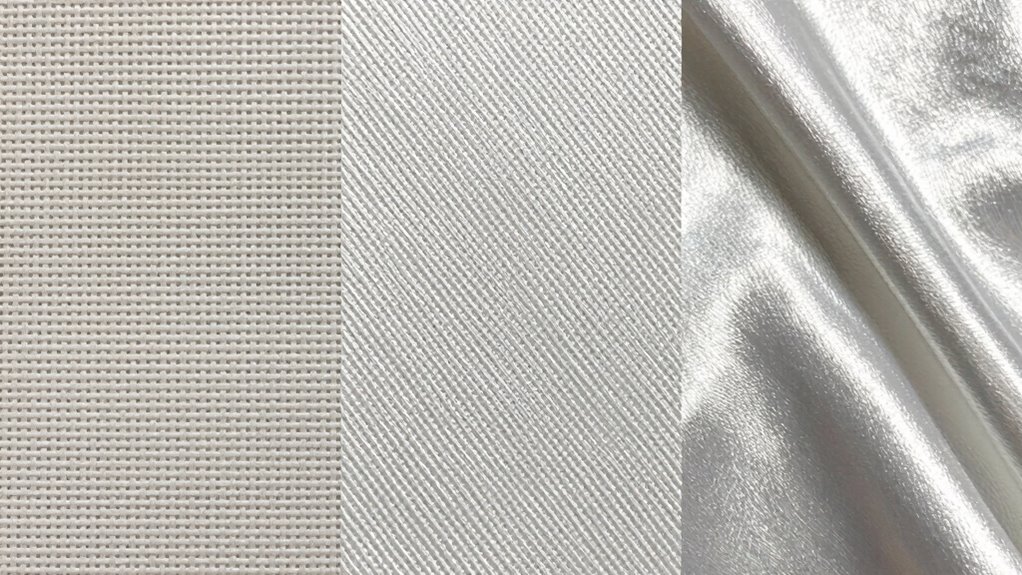
When selecting a fabric weave, consider how durable and soft the material needs to be for your project. Think about the purpose and style you want to achieve, as different weaves offer distinct textures and appearances. Matching the right weave to your goals guarantees your finished piece will look and feel just right. Additionally, understanding the impact of weave structure on appearance can help you choose the most suitable option for your desired aesthetic.
Fabric Durability and Feel
Are you wondering how to select the right fabric weave to guarantee your project lasts and feels just right? Fabric durability and feel are key factors. For durability, consider how well the fabric withstands wear over time; tighter weaves often last longer. The fabric touch influences comfort—satin feels smooth and luxurious, while twill offers a softer, more textured feel. Use this table to compare:
| Weave Type | Fabric Touch | Fabric Longevity |
|---|---|---|
| Plain Weave | Crisp, firm | Moderate |
| Twill | Soft, draped | High |
| Satin | Silky, smooth | Moderate |
| Jacquard | Rich, textured | Very high |
Choosing the right weave depends on your needs for longevity and the tactile experience you prefer. Additionally, considering the fabric weight can help ensure the chosen weave aligns with the project’s durability requirements and desired feel. Considering the auditory feedback in your project, such as the sound of fabric movement, can also influence your choice.
Project Purpose and Style
Choosing the right fabric weave starts with understanding your project’s purpose and style. Your fabric pattern influences the overall look, while sewing techniques determine how it performs. To help decide, consider these factors:
- Will the project require durability or softness? For example, twill offers strength, ideal for jeans, while satin lends a smooth finish for elegant garments.
- How visible do you want the weave pattern? Plain weaves showcase simple textures, whereas satin and twill create more distinctive surfaces.
- What sewing techniques will you use? Some weaves, like satin, need specific handling to prevent snagging, affecting your choice based on skill level.
- Additionally, understanding the type of weave can help you select the optimal fabric for your needs and ensure the finished project meets your expectations.
What Are the Characteristics and Uses of Plain Weave?
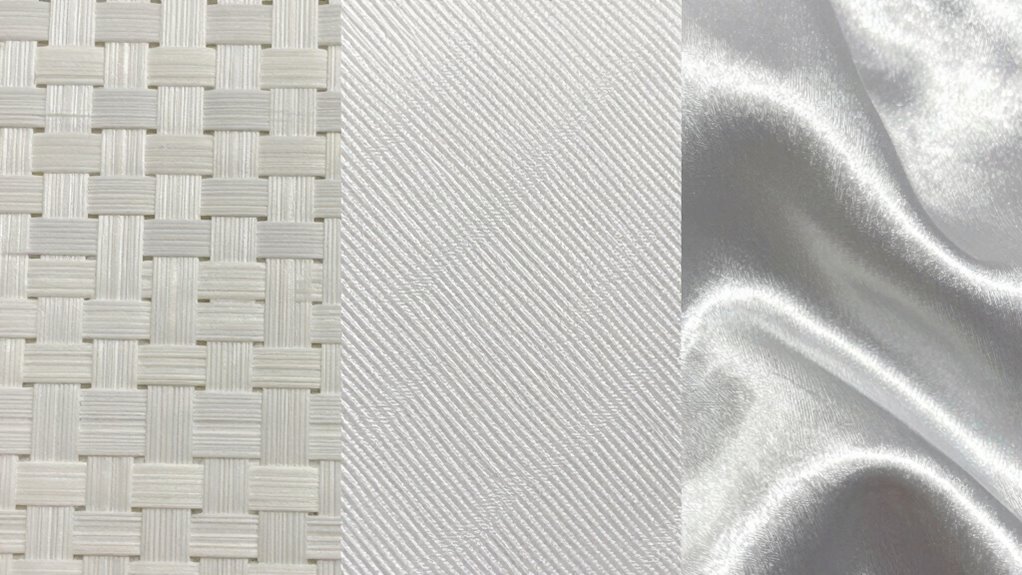
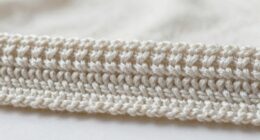
What makes plain weave the most fundamental and widely used textile structure? Its simple over-and-under weave pattern variations make it it easy to produce and highly versatile. This structure is a cornerstone of traditional textile techniques, dating back thousands of years across cultures. Plain weave creates fabrics that are durable, strong, and relatively flat, making them suitable for a broad range of applications. You’ll find it in everything from everyday clothing to household items like towels and tablecloths. Its straightforward construction allows for quick production and consistent quality. Because of its simplicity and reliability, plain weave remains a popular choice for both beginner and experienced weavers, ensuring durable fabrics that serve a multitude of functional and aesthetic purposes. Additionally, understanding piercing care and hygiene can be related to maintaining the integrity and longevity of woven textiles through proper handling and cleaning. Moreover, the emphasis on community and cultural connections in Indigenous wellness practices highlights the importance of preserving traditional weaving techniques, which are often integral to cultural identity. Furthermore, the ease of fabric inspection for plain weave helps in identifying flaws early, contributing to its widespread use in quality textile manufacturing.
Why Is Twill Weave a Popular Choice? Features and Suitable Projects
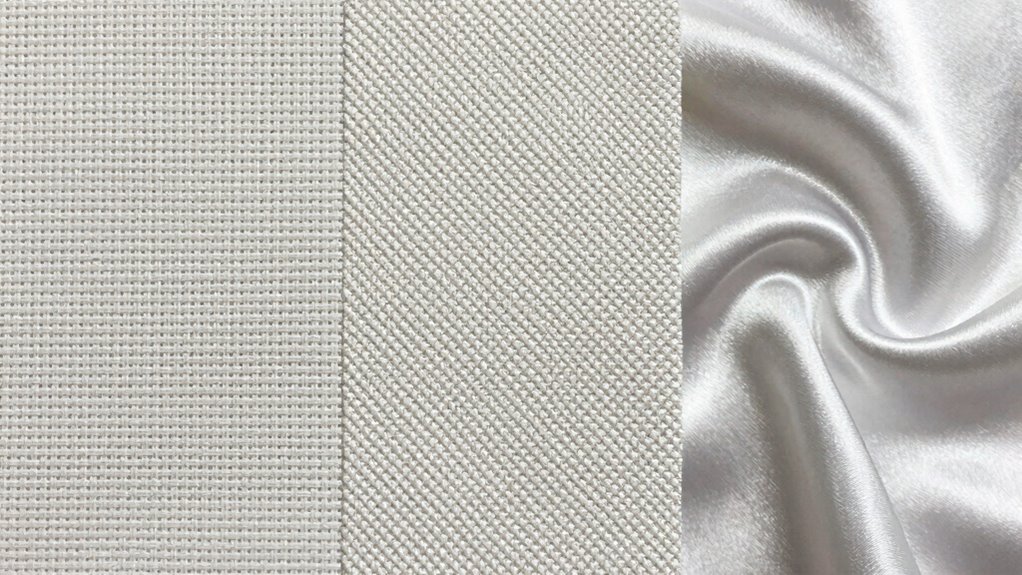
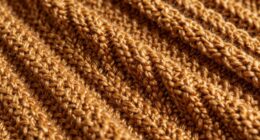
Twill weave has become a popular choice because of its distinctive diagonal pattern, which adds strength and durability to fabrics. This weave’s durability makes it ideal for items subject to frequent wear, like jeans or workwear. Its structure also resists wrinkles and fading better than other weaves. You’ll find twill used in various projects, including upholstery, denim, and outdoor gear, thanks to its resilience. Unlike satin’s luxury sheen, twill offers a more subdued, textured appearance that emphasizes durability. Here are some reasons why it’s favored:
- Exceptional Twill Weave durability, perfect for daily use.
- The diagonal pattern adds visual interest and structural strength.
- Versatility makes it suitable for both fashion and functional projects.
How Does Satin Weave Create Smooth, Lustrous Fabrics?
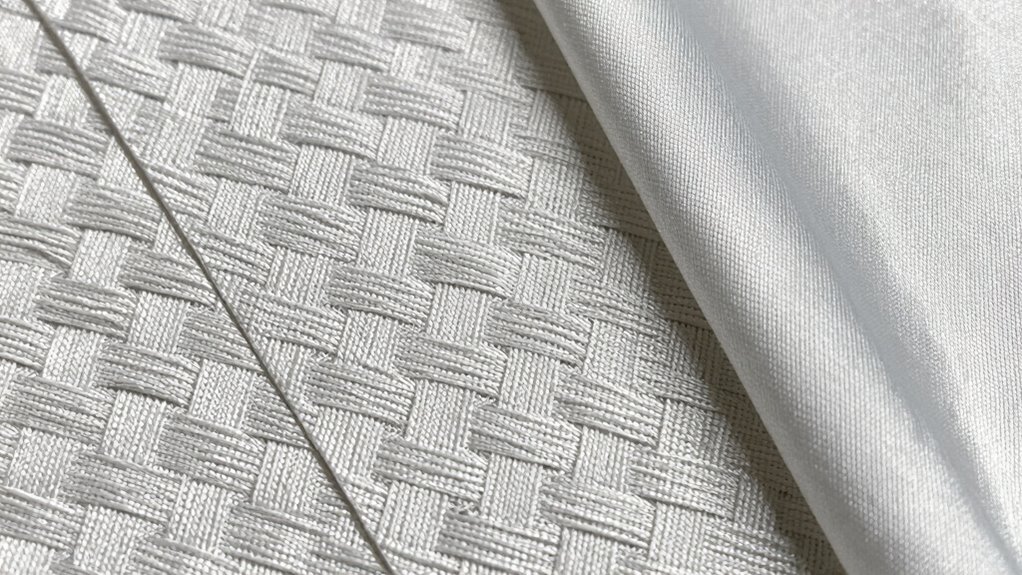
Satin weave creates fabrics with a smooth, lustrous surface by using a specific combination of warp and weft yarns. This technique ensures that long floats of yarn pass over multiple threads before interlacing, giving the fabric a lustrous finish and smooth surface. The extended floats reflect more light, enhancing the fabric’s shine and creating a sleek appearance. This structure minimizes surface irregularities, making it ideal for luxurious textiles like evening gowns and bedding.
| Feature | Warp Yarns | Weft Yarns |
|---|---|---|
| Float Length | Long | Short |
| Light Reflection | High | Moderate |
| Surface Texture | Smooth | Slightly textured |
| Lustrous Finish | Enhanced | Less prominent |
| Durability | Moderate | Good |
Which Fabric Weave Is Best for Your Needs? Factors to Consider

Choosing the right fabric weave depends on your specific needs and the qualities you prioritize in your textiles. Consider these factors:
- Durability and Use: Twill weaves are strong and resistant, ideal for workwear or upholstery, while satin offers a luxurious feel for evening wear.
- Fabric Sustainability: Some weaves, like plain weave, often use less resource-intensive production—making them more eco-friendly—reflecting a growing textile history focus on sustainable practices.
- Appearance and Texture: Satin provides a smooth, shiny surface perfect for elegant garments, whereas plain weave offers a matte finish suitable for everyday use.
Understanding these factors helps you choose a weave aligned with your values, whether it’s sustainability or desired aesthetic.
Frequently Asked Questions
Can Fabric Weaves Be Combined for Unique Textures?
Yes, you can combine fabric weaves to create unique textures and enhance aesthetic appeal. By blending different weaves like plain, twill, and satin, you add depth and visual interest to your fabric. This technique allows you to achieve a customized look, making your textiles stand out. Experimenting with weave combinations gives you more control over the fabric’s feel and appearance, perfect for creating distinctive, eye-catching designs.
How Does Fabric Weave Affect Durability and Maintenance?
Durability and maintenance depend on your fabric’s fiber strength and weave elasticity. A tight plain weave offers durability but may be less flexible, making it prone to wear. Twill weaves strike a balance, providing strength with some elasticity, easing maintenance. Satin weaves feel smooth and elegant but can snag easily, demanding careful care. So, your choice impacts how long your fabric lasts and how easy it is to keep looking fresh.
Are There Eco-Friendly Options for Different Weaves?
Yes, you can choose eco-friendly options for different weaves by selecting sustainable fibers like organic cotton, hemp, or bamboo. These fibers reduce environmental impact and are often produced with less water and chemicals. Additionally, opt for fabrics dyed with eco-friendly dyes that minimize pollution. This way, you can enjoy durable, beautiful textiles while supporting sustainable practices and reducing your ecological footprint.
What Are Common Misconceptions About Weave Types?
Think of weave types as different musical instruments—each with its own tune. Many believe all weaves are equally versatile, but fiber dyeing reveals that plain weaves often limit pattern options, while twills and satins open up a world of pattern versatility. A common misconception is that one weave suits all projects; in reality, choosing the right weave depends on your desired texture, appearance, and how you plan to dye and style your fabric.
How Do Weave Patterns Influence Fabric Breathability?
Your choice of weave pattern directly impacts fabric breathability by affecting fiber density and air circulation. For example, plain weaves typically have higher fiber density, reducing airflow, while twill and satin weaves create more gaps, allowing better air circulation. If you want breathable fabric, opt for looser weaves like satin or certain twills. This balance between fiber density and air flow determines how comfortable the fabric feels against your skin.
Conclusion
Choosing the right weave might seem overwhelming, but it’s all about understanding your needs. Don’t let uncertainty hold you back—your perfect fabric is out there, waiting to bring your project to life. Remember, each weave has its unique charm and purpose. Trust your instincts, and don’t be afraid to experiment. With a little confidence, you’ll create something beautiful that lasts, proving that the right weave truly makes all the difference.