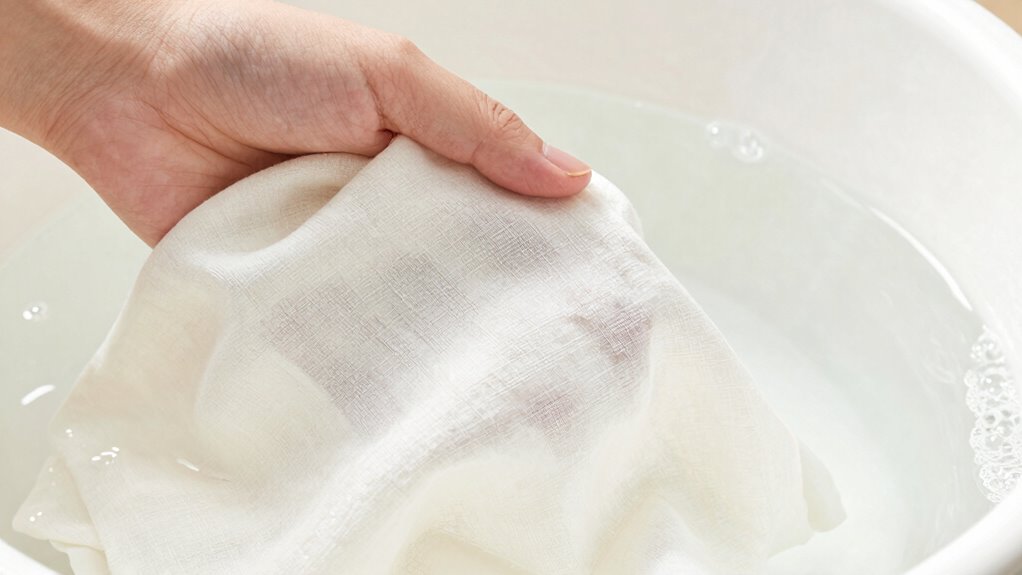
To wash linen, rayon, and cotton blends properly, always check the care label first. Use cold water and a gentle cycle to prevent shrinking, fading, or fiber damage. Add fabric softener sparingly or a bit of white vinegar for softness. Treat stains promptly and avoid high heat during drying—air drying or low heat tumble drying works best. Iron while slightly damp for a smooth finish. Keep these tips in mind, and you’ll keep your fabrics looking their best; explore further for more expert advice.

Get business pricing on tools and workshop supplies
- Business-only prices and quantity discounts
- Tax-exempt purchasing
- Multiple users, one account, clear invoices
Key Takeaways
- Check care labels for specific washing instructions before cleaning linen, rayon, or cotton blends.
- Use cold water and a gentle cycle to prevent shrinking, fading, and fiber damage.
- Avoid hot water and harsh detergents to preserve fabric color and texture.
- Add fabric softener or vinegar during rinse to maintain softness and reduce stiffness.
- Air dry or tumble dry on low heat, and iron while slightly damp for best results.
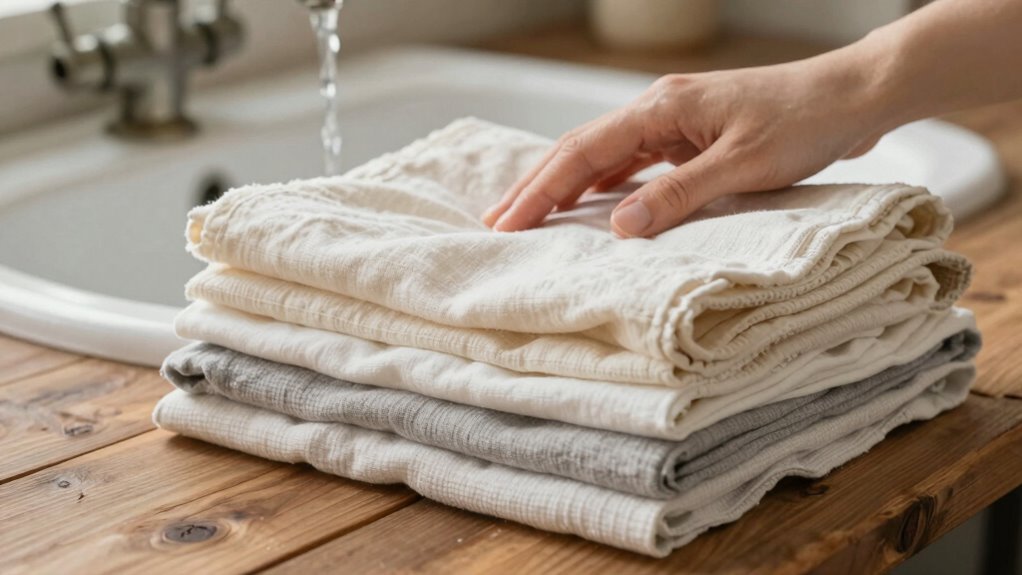
Washing linen, rayon, and cotton blends properly can help preserve their texture and appearance, but each fabric type has specific care requirements. Understanding how to handle these fabrics ensures they stay soft, vibrant, and free of damage. When washing, always check the care label first, but generally, you’ll want to use cold water to prevent shrinking and color fading. Hot water can weaken fibers and cause colors to bleed, especially in rayon and cotton blends. Use a gentle cycle to reduce agitation, which can stretch or distort delicate fabrics.
Proper washing preserves the softness and vibrancy of linen, rayon, and cotton blends while preventing damage.
Fabric softening is essential to keep linen, rayon, and cotton blends feeling smooth and comfortable after washing. You can add a fabric softener during the rinse cycle, but avoid overdoing it, as too much can build up on fibers and affect breathability. Alternatively, white vinegar is a natural softener that also helps remove residues that can cause stiffening. Just add half a cup during the rinse, and your fabrics will stay plush without chemical buildup. Proper fabric softening can also help maintain the integrity of delicate fibers over time. Additionally, choosing the right detergent formulated for delicate fabrics can further protect these blends from damage.
Stain removal is another critical aspect of washing these blends. For common stains, like food or dirt, treat them promptly with a stain remover or a mixture of water and mild detergent. Gently blot the stain rather than rubbing, which can embed it further into the fibers. For tougher stains like ink or oil, apply a small amount of rubbing alcohol or dish soap directly to the affected area before washing. Always test any stain removal method on a small, hidden section first to avoid discoloration or fabric damage. Proper stain treatment can significantly extend the life of your garments, especially when dealing with different stain types. To enhance stain removal effectiveness, consider pre-soaking the fabrics in cold water before washing.
When drying, avoid high heat, as it can cause shrinkage and weaken fibers. Instead, opt for air drying or tumble dry on a low or no-heat setting. Hanging your linen, rayon, and cotton blends to dry in the shade prevents sun damage and fading. If you prefer ironing, do so while the fabric is still slightly damp or use a steam iron on the appropriate setting, usually low to medium. This helps smooth out wrinkles without damaging the fibers. Additionally, proper storage can prevent unnecessary wear and tear on your garments and keep them looking their best over time. Using breathable storage containers and avoiding overcrowding can also help maintain their shape and freshness.
Proper storage also plays a role in maintaining the quality of your fabric blends. Store them in a cool, dry place, folded neatly or hung on padded hangers to prevent stretching or creasing. Regularly cleaning and caring for your linen, rayon, and cotton blends will extend their lifespan, keeping them comfortable and looking fresh. With the right approach to fabric softening, stain removal, and gentle handling, your favorite garments will look and feel their best for years to come.
gentle laundry detergent for delicate fabrics
As an affiliate, we earn on qualifying purchases.
As an affiliate, we earn on qualifying purchases.
Frequently Asked Questions
Can I Use Fabric Softener on Linen, Rayon, or Cotton Blends?
Yes, you can use fabric softener on linen, rayon, or cotton blends, but check for fabric softener compatibility first. Some softeners may weaken fibers or cause stains. To achieve the best softening results, consider alternative methods like vinegar or dryer balls, which are gentler and preserve fabric quality. Always follow care labels and test on small areas to prevent damage, ensuring your blends stay soft and in great condition.
How Do I Remove Stains From Delicate Fabric Blends?
Did you know 80% of fabric damage from improper stain removal could be avoided? To remove stains from delicate fabric blends, act quickly with gentle cleaning methods. Dab the stain with cold water or a mild detergent, avoiding harsh scrubbing. Use stain removal techniques suitable for delicate fabrics and always test in an inconspicuous area first. Patience and gentle care will keep your blend looking fresh and vibrant.
Is Dry Cleaning Necessary for Linen, Rayon, and Cotton Blends?
Dry cleaning isn’t always necessary for linen, rayon, and cotton blends, especially if you follow proper washing instructions. Regular hand washing or gentle machine cycles can help maintain fabric longevity and reduce environmental impact. However, for stubborn stains or delicate finishes, dry cleaning might be best. Always check care labels to guarantee you’re preserving your fabrics’ quality and minimizing environmental harm.
Can I Tumble Dry These Fabric Blends?
You can tumble dry linen, rayon, and cotton blends, but do so on a low heat setting to prevent fabric shrinkage and color fading. High heat risks shrinking your garments and dulling their colors. To keep your fabrics looking fresh and intact, remove them promptly from the dryer and air-dry if possible. Always check care labels; they offer the best guidance for maintaining your blends.
How Often Should I Wash These Fabric Types?
You might wonder how often to wash your linen, rayon, and cotton blends, and the answer affects their fabric longevity and stain prevention. Wash them after every few wears or when they’re visibly dirty to keep them looking fresh. Over-washing can weaken fibers, while infrequent cleaning risks stains setting in. Strike the right balance, and you’ll preserve their quality and appearance, ensuring they last longer and stay vibrant.
Conclusion
By following these simple steps, you’ll keep your linen, rayon, and cotton blends looking pristine and feeling luxurious for ages—almost like they’ve been kissed by the fabric gods themselves. Remember, treating your delicate fabrics with care isn’t just about cleanliness; it’s about preserving the essence of their beauty and softness. So, take your time, handle them gently, and watch your wardrobe transform into a collection of timeless elegance that outshines even the most dazzling of treasures.
Halloween Picks
halloween
As an affiliate, we earn on qualifying purchases.