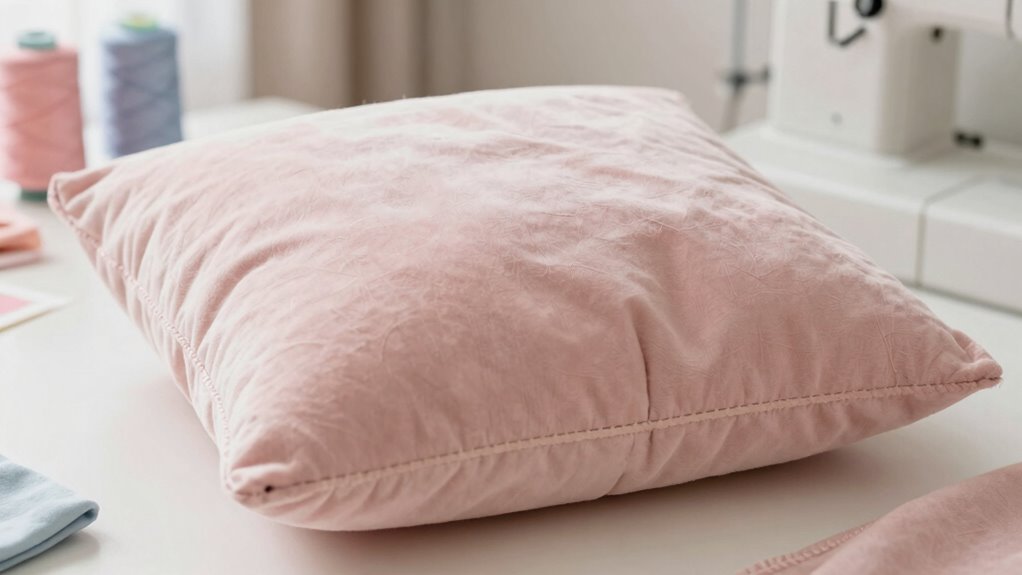
Making a tablet stand pillow is a fun, practical sewing project that boosts your device’s ergonomics and adds a cozy touch to daily use. You’ll select soft, durable fabrics, measure and cut your pieces accurately, and sew a snug cover to fit your tablet perfectly. Adjusting support angles guarantees comfortable viewing, while personalized embellishments make it uniquely yours. Keep exploring—there’s plenty more tips to help you craft a pillow you’ll love to use every day.
Key Takeaways
- Measure your tablet accurately and add seam allowances to ensure a snug, supportive fit for comfortable viewing.
- Choose durable, soft fabrics like cotton or linen for long-lasting comfort and easy sewing.
- Sew fabric pieces with precise, reinforced seams, leaving an opening for stuffing and shaping the pillow.
- Adjust the pillow’s support angle with additional cushions or supports for ergonomic viewing and neck relief.
- Personalize your pillow with fabrics, embellishments, and trims to match your style and make it a functional decorative piece.
Top picks for "make tablet stand"
Open Amazon search results for this keyword.
As an affiliate, we earn on qualifying purchases.
Why Make a Tablet Stand Pillow? Benefits of a Cozy, Practical Accessory
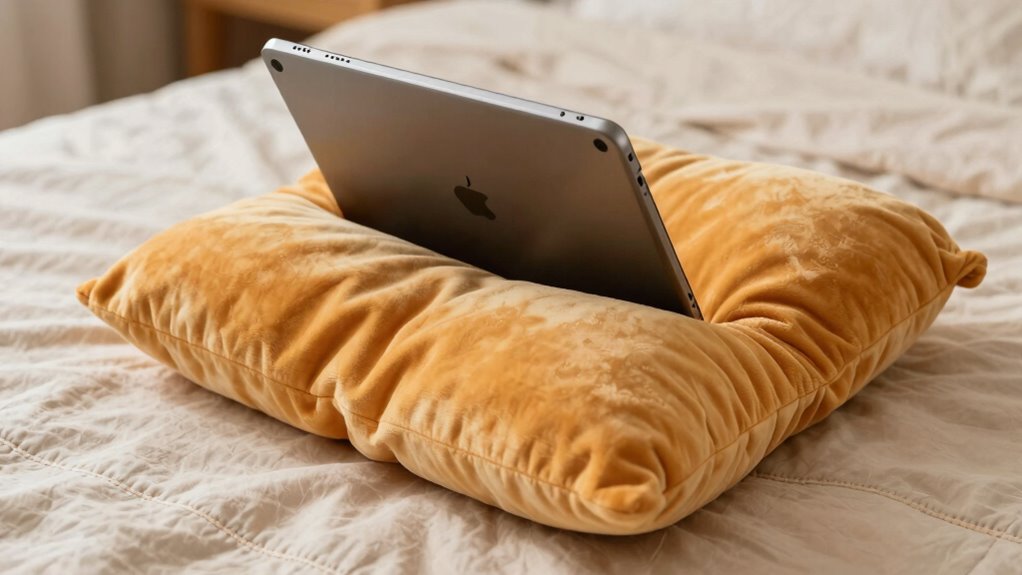
Creating a tablet stand pillow offers a simple yet effective way to enhance your daily routine. When you use one, you improve tablet ergonomics, reducing neck and eye strain during long sessions. The pillow keeps your device at a comfortable angle, making it easier to view without hunching over. Additionally, the pillow can be customized with adjustable support to better suit your viewing preferences. Plus, it provides device stability, preventing accidental slips or falls that could damage your tablet. This cozy accessory also promotes better posture, helping you avoid discomfort over time. Using a well-chosen material can enhance both the durability and comfort of your pillow. Selecting appropriate materials for DIY projects ensures the pillow holds up through daily use and washing. Incorporating ergonomic design principles into your pillow can further improve its comfort and support. Whether you’re working, reading, or watching videos, a tablet stand pillow keeps your device steady and accessible. It’s a practical, personalized solution that transforms how you use your tablet, making your experience more comfortable and less stressful.
What You’ll Need to Make Your Tablet Pillow (Materials and Tools)
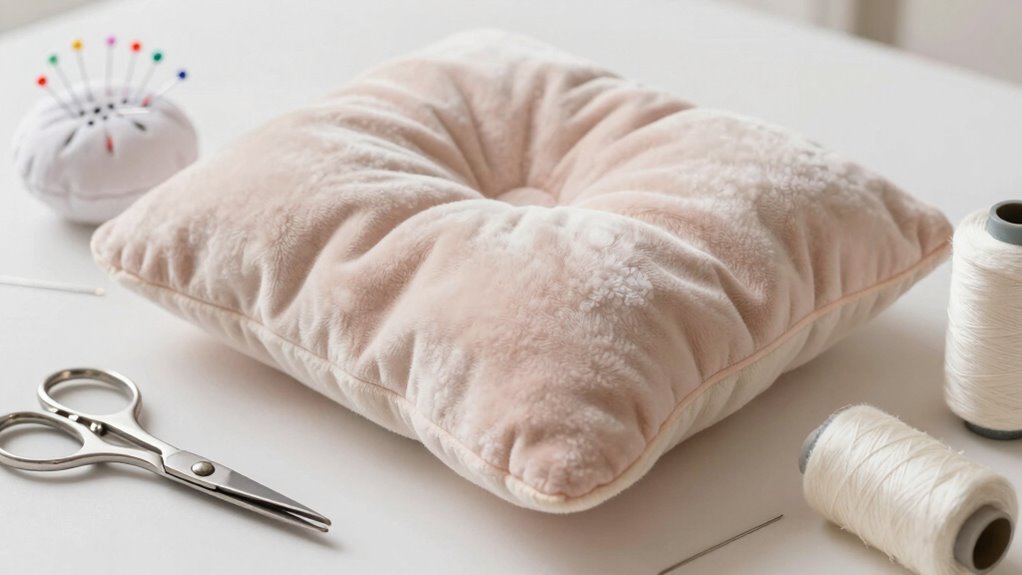
To create your tablet stand pillow, you’ll need to gather some essential materials and tools. Choose the right fabric that’s soft and durable, and have basic sewing supplies ready to go. If you want to add a personal touch, optional decorative supplies can enhance your pillow’s look. Incorporating Free Floating designs can give your pillow a unique and modern appearance. Additionally, understanding fabric selection techniques ensures your finished pillow will be both comfortable and long-lasting. Exploring European cloud innovation concepts can inspire creative ways to incorporate sustainable design principles into your sewing projects. Considering diverse design options can help you customize your pillow to match your interior decor and personal style. Being aware of current cybersecurity best practices can also help protect your digital designs and patterns online.
Essential Fabric Choices
Choosing the right fabrics is essential for making a sturdy and comfortable tablet stand pillow. You want fabric durability to guarantee your pillow withstands daily use without tearing or fraying. Look for sturdy materials like cotton or linen blends that hold up well over time. Color coordination is also important; selecting fabrics that match your decor creates a cohesive look. Consider choosing a patterned fabric for the main body and a coordinating solid for accents or lining to add visual interest. Avoid delicate or stretchy fabrics that may lose shape or slip out of place. By picking durable, well-coordinated fabrics, your pillow will not only be functional but also stylish, making it a cozy addition to your daily routine. Additionally, selecting UV filters in your fabrics can help protect your pillow from sun damage and fading over time. Incorporating fabrics with UV protection properties can further enhance your pillow’s longevity and appearance. To support your overall wellness, choosing natural fibers can also promote better breathability and comfort during use. Considering fabrics with air permeability can improve airflow and prevent overheating during extended use.
Basic Sewing Tools
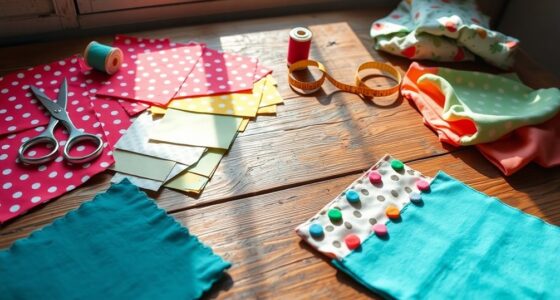
Before you start sewing your tablet stand pillow, gather the basic tools you’ll need to make the process smooth and efficient. A sewing machine is essential for quickly stitching your fabric pieces together, but you can also sew by hand if preferred. Have a variety of fabric patterns on hand to add visual interest—think cozy prints or simple solids. Keep scissors or rotary cutters nearby to cut your fabric accurately. Pins or clips will help hold your fabric layers in place while sewing. A measuring tape or ruler ensures precise dimensions. Also, prepare some matching or contrasting thread to match your fabric patterns. Knowing how everyday kitchen tools work can help you better understand sewing techniques and avoid common mistakes. With these tools, you’ll be ready to create a comfy, functional pillow that holds your tablet perfectly.
Optional Decorative Supplies
Adding some decorative supplies can personalize your tablet stand pillow and give it a polished look. Decorative accents, like fabric trims, buttons, or appliqués, are great options to enhance its appearance. Optional embellishments, such as embroidery or decorative stitching, add unique charm and character. These supplies are entirely up to you—use what matches your style and the decor of your space. Keep in mind that decorative accents can be simple or elaborate, depending on your preference. They’re not necessary for functionality but can make your pillow stand out as a cozy, personalized piece. Incorporating media literacy can guide you in choosing the right embellishments to match your aesthetic and ensure your creation is both beautiful and functional. Gather any additional embellishments you love, and feel free to mix and match to create a design that’s truly your own.
How to Measure and Cut Your Pillow for the Perfect Fit
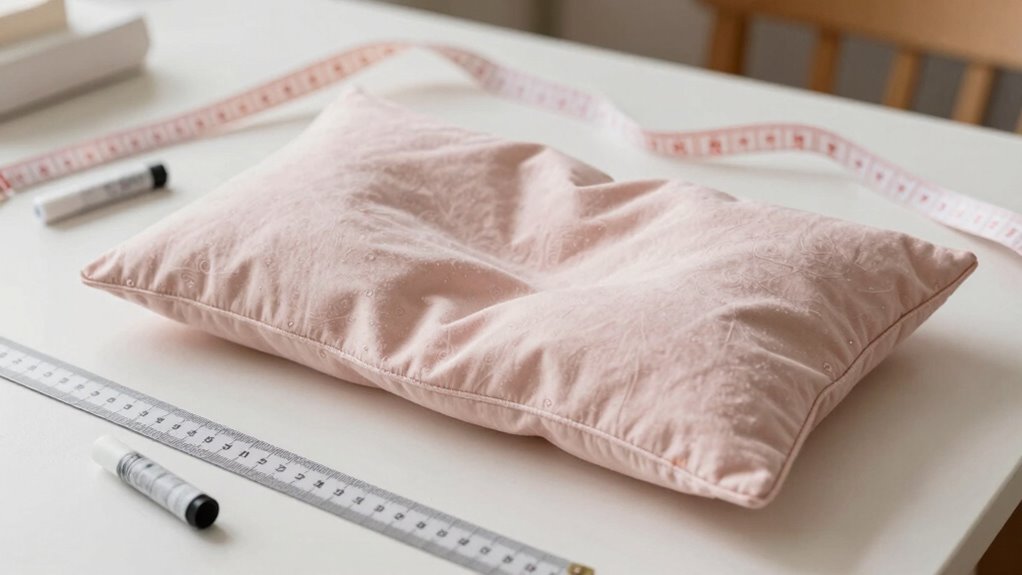
To guarantee your pillow fits perfectly as a tablet stand, start by measuring the dimensions of your device accurately. Use measuring tips like placing your tablet flat on a ruler or tape measure, noting the height, width, and thickness. Add an extra half-inch to each measurement for seam allowances and padding comfort. When cutting your fabric, employ precise cutting techniques—use sharp scissors and a ruler or straight edge to ensure clean, straight lines. Double-check your measurements before cutting to avoid mistakes. Remember, accurate measurements result in a better fit and more stable support for your tablet. Taking your time with these steps ensures your pillow will be both functional and comfortable, making your sewing project a success. Being mindful of everyday safety during your project can help you avoid accidents and injuries. Additionally, understanding fabric selection can enhance the durability and appearance of your pillow, especially when choosing materials with soundproofing qualities for added comfort and stability. Incorporating hydroponic principles into your fabric choice can also improve breathability and moisture control, ensuring a longer-lasting and more comfortable pillow. Being aware of moisture management techniques can further help prevent mold or mildew from developing inside your pillow over time.
Sew Your Pillow Cover: Step-by-Step Instructions for Comfort and Durability
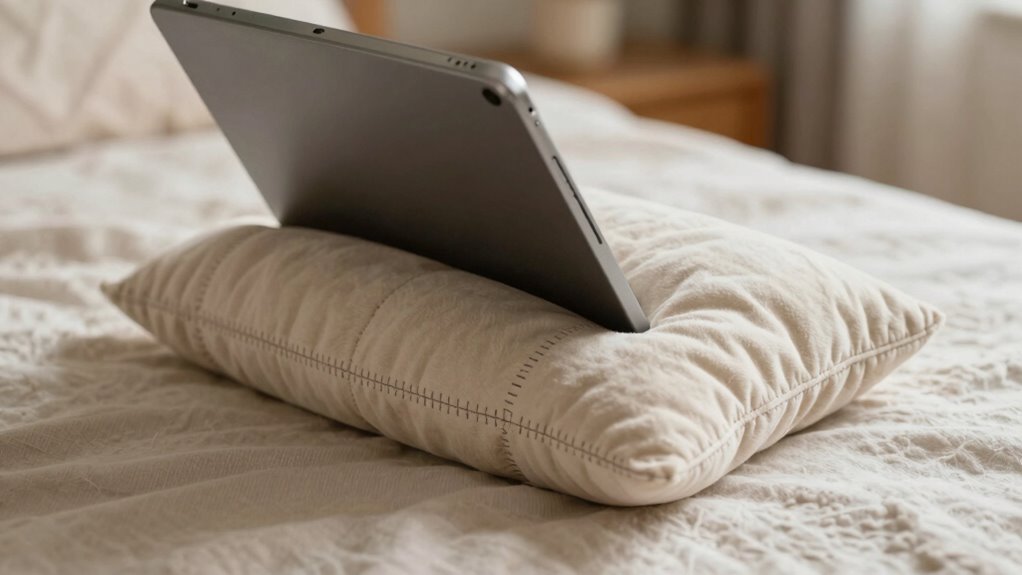
Sewing your pillow cover is a straightforward process that guarantees your pillow is both comfortable and durable. Start by choosing fabric patterns that match your style and purpose. Use a sharp needle and matching thread to ensure clean, strong seams. Fold the fabric right sides together and pin the edges, keeping the fabric flat to avoid puckering. Employ basic sewing techniques like straight stitching along the edges, leaving an opening for stuffing. Reinforce the corners with backstitches for extra durability. Once sewn, trim excess fabric and clip corners for smooth edges. Turn the cover right side out and press the seams flat. Additionally, selecting appropriate fabrics such as natural fibers or durable textiles can enhance the longevity and comfort of your pillow cover. Incorporating sewing best practices such as maintaining consistent stitch length and tension can further improve the durability of your finished pillow. These careful sewing techniques will give your pillow cover a professional finish, ensuring it lasts through daily use.
Support and Support Angles: Tips for the Best Tablet Viewing Experience
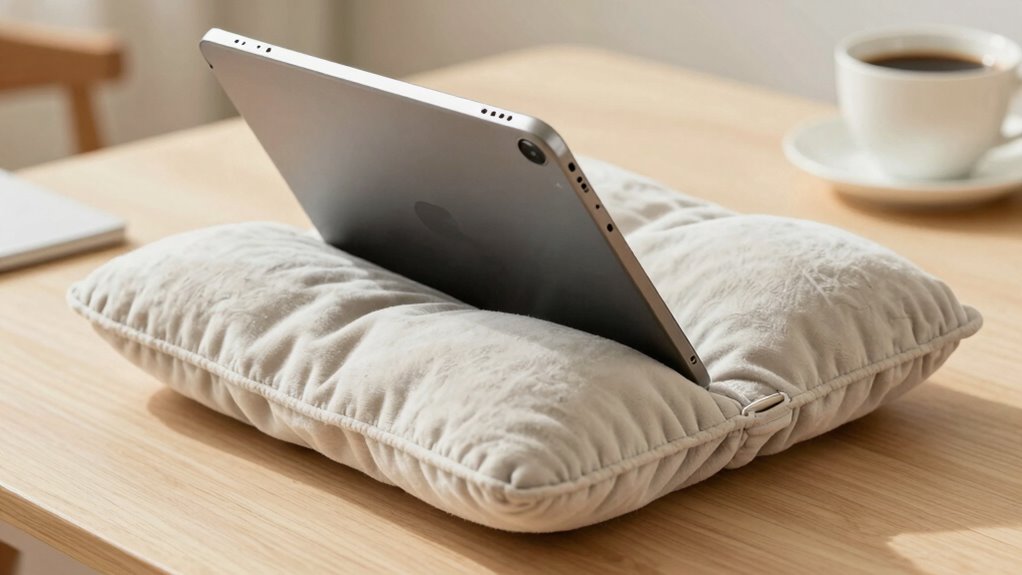
Getting the perfect viewing angle is essential for comfort and reducing strain on your neck and eyes. To achieve this, adjust your tablet’s support so it aligns with your eye level, promoting ergonomic posture. Proper support minimizes neck tension and enhances device ergonomics. Use pillows or adjustable supports to find the ideal angle, ensuring your elbows are relaxed and shoulders are level.
| Ideal Support Angle | Description |
|---|---|
| 30-45 Degrees | Best for reading or typing |
| 45-60 Degrees | Good for watching videos |
| Flat on Surface | Suitable for brief use |
| Elevated Support | Prevents neck strain |
| Adjustable Angle | Customizable for comfort |
Troubleshooting Sewing Problems: Fix Common Issues Quickly
If your stitches are uneven or puckering, your thread tension might be off. Fixing this quickly can save you time and frustration. Also, verify your seams stay aligned by checking your fabric edges regularly during sewing.
Thread Tension Troubles
When your stitches appear uneven or loose, thread tension is often the culprit. Incorrect tension can cause puckering, skipped stitches, or loose seams. To fix this, check your sewing machine calibration and adjust the tension dial accordingly. Start by testing on scrap fabric to find the right balance. If the upper thread is loose, tighten the tension; if it’s too tight, loosen it. Consistent tension ensures neat, even stitches.
| Issue | Solution |
|---|---|
| Loose stitches | Increase thread tension |
| Tight stitches | Decrease thread tension |
| Puckering fabric | Adjust tension and check fabric quality |
| Skipped stitches | Recalibrate sewing machine, re-thread needle |
| Uneven stitches | Ensure tension matches fabric and thread type |
Seam Alignment Solutions
Proper seam alignment is essential for a professional finish and smooth construction. To achieve this, carefully match your fabric edges before sewing, ensuring the seam allowances align perfectly. Use pins or clips along the seam to hold fabric matching in place, especially at corners or curves. When sewing, sew slowly and steadily, checking that your seam remains straight and even. If seams start to misalign, stop and adjust your fabric matching immediately, gently repositioning the fabric. Press seams open or to the side to help maintain proper seam alignment and reduce bulk. Consistent fabric matching minimizes puckering and ensures your pillow looks polished. Taking these small steps will improve your seam alignment and give your finished project a clean, professional appearance.
How to Personalize Your Tablet Pillow With Fabrics and Embellishments
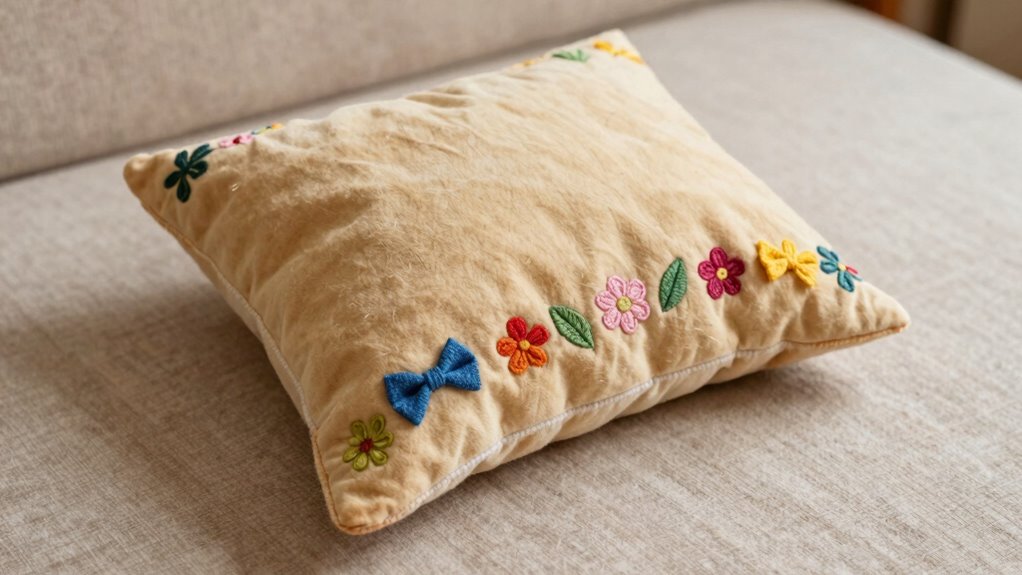
Ever wonder how to make your tablet pillow uniquely yours? Personalizing it with fabric patterns and embellishment techniques is a fun way to do that. Choose fabrics that reflect your style—bright, bold, or subtle. Mix and match patterns for visual interest or stick to one for simplicity. Use embroidery, appliqué, or fabric paint to add details. Consider the following options:
| Fabric Patterns | Embellishment Techniques |
|---|---|
| Florals, geometrics | Free-motion embroidery |
| Stripes, polka dots | Iron-on patches |
| Textured fabrics | Beads, sequins |
| Solid colors | Fabric markers |
| Vintage prints | Ribbons, lace |
These choices give your pillow a personal touch, making it truly yours every time you sew.
Creative Ideas and Variations to Make Your Tablet Stand Pillow Unique
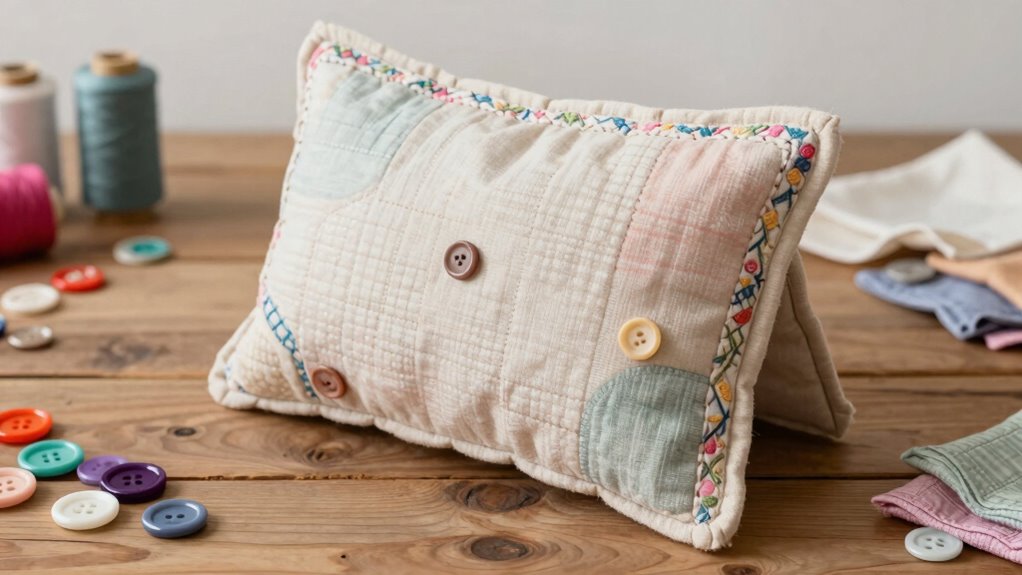
To make your tablet stand pillow truly stand out, explore creative variations that reflect your personality and style. You can experiment with different fabric patterns, such as bold prints or subtle textures, to match your decor. Adding decorative trims like lace, pom-poms, or piping enhances its charm and uniqueness. Here are some ideas:
- Mix contrasting fabric patterns for a playful look.
- Use metallic or glittery trims for a touch of glamour.
- Embroider initials or small designs to personalize it.
- Incorporate a pocket with a different fabric pattern for storage and visual interest.
These variations make your pillow one-of-a-kind, functional, and stylish—perfect for daily use. Let your creativity guide you in customizing it to suit your space and personality.
Frequently Asked Questions
Can I Use Different Sizes of Tablets for This Pillow?
Yes, you can use different sizes of tablets for this pillow by making it adjustable. When sewing, leave some extra space or add a flexible strap to guarantee an adjustable fit. This way, your pillow will securely hold various tablet sizes, making it versatile and practical. Just keep in mind the dimensions of your tablets and customize the pillow’s shape accordingly for the best, snug fit.
What Are the Best Fabrics for Durability and Comfort?
Imagine your tablet pillow surviving a toddler tornado—sounds impossible, right? For durability and comfort, opt for sturdy fabrics like denim, canvas, or upholstery-grade cotton. These choices resist wear and tear, yet remain soft enough for your skin. Avoid delicate silks or lace unless you enjoy replacing your pillow weekly. Choose fabrics that balance durability and comfort, ensuring your cozy stand keeps up with your everyday adventures—no matter how chaotic.
How Do I Clean and Maintain My Tablet Stand Pillow?
To keep your tablet stand pillow clean, follow these cleaning tips: spot clean with a damp cloth and mild detergent for fabric maintenance, avoiding harsh chemicals. For deeper cleaning, check if your fabric is machine washable—if so, gently wash on a delicate cycle and air dry. Regularly vacuum or shake out the pillow to remove dust and debris, ensuring it stays cozy and durable for daily use.
Is Sewing Experience Necessary to Make This Pillow?
You don’t need to be a sewing whiz to make this pillow, as it’s beginner friendly. No need to reinvent the wheel—your sewing skills will improve with a little practice. The project is straightforward, even if you’re just starting out, and it’s a great way to build confidence. So, don’t let a lack of experience hold you back; you’ll be surprised at what you can create!
Can I Add Pockets or Extra Features to the Pillow?
Yes, you can add pockets or extra features to your pillow. You might place pockets on the sides or back for storing chargers or earbuds, or add a strap for extra stability. Just plan your pocket placement carefully to make sure they don’t interfere with the pillow’s main function. Feel free to customize with added features like a small cushion or decorative elements to make it uniquely yours.
Conclusion
With a little crafting, you can create a cozy, customized tablet stand pillow that’s perfect for everyday use. By blending basic sewing skills with bold fabric choices, you’ll build a beautiful, practical pillow that brings comfort and convenience. So, start sewing, experiment with embellishments, and enjoy your new favorite accessory—your perfect pillow partner. Happy creating!