
Adding pockets to almost anything is a simple way to boost functionality and customize your items. You can easily sew in pocket inserts using fabric that matches or complements your garment, along with basic tools like scissors, pins, and a sewing machine. By following a few straightforward steps, you’ll create secure, professional-looking pockets. Keep in mind tips for personalizing and troubleshooting so your new pockets last and look great. If you want to master the trick, just keep going!

Get business pricing on tools and workshop supplies
- Business-only prices and quantity discounts
- Tax-exempt purchasing
- Multiple users, one account, clear invoices
Key Takeaways
- Use fabric inserts like denim or canvas for durability and seamless integration into garments or items.
- Measure and cut pocket pieces accurately, then pin or clip them securely before sewing.
- Sew around the edges with reinforced stitches, pressing seams for a professional finish.
- Customize pockets with embroidery or fabric paint for added personalization and style.
- Choose appropriate tools and techniques, including stabilizers and sharp needles, to prevent puckering and ensure durability.
fabric pocket inserts for sewing
As an affiliate, we earn on qualifying purchases.
As an affiliate, we earn on qualifying purchases.
What Is a Pocket Insert and Why Use It?

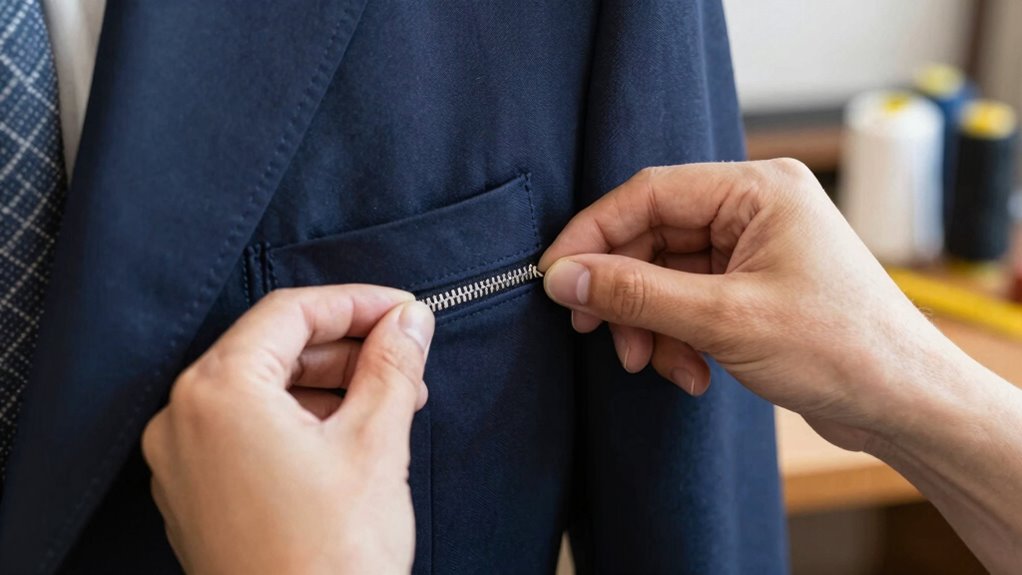
Ever wondered how to add convenient storage to almost anything? That’s where a pocket insert comes in. It’s a fabric piece sewn into a garment or item, creating extra space without altering the original design. Choosing the right fabric selection is key; you want something sturdy yet flexible, like denim or canvas, depending on the project. Sewing techniques are essential for a clean, durable pocket. You’ll need precise stitching along the edges and careful placement to ensure the pocket stays secure and functional. construction techniques play a vital role in ensuring the pocket insert is both durable and seamlessly integrated. Additionally, understanding materials used in custom projects and techniques is crucial for ensuring durability and a professional finish. Recognizing subtle signs of contamination, like unusual odors such as ear wax odor, can also help maintain the cleanliness and hygiene of your customized items. Pocket inserts are perfect for customizing clothing, bags, or even home decor. They’re simple to create once you understand how to cut and sew the fabric correctly, giving you a practical way to add storage where you need it most.
What Materials and Tools Do You Need to Add a Pocket Insert?

To add a pocket insert, you’ll need some essential materials like fabric, interfacing, and thread. Having the right hand tools, such as scissors, pins, and a sewing machine, makes the process smoother. Gathering these supplies beforehand guarantees you’re ready to create a clean, secure pocket. Consider incorporating sewing techniques to ensure your pocket seamlessly integrates with the garment’s natural drape and movement. Additionally, understanding fabric properties can help you select materials that are durable and comfortable for everyday wear. Knowing the fabric stretch can also influence how you cut and attach your pocket for a more professional finish, and paying attention to grainline ensures the pocket maintains its shape over time.
Essential Materials List
Adding a pocket insert requires a few essential materials and tools to guarantee a clean, professional result. First, choose the right fabric selection that matches or complements your garment, ensuring durability and appearance. You’ll also need sharp sewing tools like sewing pins or clips to hold your fabric in place, and a quality needle suited for your fabric type. A fabric scissors or rotary cutter helps you cut precise shapes for your pocket. A sewing machine with the appropriate sewing techniques, such as straight or zigzag stitches, is vital for secure construction. Thread matching your fabric color ensures a seamless look. Additionally, chalk or fabric markers allow you to mark your pattern accurately. Understanding fabric properties can help you select the best materials for longevity and appearance. Knowing how to identify fabric types can also influence your choice of materials for different projects. Paying attention to fabric care can extend the life of your finished pocket and garment. Being familiar with fabric durability ensures your pocket withstands regular use and washing. Furthermore, selecting appropriate sewing techniques can significantly improve the durability and professional finish of your pocket. With these materials, you’re set to create a neat, durable pocket insert.
Useful Hand Tools
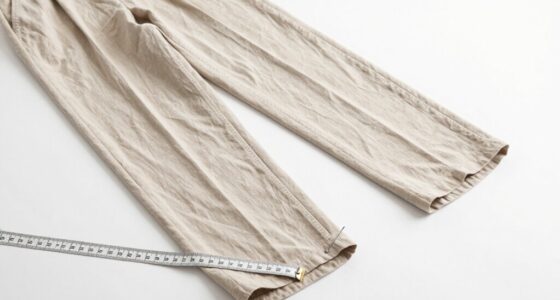
Once you’ve gathered your fabric and pattern markings, the next step is to have the right hand tools on hand to assemble your pocket. You’ll need sharp fabric scissors to cut your fabric choices accurately, ensuring clean edges. A sewing seam ripper helps correct mistakes, while pins or fabric clips secure your pieces in place for precise sewing techniques. A measuring tape or ruler ensures correct placement and seam allowances. A sewing needle or pin cushion keeps your pins organized, and an iron is essential for pressing seams smoothly. For added accuracy, a fabric marking pen or chalk helps transfer pattern details. Using proper fabric handling tools can also reduce waste and improve efficiency during your project. Incorporating sustainable sewing practices can also streamline your sewing process by setting up custom routines for cutting and pressing.
How to Add a Pocket Insert in 6 Simple Steps

To add a pocket insert, start by gathering all the necessary materials. Then, follow each step carefully to guarantee your pocket is secure and neatly attached. With these simple steps, you’ll be able to customize your item quickly and easily. Remember to prioritize simple systems to make your modifications efficient and effective, ensuring a secure fit that lasts over time. Considering exponential growth in creative techniques can inspire innovative approaches to your project. Additionally, understanding material durability can help you select the best materials for long-lasting results. Exploring ambient-light considerations can also enhance the overall functionality and appearance of your custom pocket.
Gather Necessary Materials
Before you start, gather all the materials you’ll need to guarantee a smooth process. Begin with your fabric selection, choosing a material that matches or complements the garment. Consider the weight and stretch, depending on where you’ll add the pocket. You’ll also need basic sewing techniques, so have your sewing machine, thread, scissors, pins, and measuring tape ready. If you plan to reinforce the pocket, include interfacing or stabilizer. Keep a fabric marker or chalk handy for marking patterns. Having everything prepared beforehand ensures you won’t interrupt your project mid-way for missing tools or materials. This preparation allows you to focus on sewing techniques confidently and efficiently, making the entire process smoother and more enjoyable. Additionally, understanding fabric properties can help you select the most suitable material for durability and comfort.
Follow Step-by-Step Process
With your materials ready, it’s time to start adding the pocket insert. Begin by choosing the right fabric selection that matches or complements your garment. Cut your pocket pieces according to your pattern, ensuring clean, straight edges. Use sewing techniques like sewing a narrow zigzag or serging to prevent fraying. Pin the pocket pieces in place, aligning edges carefully. Sew around the edges, leaving an opening for insertion if necessary. Reinforce the corners with backstitching for durability. Press the seams flat to reduce bulk and give a professional finish. Carefully turn the pocket right side out, smoothing out any wrinkles. Follow these steps precisely to ensure your pocket insert is securely attached and looks polished.
Creative Ideas to Personalize Your Pocket Inserts

Personalizing your pocket inserts is a fun way to make each piece uniquely yours. Try DIY embroidery to add intricate patterns or initials that reflect your style. It’s simple to do and adds a handcrafted touch that stands out. Fabric painting is another creative option—use fabric-safe paints to create vibrant designs, doodles, or even quotes. This method allows you to experiment with colors and themes, transforming plain inserts into personalized accents. Combine both techniques for a layered, textured look. Whether you choose embroidery or fabric painting, these ideas give you the freedom to express your personality and make your sewn-in pockets truly one-of-a-kind. Don’t be afraid to get creative—your pocket inserts are the perfect canvas for your imagination.
Troubleshooting Common Problems When Installing Pocket Inserts

Installing pocket inserts can sometimes present unexpected challenges, but addressing common problems quickly can save you frustration. If your stitches keep puckering or skipping, check your sewing machine maintenance—clean and oil it regularly to guarantee smooth operation. When fabric bunches or doesn’t lay flat, reevaluate your fabric choosing tips; lightweight or stretchy fabrics may require stabilizers or a different needle. If the insert isn’t aligning properly, double-check your measurements and pin carefully before sewing. Tension issues can cause uneven stitches, so test your machine’s tension settings beforehand. Also, use sharp, appropriate needles for your fabric. Troubleshooting these common problems early helps you achieve professional-looking pocket inserts and makes the process more enjoyable.
Which Items Are Best for Adding Pocket Inserts?

Wondering which items are ideal for adding pocket inserts? You’ll find that casual jackets, jeans, and shirts are great choices because they have ample pocket placement options. These items typically offer enough space and easy access, making them perfect candidates for pocket enhancements. When selecting suitable fabrics, opt for sturdy materials like denim, canvas, or twill to ensure the pocket insert stays durable through everyday use. Avoid delicate fabrics like silk or chiffon, as they may not hold the pocket well and can tear easily. Also, consider the item’s overall design; simple, straightforward pockets work best for inserting new ones without disrupting the garment’s look. This approach guarantees a seamless, functional addition that enhances your clothing’s utility and style.
Frequently Asked Questions
Can Pocket Inserts Be Added to All Types of Clothing?
Yes, you can add pocket inserts to most types of clothing, but fabric alternatives and garment style matter. For example, lightweight fabrics work best for shirts, while thicker fabrics suit jackets or jeans. You’ll enjoy pocket customization, making your clothes more functional and personalized. Just confirm the fabric you choose matches or complements your garment’s material for seamless integration, and consider the garment’s construction for ease of adding pocket inserts.
How Durable Are Pocket Inserts Over Time?
Pocket inserts are quite durable if you choose high-quality fabric, as they offer excellent fabric longevity and wear resistance. With proper care, they can last through many washes and daily use. You should avoid excessive friction or stretching, which can weaken the material over time. In general, investing in sturdy fabrics guarantees your pocket inserts stay functional and looking good, even after extended use.
Are There Any Sewing Skills Required for This Trick?
You don’t need advanced sewing skills for this trick. Just a basic understanding of your sewing machine and fabric cutting will do. It’s simple to insert pockets; you’ll follow straightforward steps like measuring, cutting fabric, and sewing seams. With a little practice, you’ll master the technique quickly, and soon, you’ll be customizing your clothes effortlessly. This project is perfect for beginners ready to expand their sewing skills.
What Are the Best Fabric Choices for Pocket Inserts?
You should choose sturdy fabric options for pocket inserts, like cotton, denim, or canvas, as they hold up well over time. Consider lightweight options like linen or polyester blends for comfort and flexibility. Select a pocket material that matches or complements your garment, ensuring it’s durable yet easy to sew. The right fabric choices will make your pocket insert seamless, functional, and long-lasting.
Can Pocket Inserts Be Removed Easily After Sewing?
Yes, pocket inserts can be removed easily if you choose removable pocket options or use fabric compatibility techniques. To make removal simple, opt for snaps, Velcro, or press studs instead of permanent stitching. Using compatible fabrics guarantees the pocket stays secure but can still be taken out without damaging the garment. This way, you get versatile pockets that are easy to add or remove whenever you need.
Conclusion
Now, with these simple steps and creative ideas, you’re all set to transform almost anything into a handy pocket. It’s funny how a small change can make a big difference—adding convenience and personality to your favorite items. Whether you’re customizing a jacket or repurposing old bags, this trick can turn the ordinary into the extraordinary. So go ahead, experiment and enjoy the satisfying feeling of creating something uniquely yours—because sometimes, the tiniest details make the biggest impact.
Fall yard work Picks
leaf blowers
As an affiliate, we earn on qualifying purchases.