
TL;DR
Anglian Water has introduced a hose pipe ban across its region due to ongoing drought conditions. The restriction aims to conserve water as reservoir levels remain critically low. The ban impacts residential customers and is part of wider drought management efforts.
Anglian Water has implemented a hose pipe ban across its entire service area starting immediately, citing persistent drought and critically low reservoir levels. The restriction affects millions of households and aims to reduce water consumption during a period of prolonged dry weather, making it the first such ban in the region in several years.
The hose pipe ban was announced on March 24, 2024, by Anglian Water, one of the UK’s largest regional water suppliers. The ban prohibits the use of hoses for watering gardens, cleaning cars, filling paddling pools, and other non-essential water uses. The company stated that reservoir levels have fallen below 50% capacity, prompting the need for conservation measures. The restriction is expected to remain in place until conditions improve, with authorities monitoring the situation daily.
According to Anglian Water, the decision was driven by ongoing drought conditions across eastern England, exacerbated by below-average rainfall over the past six months. The company has urged customers to use water sparingly and has launched a public awareness campaign to promote water-saving practices. Local authorities and environmental agencies are also involved in managing the crisis, with some areas considering additional restrictions if drought persists.
Customers affected by the ban are advised to check their local council’s guidance and to report any water wastage. Penalties for non-compliance can include fines or other enforcement actions, as outlined in regional water management regulations.
Impacts of the Hose Pipe Ban on Regional Water Conservation Efforts
The hose pipe ban represents a significant step in regional efforts to manage water scarcity amid ongoing drought. It highlights the severity of current conditions and the need for immediate conservation measures. The ban is likely to influence household water usage patterns and may set a precedent for future restrictions if drought conditions worsen. It also underscores the importance of sustainable water management in the face of climate variability, affecting millions of residents and local ecosystems.

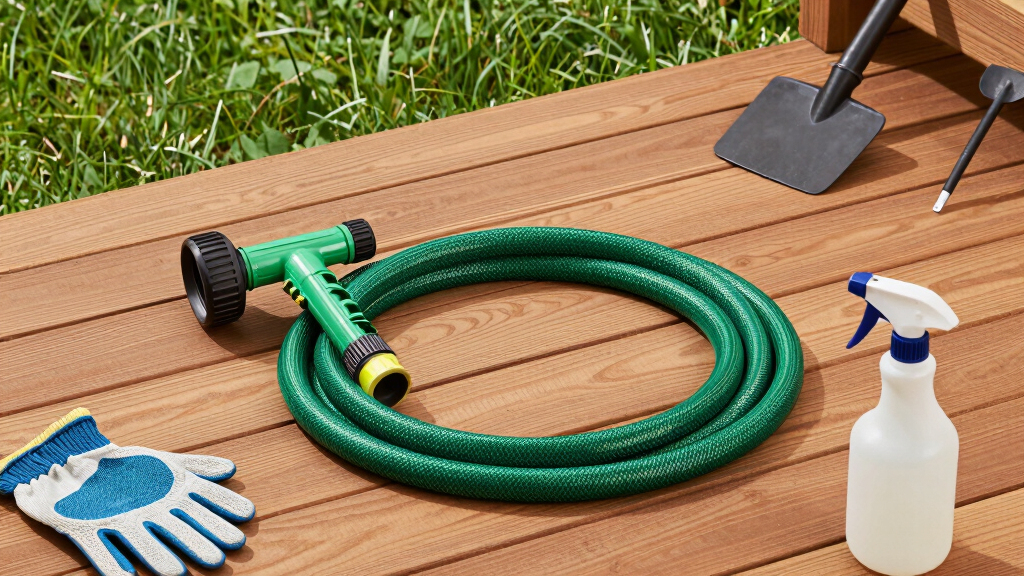
AUTOMAN-Garden-Hose-Nozzle, ABS Water Spray Nozzle with 7 Adjustable Watering Patterns, Slip Resistant for Watering Plants, Lawn& Garden, Washing Cars, Cleaning, Showering Pets & Outdoor Fun.
- 7 Adjustable Watering Patterns: Meet all watering needs with easy twist
- Premium Durable Material: Made of lightweight ABS+TPR for comfort
- Universal Fit for Garden Hoses: Fits all standard 3/4 inch hoses
As an affiliate, we earn on qualifying purchases.
As an affiliate, we earn on qualifying purchases.
Recent Drought Conditions and Water Management Measures in the UK
Over the past year, parts of eastern England, including areas served by Anglian Water, have experienced below-average rainfall, leading to declining reservoir levels. The UK government and regional water authorities have issued multiple drought alerts, urging water conservation. Previous restrictions, such as watering bans and restrictions on outdoor water use, have been implemented sporadically during dry spells. The current hose pipe ban is the most widespread measure since 2019, reflecting the ongoing severity of the drought.
Environmental experts warn that climate change may be increasing the frequency and intensity of such dry periods, prompting calls for long-term water management strategies. Local authorities are also exploring infrastructure improvements and alternative water sources to bolster resilience against future droughts.
“This hose pipe ban is a necessary step to protect our water resources during a period of unprecedented dry weather. We ask our customers to cooperate and reduce water use.”
— Anglian Water spokesperson
Uncertainties About Duration and Future Restrictions
It is not yet clear how long the hose pipe ban will remain in effect, as it depends on weather conditions and reservoir recovery. Authorities have indicated the ban could be lifted if rainfall improves and reservoir levels rise above critical thresholds, but specific timelines remain uncertain. Additionally, there is ongoing debate about whether further restrictions will be necessary if drought conditions persist or worsen.
Next Steps in Managing Water Shortages and Public Compliance
Anglian Water and regional authorities will continue to monitor reservoir levels and weather forecasts. They plan to review the ban weekly and update the public on any changes. Public cooperation, including water-saving measures and adherence to restrictions, will be crucial in mitigating the drought’s impact. Authorities may also consider additional measures, such as restrictions on outdoor watering or water use in commercial sectors, depending on evolving conditions.
Key Questions
How long will the hose pipe ban last?
The duration of the ban depends on weather conditions and reservoir levels. It will remain in place until authorities determine that water supply is sufficiently restored, which could take weeks or months.
What activities are prohibited under the hose pipe ban?
The ban prohibits watering gardens, cleaning cars, filling paddling pools, and other non-essential outdoor water uses with hoses. Essential uses, such as for firefighting or industrial processes, are typically exempt but should be confirmed with local guidelines.
Are penalties enforced for breaking the ban?
Yes, violations can result in fines or other enforcement actions, as specified by regional water regulations. Customers are advised to comply to avoid penalties.
Can I still water my garden using other methods?
Restrictions generally apply to hosepipes; using watering cans or drip irrigation systems may be permitted. Customers should check local guidance for specific exemptions.
What other measures are being taken to address the drought?
Authorities are exploring infrastructure projects, promoting water conservation, and considering additional restrictions if conditions worsen. Public cooperation remains vital.
Source: google-trends