
TL;DR
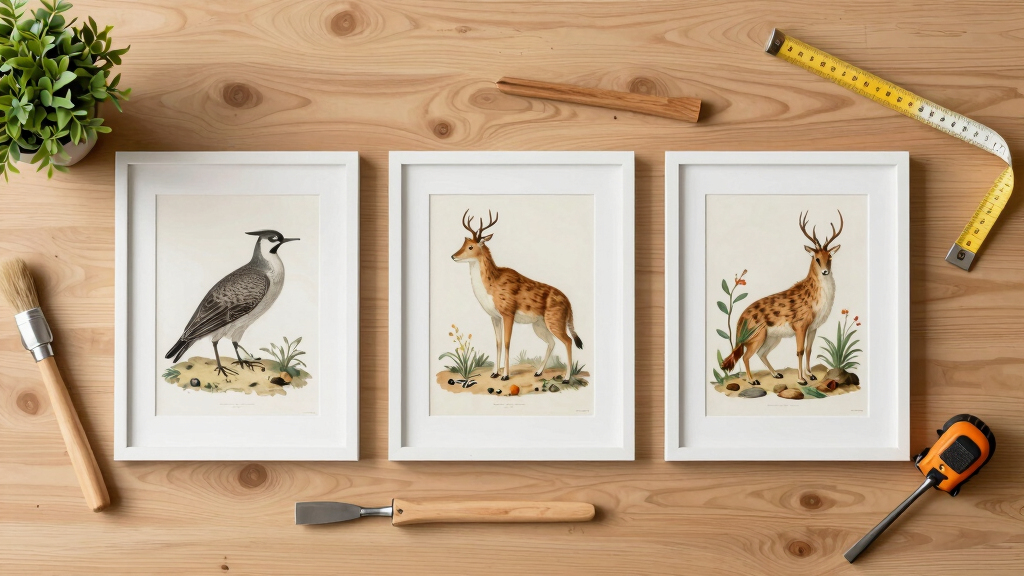
A collection of 1,300 finely detailed wildlife illustrations from the 19th century has been restored and digitized. The project aims to preserve historical natural history art and make it accessible online for research and education.
Over 1,300 detailed wildlife illustrations from the 19th century have been fully restored and are now publicly accessible online. The project, led by a team of conservationists and digital archivists, aims to preserve and share historical natural history art, highlighting the importance of 19th-century scientific illustration for education and research.
The collection includes illustrations of various animal species, plants, and ecosystems, created by renowned naturalists of the 1800s. The restoration process involved advanced digital techniques to repair damage, enhance clarity, and preserve the original artwork’s detail. The images are now hosted on an online platform managed by a major museum, allowing researchers, students, and the public to explore them freely.
According to the project coordinator, Dr. Emily Carter, the restoration involved careful digital cleaning and color correction to maintain historical accuracy. She stated, “This project not only preserves these beautiful illustrations but also restores their educational value for future generations.” The collection had been stored in archives with limited access for decades due to deterioration and lack of digital records.
Why Restoring 19th-Century Wildlife Art Matters
This restoration effort preserves a vital part of natural history and scientific documentation from the 1800s. The illustrations provide insight into how naturalists observed and recorded species before modern photography, making them valuable for both historical research and contemporary conservation efforts. Making these images accessible online democratizes access to rare and historically significant artwork, supporting education and scientific study worldwide.
Experts say that such collections can aid in understanding historical biodiversity and environmental changes over time. As Dr. Carter noted, “These illustrations are not only artistic masterpieces but also scientific records that can inform today’s ecological research.”

Coyote Vintage Unframed Poster Art Print, Retro Animal Decor Nature, Wildlife Wall Decor Artwork Decoration 60 (Coyote, 10"L x 8"W, Unframed)
- Wall Print Type: Vintage Animal Wall Art Poster
- Material: 250 gsm Matte Gallery Paper
- Durability: Fade-resistant for lifetime use
As an affiliate, we earn on qualifying purchases.
As an affiliate, we earn on qualifying purchases.
Historical Significance and Preservation Challenges of 19th-Century Wildlife Art
The 19th century marked a golden age of natural history illustration, with many artists working closely with scientists to document species worldwide. These illustrations served as primary sources for taxonomy and ecological studies before the advent of photography. Over time, many collections suffered deterioration due to improper storage, leading to loss of detail and damage.
Recent years have seen increased efforts to digitize and restore such collections, driven by advances in digital imaging and conservation science. The current project builds on previous initiatives to preserve natural history art, aiming to create a comprehensive, accessible archive of these works.
“This project not only preserves these beautiful illustrations but also restores their educational value for future generations.”
— Dr. Emily Carter
Remaining Questions About the Collection’s Accessibility and Completeness
It is not yet clear how widely the restored collection will be promoted or if additional materials from the same era are planned for future restoration. Details about the long-term preservation and ongoing digital access initiatives are still emerging. Furthermore, some experts question whether all damaged images could be fully restored or if certain original details are lost permanently.
Future Plans for Expanding and Promoting the Wildlife Illustration Archive
The project team plans to continue digitizing related collections and is exploring partnerships with educational institutions to incorporate the images into curricula. They also aim to develop interactive features on the online platform, such as zooming and detailed annotations, to enhance user engagement. Additional funding and collaboration efforts are expected to support these initiatives in the coming months.
Key Questions
How were the illustrations restored?
The restoration involved digital cleaning, color correction, and repair of physical damage using advanced imaging software, ensuring historical accuracy while improving visual clarity.
Are the illustrations available for public use?
Yes, the images are now hosted on an online platform accessible to researchers, students, and the general public at no cost.
Will more collections be restored in the future?
Plans are underway to digitize additional natural history materials, and the team is seeking partnerships and funding to expand the archive.
What makes these illustrations scientifically important?
They serve as historical records of species and ecosystems from the 19th century, providing valuable data for ecological and biodiversity studies today.
Source: hn