TL;DR

Get business pricing on tools and workshop supplies
- Business-only prices and quantity discounts
- Tax-exempt purchasing
- Multiple users, one account, clear invoices
Hunker describes a DIY project that repurposes an old chandelier as a hanging bird feeder by removing its electrical parts and attaching small bowls to its arms. The instructions call for a secure adhesive, time for it to set, and protection from heavy rain; the report does not provide testing or evidence about which birds the feeder will attract.
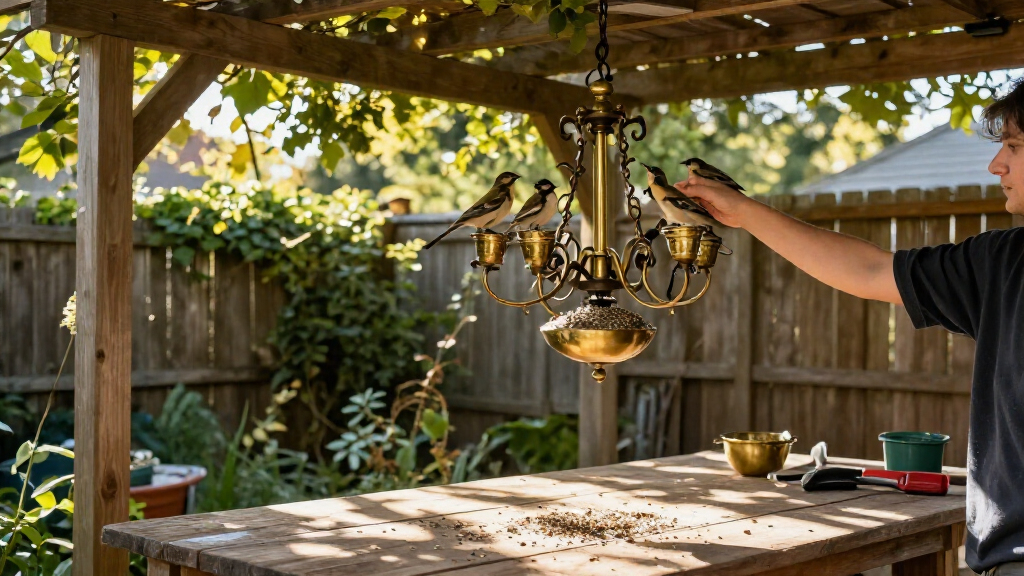
Hunker has outlined a DIY project to turn an old chandelier into a bird feeder, replacing the fixture’s bulbs with small bowls for seed. The reuse idea gives readers a way to repurpose a fixture they no longer want, but its suitability depends on safely removing electrical components and securely attaching the containers.
The project starts with a chandelier that has been disconnected from power. Hunker’s instructions say to remove the bulbs, sockets and wiring while keeping the dish-shaped fittings at the ends of the arms, known as bobeches. Those fittings serve as the surfaces for attaching the seed bowls. The source does not offer separate electrical safety guidance, so anyone uncertain about dismantling a fixture should seek qualified help rather than handle wiring.
After removing the electrical parts, the instructions call for cleaning the fixture and, optionally, repainting it with spray paint. The bowls should be washed and dried before they are attached to the bobeches with a heavy-duty adhesive. Hunker suggests weighing the bowls while the adhesive sets and leaving the assembly undisturbed for at least a day before moving on. It mentions small glass bowls and teacups as possible containers, but does not specify a required size or capacity.
Once the adhesive has set, the chandelier can be hung by its chain in a place where it can be watched, such as a tree visible from a patio. The final step is adding birdseed to the bowls. Hunker suggests using different seed types in separate containers, but supplies no evidence that this will attract a particular range of birds. It also advises moving the feeder if heavy rain is forecast to help protect the seed.
A Second Use for Old Fixtures
The project offers a practical form of reuse: instead of discarding or donating an unwanted chandelier, a household can adapt its arms to hold several small portions of birdseed. That multi-bowl layout may also make it easier to offer different seed types, although the source does not report measured results or establish which birds might visit.
For readers, the main consideration is that a decorative idea still needs to function as an outdoor feeder. Stable attachments, clean containers and weather protection matter alongside appearance. The instructions describe an inexpensive-looking repurpose but do not provide a full cost estimate, durability assessment, or guidance on how often the bowls should be cleaned and refilled.
Popular right now

Sony BRAVIA 5 85-Inch Mini LED 4K HDR Smart TV (K-85XR50)

KitchenAid Artisan Series 5-Quart Tilt-Head Stand Mixer, Dried Rose (KSM150PS)

KitchenAid Artisan 5-Quart Tilt-Head Stand Mixer, Almond Cream
As an affiliate, we earn on qualifying purchases.
How the Chandelier Becomes a Feeder
Hunker frames the project as an alternative for a fixture that has become unwanted, worn, or no longer fits a room. It says readers without a spare chandelier could look for one at a thrift store, where old light fixtures are commonly sold. The article also suggests finding bowls at a secondhand shop or buying small glass bowls, and says matching or mixed containers can be used.
The design uses the chandelier’s existing arms and bobeches to create several seed-holding points. Optional finishing touches include painting the fixture, hanging a strand of ordinary beads from its center, or adding battery-powered decorative lights. Hunker cautions against crystal chains because reflective materials can sometimes frighten birds, but the supplied report does not cite research or specify how birds respond to particular decorations.
““The birds are in luck!””
— Hunker
Durability and Bird Visits Are Unreported
The supplied report does not identify a tested chandelier model, bowl dimensions, adhesive cure conditions, or how much weight the finished fixture can safely support. It also provides no durability testing for outdoor exposure and no evidence that the design will attract particular species. Readers should check that the fixture and hanging point are secure and that the bowls remain firmly attached before adding seed.
Other practical details are not covered, including a cleaning schedule, how to keep seed dry between rainstorms, and whether the project complies with any applicable requirements for outdoor fixtures. The instructions say to remove the electrical components, but do not explain electrical work beyond that step. Anyone unsure how to make a fixture safe to dismantle should consult a licensed electrician.
Check the Build Before Filling
Hunker’s next steps for anyone following the project are to let the adhesive set for at least a day, hang the fixture by its chain in a visible location, and add birdseed. Before filling it, inspect the bowls and hanging connection for stability. Move the feeder when heavy rain is expected, as the source recommends, and monitor it after installation. The report announces no follow-up testing or additional project update.
Key Questions
What parts of the chandelier should be removed?
Hunker’s instructions say to remove the bulbs, sockets and wiring, while keeping the dish-shaped bobeches at the ends of the arms to support the bowls. Disconnect the fixture from power first; seek help from a licensed electrician if you are not comfortable removing electrical components.
What can be used as the seed bowls?
The article suggests small bowls, including glass bowls, or teacups. It does not give a required size. Choose containers that fit securely on the fixture’s bobeches and can be cleaned before use.
How long should the adhesive set?
Hunker advises leaving the assembled chandelier undisturbed for at least a day before moving to the hanging and filling steps. Follow the adhesive maker’s directions as well, since the report does not give product-specific cure instructions.
Will the feeder attract a variety of birds?
Hunker suggests putting different seed types in separate bowls to try to attract different birds. It does not provide testing or confirm which species will visit; results can vary by location and the seed offered.
Can the chandelier feeder stay outside in the rain?
The report advises moving it if heavy rain is forecast to help preserve the seed. It does not assess the fixture’s weather resistance or give broader outdoor maintenance guidance.
Source: hunker.com