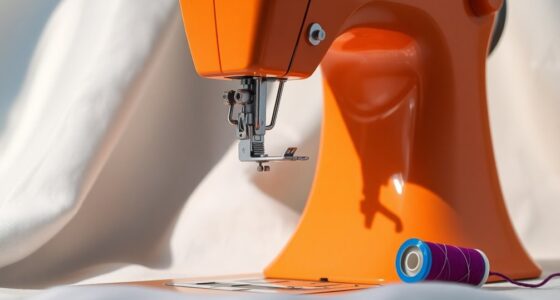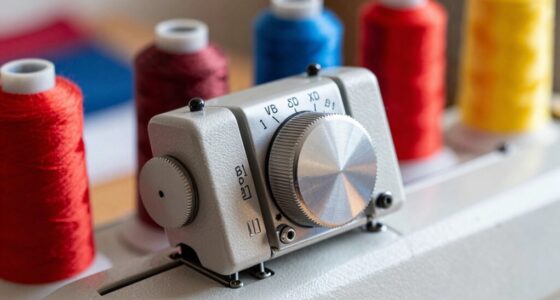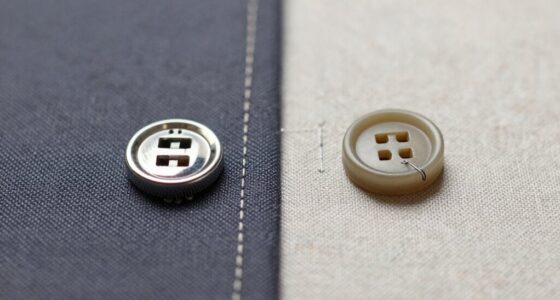

Built-in stitches are essential for creating durable, professional-looking garments. Focus on basic stitches like straight and zigzag for structural seams, as they provide strength and flexibility. Decorative stitches add personality but aren’t always suitable for high-stress areas. Adjust stitch length, width, and tension to suit your fabric and project. Knowing which stitches truly matter helps you sew smarter. If you keep exploring, you’ll discover how to make every project both functional and beautifully finished.
Key Takeaways
- Basic straight and zigzag stitches are essential for strong, durable seams and finishing edges in garments.
- Decorative stitches enhance visual appeal but should be used thoughtfully in areas subject to stress.
- Understanding stitch purpose helps select the right stitch for structural integrity and aesthetic detail.
- Proper adjustment of stitch tension and length ensures professional, long-lasting garment finishes.
- Reserve decorative stitches for embellishments, not structural seams, to maintain garment durability.
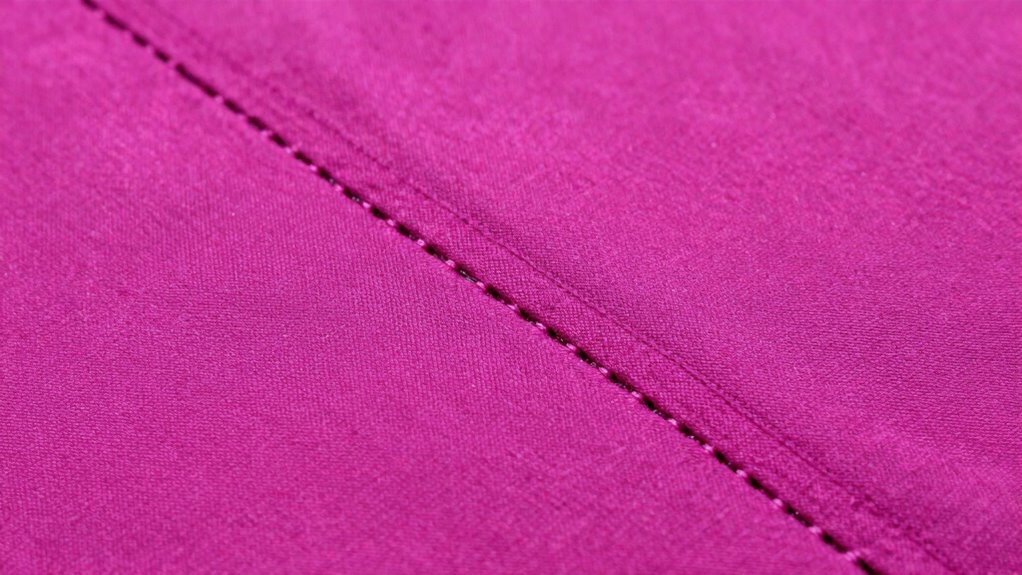
Built-in stitches are essential features in garment sewing that provide both durability and professional finishings. These stitches are the foundation of most sewing projects, ensuring your garments hold together firmly while offering a polished look. But beyond basic seam construction, many sewing machines come equipped with a variety of built-in stitches, including decorative stitches and embellishment techniques, which can elevate your sewing game. Understanding which built-in stitches truly matter helps you decide when to use them and how to incorporate them effectively.
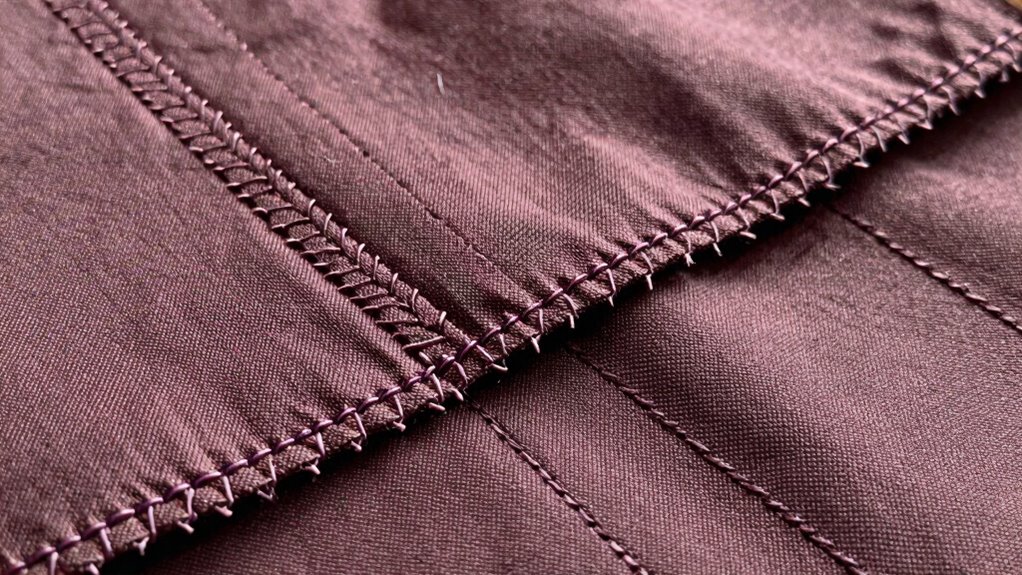
Decorative stitches are among the most popular built-in stitches because they add visual interest and personality to your garments. These stitches aren’t just for decoration—they can also serve functional purposes, like reinforcing seams or hemming. When used thoughtfully, decorative stitches can transform a plain garment into something unique and professional-looking. For example, you might use a decorative zigzag stitch to finish raw edges or a floral pattern to embellish a pocket or collar. These embellishment techniques are especially useful when you want to add a personal touch or match a specific style. They’re quick, easy, and often require no additional materials, making them a favorite for hobbyists and seasoned sewists alike.
Decorative stitches add personality, serve functional purposes, and transform simple garments into professional-looking creations.
However, not all decorative stitches are suited for every project. Some are primarily aesthetic and may not hold up well under stress or frequent washing, so it’s wise to reserve them for embellishments rather than structural seams. You should also consider the stitch width and length—wider or longer decorative stitches can be striking but might be more prone to snagging or breaking if overused. Experimenting on scrap fabric first can help you find the perfect balance between beauty and durability. Additionally, understanding built-in stitches and their specific purposes can help you select the most appropriate stitch for each task, ensuring your garments are both beautiful and functional. Knowing the different types of stitches available on your machine can also help you explore more creative design options and improve your overall sewing skills. Being familiar with the different types of decorative stitches available on your machine can also inspire creative design choices. Furthermore, learning about stitch tension and how it affects stitch quality can make your finished projects look more professional.
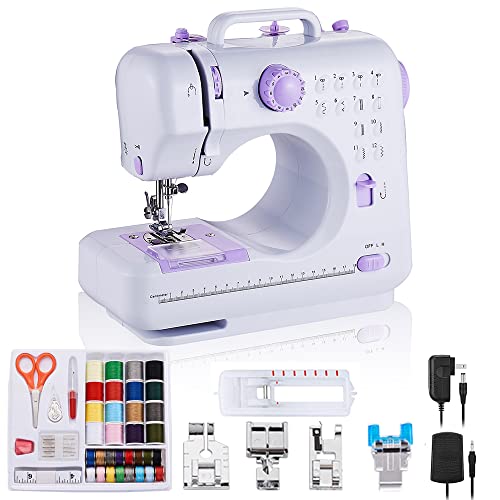
rxmeili Sewing Machine Portable mini Electric Sewing Machine for beginners 12 Built-in Stitches 2 Speed with Foot Pedal,Light, Storage Drawer.
- Compact Size and Lightweight: Weighs 2.4KG, measures 12.2×5.9×11.8 inches
- Dual Power Options: AC adapter or 4 AA batteries
- Easy Operation: Foot pedal and button controls
As an affiliate, we earn on qualifying purchases.
As an affiliate, we earn on qualifying purchases.
Frequently Asked Questions
Are Built-In Stitches Compatible With All Sewing Machine Brands?
Built-in stitches are generally compatible with most sewing machine brands, but brand compatibility varies. You need to check your machine’s specifications to guarantee it supports stitch customization and has the necessary features. Some brands offer exclusive stitches or specific settings, so compatibility isn’t universal. Always consult your machine’s manual or manufacturer to confirm which built-in stitches work with your sewing machine, ensuring smooth sewing without compatibility issues.
How Do I Select the Best Stitch for Delicate Fabrics?
Did you know that choosing the right stitch can increase fabric durability by up to 30%? To select the best stitch for delicate fabrics, start with proper fabric preparation—wash and press it carefully. Use a fine, narrow stitch like a zigzag or a specialty stitch designed for delicate textiles. This helps prevent puckering and guarantees stitch durability without damaging sensitive fibers. Always test on scrap fabric first to find your perfect match.
Can Built-In Stitches Be Customized or Adjusted?
Yes, built-in stitches can often be customized or adjusted. You can typically modify stitch length, width, and tension using your sewing machine’s controls, giving you more control over your sewing project. Look for options like stitch adjustment or customization settings on your machine. These features help you tailor stitches to different fabrics and techniques, ensuring your garment sewing turns out just the way you want it.
Do Built-In Stitches Impact Sewing Machine Maintenance?
Built-in stitches can impact your sewing machine’s maintenance because they influence thread tension and bobbin quality. If you use certain stitches frequently, it may cause more wear on the machine parts, especially if your thread tension isn’t properly adjusted. Regularly check your bobbin quality and verify the thread tension is correct to prevent buildup of lint or tension issues, helping your machine run smoothly longer.
Are There Any Stitches That Should Be Avoided for Certain Fabrics?
Steer clear of certain stitches on delicate fabrics like silk or chiffon, as they can cause damage or puckering. Avoid overly tight stitches that compromise stitch durability and fabric compatibility. Instead, choose gentle, flexible stitches that match the fabric’s needs, ensuring seams stay strong without sacrificing quality. By selecting stitches wisely, you protect your project from potential pitfalls and achieve professional, polished results every time.
Conclusion
Knowing which built-in stitches truly matter helps you sew smarter, not harder. For instance, did you know that over 70% of home sewists rely on just a handful of stitches for most projects? Focusing on these essentials streamlines your workflow and boosts your confidence. So, next time you pick a stitch, remember it’s the ones designed for durability and flexibility that really make your garments stand out. Happy sewing!