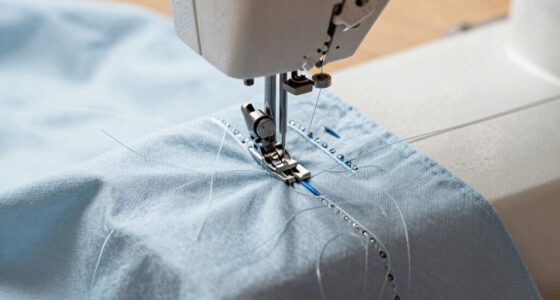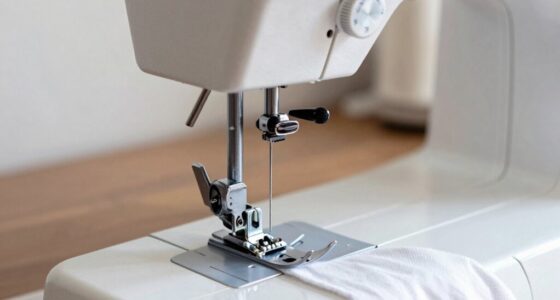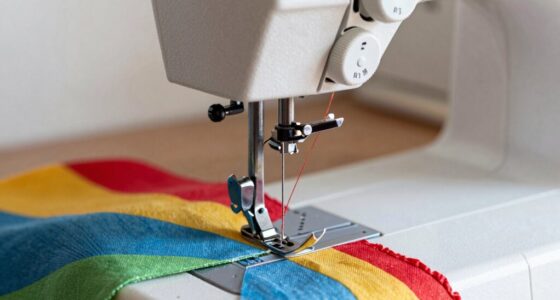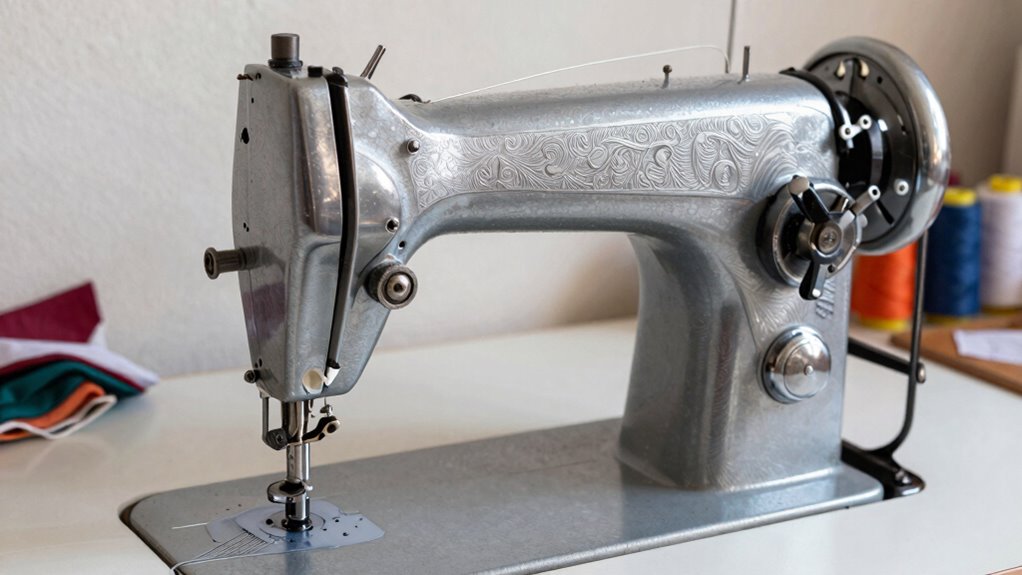
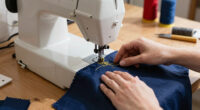
A heavier sewing machine often signals better build quality, durability, and stability, which are essential for serious sewists. The weight usually indicates solid internal parts and robust construction, helping the machine handle heavy fabrics and demanding projects with ease. It also reduces wobbling and guarantees consistent stitching. If you want a machine that will last and perform reliably over time, heavier models are typically a smart choice. Keep going to discover more about why weight matters so much.
Open a free Amazon Business account
Business pricing, bulk buying and tax-exempt orders.
As an affiliate, we earn on qualifying purchases.
Key Takeaways
- Heavier machines often feature solid metal frames, indicating higher build quality and durability for long-term use.
- The added weight provides stability during sewing, ensuring precise stitches on heavy or multiple fabric layers.
- Increased weight reflects superior internal components, contributing to reliable performance and longevity.
- Heavier models are typically designed for serious sewists, offering more features and better stitch quality.
- The weight signals a machine’s capacity to handle demanding projects, making it a good investment for dedicated users.
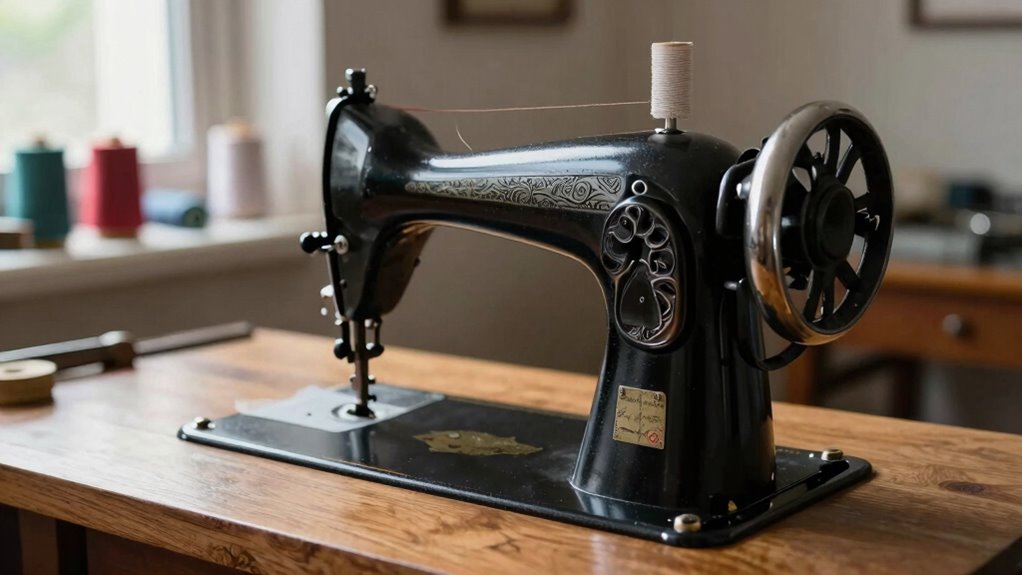
Have you ever wondered what the weight of a sewing machine says about its quality? It’s a question many serious sewists ask when choosing new equipment. The truth is, a machine’s weight can reveal a lot about its durability, stability, and overall performance. When you’re investing time and effort into your craft, you want a machine that can handle your projects smoothly and reliably. That’s where understanding the machine weight benefits comes into play. Heavier machines tend to be more robust, with solid construction that can withstand continuous use without wobbling or shifting. They often have better components, more powerful motors, and longer-lasting parts, making them ideal for frequent or intensive sewing tasks. In contrast, light machines are usually designed for portability and ease of storage, which is great for casual use or sewers with limited space. But if you’re serious about your sewing, you’ll find that heavy vs light machines serve quite different purposes.
Heavy machines generally offer superior stability. When you’re stitching thick fabrics or multiple layers, a heavier machine stays put, preventing frustrating slips or uneven stitches. This stability translates into cleaner, more consistent results, especially on complex projects. Plus, their substantial weight often indicates a more durable build—metal frames, sturdy internal parts—that can handle years of use. For sewists who need reliability and precision, this is a significant advantage. On the other hand, light machines are easier to transport and store. If you’re a hobbyist who sews occasionally or takes projects on the go, a lighter machine offers convenience. However, they may sacrifice some stability and power, which can affect the quality of your work on heavier fabrics or demanding tasks. Additionally, the weight of a machine can often reflect its internal construction quality, which influences its longevity and performance. This connection between machine weight and internal build highlights the importance of choosing a machine that matches your sewing needs. Interestingly, internal construction quality can often be assessed by the weight, as heavier machines tend to have more metal and durable components, contributing to their long-term performance. Moreover, understanding the materials used in construction can help you gauge the overall quality and expected lifespan of a sewing machine.
Ultimately, the weight of your sewing machine can serve as a quick indicator of its intended purpose. Heavy machines are often seen as a sign of higher quality for serious sewists, since they’re built to last and perform under pressure. They tend to come with more features, better stitch quality, and a sturdier feel that inspires confidence. Light machines, while more portable, might not deliver the same level of performance or durability over time. If you’re committed to sewing as a craft and want equipment that supports your skills and projects, opting for a heavier machine might be the smarter choice. It’s not just about the initial purchase; it’s about investing in a tool that will serve you reliably for years to come.
heavy-duty sewing machine for serious sewists
As an affiliate, we earn on qualifying purchases.
As an affiliate, we earn on qualifying purchases.
Frequently Asked Questions
How Does Machine Weight Affect Sewing Speed and Efficiency?
You’ll find that a heavier sewing machine often boosts sewing speed and efficiency because it’s more stable, reducing vibrations that can disrupt thread tension. This stability helps maintain consistent stitch quality, even at higher speeds. With less movement, you can work faster without sacrificing precision, making your sewing smoother and more enjoyable. Overall, a heavier machine supports better control, leading to improved efficiency and professional-looking results.
Are Heavier Machines More Durable Than Lighter Ones?
Sure, heavier machines are more durable because they scream “stability” and “quality.” You’ll notice less vibration and smoother stitching thanks to their superior stability, making them ideal for serious sewists. But don’t be fooled—weight alone doesn’t guarantee longevity. Proper construction, quality parts, and maintenance matter more. Still, if you crave a machine that feels solid and minimizes wobbling, a heavyweight model might just be your best friend.
What Materials Are Used to Add Weight to Sewing Machines?
Manufacturers add weight to sewing machines using materials like cast iron, steel, or dense plastics, often through specialized manufacturing processes. These materials provide durability and stability during sewing. While some use sustainable materials, many rely on traditional metals for strength. As a serious sewist, understanding these choices helps you appreciate the machine’s construction, balance, and longevity, ensuring you select a durable, reliable tool that aligns with your sustainability values.
Can Lightweight Machines Be as Reliable as Heavier Models?
Lightweight machines can be just as reliable as heavier models if they have good machine aesthetics and come from reputable brands. You should focus on features, build quality, and user reviews rather than weight alone. A trusted brand often guarantees durability and consistent performance. So, don’t dismiss a lightweight machine; it can meet your sewing needs just as well, provided it’s well-designed and from a reputable manufacturer.
How Does Machine Weight Impact Portability and Storage?
Lighter machines excel in portability and easy storage, making them ideal for sewing on the go or tight spaces. However, their reduced weight can compromise ergonomic design and aesthetic appeal, which are often found in heavier, sturdier models. While a lightweight machine offers convenience, it might lack the stability and durability that serious sewists need. Balancing weight with design and function guarantees you choose a machine suited to your sewing lifestyle.
Conclusion
Think of your sewing machine as a sturdy anchor in your creative voyage. A heavier machine isn’t just a chunk of metal; it’s a steadfast companion that holds steady against the currents of fabric and thread. Its solid weight whispers confidence, telling you it’s built to withstand your most ambitious projects. So, when choosing your machine, remember—weight isn’t just about mass; it’s about the foundation for your sewing adventures, anchoring your skills as you craft masterpiece after masterpiece.
NFL season / tailgating Picks
team gear
As an affiliate, we earn on qualifying purchases.