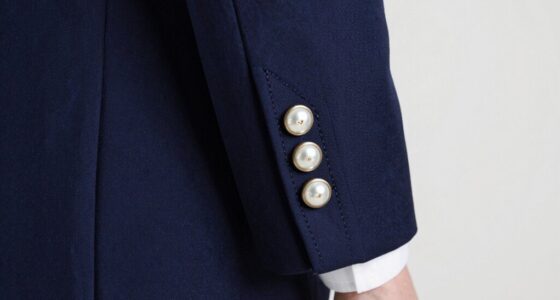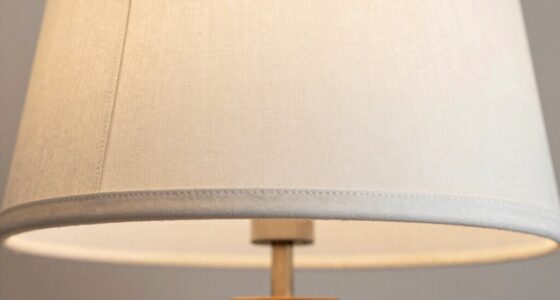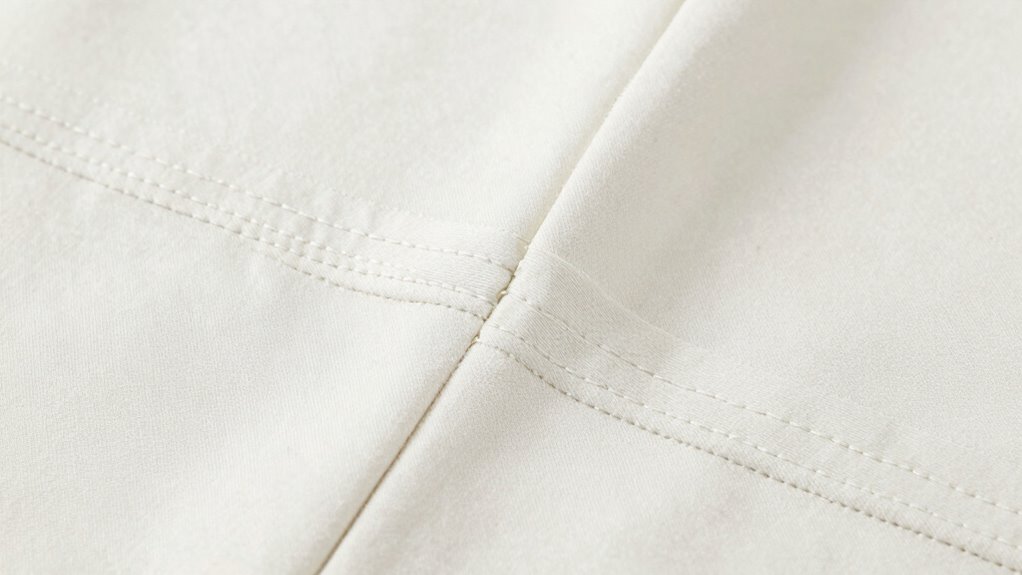
Understitching helps keep your neckline smooth and professional by sewing the seam allowances to the facing or lining, pressing them toward the facing side. This technique prevents the facing from rolling outward and keeps the raw edges hidden, giving your garment a polished look. It also stabilizes the fabric, reducing stretching or puckering. Mastering understitching guarantees your neckline sits perfectly and stays in place, and if you continue exploring, you’ll discover tips to enhance this technique further.

Get tools and workshop supplies delivered free — and shop member deals
- Fast, free delivery on millions of items
- Access to Prime Big Deal Days deals on October 6–7
- Prime Video, Amazon Music and more included
Key Takeaways
- Keeps facing or lining securely against the main fabric, preventing it from rolling outwards.
- Presses seam allowances toward the facing for a neat, flat finish.
- Stops raw edges from fraying or peeking out, maintaining a clean neckline.
- Ensures the neckline lies flat and smoothly against the body.
- Contributes to a professional, polished appearance of the finished garment.
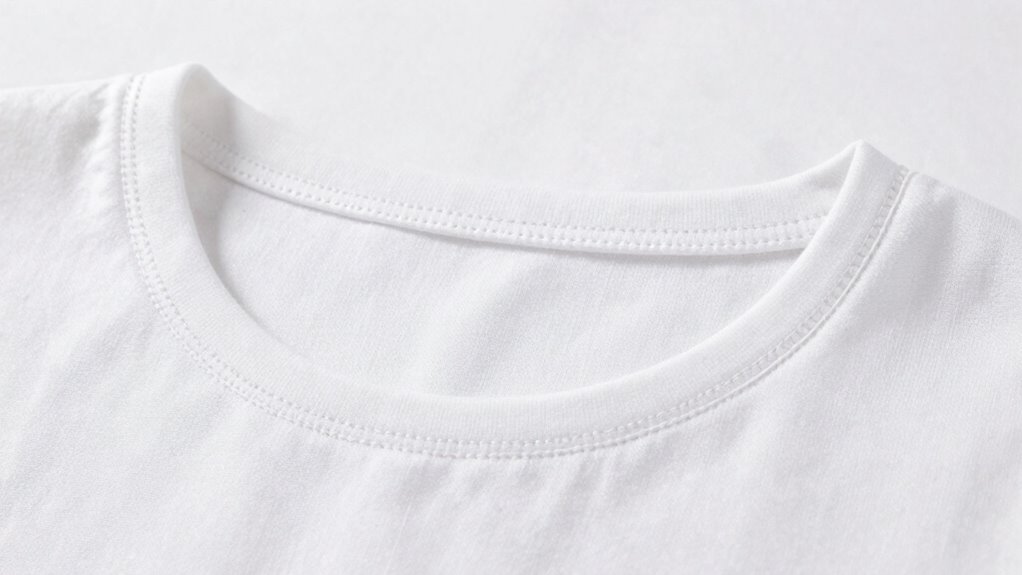
Have you ever wondered how to give your neckline a professional finish? One of the most effective sewing techniques for achieving a clean, polished look is understitching. This simple step can make a significant difference in how your neckline appears and functions. When you understitch, you sew the seam allowances to the facing or lining, pressing them toward the facing side. This process helps keep the facing from rolling to the outside and creates a smooth, neat edge. In essence, it helps your neckline sit properly without shifting or puckering, giving your finished garment a more refined appearance.
To get the best results, fabric stabilization is key. Stabilizing your fabric before understitching prevents it from stretching or shifting while you sew, which is especially important with delicate or lightweight fabrics. You can use lightweight fusible interfacing or stay tape to reinforce the seam allowance area. This added support ensures that your stitches hold firmly and your neckline maintains its intended shape. Proper fabric stabilization techniques also help prevent stretching or distorting during sewing, leading to more precise finishes. Incorporating appropriate support materials can further enhance the stability and longevity of your garment.
Fabric stabilization prevents shifting and puckering, ensuring a smooth, professional neckline finish.
When you execute understitching correctly, it improves the overall structure of your neckline. It directs the seam allowances to stay tucked underneath the facing, which means the raw edges are less likely to peek out or fray over time. This technique also helps your neckline lay flat against the body, preventing it from rolling or curling outward, which can be a common issue if the facing isn’t secured properly. As a result, your neckline looks more professional and feels more comfortable against the skin. Using proper pressing techniques after understitching further enhances the crispness and neatness of the finish.
While it might seem like a small detail, understitching is a vital step in garment construction that elevates the quality of your sewing projects. It’s especially useful when working with facings, as it keeps everything neatly contained and reduces the need for additional finishing techniques. Plus, by combining sewing techniques like proper pressing and fabric stabilization, you create a sturdy foundation for your neckline, making the entire sewing process smoother and more satisfying.
In short, understitching isn’t just about aesthetics; it’s about creating a durable, professional-looking finish that enhances the overall quality of your garment. When you incorporate fabric stabilization, you set yourself up for success, ensuring your neckline remains crisp, flat, and beautifully finished for years to come.
As an affiliate, we earn on qualifying purchases.
Frequently Asked Questions
Can Understitching Be Done on All Types of Necklines?
Yes, you can do understitching on most necklines, but it depends on fabric types and sewing techniques. For lightweight fabrics like silk or chiffon, careful handling is essential to avoid puckering. Thicker fabrics like denim may require different techniques. Understitching helps keep the seam allowances flat, so adjusting your approach based on fabric type guarantees a smooth, professional finish. Always test on scraps before sewing the actual neckline.
How Does Understitching Affect the Fabric’s Stretchability?
Did you know that understitching can slightly reduce fabric stretchability by up to 10%? When you understitch, you reinforce seam stability and help the neckline lay flat, but it can limit some stretch, especially in stretchy fabrics. This technique tightens the seam allowance against the facing or lining, making the fabric less prone to shifting. So, if flexibility is key, consider how much understitching to apply for the perfect balance.
Is Understitching Necessary for Beginner Sewing Projects?
Yes, understitching is helpful for beginner sewing projects because it keeps the seam allowances pressed toward the facing, giving a neat finish. To guarantee success, you should prioritize sewing machine maintenance to prevent skipped stitches and choose the right fabric selection for your project. While optional in some cases, understitching makes the neckline look more professional and clean, making it a good skill to learn early on.
What Tools Are Best for Achieving Perfect Understitching?
You’ll want a sharp, fine needle and matching thread for perfect understitching, as these tools help you achieve clean stitching techniques. A curved or straight sewing machine foot can stabilize the fabric, making stitching easier and more precise. Using clips or pins to stabilize fabric also prevents puckering. These tools work together to guarantee your stitches are close to the seam, creating a professional finish and reducing fabric shifting during sewing.
How Long Does Understitching Typically Last Over Time?
Understitching typically lasts as long as your fabric remains durable, often several years, if you use proper sewing techniques. Its primary purpose is to keep the neckline’s seam allowances flat and hidden, preventing any rolling or shifting over time. To maximize longevity, make certain your stitches are tight and even, especially on sturdy fabrics. Regular wear and washing might cause slight fraying, but good sewing techniques help maintain the understitching‘s effectiveness.
Conclusion
Understitching truly tightens and tames your neckline, transforming a simple seam into a polished finish. By carefully stitching close to the seam’s edge, you prevent fabric from flipping or flopping outward, ensuring a sleek, professional look. Remember, a perfectly pressed neckline begins with precise understitching—so take your time, trust the technique, and watch your sewing skills shine. With mindful mastery, you’ll make your neckline neat, natural, and particularly neat.
Halloween Picks
halloween
As an affiliate, we earn on qualifying purchases.