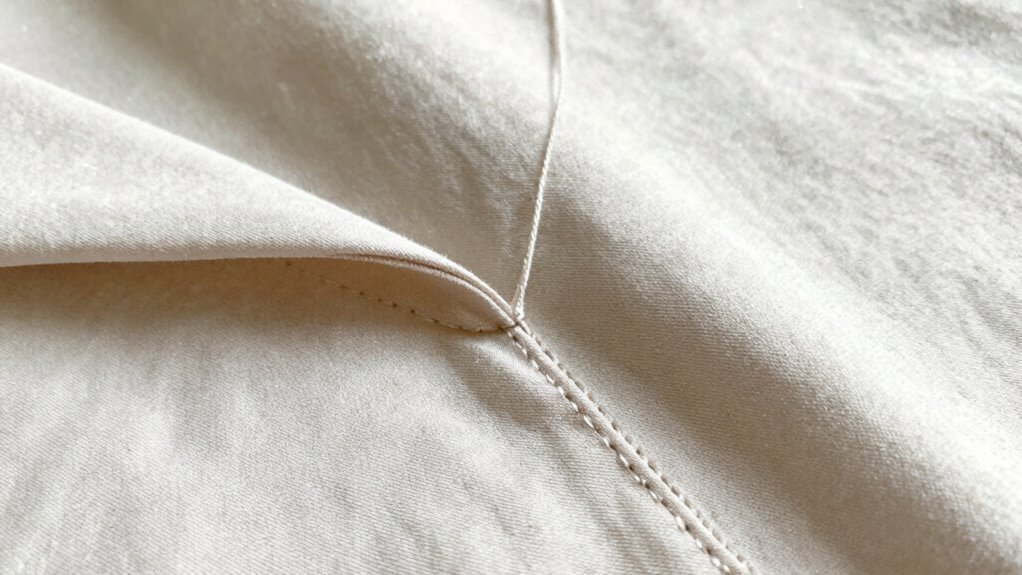

Some seams need grading before you turn them to prevent bulk, puckering, and bumps that can ruin your finish. When working with fabrics of different thicknesses, grading helps reduce excess fabric so seams lie flat and look professional. It also makes turning and finishing easier, especially in thicker or layered fabrics. Mastering these techniques ensures your garments are smooth, durable, and polished—if you want to know more about when and how to grade, keep exploring this essential sewing skill.

Get business pricing on tools and workshop supplies
- Business-only prices and quantity discounts
- Tax-exempt purchasing
- Multiple users, one account, clear invoices
Key Takeaways
- To reduce bulk and create a smooth, professional finish in the finished garment.
- To prevent puckering and uneven seams, especially with thicker or layered fabrics.
- To facilitate easier turning and crisp, neat edges during finishing.
- To maintain seam strength and durability without excess bulk.
- To improve the overall appearance and comfort of the sewn item.
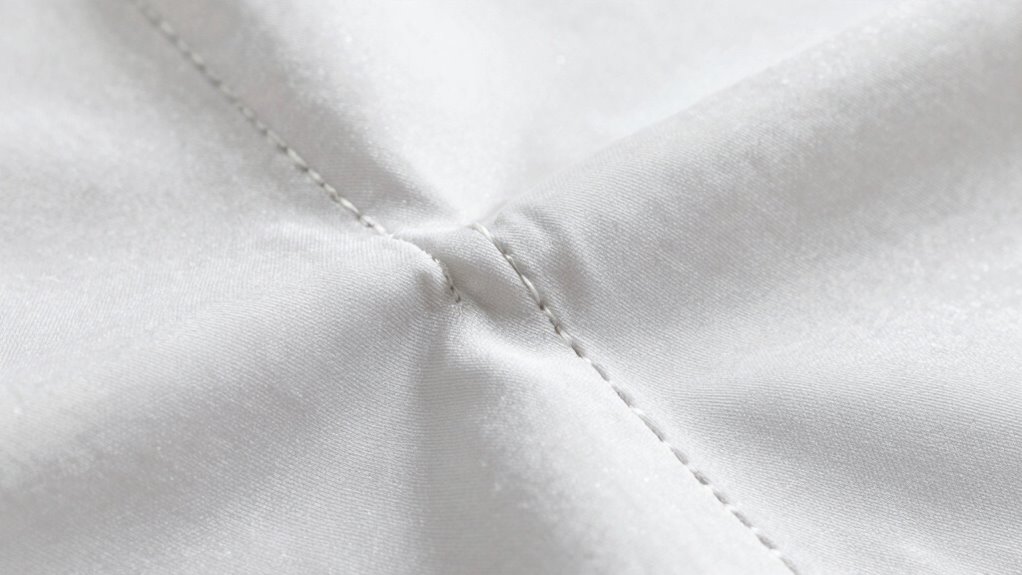
Have you ever noticed how uneven or poorly finished seams can ruin the look of a garment? It’s frustrating to put so much effort into sewing, only to end up with seams that look bulky, puckered, or uneven once you turn the fabric right side out. That’s where seam grading comes into play. Properly grading your seams guarantees they lay flat and smooth, giving your finished garment a professional appearance. When you understand why some seams need grading before you turn them, you’ll see how vital this step is, especially when working with fabrics of varying thickness.
Fabric thickness varies from lightweight silks to bulky denim, and each type demands a different approach. Thicker fabrics tend to create bulk at the seam allowances, which can make seams look uneven or cause puckering. If you don’t grade the seams, the excess bulk can push the fabric out of shape, making the finished edge bulky or uneven. On the other hand, thinner fabrics can be easily distorted if the seam allowances aren’t properly reduced. Grading helps balance these differences by trimming seam allowances to different widths, depending on the fabric thickness. This prevents unnecessary bulk and ensures a smoother, flatter finish. Additionally, fabric properties influence how you should approach seam grading for optimal results. Understanding fabric behavior can help you choose the most effective grading method for each material. Recognizing how different fabrics respond to seam allowances is essential for achieving a refined finish.
Seam strength is another reason grading is essential. When you sew seams, especially those that will endure stress, it’s important to reinforce the seam allowances without adding unnecessary bulk. If you simply sew through all the fabric layers without grading, the seam can be overly bulky, which might compromise the garment’s drape and comfort. By grading the seam allowances—reducing the width gradually—you maintain the seam’s strength while keeping the bulk to a minimum. This process allows the seam to withstand tension and wear without causing puckering or distortion over time. Additionally, thread tension plays a crucial role in achieving a neat seam finish and can be affected by how well the seam allowances are graded.
Grading also helps with turning the fabric right side out after sewing, as it reduces the risk of fabric catching or bunching. When you turn a seam, especially on thicker fabrics, ungraded seams can be stiff or bulky, making it difficult to get a crisp, clean edge. Proper grading allows the fabric to fold more neatly, resulting in a crisp finish that enhances the garment’s overall look. Additionally, understanding how fabric thickness affects seam construction can help you choose the right grading method for each project. It’s a subtle detail but one that makes a big difference in the quality of your finished piece. Moreover, practicing consistent grading techniques can significantly improve the overall professionalism of your sewing projects.
In short, understanding when and why to grade seams before turning them isn’t just about aesthetics; it’s about creating durable, comfortable, and professional-looking garments. Whether you’re working with delicate or heavy fabrics, taking the time to grade your seams ensures your sewing projects turn out with a polished, refined finish, free from puckering or bulk. Recognizing the importance of seam allowances and their proper management is key to mastering a professional sewing technique.
As an affiliate, we earn on qualifying purchases.
Frequently Asked Questions
How Do I Determine if a Seam Requires Grading?
You determine if a seam requires grading by checking the seam allowance and fabric stretch. If the seam allowance is thick or the fabric has significant stretch, grading helps reduce bulk and prevents puckering. Pinch the seam to see if it lies flat after sewing; if it doesn’t, grading is necessary. Consider the fabric’s behavior and the garment’s finish to decide whether grading will improve the final look.
What Tools Are Best for Grading Seams?
You’ll want a good pair of scissors or a rotary cutter for grading seams—sharp tools that cut through fabric allowances like a hot knife through butter. A seam gauge or ruler helps you measure and keep allowances even, preventing fabric distortion. For precision, a serger or overlock machine can trim and finish edges simultaneously. These tools guarantee your seam allowance is neat, reducing fabric distortion and making turning seams a breeze.
Can Grading Be Done After Sewing the Garment?
Yes, grading can be done after sewing the garment, especially if you notice uneven seam allowances or want a cleaner finish. However, it’s best to do seam finishing first to prevent fabric stretch or distortion. Grading afterward helps reduce bulk and improve the garment’s appearance. Just make certain you handle the fabric carefully to avoid stretching, and use appropriate tools to maintain the integrity of the seam.
How Does Seam Grading Affect the Garment’s Durability?
Seam grading enhances your garment’s durability by reducing bulk and preventing stress points, which can weaken seam strength. When you grade seams properly, especially in fabrics with stretch, you guarantee the layers distribute tension evenly, minimizing puckering or tearing. This process helps your garment withstand regular wear and washing, maintaining its shape and integrity longer. Proper seam grading is essential for creating durable, high-quality finished seams that support fabric stretch and extend garment lifespan.
Are There Specific Fabrics That Need More Seam Grading?
Some fabrics, like knits, are like flexible dancers, needing more seam grading to handle their fabric stretch. You’ll want to modify the seam allowance accordingly, especially with stretchy or delicate fabrics, to prevent puckering or tearing. Fabrics that stretch a lot or are prone to fraying require extra grading to ensure seams stay intact and look professional. Proper grading helps your garment maintain its shape and durability over time.
Conclusion
Think of seam grading as smoothing the rough edges of a jagged mountain. When you grade your seams, you’re carving out a gentle slope that makes turning easier and your finished project look flawless. Neglect this step, and your fabric might battle back, causing puckers or uneven lines. So, don’t let stubborn seams hold your work hostage—grace them with careful grading, and watch your sewing journey glide smoothly, like a river flowing effortlessly to the sea.
Fall yard work Picks
leaf blowers
As an affiliate, we earn on qualifying purchases.