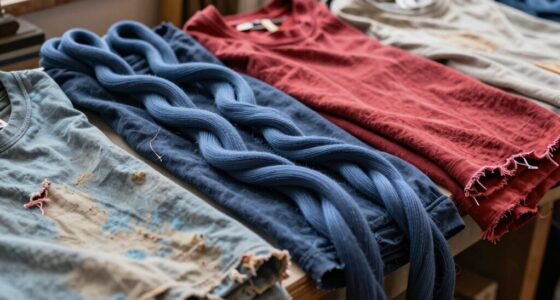
Press cloths are made from durable fabrics like cotton or muslin and are designed for repeated use to protect delicate or synthetic fabrics from heat and moisture. Protective sheets, often made from heat-resistant, non-stick materials like silicone or Teflon, are lighter, easier to clean, and ideal for quick projects or delicate textiles that need a non-stick barrier. Knowing these differences helps you choose the right tool for your fabric, and if you continue exploring, you’ll discover even more useful tips.

Get tools and workshop supplies delivered free — and shop member deals
- Fast, free delivery on millions of items
- Access to Prime Big Deal Days deals on October 6–7
- Prime Video, Amazon Music and more included
Key Takeaways
- Press cloths are made from durable fabrics like cotton for repeated use, while protective sheets are non-stick, heat-resistant, and designed for quick, single or short-term use.
- Press cloths absorb moisture and help achieve crisp, wrinkle-free finishes; protective sheets prevent sticking, scorching, and shiny spots on fabrics.
- Press cloths are more durable and long-lasting, suitable for frequent pressing, whereas protective sheets are lightweight, easy to clean, and ideal for quick projects.
- Heat resistance is crucial for both, but press cloths focus on protecting delicate fabrics during high-temperature pressing, while protective sheets prevent sticking and shine.
- Choosing between them depends on whether long-term fabric protection and durability or quick, easy application for delicate textiles is the priority.
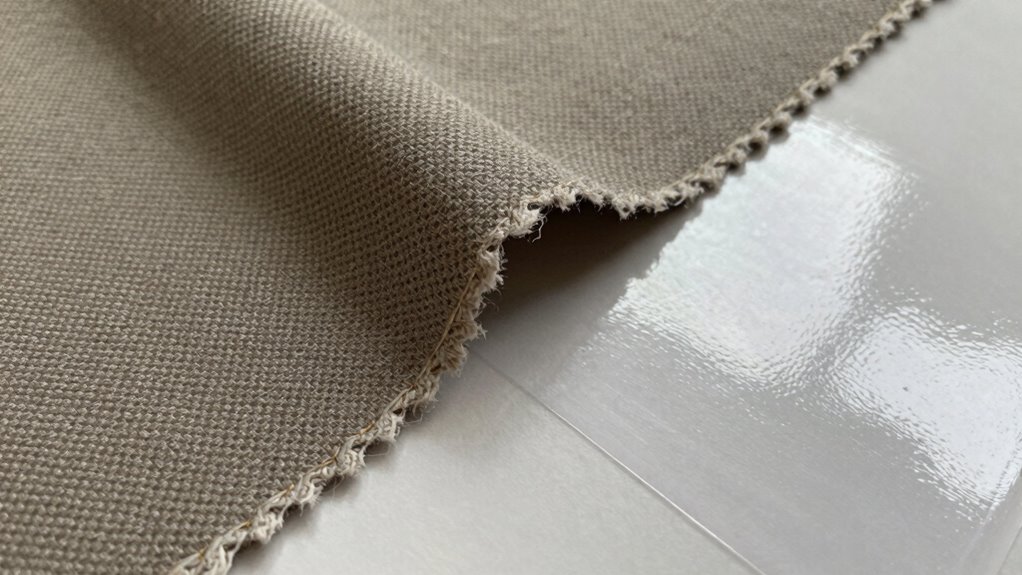
Have you ever wondered whether press cloths or protective sheets are better for your pressing needs? The choice largely depends on what you’re trying to achieve and the specific qualities you need from each item. Press cloths are typically made from high-quality fabrics like cotton or muslin, designed to withstand frequent use and direct contact with hot irons. Their fabric durability is key—they’re built to last through repeated pressing sessions without fraying or losing their effectiveness. You’ll find that a good press cloth maintains its integrity over time, providing a reliable barrier between your iron and delicate fabrics. When it comes to heat resistance, press cloths excel because they’re designed to handle high temperatures without scorching or burning. This makes them ideal for pressing delicate or synthetic fabrics that can be damaged easily by direct heat. Additionally, their ability to absorb moisture can aid in achieving crisp, wrinkle-free results. Proper fabric selection can extend the lifespan of your press cloth and improve your pressing outcomes. Choosing the right fabric Type can also enhance heat resistance and durability, ensuring better performance over time.
Protective sheets, on the other hand, serve a different purpose. Usually made from heat-resistant, non-stick materials like silicone or Teflon, they’re designed to create a barrier that prevents scorching, sticking, or shining on your fabric. These sheets are often more versatile in terms of heat resistance, especially because they’re engineered to endure the intense heat of commercial presses or high-temperature irons. While they may not be as durable as fabric press cloths in terms of repeated use, protective sheets are excellent for protecting your fabric from direct contact with the hot iron, especially when working with shiny or delicate textiles. They’re also easier to clean and maintain, which can be a big advantage if you’re working on multiple projects or frequently switching fabrics. Moreover, their non-stick surface makes them ideal for preventing fabric from sticking or shining during pressing. For tasks requiring quick adjustments or multiple fabrics, a protective sheet can save time and effort. It’s also worth noting that heat resistance plays a crucial role in selecting the appropriate barrier depending on the pressing task. In addition, their lightweight nature makes them convenient for travel or small projects.
Ultimately, if you’re looking for something that can withstand frequent pressing, a sturdy press cloth with high fabric durability and excellent heat resistance is your best bet. It offers long-term use and reliable protection for a variety of fabrics. If your priority is protecting delicate or shiny fabrics from scorching or shiny marks, a protective sheet might be better suited for your needs. It provides a quick, effective barrier that’s easy to use and clean, especially for specialized tasks. Knowing the real difference between press cloths and protective sheets can help you choose the right tool for each pressing situation, ensuring your fabrics stay in top condition while your iron performs at its best/at peak.
cotton press cloth for fabric pressing
As an affiliate, we earn on qualifying purchases.
As an affiliate, we earn on qualifying purchases.
Frequently Asked Questions
Are Press Cloths and Protective Sheets Interchangeable?
Press cloths and protective sheets aren’t interchangeable because they serve different purposes. Press cloths offer durability and heat resistance, making them ideal for pressing garments without damage. Protective sheets, on the other hand, are versatile and often used to safeguard fabrics or surfaces from heat or stains. You need to choose based on your task: for durability and heat, go with a press cloth; for versatility, use a protective sheet.
Which Is More Cost-Effective for Frequent Use?
Protective sheets tend to be more cost-effective for frequent use because they generally have better durability factors, lasting longer under continuous ironing or pressing. A cost comparison shows that while press cloths may be cheaper initially, their wear and tear can lead to more frequent replacements. If you press often, investing in high-quality protective sheets saves money over time, reducing replacement costs and ensuring consistent protection for your fabrics.
How Do I Properly Clean and Maintain Each?
To properly clean and maintain press cloths and protective sheets, start with gentle cleaning techniques suited to their material durability. For press cloths, hand wash with mild soap, avoiding harsh chemicals, and air dry to preserve fabric quality. Protective sheets can often be wiped with a damp cloth or washed on a gentle cycle. Regular cleaning guarantees longevity, maintains effectiveness, and prevents buildup that could compromise your materials or results.
Can Protective Sheets Be Reused Multiple Times?
Think of protective sheets as resilient shields in your ironing arsenal—they can be reused multiple times if they’re built with high heat resistance and sturdy material durability. As long as you follow proper cleaning and storage, these sheets stand strong against the heat and wear. With care, they’ll serve you well, safeguarding your garments over countless presses, like a trusty armor that never loses its edge.
What Are the Environmental Impacts of Each?
Press cloths often have a smaller environmental footprint because many are made from eco-friendly materials like natural fibers, and they can be reused multiple times, reducing waste. Protective sheets, especially disposable ones, generate more waste and may involve non-recyclable plastics. However, choosing protective sheets made from recyclable materials and exploring recycling options can lessen their environmental impact. You can make more sustainable choices by considering these factors.
Conclusion
Remember, press cloths and protective sheets are like the shield and the guardian of your craftsmanship. The cloth, delicate yet essential, symbolizes your touch, soft and precise, while the sheet stands as a sturdy protector, guarding your work from harm. Together, they embody the balance between artistry and safety. Choosing wisely guarantees your creation’s integrity remains intact, like a story told with care—each element playing its role in the symphony of perfection.
Halloween Picks
halloween
As an affiliate, we earn on qualifying purchases.