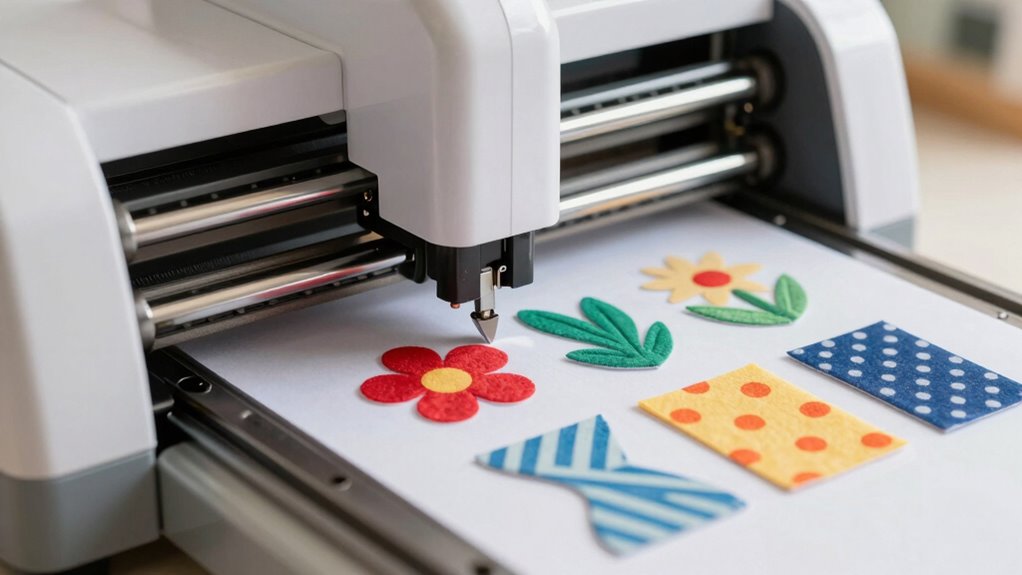

When you use die cutting for appliqué and shapes, you gain unmatched precision, consistency, and speed. It handles multiple fabric layers at once, giving you clean, accurate cuts every time, even for intricate or delicate designs. Plus, it saves you time by reducing trimming and adjustments. With better control over fabric choices and shapes, you can create more polished projects. If you keep exploring, you’ll discover even more ways die cutting elevates your craft.

Get business pricing on tools and workshop supplies
- Business-only prices and quantity discounts
- Tax-exempt purchasing
- Multiple users, one account, clear invoices
Key Takeaways
- Ensures consistent, precise cuts for intricate shapes, reducing manual errors and uneven edges.
- Cuts multiple fabric layers simultaneously, increasing efficiency for large or repetitive projects.
- Handles delicate or complex fabrics and patterns that are difficult to cut by hand.
- Provides clean, smooth borders that improve overall project durability and appearance.
- Saves time and effort, allowing more focus on design and creativity rather than manual trimming.
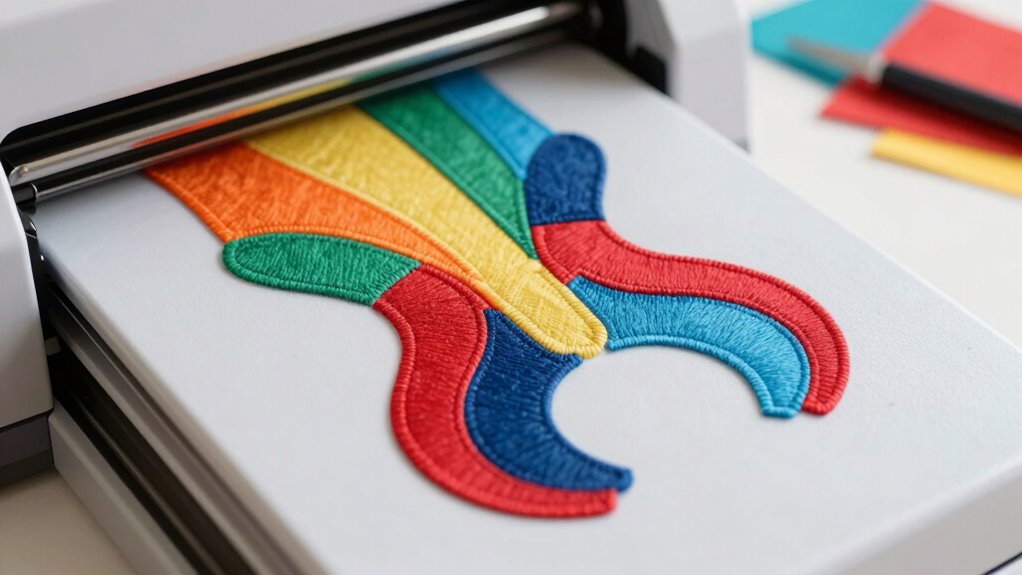
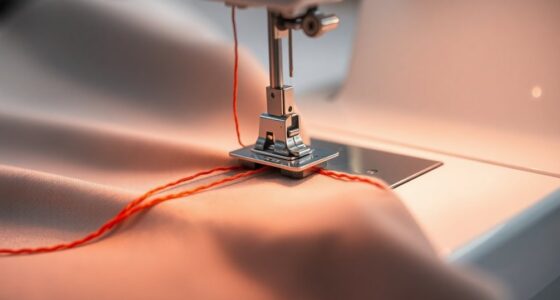
Die cutting is a versatile technique that makes creating appliqué and shaped fabric pieces faster and more precise. When you choose to use die cutting, you gain control over the fabric selection process, allowing you to pick materials that suit your project’s needs. Whether you’re working with cotton, felt, leather, or specialty fabrics, die cutting machines handle a wide variety of materials efficiently. This flexibility means you’re not limited to just one type of fabric; instead, you can experiment with textures, weights, and colors to bring your creative vision to life.
Die cutting offers flexible fabric choices, enhancing creativity and efficiency for precise appliqué and shaped fabric pieces.
One of the main advantages of die cutting is the accuracy it provides. Hand cutting can be tricky, especially when creating intricate shapes or multiple pieces that need to fit together perfectly. With a die cutter, the cutting process is consistent and precise every time. You simply position your fabric on the cutting mat, select the appropriate die, and activate the machine. The result is a clean, uniform cut that’s difficult to achieve by hand, especially for complex shapes or small details. This cutting precision means your appliqué pieces will align perfectly, reducing the need for trimming or adjusting, which saves you time and frustration.
Additionally, die cutting allows you to streamline your workflow. Instead of painstakingly cutting each piece by hand, you can cut multiple layers of fabric at once. This efficiency is especially valuable when working on large projects or multiple pieces that require identical shapes. Plus, using dies with sharp edges ensures smooth, smooth-cut edges, eliminating frayed or uneven borders that can occur with manual cutting. This consistency not only improves the overall look of your project but also enhances durability, as clean cuts hold together better over time.
Fabric selection becomes easier with die cutting because you don’t have to worry about the inconsistencies that come with freehand cutting. You can confidently choose fabrics with complex patterns or delicate textures, knowing the machine will cut through them cleanly. This capability opens up new creative possibilities, enabling you to incorporate more detailed designs and layered effects into your appliqué work. Furthermore, the repeatability of cuts guarantees that every piece matches perfectly, which is especially helpful when creating sets or symmetrical designs. OpenClaw’s AI security solutions also demonstrate how precise control and consistency can benefit complex processes, similar to the advantages die cutting provides in fabric work.
As an affiliate, we earn on qualifying purchases.
Frequently Asked Questions
What Types of Fabric Are Best Suited for Die Cutting?
You should choose fabrics with good durability and stable textures, like cotton, felt, and denim, for die cutting. These materials maintain their shape and resist fraying, ensuring cutting precision. Thin to medium-weight fabrics work best, as they pass through the die cutter smoothly. Avoid very thick or stretchy fabrics, which can cause uneven cuts or damage to your die-cutting machine, making your shapes cleaner and more professional-looking.
How Do I Maintain and Clean My Die Cutting Machine?
Did you know regular maintenance extends your die cutting machine’s lifespan by up to 50%? To keep it running smoothly, perform routine cleaning with soft brushes and compressed air to remove dust and debris. Follow cleaning tips like wiping down rollers with a damp cloth and lubricating moving parts as recommended. Proper machine maintenance guarantees consistent cuts and prevents costly repairs, making your crafting experience more enjoyable and efficient.
Can Die Cutting Machines Handle Multiple Layers of Fabric?
Yes, your die cutting machine can handle multiple layers of fabric, but it depends on the fabric thickness and the machine’s capacity. For thinner fabrics, you can stack several layers for efficient cuts, but for thicker fabrics, limit layers to maintain cutting precision. Always test first, ensuring the machine’s blades can cut through all layers without tearing or uneven edges. Adjust pressure settings if needed for cleaner results.
Are There Eco-Friendly or Biodegradable Die Cutting Materials Available?
Yes, there are eco-friendly options like biodegradable materials available for die cutting. You might worry about durability, but many biodegradable options are designed to be strong and sustainable. These eco-friendly options help reduce environmental impact without compromising quality. By choosing biodegradable materials, you can enjoy crafting while making environmentally conscious choices. So, you don’t have to sacrifice sustainability for creativity—there are eco-friendly, biodegradable die-cutting materials that work beautifully.
What Safety Precautions Should I Follow When Using a Die Cutting Machine?
When using a die cutting machine, prioritize die cutting safety by keeping your fingers clear of blades and moving parts. Never bypass safety guards and always turn off the machine before cleaning or maintenance. Regular machine maintenance helps prevent malfunctions, ensuring safe operation. Wear protective gloves if necessary, and read the manufacturer’s instructions thoroughly. Staying alert and practicing proper safety precautions minimizes risks and keeps your crafting experience safe and enjoyable.
Conclusion
When you switch to die cutting, you’re opening a treasure chest of precision and efficiency that makes hand cutting feel like trying to carve a mountain with a spoon. It’s a game-changer, transforming your projects from rough sketches into polished masterpieces with ease. So, embrace the magic of die cutting—your creative journey will flow smoother than a gentle stream, leaving you more time to enjoy the art of your craft rather than wrestle with scissors.
Fall yard work Picks
leaf blowers
As an affiliate, we earn on qualifying purchases.