
Facings roll outward mainly because they’re not properly tensioned during installation, causing edges to loosen over time due to humidity, heat, or fabric relaxation. Poor seam alignment or weak adhesive application can also lead to lifting and curling. Rushing the process or using unsuitable adhesives worsens the problem. Environmental factors like temperature changes further weaken the bond. To keep facings smooth and secure, you need to guarantee correct tensioning, seam accuracy, and proper adhesive use. Keep going to discover more tips and solutions.

Get business pricing on tools and workshop supplies
- Business-only prices and quantity discounts
- Tax-exempt purchasing
- Multiple users, one account, clear invoices
Key Takeaways
- Improper fabric tension during installation allows gradual stretching and loosening, causing edges to lift and roll outward.
- Misaligned seams create weak spots that pull away over time, leading to curling edges.
- Poor adhesive quality or uneven application fails to secure the facing properly, resulting in peeling or rolling.
- Environmental fluctuations like humidity and temperature cause material expansion, contraction, and loosening of attachment points.
- Rushing installation or insufficient tensioning prevents a secure fit, increasing the likelihood of facing rolling outward over time.
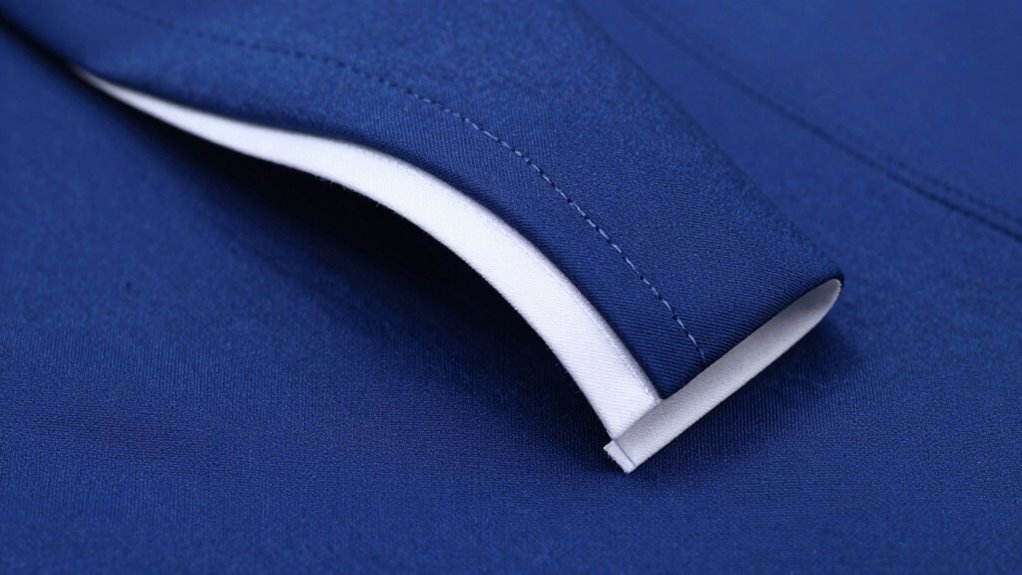
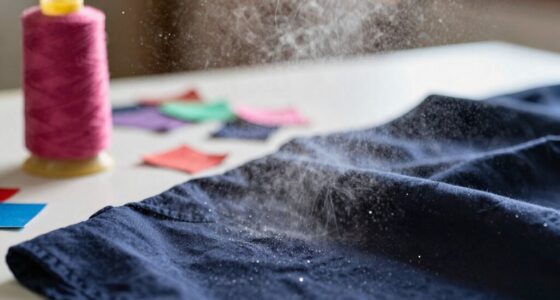
Have you ever noticed a gap or uneven edge on your cabinet doors or furniture? Sometimes, facings start to roll outward, creating an untidy look that’s hard to ignore. This issue often comes down to a few common causes, and understanding them can help you fix the problem effectively. One key factor is fabric stretching. If the facing material wasn’t properly tensioned during installation, it can gradually stretch over time, especially if exposed to humidity or heat. When fabric stretches, it loses its snug fit, causing the edges to lift and roll outward. This is especially true if the facing is glued or stapled without enough tension, making it prone to loosening as the material relaxes.
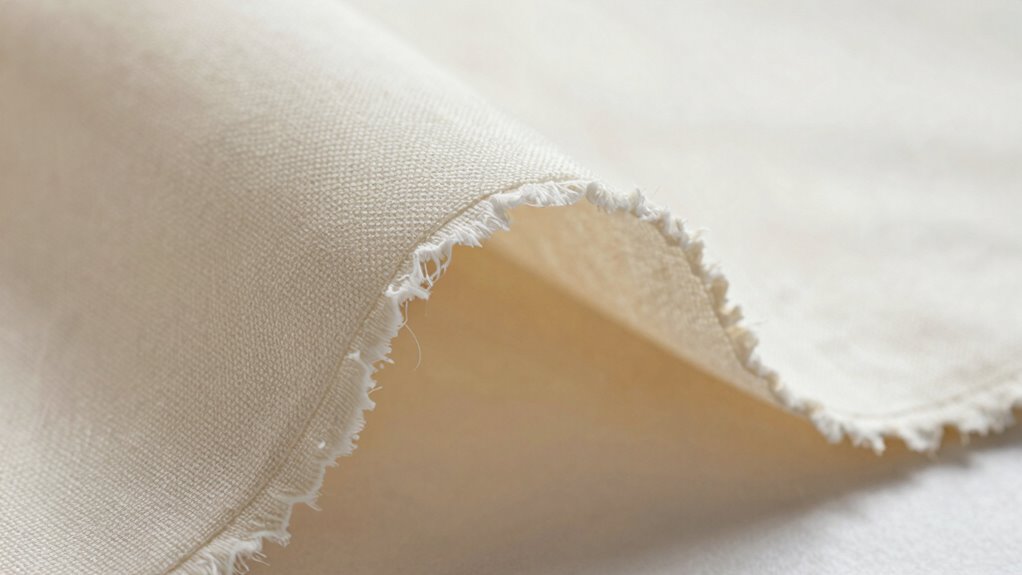
Fabric stretching over time causes facing edges to lift and roll outward.
Another essential aspect is seam alignment. When facings are applied to furniture or cabinetry, improper seam alignment can lead to uneven edges that peel away or curl outwards. If seams aren’t aligned correctly or are sewn with uneven tension, they can create weak spots that are more likely to lift. Over time, these misaligned seams can cause the facing to pull away from the surface, resulting in a rolled or curled appearance. Proper seam alignment ensures that the facing adheres smoothly and maintains its shape, preventing this outward roll. Additionally, consistent tensioning techniques during installation can help ensure the fabric stays tight and reduces the likelihood of rolling. Using proper tools and equipment can also improve tension control during application. Implementing best practices in installation can further help maintain a secure and lasting bond.
The type of adhesive used also plays a significant role. If the adhesive isn’t strong enough or is applied unevenly, the facing may start to lift at the edges. This is especially true if the adhesive doesn’t bond well with the underlying surface or if the environmental conditions cause it to weaken prematurely. Additionally, changes in temperature and humidity can cause materials to expand or contract, exacerbating issues with fabric stretching or seam misalignment. Over time, these environmental factors can loosen the attachment points, making the facing more susceptible to rolling outward. To minimize environmental impacts, choosing appropriate adhesives suitable for your climate can help maintain a secure bond longer.
Poor initial installation is another common culprit. If the facing wasn’t carefully stretched and secured during installation, it’s more likely to develop issues later. Rushing through the process or not applying enough tension can leave the edges loose, which will eventually lift or curl. To prevent this, it’s important to make sure the fabric is pulled tight during application and that all seams are properly aligned and secured. Proper tensioning techniques and careful installation can significantly prolong the facing’s neat appearance. Regular maintenance and gentle cleaning can also prolong the life of your facing, reducing the chances of it rolling outwards. Additionally, using appropriate tensioning techniques during installation can significantly help maintain a neat appearance over time.
facing tensioning tools for furniture
As an affiliate, we earn on qualifying purchases.
As an affiliate, we earn on qualifying purchases.
Frequently Asked Questions
Can Weather Changes Affect Facing Roll-Out?
Yes, weather changes can cause facing roll-out. When temperatures fluctuate, thermal expansion occurs, making materials expand or contract, which can push the facing outward. Additionally, moisture absorption from humidity or rain can cause the facing to swell or warp. These effects weaken the adhesive bonds and lead to roll-out. So, weather conditions directly impact facing stability, especially in areas with high humidity or significant temperature shifts.
Do Different Materials Cause Facings to Roll Out?
You know what they say, “You are only as good as your weakest link.” Different materials can definitely cause facings to roll out if they aren’t compatible or if surface preparation isn’t thorough. Material compatibility guarantees the facing bonds properly, while proper surface prep removes debris and moisture, preventing issues. When you match materials carefully and prepare surfaces well, you reduce the risk of facings rolling out, making a smooth, lasting finish.
How Long Does It Take for Facings to Start Rolling?
Facings can start rolling out within a few hours to a couple of days after installation, depending on factors like facing tension and surface preparation. If the surface isn’t properly prepared—such as lacking clean, smooth, and dry conditions—the facing may lift sooner. Additionally, high facing tension or inadequate adhesion can cause it to roll out more quickly. To prevent this, guarantee proper surface prep and manage tension during installation.
Are There Specific Installation Techniques to Prevent Rolling?
Yes, there are specific installation techniques to prevent facings from rolling outward. You should follow installation best practices, such as ensuring proper surface preparation by cleaning and smoothing the surface before installation. Use the right adhesive and apply it evenly, pressing the facing firmly into place. Additionally, maintaining consistent pressure during installation and allowing adequate curing time helps keep facings flat and secure, reducing the risk of rolling outward over time.
Can Improper Adhesives Lead to Facing Roll-Out?
Sure, lousy adhesives can definitely make your facing take a dramatic leap off the wall. If you skimp on adhesive quality or apply it carelessly, you’re practically encouraging roll-out. Low-quality glue won’t bond properly, especially if you rush the application or miss key steps. To prevent this, use a good adhesive suited for your facing material and follow the manufacturer’s instructions meticulously—otherwise, your facing might just decide to make a break for freedom.
Conclusion
In the end, a little gentle attention can work wonders for your facings. By understanding the subtle signs and addressing them early, you’re gently guiding your project back on course. Remember, a calm approach often yields the best results, turning potential setbacks into opportunities for growth. With patience and care, you’ll keep your facings looking their best, ensuring a polished finish that truly shines. After all, every detail deserves a touch of kindness.
Columbus Day / Indigenous Peoples' Day Picks
long weekend sales
As an affiliate, we earn on qualifying purchases.