TL;DR

Get business pricing on tools and workshop supplies
- Business-only prices and quantity discounts
- Tax-exempt purchasing
- Multiple users, one account, clear invoices
A Hunker report describes turning an empty, thoroughly cleaned paint can into a basic bird feeder by laying it on its side, adding a perch and attaching a hanger. The project can reuse a household item, but the report does not establish that every can or hanging method is safe for birds or suitable for outdoor use.
A Hunker DIY report describes turning an empty paint can into a backyard bird feeder by placing it on its side, adding an outside perch and attaching a hanger. The idea, inspired by a classroom project shared by TikTok creator That STEM Guy, offers a way to reuse a can instead of buying a feeder, though the report does not provide testing or detailed safety guidance for every can and installation.
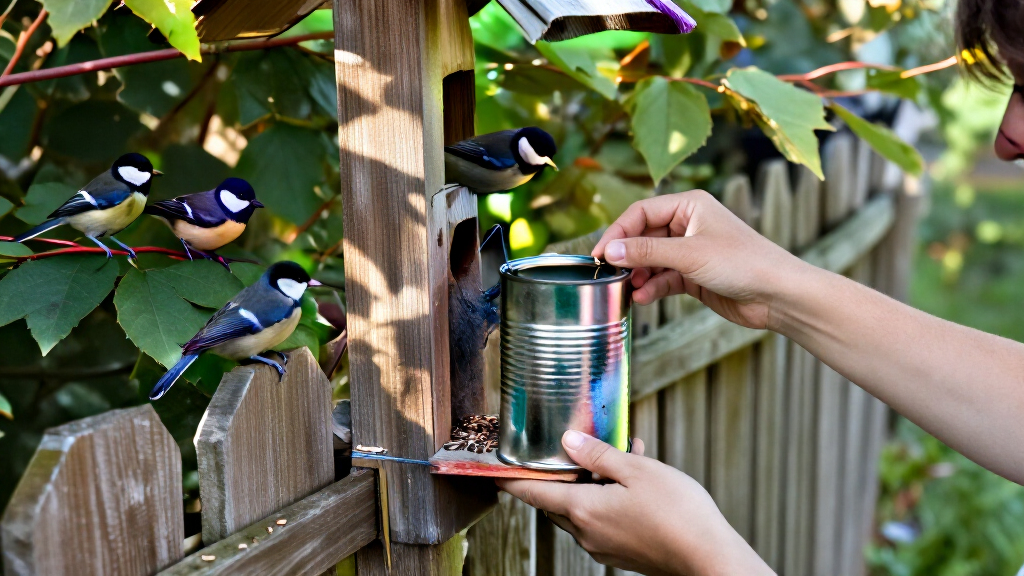
The basic design uses an old can as the seed container. After cleaning it, the maker positions it sideways, attaches a sturdy twig or dowel so it extends several inches as a perch, and adds a wide ribbon around the can to make a loop for hanging. The opening faces outward so birds can reach the seed. The report also suggests using wire around the can for support or fastening the can to a post, fence or board.
Cleaning is a central step. Hunker says warm, soapy water and soaking may remove paint, with a scraper or scouring pad helping with dried residue. It advises against harsh chemical cleaners, because seed will sit inside the can and residue could remain. The source does not specify how to determine whether a can with old paint or an unknown coating is safe to reuse; cans that cannot be cleaned thoroughly should not be used for birdseed.
The report recommends repainting the outside for appearance and suggests exterior paint or a sealer to reduce peeling. It also describes optional additions, including a small wooden piece near the perch to help retain seed and a plank roof with an overhang to shield the opening from rain. These are presented as ideas from DIY projects, not as tested performance claims.
A Low-Cost Way to Reuse a Can
The project matters as a small-scale reuse idea for people who already have an empty can and want to try feeding backyard birds without buying a purpose-made feeder. Reusing an item may also keep it out of the waste stream, although the report gives no estimate of cost savings or environmental impact.
A feeder can bring birds closer to a yard, but the report’s broader suggestions about mental-health benefits and birds eating garden insects are not supported with evidence in the supplied material. Those should be understood as possible benefits rather than guaranteed outcomes. The practical value of this design depends on whether it is clean, stable and protected from weather, and whether birds can use it safely.
As an affiliate, we earn on qualifying purchases.
From Classroom Project to DIY
Hunker credits the idea to That STEM Guy, who shared a version made with children in a school setting. The creator’s post described the project as an Earth Week STEM activity and said students explored bird-related learning resources while their feeders dried. That account gives the design an educational angle, but it does not establish how long the feeders lasted or how birds responded to them.
The report says paint cans are sold in different sizes, from pints to gallons, and that the opening should be large enough for a bird’s head. It offers approximate diameters for common can sizes, but does not identify which bird species a particular size would suit. The article also mentions alternatives such as soup cans and multiple-can arrangements. Its central design remains simple: a sideways container, an opening for access, a perch and a secure way to hang or mount it.
“The creator did this simple project with a group of kids in a school setting.”
— Hunker, describing the project shared by That STEM Guy
Can Condition and Placement Matter
The source does not say how to assess cans that previously held unknown substances, whether every liner or coating can be cleaned safely, or how to dispose of paint residue. It also does not provide a tested method for attaching the perch, ribbon or wire, or set out guidance on checking a feeder for sharp edges, loose parts or rust. The article’s basic instructions should not be read as proof that every salvaged can is suitable.
It is also unclear which local bird species would use a given can size, how often seed should be replaced, or how the open design performs in rain. The report offers a possible roof upgrade but no test results. Readers should check local wildlife guidance and use a purpose-built feeder if they cannot make the can clean, secure and free of hazards.
Check the Can Before Filling
For anyone trying the idea, the next step is to inspect the can before adding seed: confirm its past contents are known, remove paint and residue without harsh chemicals, and reject it if the interior cannot be cleaned or the edges are damaged. Once assembled, the feeder should be attached securely and checked regularly for loose fittings, peeling finish, rust, wet seed and other signs it needs repair or removal.
The Hunker report does not announce a formal product launch or a follow-up test; it presents a DIY suggestion. Whether the project works in a particular yard will depend on the can, construction, placement and local birds. A reader seeking species-specific feeding and maintenance advice will need to consult a local bird or wildlife organization.
Key Questions
How do you make a bird feeder from an old paint can?
Hunker’s basic design uses an empty, thoroughly cleaned can on its side, with a twig or dowel attached as a perch and ribbon, wire or a fixed mount to hold it in place. Add seed only after checking that the inside is clean and the feeder is stable.
Can any old paint can be reused for birdseed?
The report does not confirm that every can is suitable. Use one only if you know what it held and can clean it fully. Do not use a can with unknown contents, persistent residue, rust or damaged edges.
How can the feeder be kept out of the rain?
The report describes adding a small roof made from wood planks, with an overhang above the opening. It does not test how well this protects seed, so check the feeder and replace wet or spoiled seed.
Does the paint-can feeder attract particular birds?
The source does not identify bird species or match them to can sizes. Which birds visit can depend on local species, seed and placement; consult a local birding or wildlife resource for area-specific feeding advice.
Source: rss
Fall yard work Picks
leaf blowers
As an affiliate, we earn on qualifying purchases.