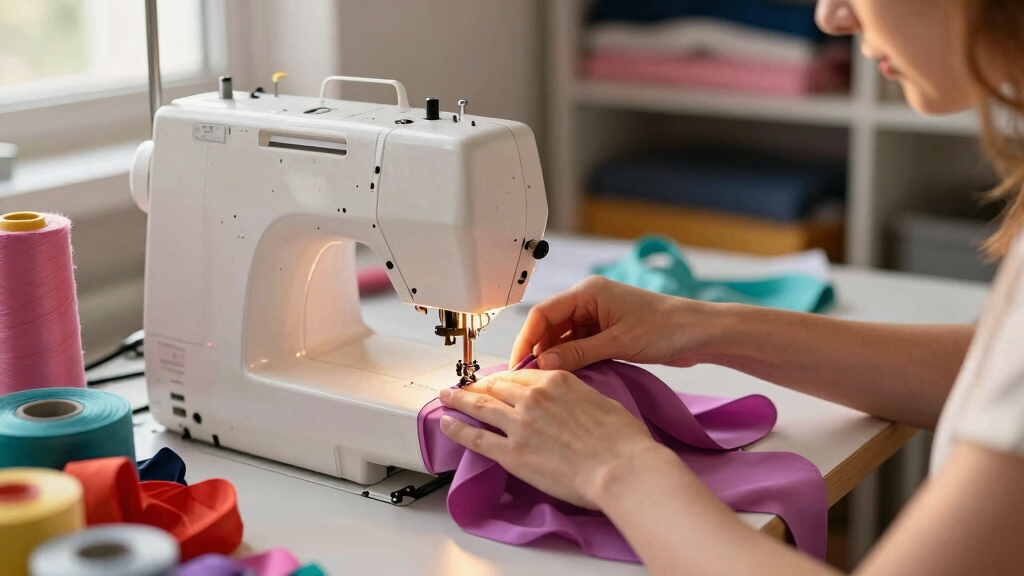
Choosing the best serger for activewear and swimwear involves balancing durability, stitch quality, and ease of use. The Brother AIR1800 Air Serger stands out for its jet air threading, making setup quick for frequent projects. For heavy-duty needs, the SINGER Professional 5 14T968DC offers robust construction and versatile stitches. However, these machines often trade off simplicity for advanced features, and budget options may lack the durability required for frequent activewear and swimwear sewing. Continue reading for a detailed comparison to find the perfect fit for your sewing projects.
Key Takeaways
- The top picks balance stitch quality, durability, and ease of threading, crucial for activewear and swimwear fabrics.
- Serger speed and differential feed are key features that impact fabric handling and seam quality in stretchy materials.
- Built-in stitches and versatility vary significantly; more stitches mean more creative options but often at higher costs.
- Ease of setup, such as jet air threading, can save significant time for frequent projects, especially in activewear production.
- Price ranges vary widely; the most expensive options tend to offer better durability and features suited to continuous use.
| Brother AIR1800 Air Serger with Jet Air Threading, 2/3/4 Thread, LED Lit Work Area |  | Best Overall for Ease and Precision in Activewear | Threading Technology: Jet Air Threading | Number of Threads: 2/3/4 | Lighting: LED | VIEW LATEST PRICE | See Our Full Breakdown |
| SINGER Professional 5 14T968DC Heavy-Duty Metal Frame Serger Overlock with Accessories |  | Best for Heavy-Duty Seamwork and Versatile Stitching | Stitch Capability: 2-3-4-5 stitches | Max Speed: 1,300 stitches per minute | Machine Size: 13.5 x 10.5 x 11.5 inches | VIEW LATEST PRICE | See Our Full Breakdown |
| Brother Sewing 1634DX 3/4 Thread Serger with Differential Feed |  | Best for Beginners and Versatile Fabric Finishing | Model Number: 1634DX | Thread Configurations: 3/4 thread | Maximum Sewing Speed: 1300 stitches per minute | VIEW LATEST PRICE | See Our Full Breakdown |
| SINGER X5004-HD Metal Frame Serger & Overlock Machine, 2-3-4 Stitch Capability, 8 Built-In Stitches, 1300 Stitches/Min, Adjustable Differential Feed, 2 LED Lights |  | Best Heavy-Duty for Thick Fabric and Professional Finishes | Stitch Capability: 2-3-4 stitches | Built-In Stitches: 8 | Stitch Speed: 1300 stitches per minute | VIEW LATEST PRICE | See Our Full Breakdown |
| Brother Coverstitch Serger 2340CV with Metal Frame and Included Presser Feet |  | Best for Professional Finish and Decorative Details | Model: 2340CV | Stitch Speed: 1,100 stitches per minute | Stitch Types: Tri-cover, wide and narrow cover stitches | VIEW LATEST PRICE | See Our Full Breakdown |
| Juki MO-50E Serger Sewing Machine with Lay-In Tensions and Built-In Rolled Hem |  | Best for Ease of Use and Versatility in Home Settings | Brand: Juki | Model Number: MO-50E/UL | Type: Serger Sewing Machine | VIEW LATEST PRICE | See Our Full Breakdown |
| Singer Heavy Duty 14HD854 Overlock Serger with Accessories |  | Best for Speed and Heavy-Duty Performance | Built-In Stitches: 8 | Stitch Types: 6 | Maximum Stitch Speed: 1300 stitches/min | VIEW LATEST PRICE | See Our Full Breakdown |
More Details on Our Top Picks
Brother AIR1800 Air Serger with Jet Air Threading, 2/3/4 Thread, LED Lit Work Area
This serger stands out for its jet air threading technology, which dramatically simplifies setup compared to traditional models like the SINGER X5004-HD, making it ideal for those who want quick adjustments when working with stretchy fabrics. The bright LED lighting enhances visibility, a key advantage when sewing dark activewear or swimwear fabrics. While its versatility with flatlock, overlock, and rolled hem stitches is impressive, the 120V limitation could be a hurdle for international buyers. Compared to the SINGER Professional 5, the AIR1800’s ease of setup reduces the learning curve, but it might come at a higher price point. This model is best suited to advanced hobbyists and small boutique makers who prioritize fast, accurate finishes without sacrificing fabric handling.
Pros:- Jet air threading for quick setup
- Handles challenging knits and stretch fabrics
- Bright LED work area for precision
- Versatile stitch options including flatlock
Cons:- Limited to 120V, restricting international use
- Higher price point may be prohibitive for casual users
Best for: Sewers who need quick, reliable setup for stretchy, technical fabrics and value visibility.
Not ideal for: International buyers or those needing a lower-cost, simple machine for occasional use.
- Threading Technology:Jet Air Threading
- Number of Threads:2/3/4
- Lighting:LED
- Voltage:120V
- Stitch Types:Flatlock, Overlock, Rolled Hem
Bottom line: This serger makes a compelling choice for experienced sewists seeking professional finishes on activewear and swimwear, provided they can handle the price and voltage limitations.
SINGER Professional 5 14T968DC Heavy-Duty Metal Frame Serger Overlock with Accessories
Compared to the Brother AIR1800, the SINGER Professional 5 offers a broader range of stitches (up to 5), making it highly versatile for finishing seams, decorative edges, or even more complex seam finishes. Its high-speed capacity (1,300 stitches per minute) is ideal for large projects requiring durability, especially on thicker fabrics. However, its weight (over 18 lbs) and complex features might be a drawback for those who need portability or quick setup. While it excels in durability and stitch variety, it’s less suited for sewists who prioritize ease of threading or working with delicate stretch fabrics regularly. This model is best for professional sewists or dedicated hobbyists tackling large, heavy projects.
Pros:- Versatile 2-5 stitch options
- High sewing speed for efficiency
- Includes extensive accessories
- Heavy-duty metal construction for longevity
Cons:- Heavy and less portable
- Complex features may challenge beginners
Best for: Sewers working with heavy fabrics and demanding projects needing high stitch quality and speed.
Not ideal for: Beginners or those who prefer lightweight, easy-to-use machines for light activewear or swimwear.
- Stitch Capability:2-3-4-5 stitches
- Max Speed:1,300 stitches per minute
- Machine Size:13.5 x 10.5 x 11.5 inches
- Weight:18.6 lbs
- Included Accessories:Full accessory kit
Bottom line: This serger is ideal for those who prioritize durability and stitch versatility over portability and simplicity, especially for thick fabric projects.
Brother Sewing 1634DX 3/4 Thread Serger with Differential Feed
Compared with the SINGER Professional 5, the Brother 1634DX offers a straightforward 3- and 4-thread setup that’s easier for beginners to manage, thanks to its color-coded threading guides. Its high speed (1,300 stitches per minute) and differential feed make it suitable for finishing a variety of fabrics, including stretchy and lightweight materials common in activewear and swimwear. However, it lacks some of the advanced stitch options and extensive accessories of the heavier models, which could limit creative finishing options. This serger is best suited for hobbyists or sewists new to serging who want reliable performance without complexity, especially for finishing seams on stretch fabrics.
Pros:- Easy color-coded threading
- High-speed operation
- Ideal for stretchy fabrics
- Durable metal frame
Cons:- Limited to basic stitch options
- May be complex for complete novices without prior sewing experience
Best for: Beginners or sewists seeking an easy-to-use serger for activewear and swimwear projects.
Not ideal for: Experienced sewists needing a wide range of stitch options or heavy-duty construction.
- Model Number:1634DX
- Thread Configurations:3/4 thread
- Maximum Sewing Speed:1300 stitches per minute
- Feed Type:Differential feed
- Built-in Features:Removable free arm, retractable knife
Bottom line: This serger balances performance and ease of use, making it a strong choice for beginners working on activewear and swimwear finishes.
SINGER X5004-HD Metal Frame Serger & Overlock Machine, 2-3-4 Stitch Capability, 8 Built-In Stitches, 1300 Stitches/Min, Adjustable Differential Feed, 2 LED Lights
Compared with the Brother AIR1800, the SINGER X5004-HD emphasizes durability with its heavy-duty metal frame and larger cutting knife, making it perfect for handling thicker fabrics such as neoprene or swimwear fabrics requiring robust finishing. Its 8 built-in stitches and high speed (1300 stitches per minute) make it suitable for professional-grade work, especially in a small production or boutique setting. However, its heavier weight and more complex operation may deter casual sewists. This serger’s durability and power are ideal for sewists who need a machine that can consistently handle demanding activewear and swimwear projects, but less so for those prioritizing portability or simple operation.
Pros:- Heavy-duty metal frame
- Handles thick fabrics easily
- High stitching speed
- Adjustable differential feed
Cons:- Heavy and less portable
- Complex for beginners
Best for: Professional sewists or serious hobbyists working with thick, stretchy fabrics regularly.
Not ideal for: Casual sewists or those needing a lightweight, portable serger for occasional activewear or swimwear projects.
- Stitch Capability:2-3-4 stitches
- Built-In Stitches:8
- Stitch Speed:1300 stitches per minute
- Differential Feed:Yes, adjustable
- Lighting:2 LED lights
Bottom line: This machine is suited for those who need reliable, heavy-duty serging for thick activewear or swimwear, accepting its weight and complexity.
Brother Coverstitch Serger 2340CV with Metal Frame and Included Presser Feet
Compared with the sergers above, the Brother 2340CV specializes in cover stitching, which is essential for professional hems and stretch seams in activewear and swimwear. Its metal frame and color-coded threading system make it user-friendly for those wanting a cleaner finish, especially on stretch fabrics. The high speed of 1,100 stitches per minute accelerates finishing tasks, but its focus on cover stitches limits its versatility for decorative serging or overlocking. This pick is best for sewists who prioritize clean, elastic seams and decorative finishes in their activewear or swimwear collections. It’s less suitable if you need a multi-purpose serger for all types of seams.
Pros:- Durable metal frame
- Easy color-coded threading
- Fast sewing speeds
- Excellent for stretch fabric finishes
Cons:- Limited to US 120V
- Less versatile for decorative overlocking
- Requires additional space for accessories
Best for: Garment makers and hobbyists focused on professional hems and stretch fabric finishing.
Not ideal for: Sewers needing a full-range serger for overlock or decorative edge work beyond cover stitches.
- Model:2340CV
- Stitch Speed:1,100 stitches per minute
- Stitch Types:Tri-cover, wide and narrow cover stitches
- Threading System:Color-coded guides
- Differential Feed:0.7 – 2.0 mm
Bottom line: This serger is ideal for those prioritizing clean, elastic seams and decorative finishes on activewear and swimwear, with a focus on ease of threading and speed.
Juki MO-50E Serger Sewing Machine with Lay-In Tensions and Built-In Rolled Hem
The Juki MO-50E stands out for its straightforward threading system, thanks to the automatic lower looper threader, making it an excellent choice for those new to serging activewear and swimwear. Its ability to switch between 3 and 4 threads, combined with a built-in rolled hem, provides professional finishes without complex adjustments. Compared with the Singer Heavy Duty 14HD854, it offers easier setup and more flexible fabric handling, although it lacks some advanced stitch options and may not suit heavy-duty industrial needs. This model is better suited for hobbyists or small-scale sewers focused on lightweight, stretchy fabrics rather than high-volume production or heavy fabrics. The adjustable differential feed ensures smooth seams on knits, but limited to basic functions means it’s less ideal for expanding into more complex sewing techniques.Pros:- Easy to thread with automatic lower looper threader
- Versatile with 3 or 4 thread options and built-in rolled hem
- Adjustable differential feed handles stretchy fabrics well
Cons:- Limited to basic serging functions, lacking advanced stitch options
- Warranty excludes consumable parts, which could add up over time
Best for: Home sewists who prioritize ease, quick setup, and versatile finishing for activewear and swimwear projects.
Not ideal for: Seamstresses needing heavy-duty construction or advanced features for complex or industrial-level projects.
- Brand:Juki
- Model Number:MO-50E/UL
- Type:Serger Sewing Machine
- Number of Threads:3 or 4
- Features:Lay-in tensions, adjustable differential feed, built-in rolled hem, automatic lower looper threader, calibrated knife
- Warranty:Five years parts, two years electronics
Bottom line: This serger is ideal for hobbyists or small-scale sewers seeking reliable, easy-to-use equipment for activewear and swimwear.
Singer Heavy Duty 14HD854 Overlock Serger with Accessories
The Singer Heavy Duty 14HD854 offers robust construction with its durable metal frame and a powerful motor capable of sewing up to 1,300 stitches per minute, making it suitable for finishing activewear and swimwear quickly and efficiently. Its fully adjustable stitch length and width, along with six stitch types, provide more variety than the Juki MO-50E, but the setup can be more complex, especially for beginners who might find the color-coded threading system less intuitive. Compared to smaller, more beginner-friendly models, it excels in durability and speed, though it takes up more space and requires a more stable work surface. This serger is better suited to experienced sewists or small businesses that need a reliable machine for frequent, high-speed projects involving stretchy or thick fabrics.Pros:- Heavy-duty metal frame for stability and longevity
- High sewing speed with professional-quality stitch output
- Color-coded threading system simplifies setup
Cons:- More complex to operate, especially for beginners
- Limited built-in stitch options compared to some models
Best for: Experienced sewists or small-scale production settings needing fast, durable finishing for activewear and swimwear.
Not ideal for: Beginners or hobbyists who prioritize simplicity and minimal setup, as this model’s features can be overwhelming without prior experience.
- Built-In Stitches:8
- Stitch Types:6
- Maximum Stitch Speed:1300 stitches/min
- Thread Capability:2/3/4 threads
- Cutting Knife:60% larger than standard
- Heavy Duty Metal Frame:Yes
- Differential Feed:Fully adjustable
- Lighting:Two LED lights
Bottom line: This serger best serves experienced sewists or small businesses demanding speed, durability, and versatility for activewear and swimwear finishing.
How We Picked
Our evaluation focused on performance aspects critical for sewing activewear and swimwear, such as stitch quality, fabric handling, and durability. Usability features like threading systems, speed, and differential feed were prioritized, as they directly impact ease of use and fabric stretch management. Build quality and reliability over time also factored into the rankings, ensuring these sergers can handle the demanding nature of activewear and swimwear fabrics. Cost-effectiveness was considered, but machines offering the best balance of features for frequent, precise sewing earned higher positions. The final list reflects a mix of professional-grade features and user-friendly design suited for dedicated sewists working with stretch and lightweight fabrics.Factors to Consider When Choosing Best Serger For Activewear And Swimwear
When selecting the best serger for activewear and swimwear, it’s important to consider several key factors that impact performance, durability, and ease of use. These projects often involve stretchy, delicate fabrics, so choosing a machine that can handle these materials without compromising stitch quality is essential. Understanding your specific needs and how different features cater to those needs will help you avoid common pitfalls like inadequate tension control or insufficient stitch options. The following factors will guide you in making an informed decision.Stitch Quality and Types
For activewear and swimwear, the quality of the serger’s stitches is paramount. Look for machines that offer a variety of stitch options, including narrow and wide overlocks, rolled hems, and flatlock stitches. These stitches provide durability and a clean finish, essential for stretchy fabrics that need to withstand frequent movement and washing. Machines with adjustable stitch width and length give you more control, ensuring seams stay secure without puckering or stretching out of shape.
Fabric Handling and Differential Feed
Stretchy and lightweight fabrics require precise feeding to prevent puckering or stretching. Differential feed adjusts the fabric’s feed rate, which helps maintain smooth stitches without gathering or distortion. A machine with adjustable tension and a reliable differential feed system makes sewing activewear and swimwear easier and more professional-looking. Skipping this feature can lead to uneven seams and compromised durability, especially on delicate or slippery fabrics.
Threading System and Maintenance
An easy-to-thread serger saves time and frustration, especially when working with multiple thread cones for different stitch types. Jet air threading or color-coded threading paths reduce setup time and minimize errors. Regular maintenance, including cleaning and oiling, extends the machine’s lifespan and ensures consistent stitch quality. Investing in a machine with a straightforward maintenance routine is particularly beneficial for those frequently sewing activewear and swimwear.
Durability and Build Quality
Activewear and swimwear sewing demand a sturdy, reliable machine that can handle frequent use and thicker fabrics. Metal frames and heavy-duty construction typically outperform plastic models in longevity and stability. While these machines often cost more upfront, they reduce downtime and repair costs over time. Conversely, lighter, cheaper models might be tempting for beginners but may not withstand regular, intensive sewing sessions.
Price and Additional Features
Budget sergers can be appealing but may lack durability, stitch variety, or features like differential feed and quick threading. Higher-priced models often include advanced features such as multiple stitch options, faster speeds, and more robust construction. Consider your project scope — if you sew frequently or professionally, investing in a slightly more expensive machine with extra features can pay off through improved results and reliability.
Ease of Use for Beginners
If you’re new to serging, look for models with user-friendly features like color-coded threading, automatic tensions, and clear instructions. Machines with straightforward controls reduce the learning curve and help you produce professional-looking seams faster. However, be aware that some beginner-friendly models may lack the durability needed for continuous activewear production, so balance ease of use with your long-term needs.
Frequently Asked Questions
Can I sew stretchy fabrics like spandex and Lycra on a standard serger?
Yes, most sergers are designed to handle stretchy fabrics, especially if they have a differential feed feature. This allows the fabric to move smoothly through the machine without puckering or stretching out of shape. Selecting a serger with adjustable tension and multiple stitch options ensures you can customize the seam to suit activewear and swimwear fabrics. However, machines with specialized stretch stitch modes or flatlock stitches will give you more versatile options for professional results.
Is jet air threading worth it for frequent activewear sewing?
Jet air threading systems significantly reduce setup time, especially when changing threads frequently. For activewear and swimwear projects where multiple seam finishes are common, this feature can save hours over time and reduce frustration. While these machines tend to cost more initially, the convenience and speed they offer often justify the investment for dedicated sewists or small businesses. If you sew often and value efficiency, a jet air threading serger is a smart choice.
Should I prioritize a heavy-duty serger or a lightweight one for activewear projects?
For activewear and swimwear, durability is more important than portability, as these fabrics can be tough on machines. Heavy-duty sergers with metal frames tend to last longer and maintain tension better over time, ensuring consistent stitch quality. Lightweight models might be easier to store or move around but often lack the robustness needed for frequent, intensive sewing. If you plan to sew regularly or in a professional setting, investing in a heavier, more durable machine is advisable.
How many stitches do I really need on a serger for activewear and swimwear?
Most sergers offer 2-4 stitch options, which are generally sufficient for activewear and swimwear. The most important are the standard overlock stitches for seam finishing and rolled hems for lightweight fabrics. Machines with additional stitches like flatlock or coverstitch provide extra versatility for decorative or functional seams. However, more stitches often come at a higher cost, so prioritize those that meet your primary sewing needs rather than extra features you may never use.
Can I upgrade or add features to a basic serger later on?
In most cases, sergers have limited upgrade options since many features are built-in. However, you can expand your capabilities by purchasing additional attachments, presser feet, or accessories like coverstitch attachments. For long-term flexibility, consider a machine with a wider range of stitch options and adjustable settings from the start. This approach minimizes the need for future upgrades and ensures your machine remains useful as your sewing skills and project complexity grow.
Conclusion
For most dedicated sewists working with activewear and swimwear, the Brother AIR1800 Air Serger offers excellent ease of use with its jet air threading and versatile stitch options, making it the best overall choice. If durability and professional features are your priority, the SINGER Professional 5 14T968DC provides a robust, heavy-duty option that holds up to frequent use. Beginners should consider models with simplified threading and controls, like entry-level Brother or Singer models, to build confidence. For those sewing at a commercial level or needing maximum versatility, investing in a higher-end machine with multiple stitch types and advanced features will deliver the best long-term value and performance.