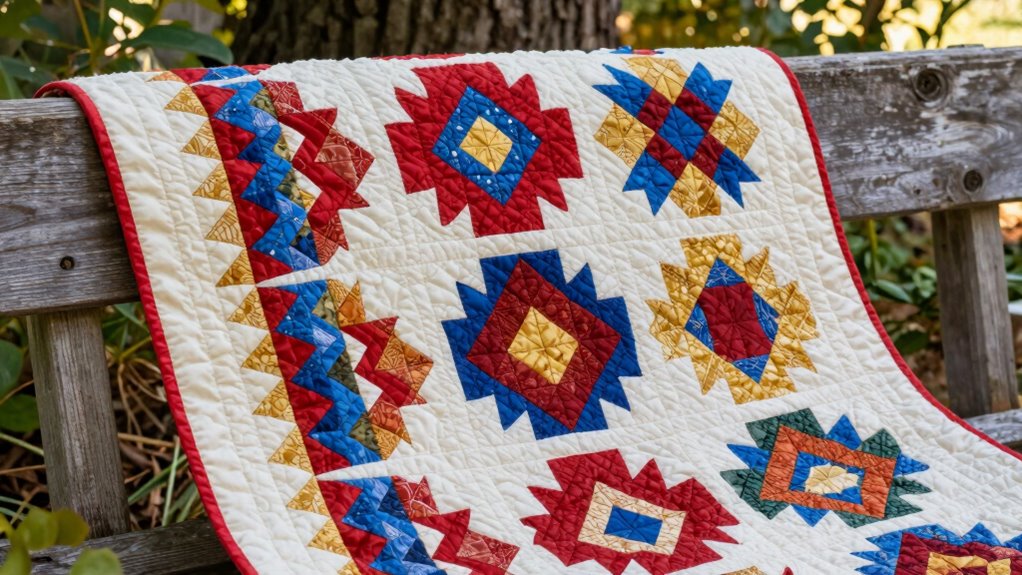
A beginner-friendly pattern is simple and easy to follow, with clear instructions and straightforward shapes. It uses a limited color palette and harmonious designs to avoid confusion. Choosing fabrics like cotton or linen that are stable and easy to handle helps prevent frustration. Visual cues like printed patterns or clear markings guide you during sewing and cutting. Stay with these basics, and you’ll find working on new projects much more enjoyable and less overwhelming.

Get tools and workshop supplies delivered free — and shop member deals
- Fast, free delivery on millions of items
- Access to Prime Big Deal Days deals on October 6–7
- Prime Video, Amazon Music and more included
Key Takeaways
- Features simple, straightforward shapes and lines to reduce complexity.
- Uses clear, detailed instructions with visual guides for easy understanding.
- Incorporates a limited, harmonious color palette to enhance visual clarity.
- Designed for medium-weight, stable fabrics that are easy to handle.
- Emphasizes beginner-friendly techniques and avoids intricate or advanced skills.
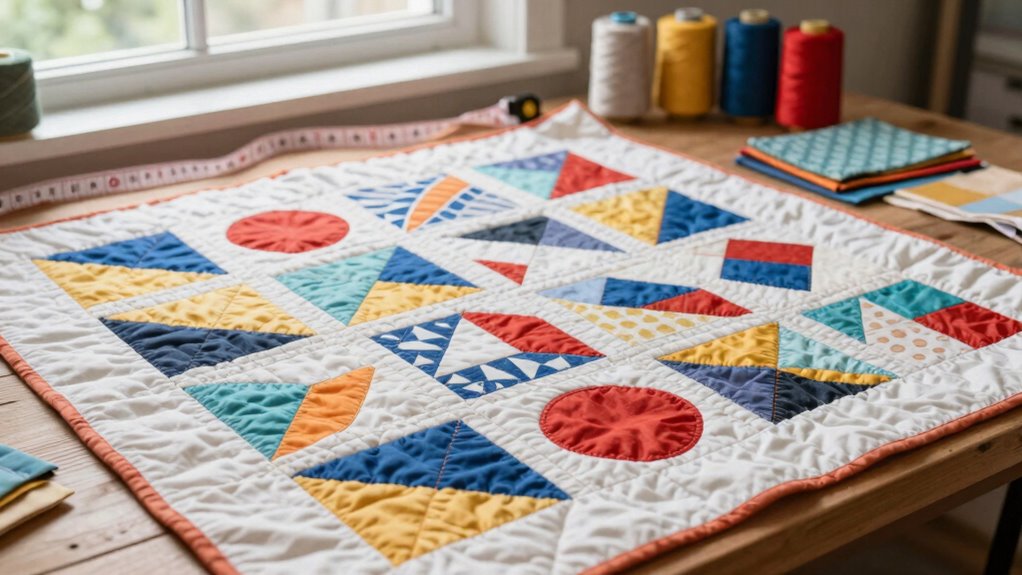
Ever wondered how to get started with creating patterns? It’s a great question, especially if you’re new to designing or sewing. The key to a beginner-friendly pattern lies in simplicity and clarity, making it approachable for anyone just starting out. When you’re designing or working with patterns, pay close attention to color coordination. Stick to a limited color palette initially—think two or three complementary shades. This makes your pattern visually appealing without overwhelming the eye. Using harmonious colors helps you see how different elements work together and avoids the confusion that often comes with clashing hues. As you gain confidence, you can experiment with more complex color schemes, but starting simple keeps things manageable.
Start with simple, harmonious colors to create appealing patterns without overwhelming the eye.
Fabric selection plays a vital role in making your first patterns easier to work with. For beginners, choosing fabrics that are easy to handle makes all the difference. Look for medium-weight fabrics like cotton or linen, which are forgiving and won’t slip or stretch too much as you cut and sew. These fabrics hold their shape well and are less likely to cause frustration during the process. Avoid slippery or very delicate materials like silk or chiffon until you’re more comfortable with your skills. Additionally, fabric with a clear print or pattern can serve as a visual guide, helping you align and cut your pieces accurately. This visual cue reduces errors and makes sewing more straightforward. Understanding fabric properties can help you select the best materials for your projects and improve your overall experience. Choosing appropriate fabrics is essential for creating patterns that are both easy and enjoyable to work with. Moreover, practicing with a variety of fabric types can enhance your understanding of how different materials behave, making you a more confident sewer. To further simplify your process, choosing patterns with clear instructions and simple shapes can be incredibly helpful for beginners. Exploring fabric stability can also assist in selecting the right fabric for different projects and skill levels.
As an affiliate, we earn on qualifying purchases.
Frequently Asked Questions
How Do I Choose the Right Pattern for My Skill Level?
To choose the right pattern for your skill level, start with evaluating your current skills and comfort with similar projects. Look for patterns labeled as beginner-friendly or with simple pattern complexity. Avoid those with intricate stitches or advanced techniques. Reading reviews or previews can also help. By matching the pattern complexity to your skill assessment, you’ll find a project that challenges yet doesn’t overwhelm you, making the process enjoyable and successful.
What Tools Are Essential for Beginner-Friendly Pattern Making?
You need essential tools like good fabric selection and proper pattern storage to start pattern making confidently. Choose beginner-friendly fabrics like cotton or muslin that are easy to work with. Use clear, labeled pattern storage solutions to keep your patterns organized and accessible. A good pair of scissors, measuring tape, and marking tools are also crucial. These tools help you learn quickly and make your sewing journey enjoyable and less frustrating.
Can I Modify Patterns to Better Suit My Needs?
Yes, you can definitely modify patterns to better suit your needs. Pattern modification allows you to customize fit, length, or style. Use simple customization tips like adjusting seam allowances, adding darts, or changing hemlines. Start with small tweaks, and don’t be afraid to experiment. With practice, pattern modification becomes easier, helping you create garments that fit perfectly and reflect your personal style.
How Long Does It Typically Take to Complete a Beginner Pattern?
Think of a beginner pattern as planting a seed—you’ll see growth with patience. It usually takes about a weekend or a few days, depending on fabric selection and pattern complexity. If you choose simpler fabrics and patterns, you’ll finish faster. More intricate designs or delicate fabrics might extend your project time. Stay patient, enjoy the process, and celebrate each step as your skills blossom.
Are There Common Mistakes to Avoid When Starting a New Pattern?
When starting a new pattern, avoid common mistakes like rushing through fabric selection or ignoring color coordination. Choose fabric that’s easy to handle and suits your project, and pick colors that complement each other to make sewing easier. Take your time planning these details, because rushing can lead to mistakes. Double-check measurements and follow instructions carefully, ensuring your project stays on track and turns out as intended.
Conclusion
So, the irony is that what often seems intimidating—simple, straightforward patterns—are actually your best friends in disguise. They’re the ones that help you build confidence, master skills, and turn “I can’t” into “I just did.” Sometimes, the most complex-looking designs are the easiest to learn because they hide their sophistication behind simplicity. Embrace those beginner-friendly patterns; they’re your secret weapon to feeling like a pro, even when you’re just starting out.
Fall Picks
fall essentials
As an affiliate, we earn on qualifying purchases.