When choosing a sewing machine for your home business, focus on your current workload and fabric types to avoid overbuying. Look for versatile models that handle different fabrics well and have essential features like adjustable stitch length. Prioritize durability and easy maintenance to guarantee long-term performance. Installing the right machine now helps prevent costly upgrades later. If you keep exploring, you’ll find tips to match your needs precisely and make smart investments.

Get tools and workshop supplies delivered free — and shop member deals
- Fast, free delivery on millions of items
- Access to Prime Big Deal Days deals on October 6–7
- Prime Video, Amazon Music and more included
Key Takeaways
- Assess your current fabric types and workload to select a machine with appropriate power and features.
- Prioritize versatile machines with adjustable settings suitable for multiple fabric weights.
- Focus on essential features like stitch options and durability; avoid unnecessary extras.
- Choose models with easy maintenance routines to ensure long-term performance and minimal downtime.
- Plan for future growth by selecting a reliable, durable machine that can handle increased workloads.

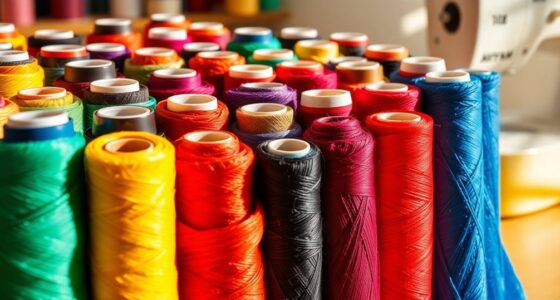
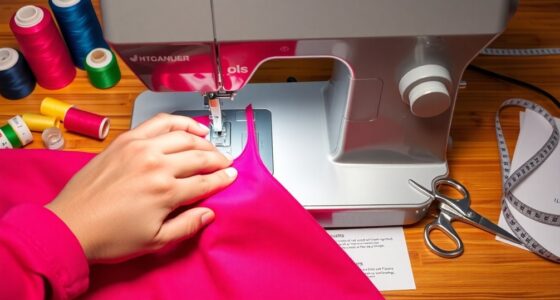
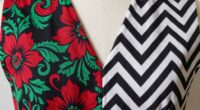
Starting a home-based sewing business requires more than just skill; it demands the right machine to handle your workload efficiently. When choosing a sewing machine, you need to consider the variety of fabric types you’ll be working with. Different fabrics, like lightweight silks or heavy denim, require specific machine features to guarantee smooth stitching and durability. If you plan to produce a wide range of products, look for a versatile machine that can handle multiple fabric types without constant adjustments. This flexibility saves you time and reduces frustration, especially when you’re juggling multiple orders.
Choose a versatile sewing machine that handles various fabrics to boost efficiency and reduce frustration.
While selecting a machine, don’t overlook the importance of easy machine maintenance. Regular upkeep keeps your machine running smoothly and prevents costly repairs down the line. Choose a model with straightforward cleaning and oiling routines, and ensure you can access replacement parts easily. Maintaining your machine is essential for consistent performance, particularly when you’re working on tight deadlines. An investment in a durable machine that’s simple to care for will pay off in the long run, reducing downtime and ensuring your business runs without unnecessary interruptions. Machine durability can help ensure your investment withstands frequent use over time. Additionally, considering machine maintenance routines can help prolong its lifespan and improve performance.
It’s tempting to go for the most advanced machine on the market, but overbuying can lead to unnecessary expenses. Instead, focus on what your current workload demands. If you’re just starting out, a reliable basic model with essential features—like adjustable stitch length, multiple stitch options, and a sturdy build—may be enough. As your business grows and your needs become more complex, you can upgrade to a machine with additional capabilities, like automatic buttonholes or embroidery functions. This phased approach prevents you from overspending on features you don’t yet need, allowing you to allocate your budget wisely.
Furthermore, choose a machine that’s compatible with the types of fabrics you plan to work with most often. For example, if you’re primarily sewing thick canvas or upholstery fabrics, make sure your machine can handle heavy-duty tasks. Conversely, if your focus is on delicate fabrics, select a model with gentle stitch options and appropriate tension controls. Understanding your typical fabric types helps you avoid purchasing a machine that’s either underpowered or unnecessarily sophisticated, both of which can become cost burdens. Additionally, considering machine durability can help ensure your investment withstands frequent use over time.
versatile sewing machine for home business
As an affiliate, we earn on qualifying purchases.
As an affiliate, we earn on qualifying purchases.
Frequently Asked Questions
How Often Should I Service My Sewing Machine for Business Use?
You should service your sewing machine every 20 to 30 hours of use for business workloads. Follow your maintenance schedule closely, including regular lubrication, which typically needs to be done after every 8 to 10 hours of sewing. Keep an eye on thread tension and cleanliness, and consider professional servicing annually to guarantee peak performance. Regular maintenance prevents breakdowns and extends your machine’s lifespan, keeping your business running smoothly.
What Is the Best Sewing Machine Brand for Beginners?
You can’t go wrong with Brother or Singer—they’re practically the superheroes of sewing brands! Both boast an incredible reputation for durability and premium quality. For beginners, look for models with beginner-friendly features like easy threading, simple controls, and automatic stitch options. These brands make sewing less intimidating and more fun, helping you build confidence. With their trusted names, you’re set up for success without overbuying or feeling overwhelmed.
Can I Upgrade Parts of My Sewing Machine Later?
Yes, you can often upgrade parts of your sewing machine later, but it depends on the machine’s compatibility and available upgrade options. Check the sewing machine compatibility with different accessories or parts before purchasing. Many models offer machine upgrade options like new presser feet, embroidery modules, or more powerful motors. Always research your machine’s upgrade potential to guarantee you can enhance its capabilities without replacing the entire unit later on.
Are There Specific Features for Heavy-Duty Sewing Tasks?
Sure, because your sewing machine should double as a superhero! Look for heavy-duty features like extra-strong motors and robust metal frames to tackle thick fabrics effortlessly. Fabric handling is key—seek machines with powerful feed dogs and adjustable presser feet. These features guarantee smooth stitches on dense materials, saving you from frustration and broken needles. After all, your home business deserves a machine that’s as tough as your ambition!
How Do I Choose Between a Mechanical and Computerized Machine?
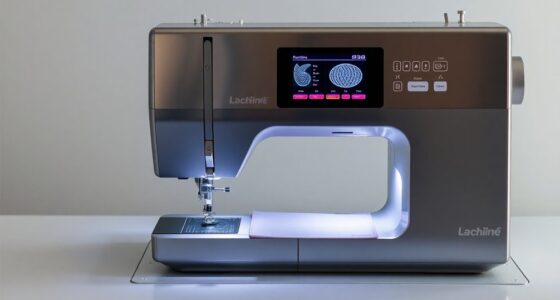
You should choose a computerized machine if you want features like a digital display and automatic threader, making sewing more efficient and user-friendly. These machines often offer more stitch options and precise control, ideal for a home business. On the other hand, if you prefer simplicity and durability, a mechanical machine works well. Consider your skill level and workload to decide which type suits your needs best.
Conclusion
Just like a skilled painter selects the perfect brush to bring their vision to life, choosing the right sewing machine guarantees your home business thrives. Don’t let the allure of bells and whistles tempt you into overbuying; instead, focus on what truly meets your needs. With the right machine, you’ll be weaving success into every stitch, turning your workspace into a bustling atelier where your passion blossoms and your craft shines brighter than ever.
Halloween Picks
halloween
As an affiliate, we earn on qualifying purchases.