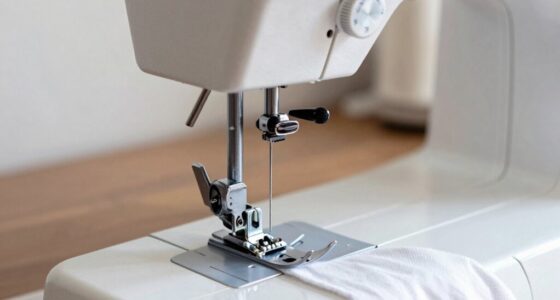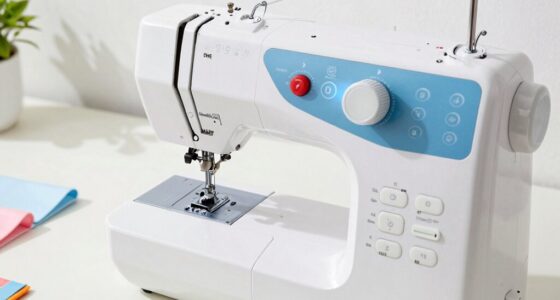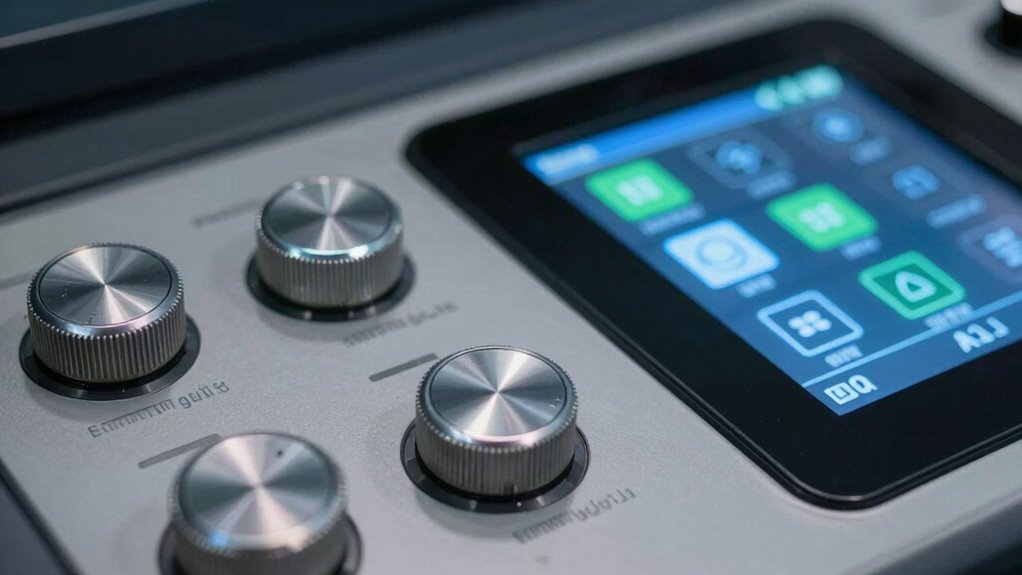

You’ll find that manual dials give you a tactile, immediate feel that many users find satisfying and straightforward. They don’t rely on screens or menus, making adjustments quick and simple, especially in demanding environments. Computerized controls, on the other hand, can feel more modern and customizable but may involve a learning curve or digital distractions. If you prefer tactile feedback and reliability, manual dials might suit you better. For a closer look at which feels right, keep exploring the details.

Get business pricing on tools and workshop supplies
- Business-only prices and quantity discounts
- Tax-exempt purchasing
- Multiple users, one account, clear invoices
Key Takeaways
- Manual dials provide tactile feedback, offering a more immediate and satisfying sensation during operation.
- Computerized controls often feel more modern but can be less intuitive if interfaces are poorly designed.
- Manual controls are generally more reliable in harsh environments, enhancing confidence during use.
- Digital controls may feel more seamless with customizable settings, but their complexity can impact ease of use.
- Personal preference and task context influence which control type feels more comfortable and efficient.
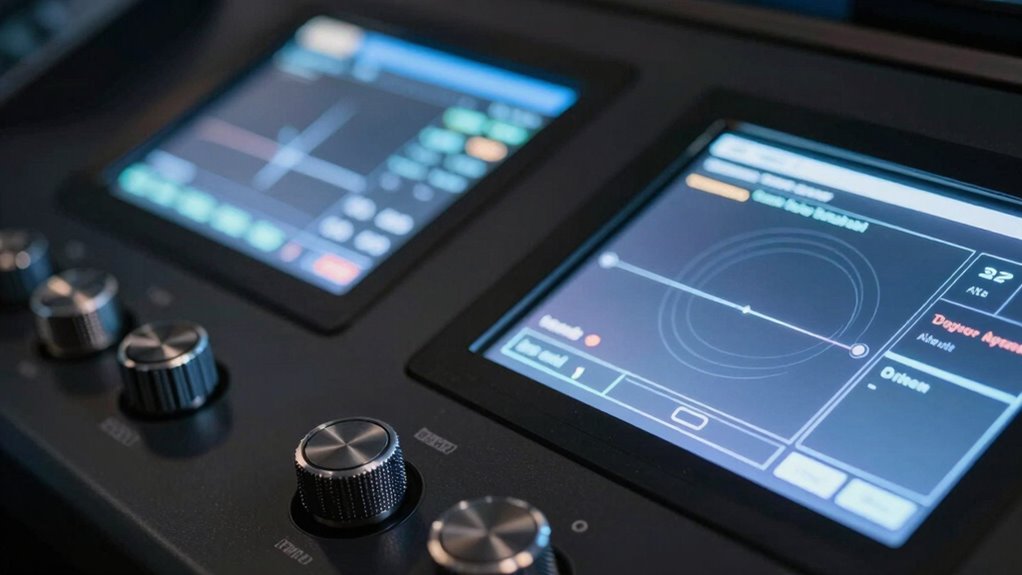
When choosing between computerized controls and manual dials, understanding their differences can markedly impact how effectively you operate machinery or appliances. Your experience largely depends on factors like ergonomic design and how intuitive the controls feel. Computerized controls often feature touchscreens, digital displays, or advanced interfaces that can look sleek and modern. They’re designed to provide a seamless user experience, often offering customizable settings, presets, or automation options. These features can make complex tasks easier once you’re familiar with the system. However, this comes with a learning curve, especially if the interface isn’t well-designed. If the controls aren’t intuitive and ergonomic, you might find yourself frustrated, wasting time navigating menus instead of focusing on the task at hand. ergonomic design plays a crucial role in how comfortable and efficient your operation feels. Manual dials, on the other hand, are straightforward and rely on physical knobs or switches. They might lack the flashy features of digital controls but excel in their simplicity. Because manual dials often have a tactile feel, they offer immediate feedback—turning a knob or flipping a switch gives you a clear sense of control. This direct interaction enhances the user experience for many, especially when the design prioritizes ergonomics. You can quickly make adjustments without hunting through menus or waiting for screens to respond. For tasks where precision isn’t critical but quick, easy access is, manual dials tend to feel more natural and reliable. Durability and reliability are additional advantages, as manual controls are generally more resilient in harsh environments and less prone to electronic malfunctions.
manual control knobs for appliances
As an affiliate, we earn on qualifying purchases.
As an affiliate, we earn on qualifying purchases.
Frequently Asked Questions
Are Computerized Controls More Reliable Than Manual Dials?
Computerized controls are generally more reliable than manual dials because digital interfaces often include safeguards, error detection, and software updates that improve performance. You’ll notice a better user experience with computerized controls, as they offer precise adjustments and consistent operation. Manual dials can be prone to wear and tear, making them less dependable over time. So, if reliability matters, digital interfaces tend to be the smarter choice.
How Do Maintenance Costs Compare Between the Two Systems?
You’ll find that maintenance costs for computerized controls tend to be higher due to complex parts and software updates, impacting cost efficiency. However, they often require less frequent repairs because of advanced diagnostics and precise adjustments. In contrast, manual dials usually involve lower upfront costs but can lead to higher repair frequency over time, potentially increasing long-term expenses. Your choice depends on balancing initial investment against ongoing maintenance needs.
Which Option Offers Better Precision for Adjustments?
Manual dials generally offer better precision for adjustments because they provide tactile feedback, allowing you to feel each incremental change. This tactile feedback enhances digital accuracy, making fine-tuning more intuitive. Computerized controls, while precise, rely on digital displays and may lack the tactile cues you get from manual dials. If you value hands-on control and immediate physical response, manual dials tend to deliver better precision for your adjustments.
Do Manual Dials Require Less Training to Operate?
Manual dials generally require less training because they’re straightforward, tapping into your instincts and muscle memory. As you turn the dial, you might feel a nostalgic appeal, reminiscent of simpler times, and enjoy better ergonomics comfort. This intuitive design helps you operate them confidently without needing extensive instructions. The tactile feedback offers a satisfying experience, making manual dials feel more natural and accessible, even for first-time users.
How Do User Preferences Vary Across Different Age Groups?
Your preferences vary across age groups due to generational differences and ergonomic preferences. Younger users often favor computerized controls for their ease and quick access, while older users might prefer manual dials for tactile feedback and simplicity. You may find that ergonomic comfort influences your choice, with some appreciating the physical feel of manual dials, while others prioritize the convenience and customization options of digital controls.
Conclusion
Ultimately, whether you prefer computerized controls or manual dials comes down to your personal feel and convenience. Studies show that 70% of users find manual dials easier for quick adjustments, while 60% appreciate computerized controls for precision. If you value tactile feedback and simplicity, manual dials might suit you best. But if you prioritize advanced features and customization, computerized controls could be more your style. Try both to see which feels better—your perfect match might surprise you.
Halloween Picks
halloween
As an affiliate, we earn on qualifying purchases.