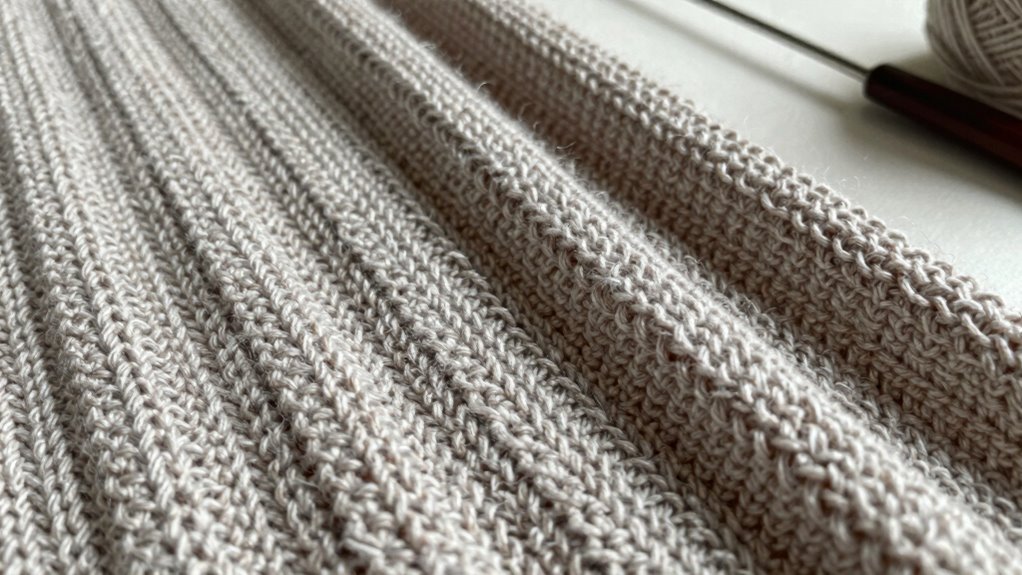
Bias in knitted fabric happens when tension varies or yarn stretches unevenly during knitting. Handling yarn too tightly or loosely, or using inconsistent tension, can cause diagonal distortion and shape loss. To reduce bias, maintain steady tension and guarantee even yarn feed throughout your project. Proper tension control and careful handling help prevent fabric distortion. If you want to master these techniques, you’ll discover more effective tips ahead.

Get business pricing on tools and workshop supplies
- Business-only prices and quantity discounts
- Tax-exempt purchasing
- Multiple users, one account, clear invoices
Key Takeaways
- Bias develops from inherent fabric stretch along the diagonal due to yarn and stitch structure.
- Uneven yarn tension during knitting causes irregular stitches, leading to bias formation.
- Using elastic or stretchy yarn increases the risk of bias in knitted fabric.
- Maintaining consistent tension and proper yarn feed helps prevent bias.
- Gentle blocking and avoiding overstretching during finishing minimize bias and shape distortion.
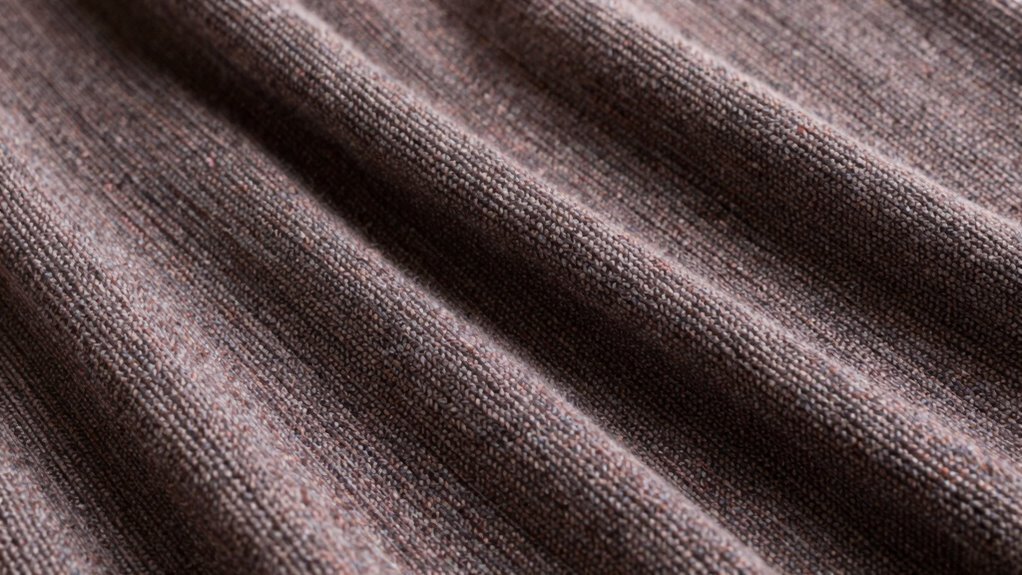
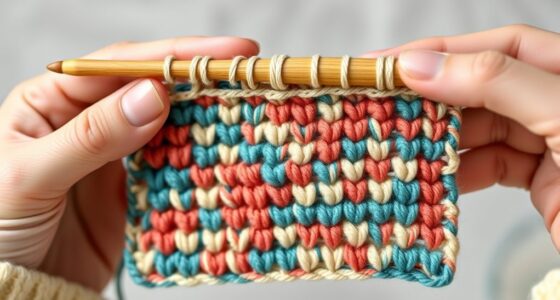
Ever wondered why knitted fabrics sometimes twist or distort? One common reason is bias, which is when the fabric stretches more on a diagonal angle rather than straight along the grain. Bias can make your finished project look uneven or cause it to lose its shape over time. To understand what causes this, you need to look at two key factors: fabric stretch and yarn tension. When you’re knitting, the amount of stretch across the fabric isn’t uniform. The fabric naturally has more give along the bias direction because of how the stitches are constructed. This inherent stretch can lead to bias if not managed properly. Managing fabric stretch is essential to prevent distortion and maintain the shape of your knitted piece. Additionally, the type of yarn used, such as stretchy or elastic fibers, can influence how much bias develops during knitting.
Bias causes knitted fabrics to stretch diagonally, leading to uneven shapes and distortion over time.
Yarn tension plays a vital role in preventing bias. If your tension varies from row to row, or if the yarn isn’t evenly pulled, it can introduce irregularities in the fabric. Too tight, and the fabric becomes stiff, making it less able to stretch evenly; too loose, and it becomes floppy and prone to distortion. Maintaining consistent yarn tension throughout your project helps keep the fabric stable in all directions, reducing the likelihood of bias. When tension isn’t uniform, the stitches may skew, causing the fabric to pull or twist along the bias. Controlling tension is also closely related to understanding fabric stretch, which influences how the fabric behaves during and after knitting.
Another factor that influences bias is how you handle fabric stretch during knitting. If you pull the yarn too tightly or too loosely during each stitch, you change the tension balance across your work. This imbalance causes the fabric to develop uneven sections that can distort when you wear or wash the finished piece. To reduce this, you should focus on maintaining steady, even tension as you knit. Paying close attention to your yarn feed and ensuring your hand movements aren’t inconsistent can make a significant difference.
The way you stretch or block your fabric after knitting also affects bias. Over-stretching during blocking can set the fabric into a distorted shape, emphasizing bias. Conversely, gentle blocking can help relax the stitches and restore the fabric’s natural shape. When blocking, use proper tension and avoid pulling the fabric excessively in any direction. This helps the fabric settle into a more stable, less biased form. Proper blocking techniques can significantly improve the final appearance and durability of your knitted project.
Popular right now

De'Longhi Stilosa Compact Manual Espresso Machine with Milk Frother

Shark Navigator Robot Vacuum with Self-Empty Base, Dark Grey (RV2120AE)

LG 85-inch QNED75B Mini LED Smart TV Bundle with HDMI and CPS Protection Plan
As an affiliate, we earn on qualifying purchases.
Frequently Asked Questions
Can Fabric Type Influence Bias Formation in Knitting?
Yes, fabric type influences bias formation because different fiber properties affect how the yarn behaves during knitting. For example, stretchy or slippery fibers can lead to uneven tension, increasing bias. Your knitting tension also plays a role; if it’s inconsistent, it can cause bias issues, especially with certain fabric types. Choosing the right fiber and maintaining steady tension helps minimize bias and produce more even, high-quality knitted fabrics.
How Does Machine Maintenance Impact Bias Development?
Machine maintenance directly impacts bias development in knitted fabric. When you guarantee proper machine calibration, you help prevent uneven tension that can cause bias. Additionally, maintaining lubrication consistency keeps the machinery running smoothly, reducing irregularities during knitting. Neglecting these aspects can lead to fabric distortion and increased bias. Regularly checking calibration and applying consistent lubrication minimizes these issues, resulting in more uniform fabric with fewer bias problems.
Are There Specific Knitting Techniques to Prevent Bias?
Yes, you can use specific knitting techniques to prevent bias. Focus on tension control throughout your project to guarantee even fabric. Choosing stitch patterns that maintain stability, like ribbing or balanced knit-purl combinations, helps reduce bias. Consistently monitor tension and stitch consistency, adjusting as needed. These techniques work together to prevent the fabric from skewing diagonally, keeping your knitted piece aligned and properly shaped.
Does Yarn Color Affect Bias Visibility?
Yes, yarn color can affect bias visibility in knitted fabric. Bright or contrasting colors tend to make bias more noticeable because they highlight visual distortions. Darker or more uniform shades help mask bias, making it less apparent. When choosing yarn, consider how color impacts overall appearance. If you want to minimize bias effects, opt for subtle or solid hues, which help the fabric look more even and polished.
Can Environmental Conditions During Knitting Cause Bias?
Environmental factors during knitting can cause bias by affecting your knitting consistency. Humidity, temperature, and even air currents can influence yarn tension and how evenly stitches form. If you work in a drafty or damp area, your tension may fluctuate, leading to biased fabric. To minimize this, guarantee a stable environment with controlled humidity and temperature, and maintain steady knitting pace. This helps you achieve more uniform stitches and reduces bias in your fabric.
Conclusion
Understanding what causes bias in knitted fabric helps you navigate its challenges like a skilled sailor steering through stormy seas. By controlling yarn tension, adjusting machine settings, and choosing proper yarns, you can steer clear of unwanted distortion. Remember, your craftsmanship is the compass guiding your fabric to perfection. With patience and attention, you’ll transform potential flaws into a masterpiece, turning biases into beauty—making your knitting journey a voyage worth celebrating.