
TL;DR

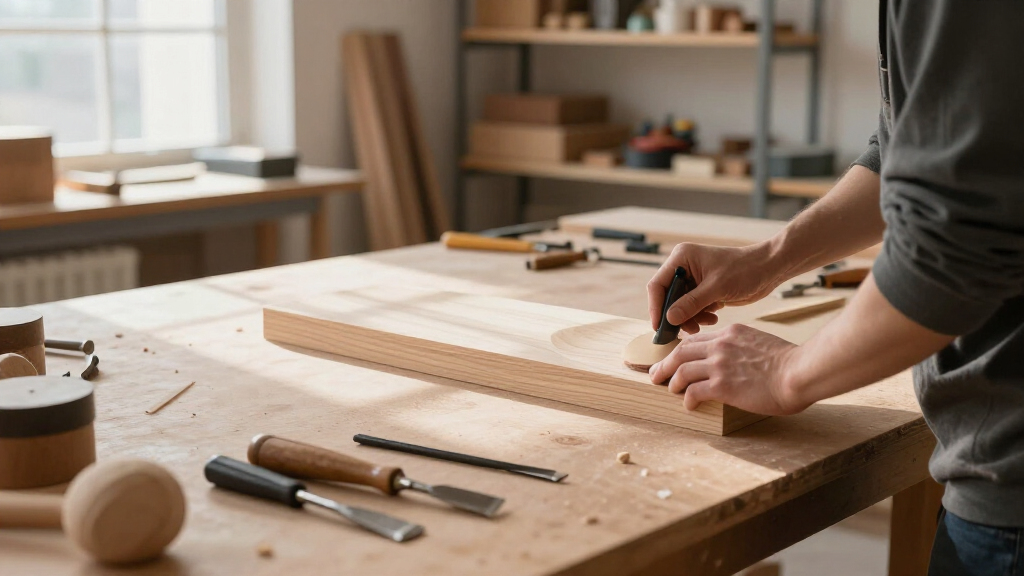
Get business pricing on tools and workshop supplies
- Business-only prices and quantity discounts
- Tax-exempt purchasing
- Multiple users, one account, clear invoices
The Museum of Art Pudong has seen a significant increase in worldwide media coverage, with 28 mentions recorded in recent analysis. This surge elevates its international profile and recognition.
The Museum of Art Pudong has experienced a notable surge in international media coverage, with 28 mentions recorded in recent analysis, according to data from GDELT. This increase marks a significant boost in its global profile, making it a focal point in arts and culture discussions worldwide.
The surge in coverage was identified through GDELT, a global media monitoring database, which recorded 28 mentions of the Museum of Art Pudong within a specific reporting window. This number represents a substantial increase compared to previous periods, although the exact baseline is not specified. The mentions span various international outlets, indicating growing global interest in the museum’s exhibitions, initiatives, or developments. The museum, located in Shanghai’s Pudong district, has been increasingly featured in international arts news, cultural reports, and travel media, elevating its status on the world stage. The reasons for this surge are not fully detailed but may relate to recent exhibitions, collaborations, or strategic publicity efforts by the museum.Implications of the Increased International Media Attention
This surge in global coverage enhances the Museum of Art Pudong’s international reputation, potentially attracting more visitors, international collaborations, and cultural exchanges. It also positions Shanghai as a significant hub for contemporary art and cultural tourism, which could benefit the local economy and global arts scene. The increased visibility may influence future funding, partnerships, and exhibitions, further elevating the museum’s standing worldwide.
As an affiliate, we earn on qualifying purchases.
Recent Factors Contributing to Media Surge
The Museum of Art Pudong has been actively promoting its latest exhibitions and international collaborations over the past few months. Notably, it hosted a major international art fair and announced new partnerships with prominent global institutions. These initiatives likely contributed to the heightened media interest. The museum’s strategic efforts to increase its global footprint align with broader trends of Chinese cultural institutions gaining international prominence. Prior to this surge, the museum had steadily built its reputation through local and regional exhibitions, but recent developments appear to have accelerated its international media presence.
“Our recent exhibitions and international collaborations have played a key role in increasing our global visibility.”
— Museum spokesperson
Details Behind the Media Coverage Increase Still Unclear
While the number of mentions has increased, it is not yet clear which specific events or initiatives most contributed to this surge. The exact outlets, the content of the coverage, and whether this is a temporary spike or part of a sustained trend remain unknown. Further analysis is needed to understand the precise causes and implications of this media attention.
Next Steps for the Museum’s International Profile
The Museum of Art Pudong is expected to continue its international outreach efforts, potentially leading to more exhibitions, partnerships, and media coverage. Monitoring upcoming exhibitions and collaborations will help assess whether the current surge translates into sustained global recognition. The museum may also engage in targeted publicity campaigns to capitalize on this increased attention.
Key Questions
What caused the surge in media coverage of the Museum of Art Pudong?
While specific causes are not fully confirmed, recent exhibitions, international collaborations, and publicity efforts are likely contributing factors.
How significant is the increase in media mentions?
The mentions, totaling 28 in a recent window, represent a notable increase according to GDELT data, indicating rising international interest.
Will this media attention lead to more visitors?
Potentially, increased international coverage can boost visitor numbers, especially from abroad, but this depends on subsequent marketing and exhibition success.
Is this surge expected to continue?
It remains uncertain whether the media attention will be sustained or if it is a temporary spike related to specific events.
What should the museum do next to maintain this momentum?
The museum can focus on ongoing international collaborations, new exhibitions, and targeted publicity to sustain and build on this media interest.
Source: gdelt
Fall yard work Picks
leaf blowers
As an affiliate, we earn on qualifying purchases.