
TL;DR

Get tools and workshop supplies delivered free — and shop member deals
- Fast, free delivery on millions of items
- Access to Prime Big Deal Days deals on October 6–7
- Prime Video, Amazon Music and more included
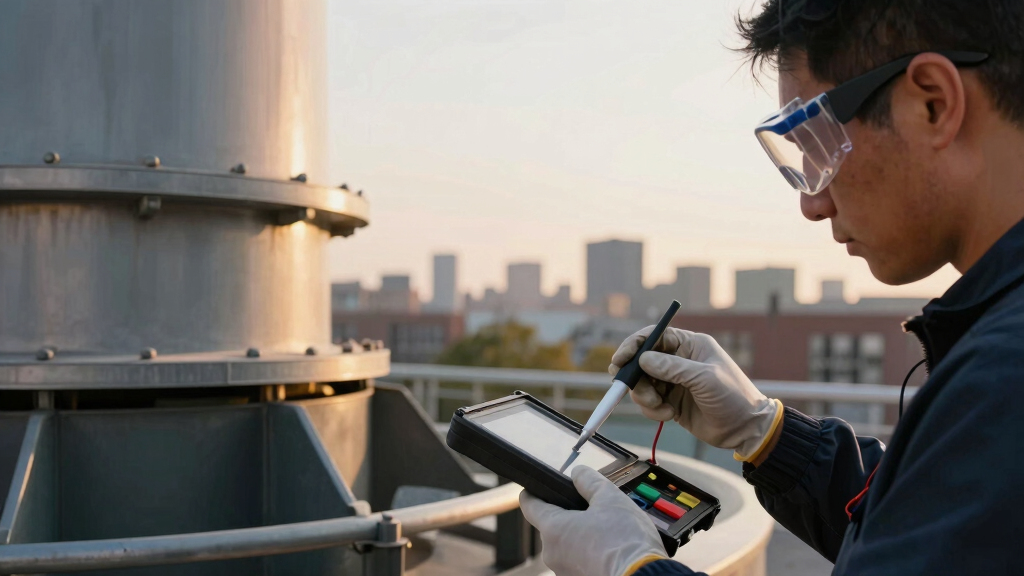
Legionella bacteria has been confirmed in the cooling tower of the NYC Guggenheim Museum. Authorities are investigating the source and potential health risks. The situation remains under review.
Legionella bacteria has been confirmed in the cooling tower of the New York City Guggenheim Museum, prompting health authorities to investigate potential health risks for visitors and staff. The discovery was made during routine inspections, and the museum has temporarily shut down the cooling system as a precaution.
According to the New York City Department of Health, Legionella bacteria was detected in the cooling tower at the Guggenheim. The museum confirmed the findings in a statement and has halted operations of the affected cooling system to prevent possible exposure. The bacteria can cause Legionnaires’ disease, a severe form of pneumonia, especially in vulnerable populations.
Health officials have begun testing nearby water systems and are monitoring for any signs of illness linked to the bacteria. The museum has cooperated fully with investigations and has implemented additional safety measures, including disinfection procedures.
There are no reports yet of anyone falling ill from the bacteria, but authorities emphasize the importance of prompt action to mitigate health risks. The museum remains closed to visitors until further notice, and updates are expected as testing continues.
Implications for Public Health and Museum Safety
The detection of Legionella bacteria in a prominent cultural institution like the Guggenheim raises concerns about public health safety in public spaces. Legionella can cause serious illness, especially among older adults, smokers, or immunocompromised individuals. The incident underscores the importance of regular maintenance and safety protocols for cooling systems in large buildings.
Authorities’ swift response aims to prevent any potential outbreak. The case also highlights the need for ongoing monitoring and stricter regulations for water systems in public venues to avoid similar incidents in the future.
water testing kits for Legionella bacteria
As an affiliate, we earn on qualifying purchases.
As an affiliate, we earn on qualifying purchases.
Previous Legionella Incidents and Cooling System Risks
Legionella bacteria are commonly found in water systems and have been associated with outbreaks linked to cooling towers and water fixtures in various settings. Notably, in 2015, a Legionnaires’ disease outbreak in New York City was traced to cooling towers, leading to increased regulation and inspections.
The Guggenheim has a long-standing reputation for maintaining safety standards, but this incident indicates that even well-regarded institutions are vulnerable to water system contamination. Routine inspections are standard practice, but the presence of Legionella suggests that additional safeguards may be necessary.
Public health agencies have emphasized the importance of regular testing and maintenance of cooling towers to prevent bacterial growth and outbreaks.
“The detection of Legionella bacteria in the Guggenheim’s cooling tower is being taken very seriously, and we are working closely with the museum to assess and mitigate any risks.”
— NYC Department of Health spokesperson
Remaining Questions About Exposure and Risk Levels
It is not yet clear whether anyone has been exposed to the bacteria or if there are any health cases linked to the incident. The extent of bacterial spread and the specific risk to visitors or staff remain under investigation. Further testing results are awaited to determine if additional safety measures are needed.
Next Steps in Testing and Safety Protocols
Health authorities will continue testing water systems in and around the Guggenheim to assess the extent of contamination. The museum plans to resume operations only after confirming that bacterial levels are safe. Additional inspections and disinfection procedures are expected in the coming days. Updates will be provided as new information emerges.
Key Questions
What is Legionella bacteria?
Legionella bacteria can cause Legionnaires’ disease, a severe form of pneumonia. It is commonly found in water systems such as cooling towers, hot tubs, and plumbing systems.
Is the Guggenheim open now?
The museum has temporarily closed the affected area and cooling system. It remains closed to visitors until further notice, pending safety clearance.
Should visitors be concerned about health risks?
Currently, there are no reports of illness, and authorities are monitoring the situation. The risk to the public is being managed through testing and safety protocols.
What can institutions do to prevent Legionella outbreaks?
Regular maintenance, water testing, and disinfection of cooling towers and water systems are essential measures to prevent bacterial growth and outbreaks.
How common are Legionella outbreaks in NYC?
While not frequent, NYC has experienced Legionella outbreaks in the past, often linked to cooling towers. Increased regulation and inspections aim to reduce such incidents.
Source: rss
Halloween Picks
halloween
As an affiliate, we earn on qualifying purchases.