
TL;DR

Get tools and workshop supplies delivered free — and shop member deals
- Fast, free delivery on millions of items
- Access to Prime Big Deal Days deals on October 6–7
- Prime Video, Amazon Music and more included
This article explains how homeowners can convert a basic AC unit into a smart device without jeopardizing their security deposit. It covers verified methods, potential risks, and next steps.
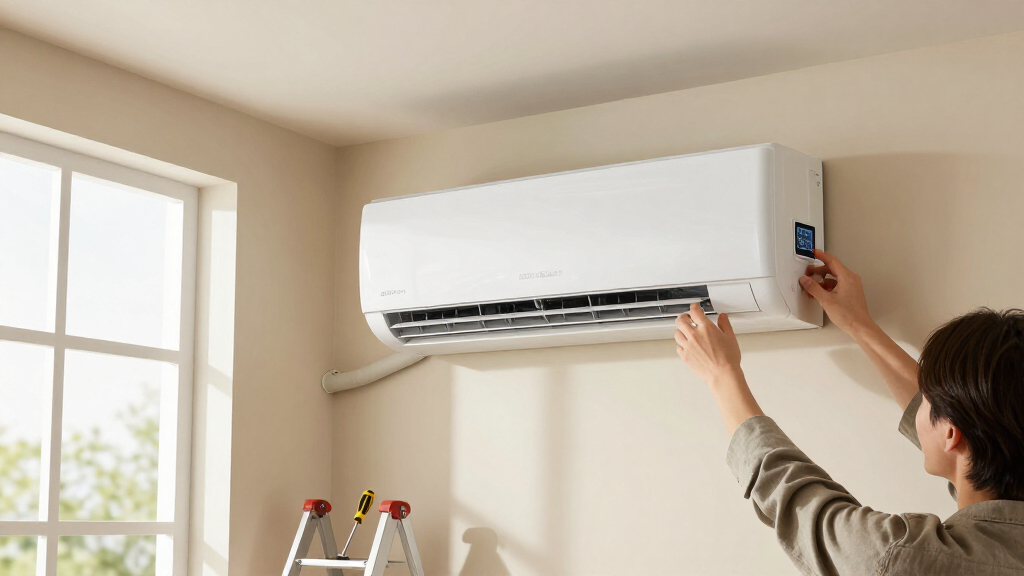
A homeowner has demonstrated a method to upgrade a standard, non-smart air conditioning unit with smart features without risking their security deposit. This approach relies on non-invasive, temporary modifications that do not alter the existing hardware or violate typical lease agreements.
The method involves using external smart plugs and wireless sensors to enable remote control and monitoring of the AC unit. According to the homeowner, these devices can be installed without making permanent modifications, thus avoiding potential lease violations or deposit deductions. Experts confirm that using plug-in smart devices is a common, non-invasive way to add smart features to appliances. The homeowner emphasized that they avoided any tampering with the unit’s wiring or physical components, which could be considered damage or alteration under most lease agreements. The approach has gained attention as a practical solution for renters seeking smart home integration without risking financial penalties.Practical Solution for Renters Seeking Smart Home Features
This development offers a viable way for renters to upgrade their home appliances with smart technology without risking their security deposit. It highlights how non-invasive devices like smart plugs and wireless sensors can provide remote control, scheduling, and monitoring capabilities. As smart home integration becomes increasingly popular, this method provides a practical workaround for those living in rental properties where modifications are restricted. It also underscores the importance of understanding lease agreements and choosing reversible, non-permanent solutions to avoid disputes with landlords.As an affiliate, we earn on qualifying purchases.
Increasing Demand for Smart Home Compatibility in Rentals
Many renters want to add smart features to their appliances but face restrictions from lease agreements that prohibit modifications. Traditionally, upgrading appliances involved invasive wiring or permanent hardware changes, risking damage and deposit deductions. Recent innovations focus on external, plug-in devices that can be easily installed and removed. The homeowner’s approach builds on this trend, demonstrating a practical, non-invasive way to achieve smart functionality. Experts note that smart plugs and wireless sensors are widely available and generally considered safe for temporary use, provided they do not interfere with the appliance’s operation or violate lease terms.Potential Risks and Lease Agreement Variations
It remains unclear whether all landlords approve of using external smart devices, or if some lease agreements explicitly prohibit even non-invasive modifications. There is also limited data on the long-term safety of wireless sensors attached to outdoor units, and whether they could interfere with the AC’s operation or warranty. Further guidance from property managers or legal experts is needed to confirm the safest approach for different rental situations.Guidelines for Safe, Reversible Smart AC Upgrades
Homeowners and renters should review their lease agreements before installing external smart devices. Experts recommend using certified, non-invasive products like smart plugs and wireless sensors, and removing them when no longer needed. Future developments may include standardized solutions designed specifically for renters, with clearer legal and safety guidelines. Landlords and property managers may also consider offering approved smart upgrades as part of rental amenities.Key Questions
Can I legally install smart devices on my AC unit in a rental?
Generally, using external, non-invasive smart devices like smart plugs and wireless sensors is legal and unlikely to violate lease agreements, but renters should review their specific contracts and seek landlord approval if required.
Will using a smart plug affect my AC’s warranty?
No, using a smart plug typically does not interfere with the AC’s warranty, as it does not involve any modifications to the hardware or wiring.
Are wireless sensors safe to attach to outdoor units?
Wireless sensors designed for outdoor use are generally safe if installed according to manufacturer instructions. However, long-term effects and interference with the unit’s operation are still being studied.
What should I do if my landlord disapproves of smart devices?
If your landlord disapproves, consider discussing the benefits of temporary, non-invasive upgrades or exploring smart solutions approved by property managers. Always prioritize legal compliance to avoid disputes.
Source: hn
Fall yard work Picks
leaf blowers
As an affiliate, we earn on qualifying purchases.