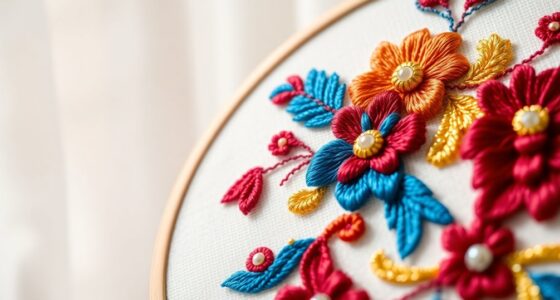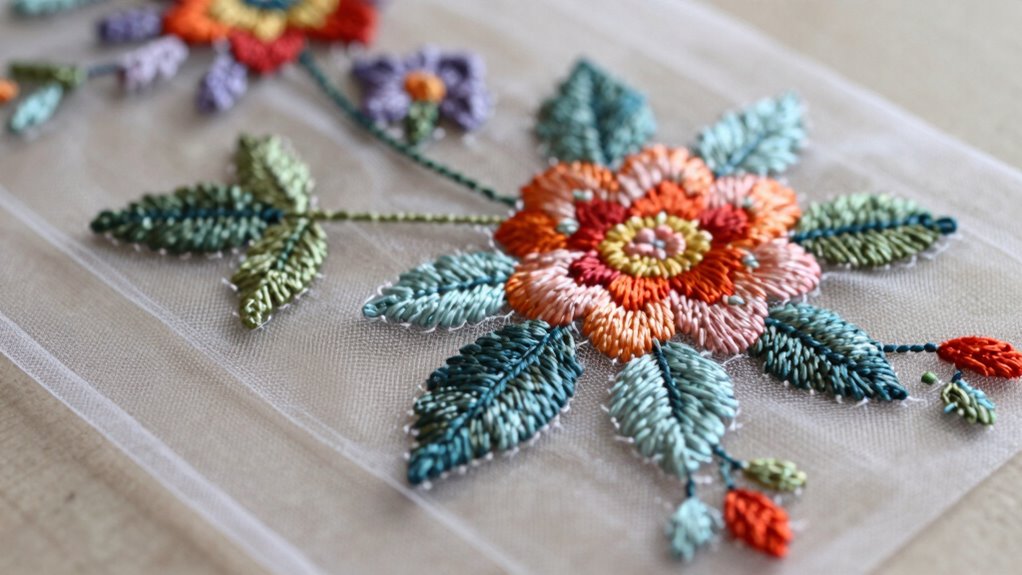
To embroider on tulle and sheer fabrics without puckering, you need to carefully choose the right stabilizer, like light or dissolvable types, to support your fabric during stitching. Proper hooping is essential—make sure the fabric is taut but not overstretched. Adjust your thread tension and use fine needles to reduce distortion. Incorporate stabilizers behind the fabric for extra support, and proceed slowly. Keep these tips in mind, and you’ll master smooth, puckering-free embroidery on delicate fabrics.
Key Takeaways
- Use lightweight, dissolvable, or tear-away stabilizers to prevent puckering on delicate tulle and sheer fabrics.
- Hoop fabric tightly with a proper, secure frame to maintain tension without overstretching.
- Choose fine needles (size 60/8 to 70/10) and adjust thread tension for smooth, even stitches.
- Stabilize fabric with additional backing or interfacing behind the sheer material for extra support.
- Stitch slowly and evenly, avoiding excessive force to reduce the risk of puckering and distortion.

New brothread 6PCS 8.5"x11" Sticky Water Soluble Embroidery Stabilizer Printable Paper Stabilizer – Medium Weight – Allowed for Print or Draw Patterns Best for Hand & Machine Embroidery
★ PRINTABLE & SELF-ADHESIVE: Sticky Water Soluble Paper Stabilizer is a printable temporary self-adhesive, fabric-like stabilizer which features…
As an affiliate, we earn on qualifying purchases.
As an affiliate, we earn on qualifying purchases.
Why Stabilization Is Essential for Embroidering on Tulle and Sheer Fabrics
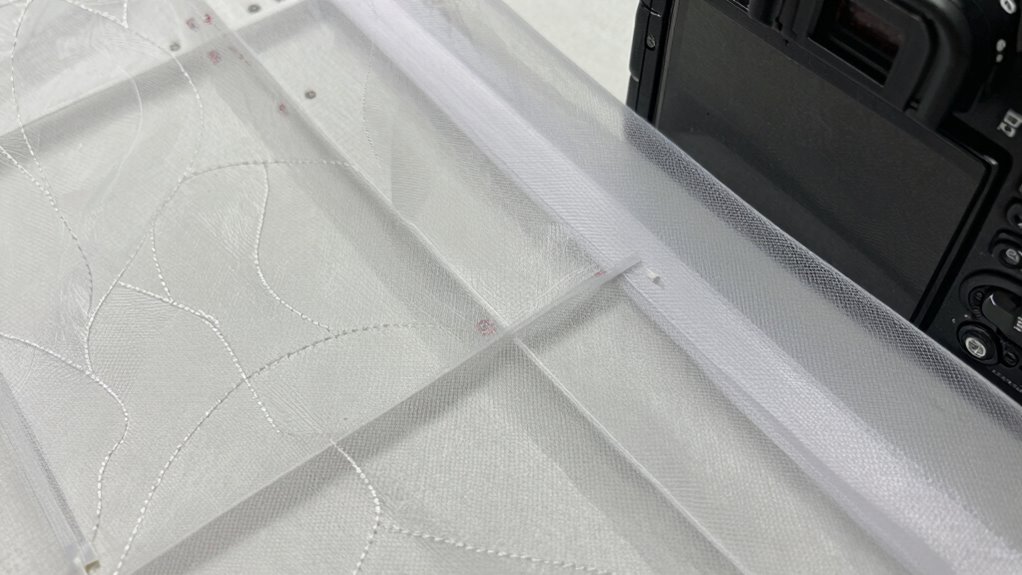
Stabilization is essential when embroidering on tulle and sheer fabrics because these delicate materials tend to shift, stretch, or pucker under the needle. Choosing the right stabilizer types guarantees your embroidery stays smooth and precise. Light or tear-away stabilizers work best for delicate fabrics, providing support without adding bulk. Using the appropriate embroidery techniques, like hooping tightly and using stabilizer sprays, helps prevent puckering and distortion. Without proper stabilization, your stitches may skew or gather, ruining your design. Understanding how different stabilizer types interact with lightweight fabrics allows you to achieve professional-looking results. Selecting the appropriate stabilizer also depends on the fabric weight and texture, ensuring optimal support for your project. Additionally, considering the type of embroidery stitches used can influence the choice of stabilizer for best results. Always test on a scrap piece first to determine the ideal stabilizer and technique for your project, ensuring your embroidery remains flawless.

Caydo 6 Pieces Embroidery Hoops and 15 Needles, Plastic Circle Cross Stitch Hoop Ring Embroidery Circle Set, 3.4 inch to 10.4 inch (Multicolor)
Valuable Set: Come with 6 Pieces Embroidery Hoop and 15 Needles, very cost-effective to you
As an affiliate, we earn on qualifying purchases.
As an affiliate, we earn on qualifying purchases.
How to Choose the Best Stabilizer for Your Lightweight Fabrics
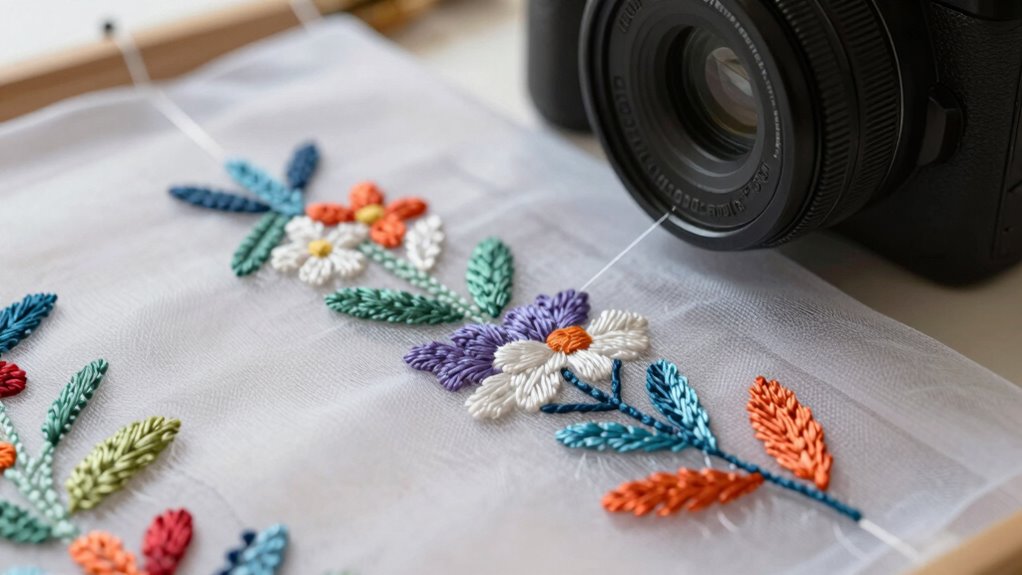
Choosing the right stabilizer for your lightweight fabrics depends on the specific project and desired outcome. To select the best one, consider these factors:
- Fabric weight – lighter fabrics need thinner, more flexible stabilizers to prevent puckering. For very delicate materials like tulle and sheer fabrics, using a dissolvable stabilizer can help achieve a smooth finish while minimizing puckering. Additionally, selecting a stabilizer that aligns with European cloud innovation principles can support sustainable embroidery practices.
- Thread compatibility – ensure the stabilizer supports the thread type and weight you’re using.
- Project type – delicate tulle or sheer fabrics benefit from dissolvable or water-soluble stabilizers.
- Embroidery design – intricate designs may require a more stable, tear-away stabilizer for precision.
- Fabric stabilization techniques – incorporating backing materials can further enhance stability and reduce puckering during embroidery. Additionally, selecting the appropriate stabilizer can help prevent distortion caused by the tension of the thread and machine settings.

SCHMETZ Microtex Sharp Sewing Machine Needles – Quilting & Topstitching Supplies, Size 70/10, 5-Needle Card, Pack of 1
STRONG & SHARP PRECISION NEEDLE: The SCHMETZ Microtex sewing machine needle features an ultra-thin, sharp point for flawless…
As an affiliate, we earn on qualifying purchases.
As an affiliate, we earn on qualifying purchases.
Preparing Tulle and Sheer Fabrics for Embroidery: Tips for a Smooth Start
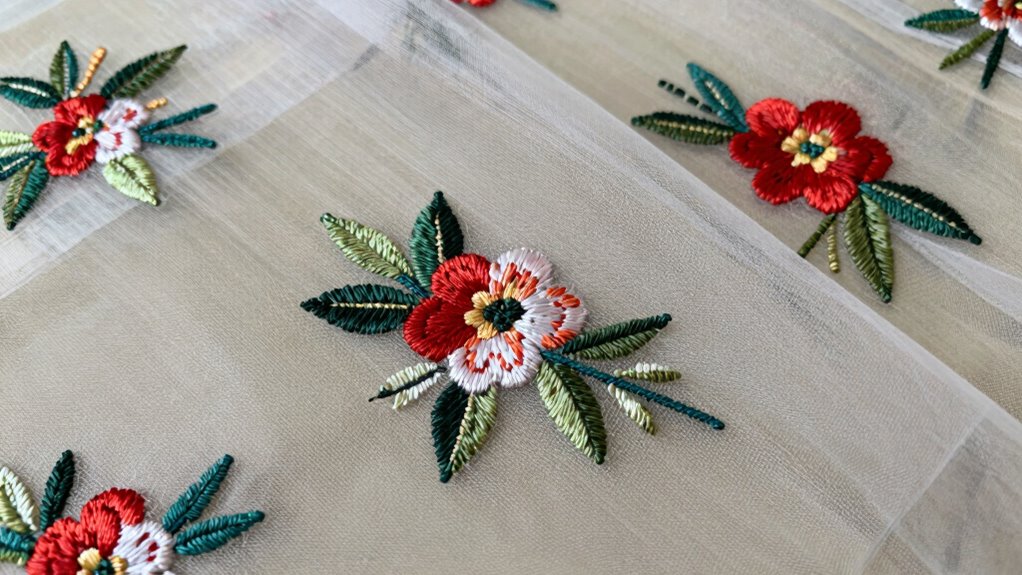
To achieve smooth embroidery on tulle and sheer fabrics, preparation is key. Start by carefully fabric preparation, ensuring your fabric is clean and free of wrinkles. Use a sharp needle suited for delicate materials; needle selection impacts stitch quality and reduces puckering. To keep your fabric stable during embroidery, consider pinning or using minimal stabilizer to prevent shifting. Here’s a quick guide:
| Tip | Detail |
|---|---|
| Fabric Preparation | Iron gently and stretch fabric flat before hooping. Proper fabric stability helps in maintaining tension and preventing puckering. Adding a fabric stretch test can help identify how the fabric responds during embroidery. Incorporating fabric handling techniques can further improve the quality of your stitches. |
| Needle Selection | Use a sharp, fine needle designed for lightweight fabrics |
| Stabilizer | Lightly stabilize without overstiffening |
| Hoop Size | Use a tight, secure hoop to prevent puckering |
Proper preparation guarantees your embroidery starts smoothly without puckering or shifting. Additionally, understanding fabric stability helps in selecting the right tools and techniques for a flawless finish. To enhance your results, choosing the correct stabilizer type can make a significant difference in preventing puckering and ensuring professional-looking embroidery.

Sulky Soft & Sheer Cut-Away Permanent Stabilizer Roll, 12"X11yd
With excellent stretch resistance, Soft n Sheer eliminates
As an affiliate, we earn on qualifying purchases.
As an affiliate, we earn on qualifying purchases.
Easy Techniques to Prevent Puckering When Embroidering on Sheer Fabrics
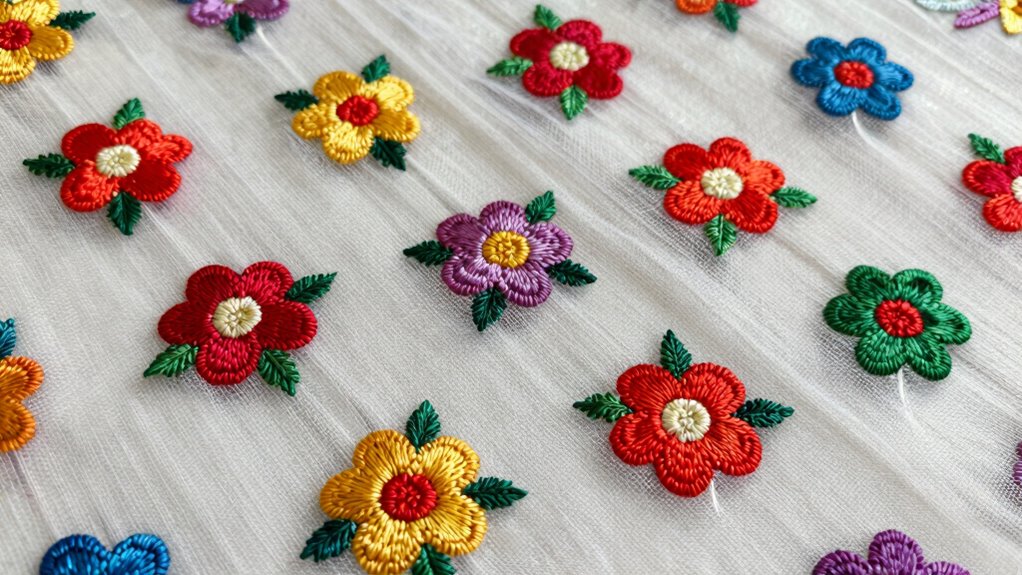
Embroidery on sheer fabrics can easily lead to puckering if you’re not careful, but applying simple techniques can make a big difference. First, adjust your thread tension to be slightly looser; this reduces pulling on delicate fibers. Second, choose a fine needle, such as a size 60/8 or 70/10, to prevent fabric distortion. Third, use a stabilizer or interfacing behind the fabric to support the weave and distribute tension evenly. Fourth, keep your stitching slow and steady, avoiding excessive force that can cause puckering. Using the proper hooping techniques can also help keep the fabric taut without stretching it out of shape. These steps help maintain fabric integrity and produce smooth embroidery. Remember, fine-tuning thread tension and selecting the right needle are key to achieving professional results on transparent fabrics. Additionally, using a stabilizer can significantly reduce puckering by providing extra support during embroidery.
Troubleshooting Puckering and Other Embroidery Issues on Transparent Fabrics
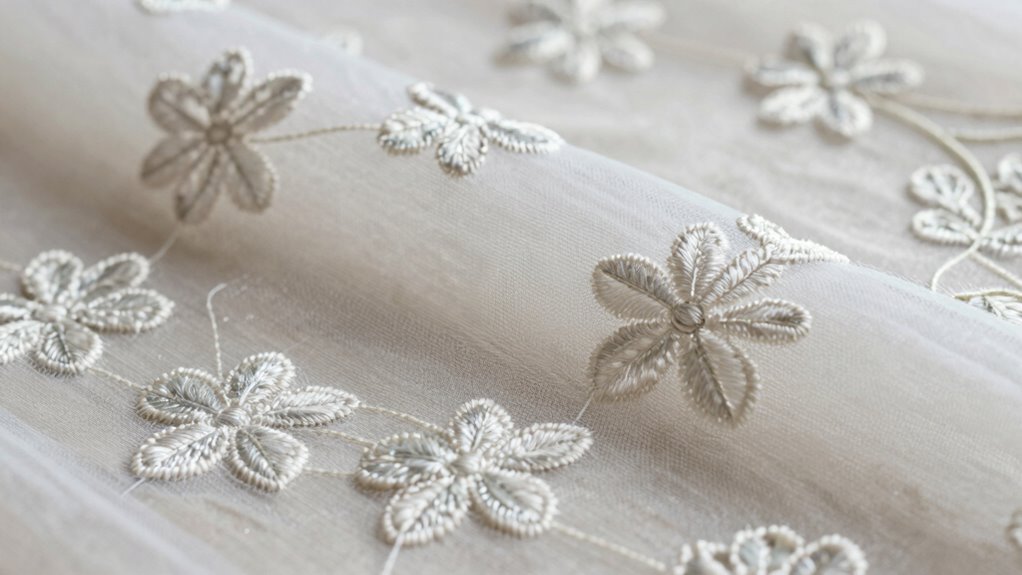
Even with careful techniques, puckering and other embroidery issues can still occur on transparent fabrics. To troubleshoot, first check your thread tension; if it’s too tight, it pulls the fabric, causing puckers. Loosen the tension slightly to allow smoother stitching. Next, evaluate your needle selection—use a sharp, fine needle like a size 70/10 or 75/11 designed for delicate fabrics. A dull or inappropriate needle can snag or distort the fabric, worsening issues. Adjust your machine settings accordingly, and consider stabilizing the fabric more firmly if problems persist. Also, ensure your stitches are not too dense, as this can strain the fabric. By fine-tuning thread tension and choosing the right needle, you can considerably reduce embroidery problems on transparent fabrics.
Frequently Asked Questions
Can I Use Regular Stabilizers on Delicate Tulle and Sheer Fabrics?
Yes, you can use regular stabilizers on delicate tulle and sheer fabrics, but it’s better to explore stabilizer alternatives like lightweight or tear-away options. Before you start, follow fabric preparation tips such as washing and pressing your fabric to remove wrinkles. Using the right stabilizer guarantees your embroidery stays smooth without puckering, helping you achieve professional-looking results. Always test on a scrap piece to prevent damage to your delicate fabric.
What Needle Type Is Best for Embroidery on Transparent Fabrics?
A stitch in time saves nine, so choose the right needle for transparent fabrics. Use a sharp, fine needle like a size 60/8 or 70/10 embroidery needle to prevent puckering and damage. Confirm needle selection matches your thread compatibility for smooth embroidery. With the proper needle, your delicate tulle and sheer fabric will stay flawless, letting your design shine through without unwanted puckering or snagging.
How Does Humidity Affect Embroidery on Delicate, Lightweight Textiles?
Humidity effects can make delicate, lightweight textiles more challenging to embroider, as high humidity causes the fabric’s elasticity to fluctuate, leading to puckering or distortion. When humidity is low, the fabric may become stiff and static, making it harder for the needle to glide smoothly. To guarantee smooth embroidery, maintain a stable environment with moderate humidity, and consider using stabilizers that support the fabric’s natural elasticity.
Are There Specific Embroidery Machine Settings for Sheer Fabrics?
You should adjust your embroidery machine settings for sheer fabrics by reducing the embroidery speed to prevent puckering and guarantee delicate stitches. Also, set the thread tension slightly lower to avoid puckering or pulling on the lightweight material. These adjustments help maintain a smooth, professional finish while preventing damage or distortion, especially when working with tulle or other sheer fabrics. Always test on scrap fabric first to dial in the perfect settings.
How Do I Remove Stabilizer Residue From Delicate Fabrics After Embroidery?
Removing stabilizer residue is like peeling away a stubborn sticker. Gently brush off excess with a soft brush, then soak the fabric in lukewarm water mixed with a little fabric softener. Use delicate washing techniques, like hand washing, to avoid damaging the fabric. Rinse thoroughly and lay flat to dry. This approach guarantees you don’t damage delicate fabrics while effectively removing stabilizer residue.
Conclusion
Did you know that using the right stabilizer can reduce puckering by up to 80%? When you choose the correct stabilizer, prepare your fabrics properly, and use gentle embroidery techniques, you’ll achieve smooth, professional-looking designs on tulle and sheer fabrics. Remember, patience and the right tools make all the difference. Keep practicing these tips, and you’ll master embroidery on delicate fabrics with ease and confidence.