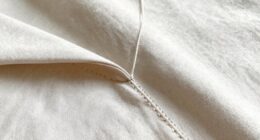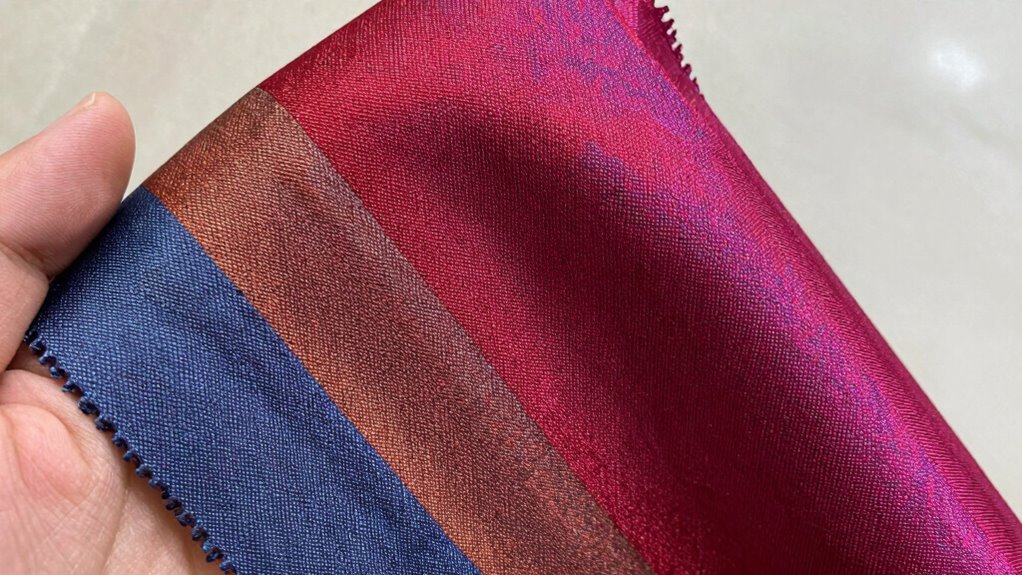
When buying fabric online, don’t rely solely on photos, as lighting, filters, and angles can distort colors and patterns. Request swatches to verify texture and hue, and check seller reviews for honesty and quality. Use detailed images and customer feedback to compare actual fabric with photos. Always review labels for fiber content and care instructions, and consider asking for additional images if needed. Keep these tips in mind to guarantee you get what you expect; more helpful insights await if you continue.

Get business pricing on tools and workshop supplies
- Business-only prices and quantity discounts
- Tax-exempt purchasing
- Multiple users, one account, clear invoices
Key Takeaways
- Always request fabric swatches to verify true color, texture, and quality before purchasing.
- Examine multiple high-resolution, well-lit photos and customer reviews for real-life fabric appearance.
- Check seller ratings, reviews, and certifications to ensure credibility and accurate product descriptions.
- Read detailed fabric labels and inquire about dye lots and pattern matching to avoid discrepancies.
- Review shipping, return policies, and seller responsiveness to ensure a smooth buying experience.
As an affiliate, we earn on qualifying purchases.
Recognizing Photo Limitations When Shopping for Fabric
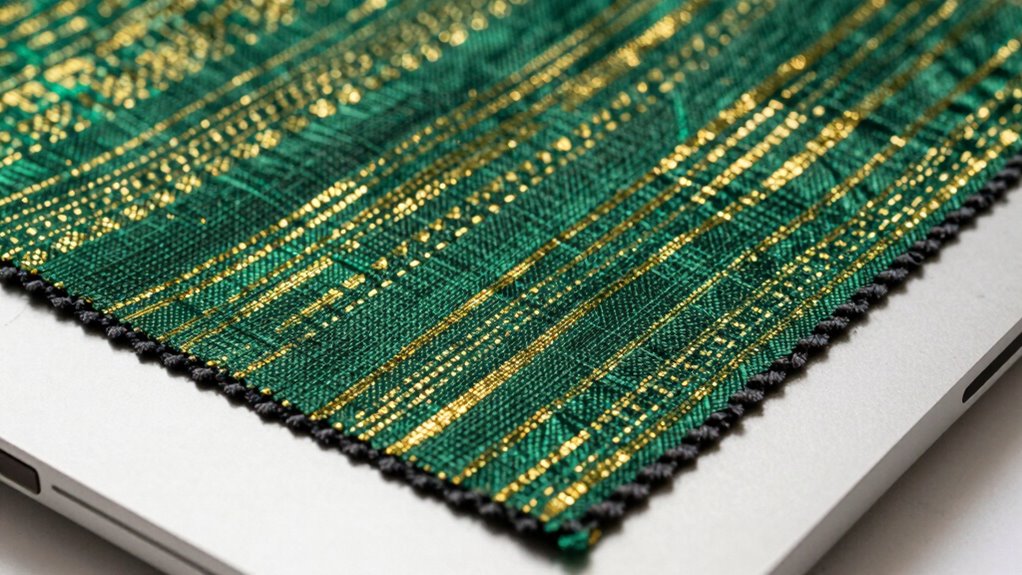
When shopping for fabric online, it’s important to remember that photos can only show so much. Lighting effects can alter how colors appear, making them look brighter or darker than they truly are. This can lead to fabric pattern mismatches when you receive your order compared to the photo. Sometimes, the way a photo is taken, with specific lighting or filters, skews the actual appearance of the fabric’s design and hue. Keep in mind that colors may appear different on your screen due to monitor settings. Always consider these photo limitations and avoid relying solely on images to judge fabric quality. Instead, look for detailed descriptions and user reviews to get a clearer idea of what you’ll receive. Additionally, understanding color accuracy can help set realistic expectations about how the fabric will look in person. Recognizing photo limitations can also prevent disappointment and ensure a better shopping experience. Being aware of photographic distortions can help you interpret images more accurately and make informed decisions. Learning about digital image processing can further aid in understanding how photos may be altered from the actual fabric. Moreover, familiarizing yourself with common image editing techniques can help you better assess the authenticity of product photos.
How to Verify Fabric Color and Texture Online
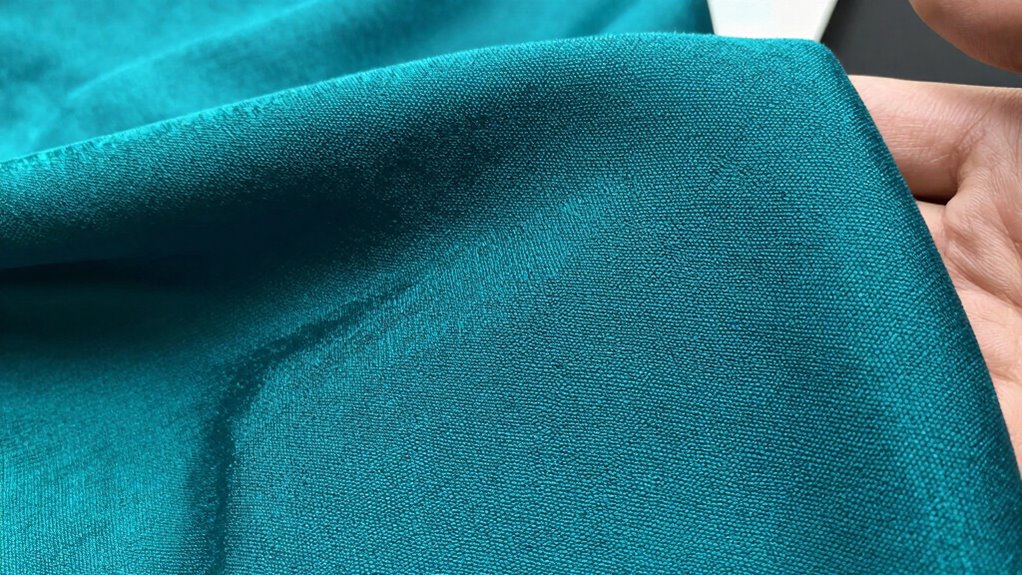
To guarantee the fabric matches your expectations, start by checking the color accuracy of the photos provided. If possible, request fabric swatches so you can see and feel the texture firsthand. Carefully read the material descriptions to get details about the fabric’s color and texture before making your purchase.
Check Color Accuracy Photos
How can you confirm the fabric’s color and texture match your expectations when shopping online? Start by carefully evaluating online fabric photos. Here are three steps to ensure accurate fabric color matching:
- Check if the images are high-resolution and well-lit, reducing the risk of distorted colors.
- Look for multiple photos from different angles, ideally including close-ups to see texture clearly.
- Read customer reviews and look for user-uploaded photos to compare real-life fabric color matching.
Request Fabric Swatches When Possible
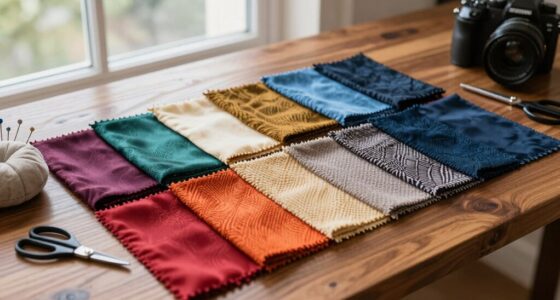
Request fabric swatches whenever possible to see the actual color and texture before making a purchase. Swatches give you a true sense of how the fabric dyeing process affects the shade, especially since online photos can be misleading. They also allow you to feel the texture firsthand, ensuring it matches your expectations. When requesting swatches, ask about textile certifications, which verify the fabric’s quality and safety standards. Certified fabrics often undergo strict dyeing processes to prevent color bleeding and fading, making your choice more reliable. Seeing a physical swatch helps you assess how the fabric will look and feel in real life, reducing surprises after delivery. Always request multiple swatches if you’re choosing between options to make a confident, informed decision. Additionally, understanding the fabric weight can help you determine its suitability for your project, especially when buying online. To further ensure satisfaction, consider checking customer reviews for insights on fabric appearance and quality. Knowing the manufacturing process can also provide assurance of the fabric’s durability and eco-friendliness. Moreover, familiarizing yourself with fabric care instructions ensures your chosen fabric maintains its appearance over time. Conducting a fabric test by washing a swatch can also help predict how the fabric will behave after multiple cleanings.
Read Material Descriptions Carefully
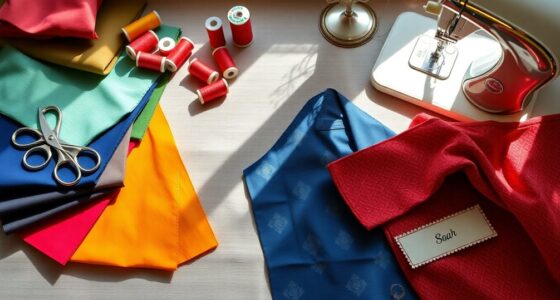
Ever wonder how to guarantee the fabric you see online matches what you’ll receive? Reading material descriptions carefully is key. First, check the fabric care instructions—this reveals how the fabric should be washed and maintained, helping you avoid surprises. Second, examine the details about color and texture, noting that descriptions often mention dye lots, which can affect shade consistency. Third, look for specifics on fabric type and weave, so you understand its feel and drape. Keep in mind that variations in dye lots may cause slight color differences, so if matching with other fabrics, order enough fabric to account for this. Paying close attention to these details helps assure the fabric’s color, texture, and finish meet your expectations.
What Fabric Labels Reveal About Quality and Care
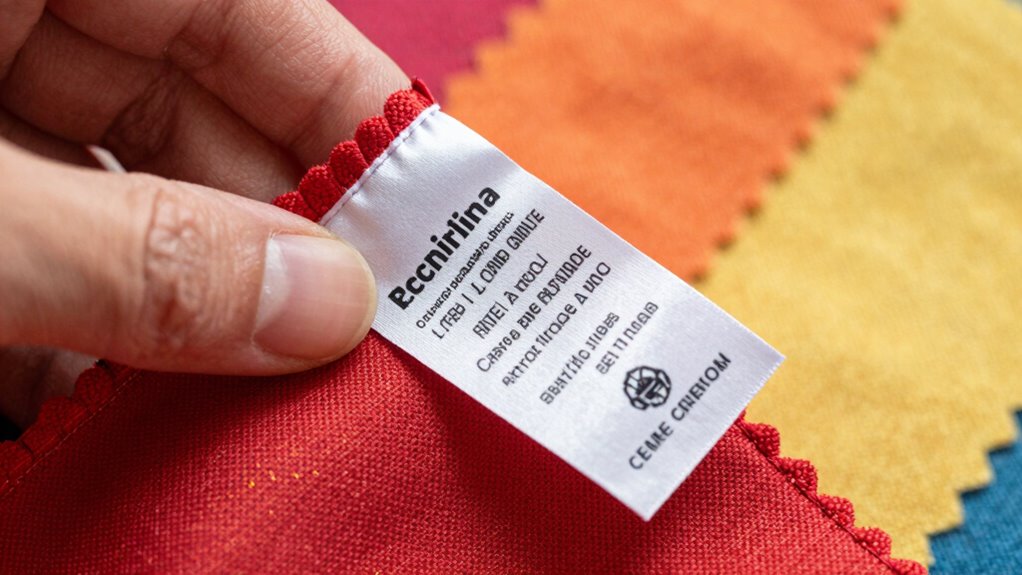
Have you ever noticed the labels on fabric before making a purchase? These tags reveal a lot about quality and care. Look for details about fabric dyeing methods—eco friendly textiles often use natural dyes that are less harmful and more sustainable. Labels also specify fiber content, which influences durability and feel. High-quality fabrics typically list pure fibers like cotton, silk, or wool, while blends can indicate versatility or lower quality. Care instructions tell you how to keep the fabric looking its best; delicate fabrics may require hand washing or dry cleaning. Pay attention to symbols and language that suggest the fabric was produced with eco-conscious practices. Understanding these labels helps you choose fabrics that match your quality expectations and align with eco-friendly values. Additionally, sustainable manufacturing practices provide insights into environmentally responsible textile production, emphasizing transparency and ethical practices in the industry. Recognizing fiber content can help you select fabrics that are both durable and comfortable for your needs.
How to Check Seller Reputation and Customer Reviews
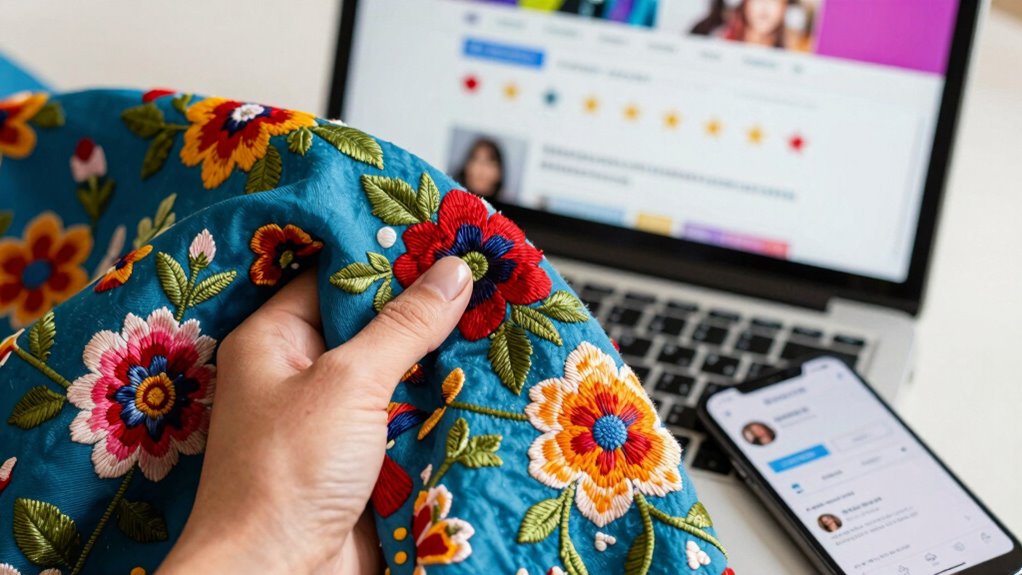
To make certain you’re buying from a trustworthy seller, look for clear reputation indicators like ratings and reviews. You can also verify authenticity through methods such as checking seller profiles, asking for proof of authenticity, or reviewing customer photos. Additionally, evaluating seller reputation indicators can provide further assurance of quality and reliability. You might also consider consumer feedback and how it reflects the seller’s credibility. Furthermore, paying attention to product authenticity ensures that you receive genuine items, especially when purchasing unique or artistic planters. Incorporating website analytics can help you identify reputable sellers by analyzing traffic sources and user interactions. It’s also helpful to be aware of affiliate disclosures, which promote transparency and trustworthy business practices. These steps help you confidently assess who you’re buying from and the quality you’ll receive.
Seller Reputation Indicators
When shopping for fabric online, checking a seller’s reputation is vital to guarantee a smooth purchase. Start by reviewing seller feedback—look for consistent positive comments about product quality and service. Next, examine shipping policies: clear, fair, and detailed policies indicate reliability and transparency. Finally, consider how responsive the seller is to customer inquiries; prompt responses show good communication. Pay attention to reviews mentioning fabric accuracy and packaging, as these reflect the seller’s honesty and professionalism. A reputable seller will have a high feedback score and detailed reviews from satisfied buyers. Avoid sellers with vague shipping policies or numerous negative comments. Doing this homework helps make certain you receive fabric that matches the photo and arrives on time. Additionally, understanding Vetted – Witbeck Vacuums standards and craftsmanship can help you better evaluate the fabric quality and authenticity of high-end fabrics. Consistently checking seller reputation indicators ensures a more satisfying and trustworthy shopping experience.
Authenticity Verification Methods
Checking a seller’s reputation and customer reviews is essential for verifying authenticity when buying fabric online. Look for verified reviews that mention fabric quality and consistency. Reputable sellers often display fabric certification or authenticity seals on their listings, confirming that their fabrics meet industry standards. These seals can include labels like “GOTS Certified” or “OEKO-TEX Standard,” which assure you of fabric authenticity and safety. These certifications serve as trust indicators that the fabric has been tested and verified for quality. Read customer feedback carefully to spot recurring praises or complaints about fabric authenticity. If a seller provides photos of fabric labels or certification documents, it adds credibility. Avoid listings lacking reviews or certification details, as they increase the risk of receiving fabric that looks nothing like the photo or isn’t genuine. Prioritize transparency and verified seller credentials to safeguard your purchase. Additionally, understanding fabric certifications can help you make more informed decisions and ensure you’re getting authentic, high-quality fabric. Being aware of seller reputation and how it impacts product authenticity can further protect you from potential scams or subpar fabrics. Familiarizing yourself with verification methods can help you confidently assess the authenticity of the fabric before purchasing.
Why Ordering Swatches Can Save You From Disappointments
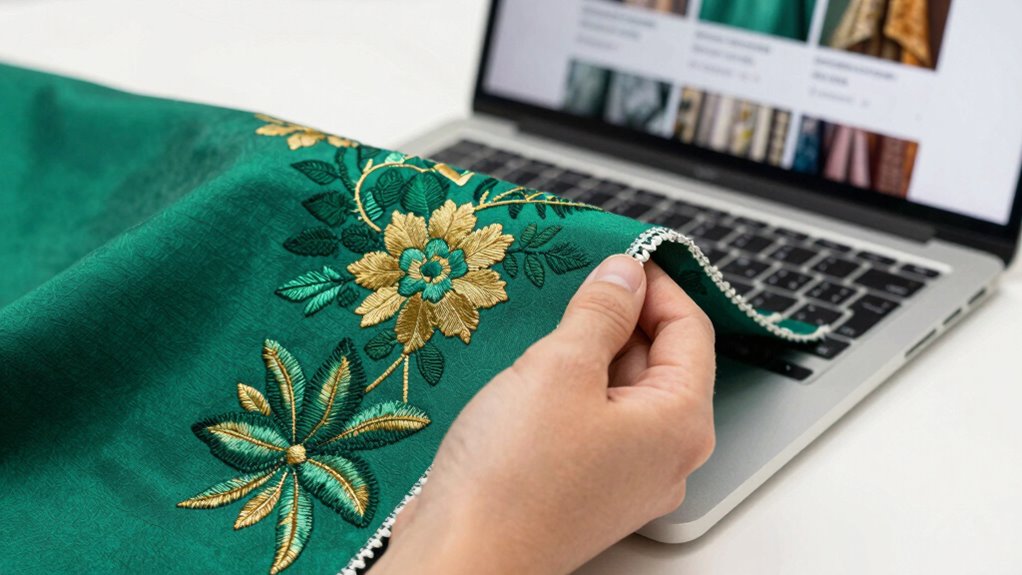
Ordering fabric online might seem straightforward, but it can lead to surprises if you don’t see the material in person. By ordering swatches, you get a firsthand look at the fabric’s texture, color, and weight, helping you make confident choices. This small step can prevent costly mistakes and ensure your project turns out as expected. When you request swatches, you also gain insight into fabric care, so you understand how the material will hold up over time. Additionally, reviewing shipping policies beforehand guarantees smooth delivery and avoids delays. Here are three reasons why swatches are essential:
- Confirm color accuracy before committing
- Assess fabric quality and texture firsthand
- Understand fabric care requirements and shipping policies
What to Do If Fabric Doesn’t Match the Photos or Your Expectations
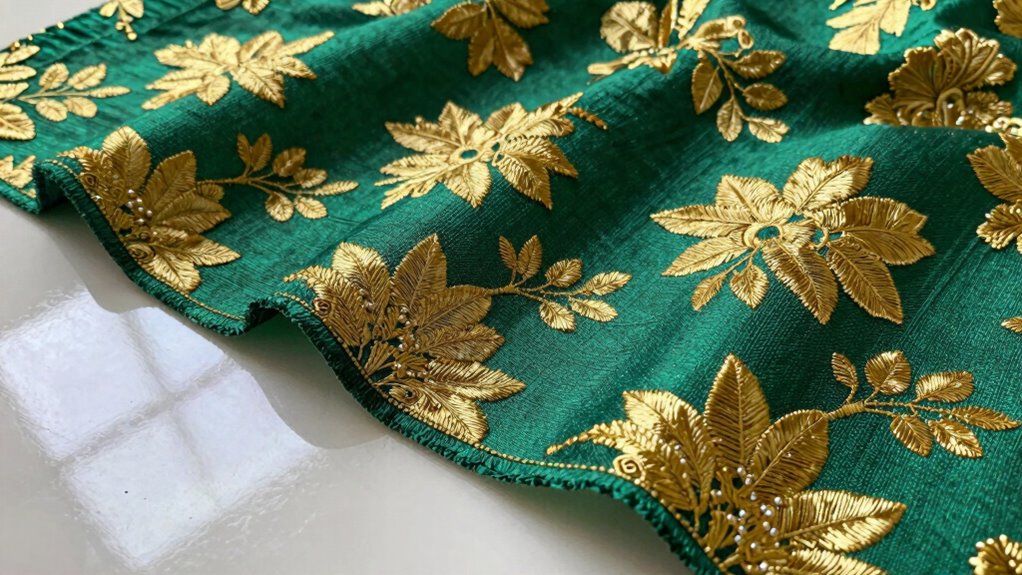
If the fabric you receive doesn’t match the photos or your expectations, don’t panic. First, check the product description for details about fabric dyeing, as lighting or screen differences can affect color appearance. If the color is off, contact the seller promptly and request photos of the actual fabric. When it comes to pattern matching, see if the seller offers detailed images or videos to verify how patterns align. If your fabric has a pattern that doesn’t match expectations, ask if a different lot or dye batch might be responsible. Many issues can be resolved through clear communication. If needed, consider returning or exchanging the fabric, especially if the discrepancy affects your project. Always document issues with photos to support your case.
Final Tips for Smarter Fabric Shopping Online
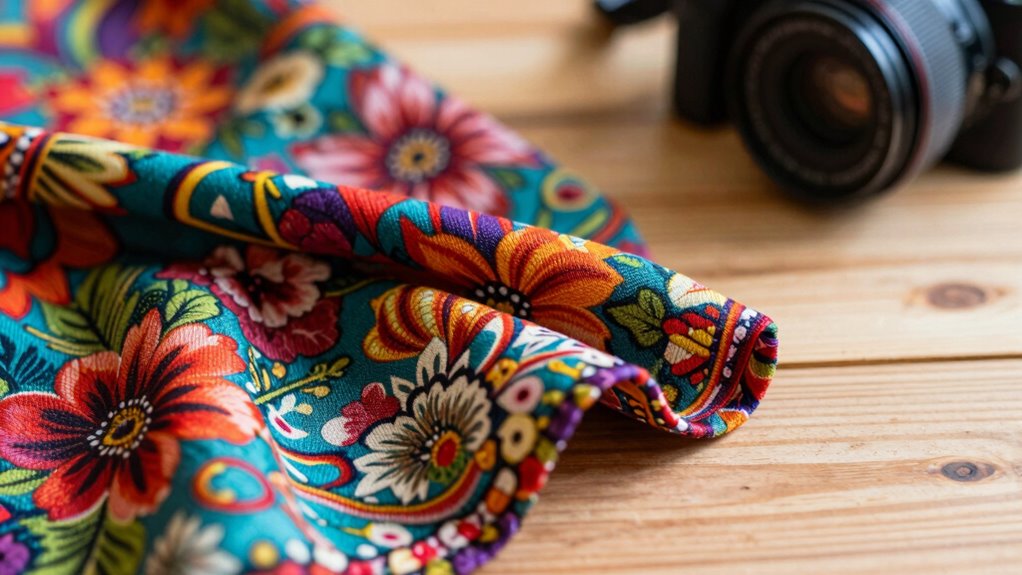
To make the most of your online fabric shopping experience, it’s important to adopt some smart strategies before making a purchase. Here are three final tips for smarter fabric shopping online:
- Check fabric color matching options—look for detailed photos and ask for color samples if possible.
- Read online fabric tips from reviews or seller guides to understand fabric properties and care instructions.
- Verify return policies in case the fabric doesn’t meet expectations after delivery.
Frequently Asked Questions
How Can I Tell if a Fabric Image Is Professionally Styled or Edited?
You can tell if a fabric image is professionally styled or edited by examining styling cues like exaggerated colors, overly smooth textures, or unrealistic shadows. Look for signs of photo editing, such as unnatural edges or inconsistent lighting. Authentic photos often showcase natural fabric drape and true-to-life color. Trust your instincts and compare multiple images; professional styling cues usually indicate a carefully curated shot, but subtle editing can still be present.
Are There Specific Keywords to Look for in Fabric Descriptions?
You’ll want to spot keywords like “premium,” “luxury,” or “high-quality” to gauge fabric quality, and look for detailed color descriptions like “vibrant red” or “deep navy.” These words signal the seller’s confidence in the fabric and help you visualize the true color. Avoid vague terms like “nice” or “soft,” which don’t tell you much. Clear, descriptive keywords are your best guide to avoid surprises when the fabric arrives.
What Are Common Fabric-Related Terms I Should Understand Before Buying?
You should understand fabric composition, which tells you what fibers make up the material, like cotton or polyester. Also, look for textile finishes, such as waterproof or wrinkle-resistant treatments, that affect how the fabric looks and feels. Knowing these terms helps you choose the right fabric for your project, ensuring it matches your expectations and avoids surprises when it arrives. Always read descriptions carefully for these key details.
How Can I Identify Fake or Misleading Customer Reviews?
You can spot fake reviews by examining review authenticity and customer feedback cues. Look for overly generic comments, excessively positive language, or reviews posted all at once. Genuine reviews often include specific details about fabric quality, color, and texture. Trust reviews that mention both pros and cons. Be cautious of reviews that seem suspiciously perfect or repetitive, as these may be fabricated. Your keen eye helps you make smarter fabric choices online.
Can I Trust Online Fabric Measurements Without Physical Verification?
You can’t fully trust online fabric measurements without physical verification. While sellers often list measurements for measurement consistency, fabric color accuracy might vary due to lighting or screen differences. To guarantee you get what you want, compare measurements with similar fabrics, read reviews about color accuracy, and ask for additional photos if needed. Physical verification is ideal, but thorough research helps you make a confident purchase.
Conclusion
Now that you have this checklist, you’re ready to shop smarter. But remember, even with all these tips, some surprises might still pop up. Will the fabric you receive match your expectations perfectly? Or will you face unexpected challenges? Stay vigilant, ask questions, and trust your instincts. Because in the world of online fabric shopping, a little caution can make all the difference—are you prepared to avoid disappointment and find that perfect piece?
Fall Picks
fall essentials
As an affiliate, we earn on qualifying purchases.