Turning your sewing hobby into an online business starts with understanding your costs, including materials and labor, and using craft fairs to test prices and gather customer feedback. Engage directly with buyers, observe competitors, and note what sells best. Use these insights to refine your product offerings and pricing strategy online. Focus on high-quality photos and clear descriptions to build trust. Keep experimenting and adjusting—if you want to learn more, there’s plenty of tips ahead.

Get tools and workshop supplies delivered free — and shop member deals
- Fast, free delivery on millions of items
- Access to Prime Big Deal Days deals on October 6–7
- Prime Video, Amazon Music and more included
Key Takeaways
- Attend local craft fairs to test products, gather feedback, and observe competitors’ strategies for online marketing.
- Set competitive prices by calculating costs, factoring in time, and researching online market rates.
- Use insights from craft fairs to refine product offerings, pricing, and presentation for your online store.
- Incorporate customer feedback to improve product quality, descriptions, and visuals, building trust and value.
- Develop a consistent branding and marketing plan to transition from hobbyist to profitable online seller.

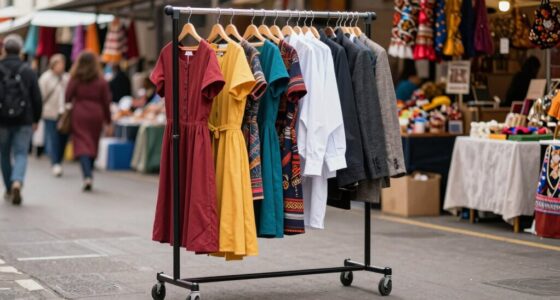
Are you wondering how to turn your sewing skills into a profitable online business? The key is understanding how to effectively showcase your creations and reach the right customers. One essential aspect is developing craft fair strategies that can help you gain visibility and test different markets. Even if you plan to sell primarily online, attending local craft fairs allows you to interact with potential buyers directly. This gives you valuable feedback on your products, helps you refine your craft, and builds your reputation. Use these events to observe how similar vendors present their work and which items attract the most attention. Take notes on display techniques, pricing approaches, and customer engagement—these insights can translate directly into your online store.
Attend craft fairs to gain customer insights and refine your online sewing business strategy.
When it comes to pricing techniques, you’ll need to strike a balance between earning a fair profit and remaining competitive. Start by calculating the cost of materials, including fabric, notions, thread, and any packaging or shipping supplies. Don’t forget to factor in your time; you should pay yourself a reasonable hourly rate to ensure your sewing efforts are sustainable. Once you have your total costs, add a markup that reflects the quality of your work and the market demand. Research what similar items sell for online to guarantee your prices are competitive but also profitable. Remember, pricing isn’t just about covering costs; it’s about positioning your brand and value. Offering discounts or bundle deals can encourage larger purchases without undervaluing your work.
Building confidence in your pricing strategies is vital, and that’s where craft fair experiences come into play again. If you notice that certain items sell well at a specific price point during fairs, consider using that data for your online shop. Experiment with different price points by testing small batches or limited-time promotions, then analyze customer response. Be transparent about your pricing by providing detailed descriptions of the quality and craftsmanship involved in each piece. Good photography and compelling product descriptions can justify higher prices and help customers see the value in your work. Additionally, understanding essential oils for product care can enhance the appeal of your sewing projects if you incorporate natural fragrances or skincare elements into your packaging.
Lastly, don’t forget to incorporate feedback from your craft fair interactions into your online pricing and marketing approach. Listen to what customers say about your items—are they willing to pay more for certain features? Do they comment on the value or quality? Use this information to fine-tune your craft fair strategies and pricing techniques, ensuring your online business not only attracts customers but also turns a profit. With patience, strategic planning, and a clear understanding of your costs and market, you can transform your sewing hobby into a sustainable online business.
As an affiliate, we earn on qualifying purchases.
Frequently Asked Questions
How Do I Price My Handmade Sewing Items Competitively?
To price your handmade sewing items competitively, start with effective pricing strategies that cover your costs and guarantee profit. Conduct market research to see what similar products sell for, and consider your skill level and unique features. Adjust your prices based on demand, seasonality, and customer feedback. Remember, competitive pricing balances affordability with value, helping you attract buyers while earning fairly for your craftsmanship.
Which Online Platforms Are Best for Selling Sewing Projects?
You should try platforms like Etsy, which are great for handmade items, and consider social media marketing on Instagram and Facebook to reach a wider audience. Focus on high-quality product photography to showcase your sewing projects effectively. Engaging posts and clear images attract buyers, boosting your sales. Combining these platforms with social media marketing helps you build a strong presence and turn your sewing hobby into a successful online business.
How Can I Attract Repeat Customers for My Sewing Business?
To attract repeat customers, focus on building customer loyalty by offering personalized experiences. Engage with your clients through social media, respond promptly to inquiries, and remember their preferences. Consider creating custom options or exclusive deals for returning customers. Consistently delivering quality products and exceptional service encourages loyalty, so they keep coming back and recommend your sewing business to others. Personal touches make your customers feel valued and appreciated.
What Legal Considerations Should I Be Aware of When Selling Online?
When selling online, you should make certain you have the right business licenses to operate legally in your area. Additionally, you need to understand your obligation to collect and remit sales tax on your sales. Keep accurate records of your income and expenses, and stay updated on local regulations. Consulting a legal or tax professional can help you navigate these requirements smoothly, preventing potential fines or legal issues.
How Do I Handle Shipping and International Orders Efficiently?
Handling shipping and international orders might feel like juggling flaming torches while riding a unicycle, but it’s doable! You should choose reliable shipping carriers and stay updated on customs regulations to avoid surprises. Use clear tracking info, offer multiple options, and set realistic delivery expectations. Automate labels and documentation to save time, and communicate with your customers about shipping timelines. This way, you keep everything smooth and stress-free for you and your buyers!
Conclusion
Turning your sewing hobby into a business is more than just a dream—it’s achievable with the right mindset and strategy. Some believe that passion alone guarantees success, but research shows that combining enthusiasm with proper marketing and quality control truly makes a difference. So, stay dedicated, keep learning, and treat your online shop like a professional venture. With persistence and smart decisions, you can sew your way to a thriving business you love.
Halloween Picks
halloween
As an affiliate, we earn on qualifying purchases.