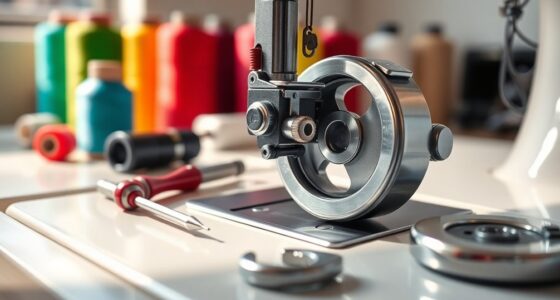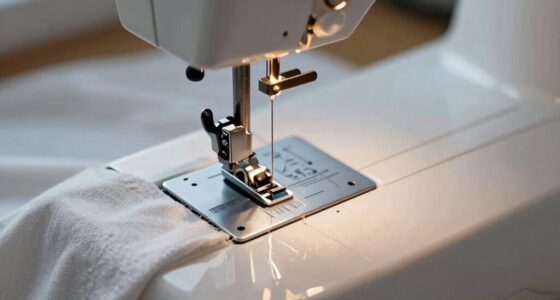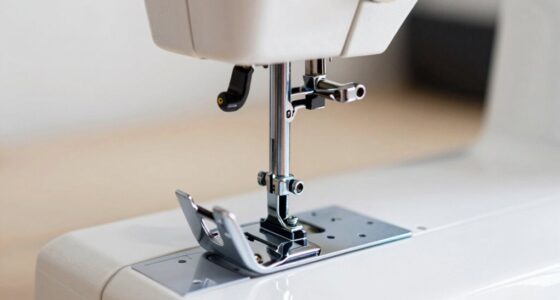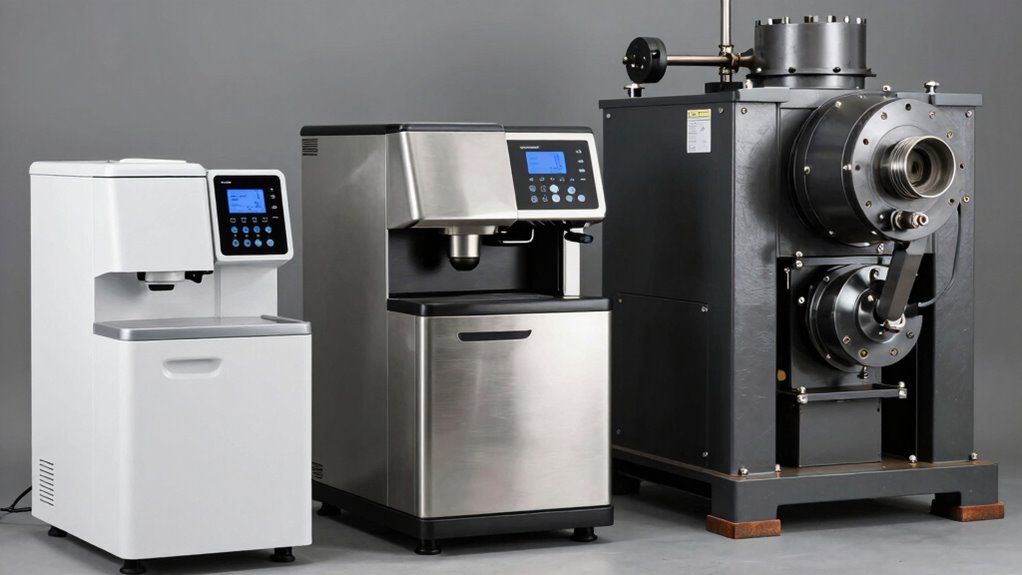

The main difference between home, premium, and semi-industrial machines lies in their build quality, durability, and intended use. Home models are designed for light, occasional tasks and may wear out quickly with frequent use. Premium machines are more durable, with better materials and features for regular use. Semi-industrial machines are built for continuous, high-volume work with industrial-grade parts. To discover which option suits your needs best, keep exploring the details.

Get tools and workshop supplies delivered free — and shop member deals
- Fast, free delivery on millions of items
- Access to Prime Big Deal Days deals on October 6–7
- Prime Video, Amazon Music and more included
Key Takeaways
- Home machines are designed for light, occasional use, while premium and semi-industrial models support more frequent and demanding tasks.
- Premium machines feature higher-quality materials and construction for increased durability and longevity.
- Semi-industrial machines are built for continuous, heavy-duty operation with industrial-grade components.
- User features improve with higher categories, offering advanced controls and ergonomics in premium and semi-industrial models.
- Maintenance complexity and needs increase from home to semi-industrial machines, affecting lifespan and reliability.
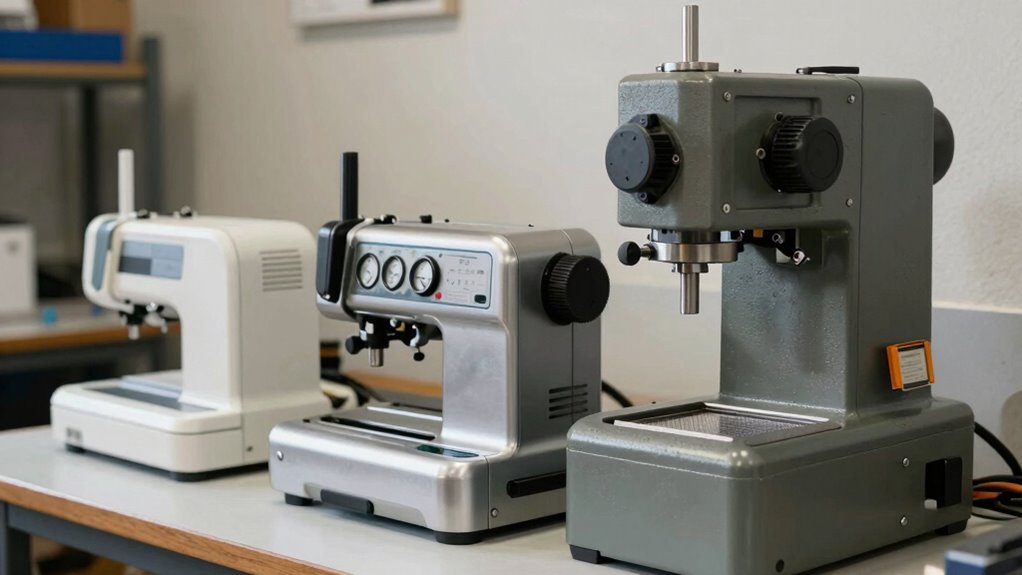
When choosing between home, premium, and semi-industrial machines, understanding their key differences can save you time and money. These categories vary markedly in terms of machine durability, user experience, and intended use, so knowing what to expect helps you make an informed decision. Home machines are designed for occasional use and lighter tasks. They’re built with simplicity and affordability in mind, so their machine durability isn’t as high as more professional models. You might find that after a few months of regular operation, these machines show signs of wear, especially if used intensively. However, they often provide a user experience that’s straightforward and user-friendly, making them ideal for beginners or casual users. The controls are usually simple, with fewer settings to manage, which reduces the learning curve. Choosing the right machine also involves considering the biodiversity of materials used, as more durable models often incorporate eco-friendlier components. Premium machines step up the game with better construction quality and enhanced durability. They’re suited for more frequent or demanding tasks, and you’ll notice an improvement in user experience. These machines tend to have more advanced features, smoother operation, and better ergonomics, making the work less tiring and more efficient. While they’re generally more expensive than home models, they’re also built to last longer, offering increased machine durability even with regular use. These models often incorporate better materials, stronger motors, and more durable components, which means you’ll get more consistent performance over time. If you’re looking for a machine that balances performance and longevity, a premium model is a wise choice. Additionally, material quality can significantly influence the overall lifespan and performance of the machine, especially in demanding environments. In addition, considering the ease of maintenance of a machine can help prolong its lifespan and ensure consistent performance over time. Semi-industrial machines are designed for high-volume, intensive use. They’re built tough, with a focus on machine durability to withstand continuous operation without breakdowns. You’ll find that semi-industrial options often feature industrial-grade motors, heavy-duty parts, and reinforced frames, ensuring they can handle prolonged workloads. The user experience with semi-industrial machines is generally more professional; they offer precise control, advanced features, and efficient operation. However, they can be more complex to operate, sometimes requiring a learning curve, but they reward you with unmatched reliability and performance in demanding environments. If your work involves regular, heavy-duty tasks, investing in a semi-industrial machine ensures you’ll get the durability and user experience needed to keep up with your workload without frequent repairs or replacements. Ultimately, your choice depends on how often and intensively you plan to use the machine, and whether durability or ease of use is more important for your needs.
As an affiliate, we earn on qualifying purchases.
Frequently Asked Questions
Which Machine Type Is Best for Small-Scale Commercial Use?
For small-scale commercial use, a semi-industrial machine is your best choice. It offers a good balance of durability and cost-effectiveness, making it suitable for frequent use without breaking the bank. You’ll find it reliable for daily operations, handling moderate workloads efficiently. While more affordable than premium or industrial models, it still provides the durability needed to keep your business running smoothly, making it an ideal investment.
How Often Should Semi-Industrial Machines Be Serviced?
You should service semi-industrial machines at least every 150 to 200 hours of operation or every 3 to 6 months, whichever comes first. Regular maintenance is essential because neglecting it could turn your reliable machine into a costly paperweight. Always consider your maintenance schedules and cost considerations, as timely servicing keeps the machine running smoothly, prevents costly breakdowns, and maximizes its lifespan—saving you a fortune in the long run.
Are Premium Machines More Energy-Efficient Than Home Models?
Premium machines generally have better energy consumption than home models, making them more cost-efficient over time. They often feature advanced technology and efficient motors that use less power, reducing your energy bills. If you’re looking to save on operational costs and want a machine that’s more eco-friendly, a premium model is a smart investment. You’ll notice improved performance with less energy, making your work more efficient and budget-friendly.
Can Home Machines Handle Occasional Heavy-Duty Tasks?
Think of your home machine as a reliable but gentle giant, capable of handling occasional heavy-duty tasks without breaking a sweat. Its machine durability is designed for regular use, but pushing it into constant heavy-duty work can wear it down over time. If you frequently need strength for tough jobs, consider a semi-industrial model to guarantee longevity and peak performance, saving you from potential breakdowns and costly repairs.
What Warranty Differences Exist Between the Three Machine Types?
You’ll find that warranty coverage varies considerably among home, premium, and semi-industrial machines. Home machines usually come with shorter warranty periods and limited repair policies, while premium models often offer longer coverage and better repair support. Semi-industrial machines typically have the most extensive warranties, reflecting their durability. Check each product’s warranty details carefully to understand what’s covered and how repair policies are handled, ensuring you get the support you need.
Conclusion
Choosing the right machine depends on your needs—whether you’re a casual hobbyist, a serious enthusiast, or a small business owner. Don’t forget, a home machine is like a trusty steed for daily rides, while premium and semi-industrial options are more like a noble steed ready for a joust. Picking the right one isn’t a quest from King Arthur, but knowing your needs will make all the difference. Happy sewing!
Fall yard work Picks
leaf blowers
As an affiliate, we earn on qualifying purchases.