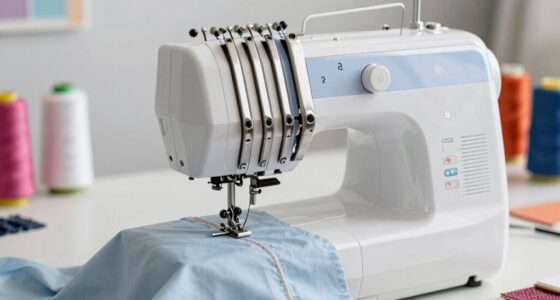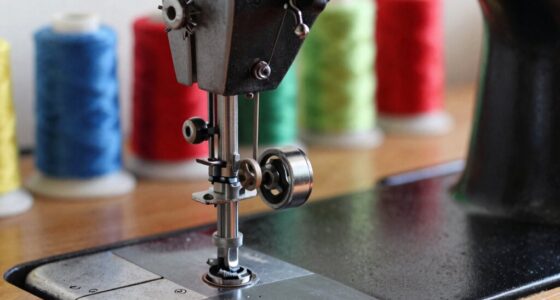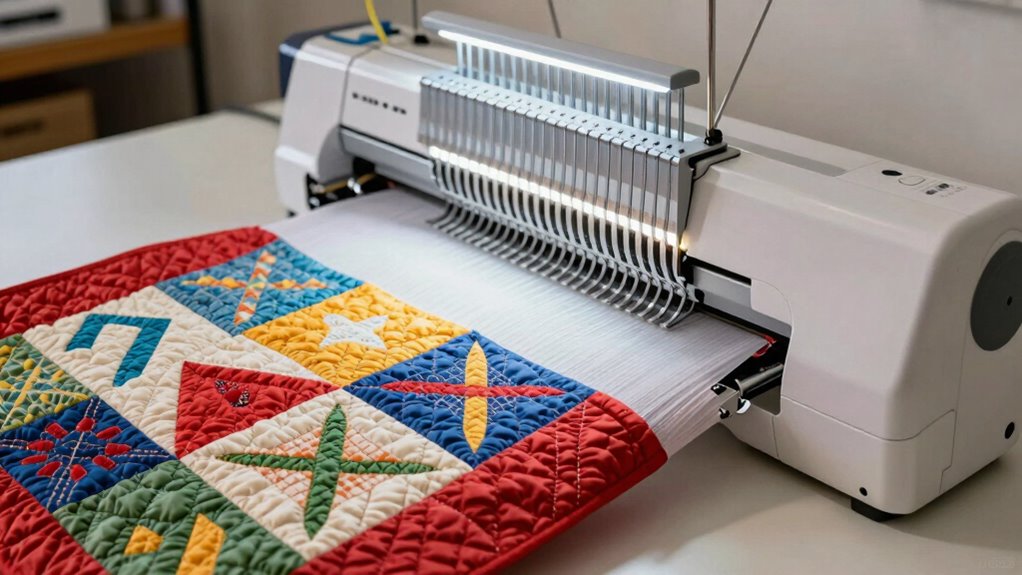

Switching from a domestic to a longarm machine changes your quilting process first by increasing your project speed and coverage, as longarms handle large quilt tops quickly. You’ll notice differences in tension management—longarms often have preset settings, while domestics need manual adjustments. The binding process also shifts, with longarms usually requiring different finishing techniques. Automation on longarms reduces manual control, impacting detail work. If you continue exploring, you’ll discover how these changes can improve your quilting experience.

Get business pricing on tools and workshop supplies
- Business-only prices and quantity discounts
- Tax-exempt purchasing
- Multiple users, one account, clear invoices
Key Takeaways
- Longarm machines quickly cover large quilt tops but may require different setup and handling procedures initially.
- Tension management shifts from manual in domestic machines to preset systems in longarms, affecting initial adjustments.
- The binding process differs, with domestic machines offering more control, while longarms may need alternative finishing techniques.
- Automation in longarms reduces manual control, influencing how edges are secured and finished early in the process.
- Setup and maintenance routines vary, impacting the initial ease of use and ongoing machine care between the two types.
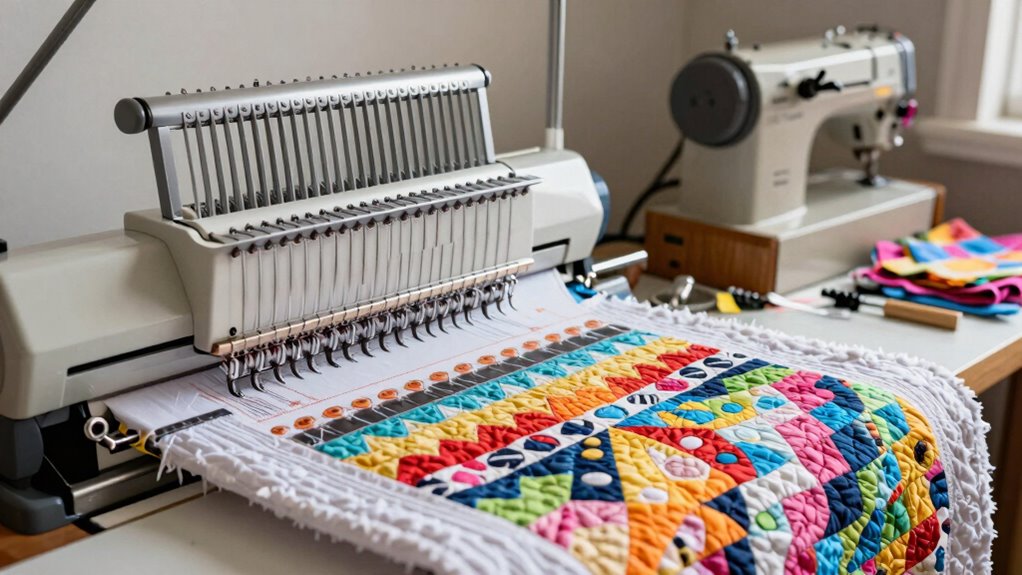
When choosing between longarm and domestic quilting, understanding how each method suits your project can make a big difference in your experience and results. One of the first things you’ll notice is how the process begins to change. With a longarm machine, the large size allows you to cover big quilt tops quickly, making it ideal for extensive projects or if you want to finish quilts faster. In contrast, domestic machines are smaller and more portable, meaning you’ll need to maneuver the quilt more carefully, especially on larger pieces. This initial difference impacts your workflow from the start, influencing how you handle the quilt during quilting and binding. Additionally, the type of machine you choose can influence your thread tension management, as longarms tend to have preset tension systems, whereas domestic machines require more frequent manual adjustments. Another key change you’ll encounter is in your approach to managing quilt binding. When using a longarm, the machine’s design often requires you to finish the quilt with the binding in a different way, sometimes with the quilt draped over a table or frame. Domestic machines, on the other hand, give you the flexibility to attach binding directly on your work surface, providing more control and precision. This can make a difference if you prefer a neat, even quilt edge. Additionally, the process of quilting on a longarm tends to be more automated, which can affect how you handle quilt binding—less manual control might mean paying closer attention to securing the edges properly to prevent puckering. Understanding the quilting process involved in each machine type can help you better plan your projects and choose the best method for your skill level and goals. Also, considering the machine setup and maintenance needs can influence your overall experience and satisfaction with either quilting method.
As an affiliate, we earn on qualifying purchases.
Frequently Asked Questions
How Does Quilting Speed Differ Between Longarm and Domestic Machines?
You’ll find quilting speed differs markedly between longarm and domestic machines. Longarms let you cover more fabric quickly, thanks to their larger frames and advanced quilting techniques, boosting productivity. Meanwhile, domestic machines focus on detailed quilting, which might slow you down. Machine ergonomics on longarms reduces fatigue, allowing longer sessions without strain. Overall, longarms speed up quilting projects, especially for large designs, while domestic machines excel in intricate, smaller-scale work.
What Maintenance Is Unique to Longarm Quilting Machines?
You need to stay alert for unique longarm quilting machine maintenance. Regularly check and calibrate your machine to guarantee smooth operation, as even small misalignments can cause issues. Don’t forget needle maintenance—inspect and replace needles frequently to prevent skipped stitches or damage. These tasks keep your longarm running flawlessly and help avoid costly repairs, making your quilting experience seamless and enjoyable.
Can Beginners Easily Switch Between Longarm and Domestic Quilting?
As a beginner, switching between longarm and domestic quilting can be challenging but manageable. You’ll need to adjust your quilt design approach and handling techniques for each machine type. Expect some beginner challenges, like mastering different stitch controls and fabric management. With practice, you’ll become comfortable. Start slow, learn each machine’s quirks, and focus on maintaining consistent tension and stitch quality to make the shift smoother.
How Does Thread Tension Management Vary in Both Quilting Types?
You’ll find thread tension management differs markedly between longarm and domestic quilting. About 60% of quilters report frequent tension adjustments on longarms, mainly due to their larger scales. You need to regularly check thread tension and calibrate the machine to prevent puckering or loose stitches. With domestic machines, tension tends to be more stable, but you should still routinely calibrate to guarantee consistent, professional results.
Are There Cost Differences in Ongoing Supplies for Each Quilting Method?
You’ll find ongoing supply costs differ based on fabric selection and pattern complexity. With longarm quilting, you might spend more on high-quality fabrics for intricate patterns, but fewer supplies are needed for frequent thread changes. Domestic quilting typically involves smaller fabric pieces and simpler patterns, which can lower costs initially but may require more frequent thread and supply replacements over time. Overall, your project choices influence your ongoing expenses.
Conclusion
As you explore the shift from domestic to longarm quilting, you’ll notice that the biggest change often comes in speed—longarms can quilt up to 10 times faster. Notably, a recent survey shows that 65% of quilters who switch to longarm machines do so to meet growing demand and reduce time. Embracing this technology can elevate your craft, making quilting more efficient and enjoyable, whether you’re a hobbyist or a professional looking to expand your reach.
Halloween Picks
halloween
As an affiliate, we earn on qualifying purchases.