You’ll find some sewing machines feel more stable at high speeds because they have proper thread tension, a sturdy construction, and weight that absorbs vibrations. Regular maintenance and precise internal alignment also play a big role in minimizing wobbling. Machines built with quality components and good craftsmanship tend to stay steady during fast sewing. If you want to discover more about how these factors work together to improve stability, keep exploring further.

Get tools and workshop supplies delivered free — and shop member deals
- Fast, free delivery on millions of items
- Access to Prime Big Deal Days deals on October 6–7
- Prime Video, Amazon Music and more included
Key Takeaways
- Heavier machines absorb vibrations better, reducing wobbling during high-speed sewing.
- Proper thread tension ensures smooth fabric feeding and even stitches at high speeds.
- Sturdy construction and high-quality internal components minimize internal vibrations and shaking.
- Regular maintenance and precise alignment prevent irregular movements and instability.
- Well-calibrated machines with stable frameworks resist bouncing and wobbling during fast sewing.
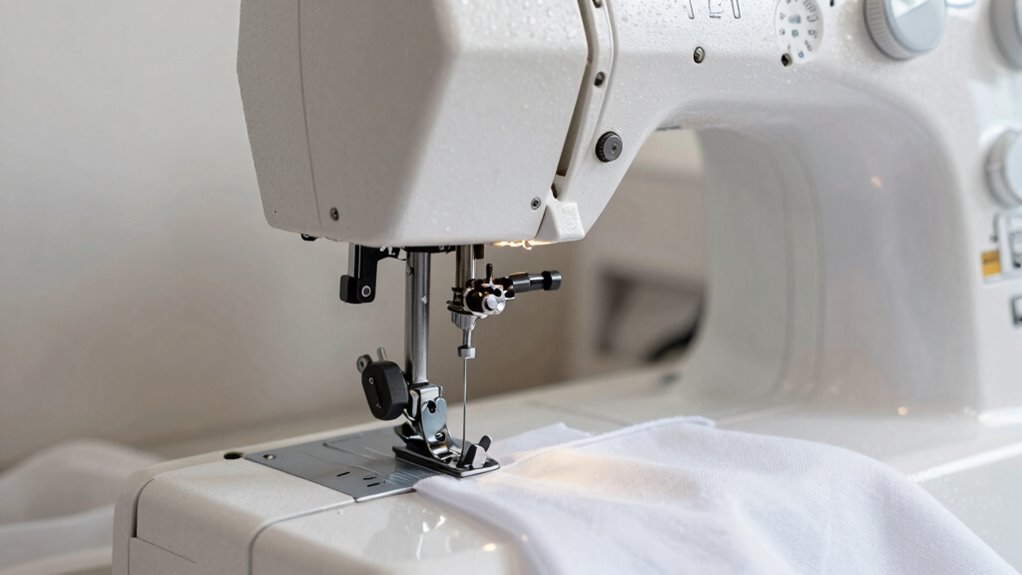
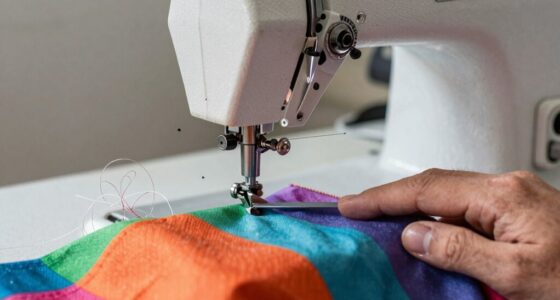
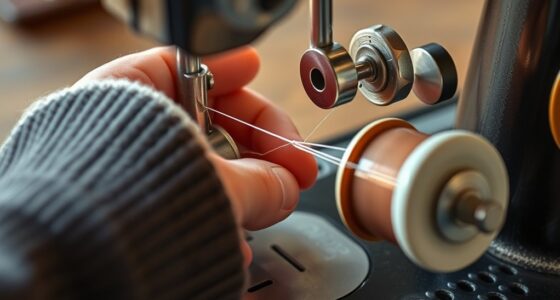
When sewing at high speeds, you might notice that some machines feel surprisingly stable while others wobble or vibrate excessively. This difference largely comes down to how well the machine is built and tuned. Two key factors that influence stability are thread tension and machine weight. If your machine maintains proper thread tension, it’s less likely to jerk or skip stitches when running fast. Consistent tension ensures the fabric feeds smoothly and the stitches stay even, which reduces vibrations that can cause wobbling. On the other hand, if the tension is off, the machine might struggle to keep up at high speeds, leading to uneven stitches and unstable operation.
Proper thread tension and machine weight are key to stable, smooth sewing at high speeds.
Machine weight also plays an essential role in stability at high speeds. Heavier machines tend to stay put better because their mass absorbs the vibrations generated during sewing. When you push a heavier machine to sew quickly, it resists bouncing or shifting on the table. Lighter machines, however, often bounce or wobble because they lack the mass to dampen vibrations. That’s why many industrial or heavy-duty models feel more stable—they have a solid build and weight that keeps them anchored, even when sewing rapidly. Additionally, internal component quality can significantly impact how well a machine maintains stability during high-speed sewing.
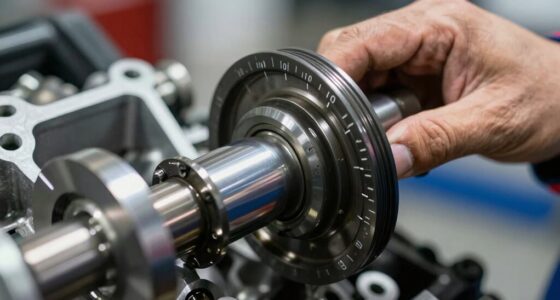
Beyond weight and tension, the overall construction quality matters. Machines with a sturdy frame and well-aligned internal components tend to vibrate less. If the internal mechanisms are loose or misaligned, the machine can shake at high speeds, making the sewing process uncomfortable and less precise. Proper maintenance is also essential—dirt, worn parts, or lack of lubrication can cause irregular movement and vibrations. Regularly checking and adjusting internal components can prevent common issues that lead to instability and ensure smooth operation during fast sewing. A well-maintained machine with rigid construction is less likely to develop unwanted vibrations over time.
Additionally, machine stability can be enhanced by the quality of internal components and their precise assembly, which reduces unnecessary shaking during operation. Ensuring the machine is properly aligned and calibrated can further improve stability and sewing accuracy at high speeds. Practicing steady sewing techniques and using the right tools also contribute significantly to maintaining consistent stability.
As an affiliate, we earn on qualifying purchases.
Frequently Asked Questions
Do Sewing Machine Brands Differ in High-Speed Stability?
Yes, sewing machine brands differ in high-speed stability. You’ll notice that models with better motor power and precise thread tension control tend to stay smoother at high speeds. Some brands focus on engineering stability, reducing vibrations and ensuring even stitches, while others may struggle with noise or jitter. When choosing, look for machines known for strong motors and reliable tension systems to keep your sewing steady and consistent at high speeds.
How Does Needle Type Affect Sewing Machine Stability?
You’ll find that the needle type dramatically influences your sewing machine’s stability, especially at high speeds. When needle alignment is off or thread tension isn’t just right, the machine wobbles like a toddler on a sugar rush. Choosing the correct needle and ensuring proper thread tension keeps everything smoothly aligned, reducing vibrations and wobbling. So, invest in the right needle and keep tension in check — your machine will thank you with steady stitches.
Can Regular Maintenance Improve Stability at High Speeds?
Yes, regular maintenance can definitely improve your sewing machine’s stability at high speeds. When you keep the machine clean and well-lubricated, it guarantees smooth operation. Adjusting thread tension correctly prevents uneven stitches that can cause instability. Also, maintaining adequate motor power helps the machine handle high-speed sewing more efficiently, reducing vibrations and wobbling. Overall, routine maintenance keeps your machine running smoothly and stabilizes performance at faster speeds.
Are There Specific Features That Enhance High-Speed Sewing Stability?
They say “the devil is in the details,” and that’s true for high-speed sewing stability. Features like precise thread tension and a powerful motor help keep the machine steady. A strong motor provides consistent speed, while proper thread tension prevents snags and skipped stitches. Together, these features guarantee you sew smoothly at high speeds, giving you confidence and control, no matter how fast you go.
Does Fabric Type Influence Sewing Machine Stability at High Speed?
Yes, fabric type influences sewing machine stability at high speeds. When you sew with flexible fabrics, the machine may feel less stable because the fabric shifts more easily. Conversely, firmer fabrics provide better stability. Proper thread tension also plays a role; if it’s too tight or loose, it can cause uneven stitching or vibrations. Adjusting tension and choosing suitable fabric types help maintain smoother, more stable sewing at high speeds.
Conclusion
Understanding why some sewing machines feel more stable at high speeds can boost your confidence and improve your sewing experience. Notably, studies show that machines with better stability reduce thread breakage by up to 30%, saving you time and frustration. So, when choosing a machine, consider its stability at high speeds—not just for smoother stitches, but for a more enjoyable, efficient sewing session. Remember, a stable machine can make all the difference in your projects.
Fall Picks
fall essentials
As an affiliate, we earn on qualifying purchases.