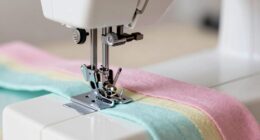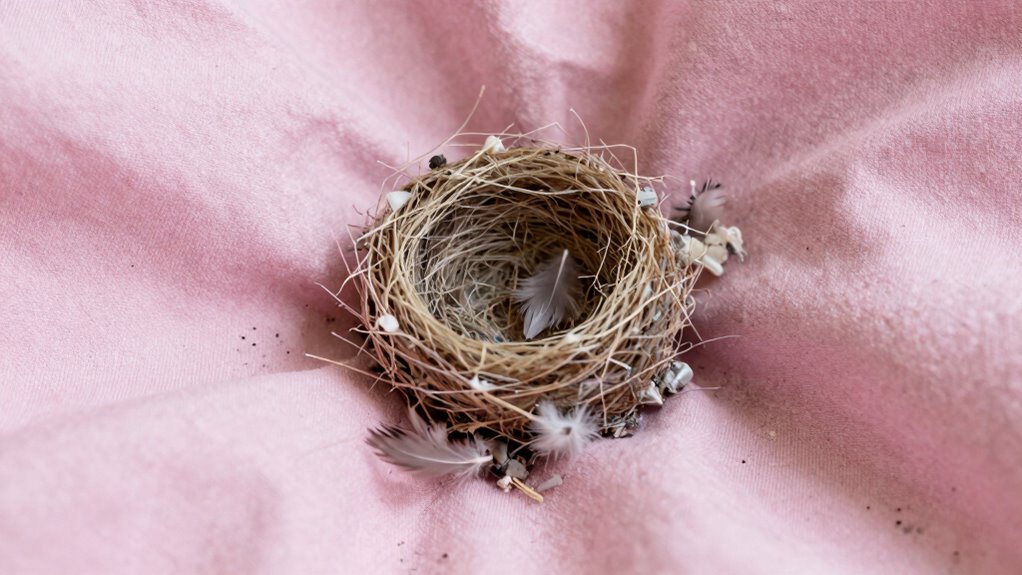

Fabric bird’s nests often form because of lint buildup, fiber tangles, and damage from washing or drying processes. Overstuffed machines, harsh chemicals, or improper handling weaken fibers and cause them to tangle and cling. Some fabrics, like cotton knits, are more prone to nest formation. To fix this, gently loosen the fibers and avoid harsh treatments. Keep in mind, understanding the causes and prevention tips can help you keep your fabrics smooth and nest-free—learn more to keep your clothes looking their best.
Key Takeaways
- Fabric bird’s nests often result from fiber tangles caused by overstuffed washers, fabric softener residues, or improper handling.
- Using excessive or harsh chemicals weakens fibers, increasing the likelihood of nesting and fabric entanglement.
- Delicate fabrics with loose or soft fibers are more prone to forming nests, especially during aggressive washing cycles.
- Regular lint buildup and dye bleeding can cause fibers to adhere and tangle, forming bird’s nests under fabrics.
- Gently loosening fibers with tweezers or fingers, and avoiding harsh pulling, helps remove nests without damaging fabrics.

Twinko Max Lint Brush, Lint Remover, Pet Hair Remover, Clothes Brush, Magic Lint Remover Brush, Sheet and Carpet Cleaning Brush, 2-Sided and Reusable, No Need Lint Roller Refill.
✅【Widely Use】lint remover keeps lint, fuzz, dust, dandruff away from your bedding, upholstery, furniture, carpet, curtain, car seat…
As an affiliate, we earn on qualifying purchases.
As an affiliate, we earn on qualifying purchases.
Why Do Clothes Get Bird’s Nests During Laundry?
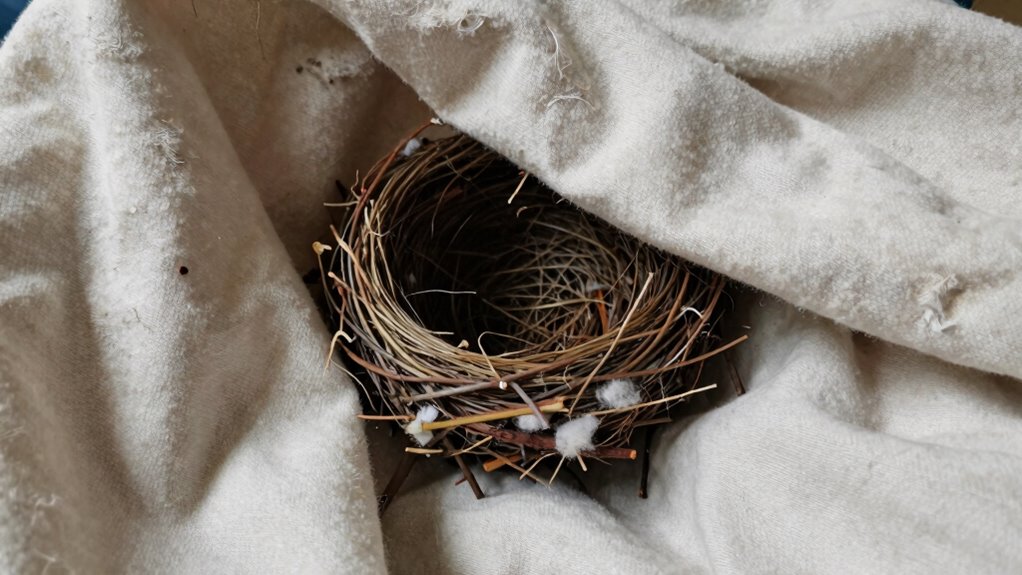
Clothes often get bird’s nests during laundry because small items like socks, underwear, or fabric softener sheets tend to cling together or get tangled inside the drum. Fabric softeners, while making clothes smell good and feel soft, can leave residues that cause fibers to stick together more easily. This buildup can create tangles, especially with lightweight fabrics. Additionally, color bleeding from certain garments can cause fibers to adhere unevenly, increasing the likelihood of nests forming. When delicate fabrics or dyed items mix with others, the resulting tangles look like tiny bird’s nests. To prevent this, use fabric softeners sparingly and separate heavily dyed clothes from whites. Proper sorting and minimal softener use help keep your laundry free of those pesky bird’s nests.

Stardrops – The Pink Stuff – The Miracle Laundry Oxi Stain Remover Spray 500ml
Powerful Stain Removal: Effectively tackle tough stains with The Pink Stuff Miracle Laundry Oxi Stain Remover Spray. Its…
As an affiliate, we earn on qualifying purchases.
As an affiliate, we earn on qualifying purchases.
How Lint and Fibers Cause Fabric Bird’s Nests
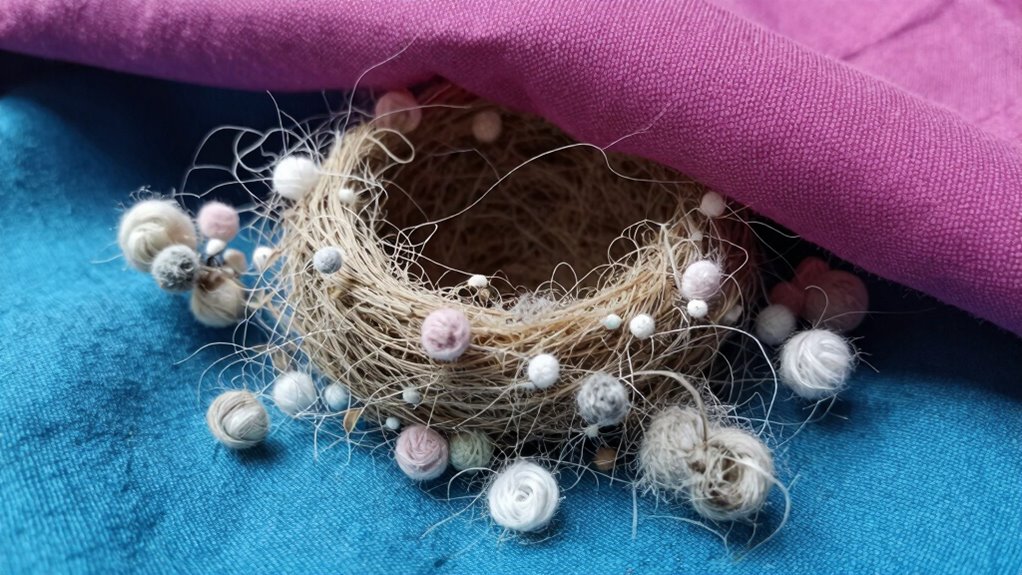
Lint and loose fibers play a central role in forming fabric bird’s nests because they tend to gather and cling together during washing and drying. When clothes rub against each other, fibers loosen and create lint. Fabric softeners can contribute by leaving residues that make fibers stickier, encouraging clumping. Additionally, dye bleeding during washes releases tiny dye particles that attach to fibers, increasing the chance of nesting. These fibers and lint can entangle, forming a ball beneath your fabric that resembles a bird’s nest. Over time, this buildup becomes more noticeable, especially if not cleaned regularly. To minimize this, use proper laundry techniques, avoid overloading the washer, and consider reducing the use of fabric softeners that leave residues. Removing lint frequently also helps prevent nest formation. Understanding how fiber properties influence lint formation can help you choose fabrics that shed less and reduce nest buildup, especially those with fiber strength that resist breakage.

24 Pieces Lint Traps Washing Machine Stainless Steel Lint Snare Traps Laundry Mesh Washer Hose Filter with 24 Pcs Cable Ties
Package includes: 24 pieces washing machine lint traps and 24 pcs cable ties, common size to fit most…
As an affiliate, we earn on qualifying purchases.
As an affiliate, we earn on qualifying purchases.
Are Some Fabrics More Prone to Bird’s Nests Than Others?
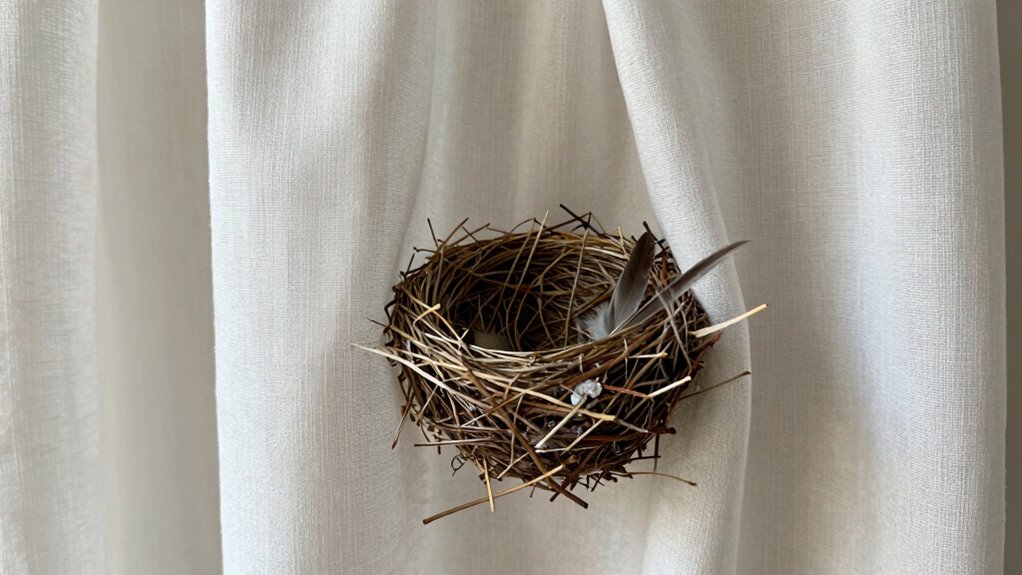
Certain fabrics are more susceptible to forming bird’s nests because their fibers loosen easily and trap lint more readily. Fabrics with a loose weave or softer fiber types tend to gather lint and fibers, increasing the chance of tangles. For example, delicate knits or loosely woven cotton fabrics are prone to nesting. To visualize this, consider the following:
| Fabric Type | Weave Style | Susceptibility |
|---|---|---|
| Cotton Knit | Loose-knit | High |
| Linen | Tight weave | Low |
| Polyester | Medium weave | Moderate |
Fabrics with tight weaves and sturdy fibers resist lint accumulation, reducing bird’s nests. Your choice of fabric weave and fiber type directly impacts how prone your clothes are to tangling.

Muchfun 3Pcs Durable Honeycomb Mesh Laundry Bags for Delicates 12 x 16 Inches (3 Medium)
This heavy duty Honeycomb mesh laundry bag is specially designed to wash delicate clothes without wear and tear…
As an affiliate, we earn on qualifying purchases.
As an affiliate, we earn on qualifying purchases.
How Washing and Drying Make Fabric Tangles Worse?

Washing and drying processes can considerably worsen fabric tangles because the mechanical action during these cycles causes fibers to loosen and entangle more easily. When clothes rub against each other, fibers break loose, creating tiny fuzz that tangle into knots. Using fabric softeners can help reduce static and fiber friction, but if overused, they may make fibers more slippery, increasing tangling risk. Additionally, dye bleeding during washes can weaken fabric fibers, making them more prone to tangling and forming those annoying “bird’s nests.” High-speed drying also intensifies fiber agitation, exacerbating tangles. To minimize this, avoid overloading your washer, opt for gentle cycles, and steer clear of excessive fabric softener use. These steps help keep fibers aligned and reduce the chance of fabric nests forming. Proper fabric care practices can also extend the lifespan of your clothes and keep them tangle-free longer. Being mindful of fabric type and its specific washing needs can further prevent tangles and preserve your clothing’s integrity. Understanding the fiber properties of different fabrics can guide you in choosing the best washing methods for each material. In addition, choosing the appropriate washing temperature can prevent fiber damage that contributes to tangling and fraying. Moreover, selecting the right washing settings tailored to your fabric’s characteristics can further prevent unnecessary tangling and damage.
Easy Ways to Prevent Fabric Bird’s Nests
To prevent fabric bird’s nests from forming, you should start by sorting your laundry carefully. Separate delicate fabrics from heavier items to reduce friction and tangling. Use fabric softeners sparingly, as they can coat fibers and help reduce static, making fabrics slide more easily past each other. Always check for dye bleeding, especially with new or colorful garments, because dye transfer can weaken fibers and increase the likelihood of tangles. Wash similar colors together and avoid overloading the washer, which prevents excessive agitation. Choosing gentle cycle settings and using the right amount of detergent also help protect fibers. Additionally, considering laundry detergents with gentle formulas can help preserve fabric integrity and prevent damage. Proper fabric care techniques, including the correct drying methods and avoiding over-drying, further protect fibers from damage and reduce the chance of bird’s nests. Regularly cleaning your washing machine’s filter and drum can also help prevent lint buildup that contributes to fabric tangling. Maintaining a clean washer environment is essential for preventing lint accumulation that can cause fibers to tangle more readily. Being mindful of fabric softener usage can further reduce static and fiber coating that lead to nesting. By paying attention to these details, you minimize the risk of creating fabric bird’s nests, keeping your clothes smooth and damage-free.
How to Fix Existing Bird’s Nests Without Damaging Fabric

If you notice existing fabric bird’s nests, it’s important to address them carefully to avoid causing further damage. Begin by gently loosening the tangled fibers with your fingers or a pair of tweezers, working slowly to prevent ripping the fabric. Avoid pulling harshly, as this can worsen the nest or damage the material. If dye bleeding is a concern, test a small, hidden area first to ensure cleaning methods won’t cause color transfer. To remove the nest, lightly dampen the area with cold water or a mild fabric-safe cleaner, then carefully lift the fibers. Be cautious if fabric softeners were used, as they can sometimes make fibers more prone to tangling. Patience and gentle handling are key to fixing existing nests without damaging your fabric. Additionally, understanding fabric performance can help you choose the best cleaning and repair techniques to maintain your fabric’s integrity. Knowing how different fibers react to moisture and cleaning agents can prevent fiber damage during repair. Moreover, selecting appropriate cleaning methods based on fabric type can also help preserve the original texture and appearance. Recognizing the impact of cleaning agents on various fabrics can further assist in safe repair practices. In some cases, consulting fabric care guidelines can provide additional insights into safe repair practices.
When to Call a Professional for Severe Fabric Tangles?
Severe fabric tangles can become too complex or delicate to handle on your own, especially after attempting to remove or repair smaller nests. If you notice persistent or deep tangles that resist gentle methods, it’s time to call a professional. Overuse of fabric softener or improper stain removal techniques can weaken fabric fibers, making tangles worse. Professionals have specialized tools and knowledge to gently disentangle fabrics without causing damage. Attempting aggressive pulling or using harsh chemicals could ruin your clothing or delicate textiles. If your fabric feels fragile or if you’ve already tried DIY fixes without success, don’t hesitate to seek expert help. Protect your garments and avoid further damage by trusting a professional when the tangles become overwhelming. Understanding the easy homemade flautas recipe can help prevent future mishaps by encouraging proper handling and repair of delicate fabrics.
Tips for Caring for Your Fabrics and Avoiding Future Bird’s Nests
To prevent future bird’s nests, make sure you regularly care for your fabrics through gentle cleaning and inspection. Proper storage, like keeping items in breathable containers and avoiding overcrowding, also helps reduce the risk. Additionally, choosing eco-friendly materials can minimize environmental attractants that encourage nesting. By following these simple tips, you can keep your fabrics neat and bird’s nest free.
Regular Fabric Maintenance
Regular fabric maintenance is essential for preventing bird’s nests and keeping your belongings in top condition. To do this, avoid overusing fabric softeners, which can weaken fibers and make them more prone to tangling. Always follow care labels, especially when washing delicate fabrics, to prevent dye bleeding that can cause uneven textures and fiber damage. Use cold water for washing colored clothes to minimize dye loss and preserve fabric integrity. Regularly check and clean your washing machine to prevent residue buildup that could contribute to fabric issues. Additionally, avoid overstuffing your washer, as tight loads increase friction and the chance of fibers tangling. Gentle handling of fabrics minimizes stress on fibers and helps prevent damage. Incorporating proper clothing storage practices also reduces the likelihood of fabric entanglements and bird’s nests. Using appropriate laundry detergents can further help maintain fabric softness and durability. Being mindful of fabric wear can extend the life of your clothing and reduce the chances of developing those pesky bird’s nests. Consistent, gentle handling of your fabrics helps maintain their structure and reduces the chance of creating those pesky bird’s nests. Moreover, understanding the benefits of curiosity can motivate you to explore new fabric care techniques and stay engaged in maintaining your wardrobe’s health.
Proper Storage Techniques
Proper storage is key to preventing fabric damage and avoiding bird’s nests in your belongings. Store your fabrics in a cool, dry place, away from direct sunlight. Use breathable storage containers or cotton bags to prevent moisture buildup. Avoid overstuffing drawers, which can cause wrinkles and stress on fibers. When folding, use gentle ironing techniques to smooth out creases without damaging the fabric. Skip fabric softeners in storage, as they can leave residues that attract pests or cause fiber weakening over time. Instead, use natural repellents like cedar or lavender sachets. Here’s a quick guide:
| Storage Tip | Reason |
|---|---|
| Use breathable containers | Prevents moisture and mold |
| Avoid overstuffing drawers | Reduces stress on fibers |
| Fold carefully, iron lightly | Maintains fabric integrity |
| Skip fabric softeners | Prevents residue buildup |
| Include natural repellents | Deters pests |
Additionally, ensuring proper ventilation around your stored fabrics can help prevent mustiness and pest attraction.
Frequently Asked Questions
Can Fabric Softeners Cause More Bird’s Nests?
Yes, fabric softeners can contribute to more bird’s nests in your clothing fibers. They leave a residue that coats fibers, making them stick together more easily. Over time, this buildup encourages tangling and knotting, leading to those pesky nests. To minimize this, try skipping fabric softeners or use natural alternatives. Regular washing and gentle drying also help keep your clothing fibers smooth and less prone to bird’s nest formation.
Do Specific Washing Machine Settings Reduce Bird’s Nests?
Yes, choosing the right washer cycle and spin speed can dramatically reduce bird’s nests. Opt for gentle cycles with lower spin speeds because high speeds can tangle fabric into a bird’s nest mess. By adjusting these settings, you’ll prevent fabric from twisting and tangling, saving you endless frustration. It’s like giving your laundry a calming spa treatment—less agitation means fewer nests, and happier, smoother fabrics every time.
Are Hand Wash Fabrics Less Prone to Bird’s Nests?
Yes, hand-wash fabrics are less prone to bird’s nests because they often use delicate fibers and gentler cleaning methods, reducing fiber entanglement. Proper storage methods also help prevent nesting by keeping fibers smooth and protected. Fabrics like silk or fine wool benefit most, as their fiber types are more delicate. Be sure to store your items flat or rolled to further minimize the risk of fiber bunching or tangling.
How Does Water Temperature Affect Fabric Tangling?
You’ll find that hot water causes fabric fibers to swell, making tangling worse, while cold water keeps fibers more stable and less prone to knots. Think of hot water as that overly enthusiastic friend who hugs too tightly—sure, it’s warm, but it can cause chaos. So, for less fabric tangling, stick with cold water; it’s gentler on your fibers and keeps your clothes from turning into a bird’s nest.
Can Fabric Conditioners Help Prevent Bird’s Nests?
Fabric conditioners, like fabric softeners, can help prevent bird’s nests by reducing static and friction, making fabrics less likely to tangle. However, beware of fabric softener myths that claim they’re a cure-all; they’re not. Use nesting prevention tips like washing fabrics properly and avoiding over-drying. These steps work best together to keep your laundry smooth and free from those pesky nests.
Conclusion
Think of fabric bird’s nests as pesky knots in a tangled ball of yarn. With a little care and the right techniques, you can untangle these fabric tangles and keep your clothes smooth and happy. Regular maintenance acts like a gentle hand guiding your textiles back into harmony. By staying attentive, you prevent future nests from forming, ensuring your wardrobe stays as neat as a well-tended garden—blooming with beautifully cared-for clothes.