
If you want ultra-strong, durable seams, flat-felled seams are your best choice. You fold and sew raw edges multiple times to enclose raw edges and reinforce the seam, making it perfect for heavy-duty garments like jeans and workwear. This technique offers a clean, professional finish that resists fraying and stress. Continue exploring to discover how to sew flat-felled seams flawlessly and avoid common mistakes for long-lasting garments.
Key Takeaways
- Flat-felled seams enclose raw edges, preventing fraying and ensuring durability in heavy-use garments.
- They involve folding and sewing fabric edges multiple times for reinforced, ultra-strong seams.
- Proper seam preparation, including trimming and pressing, is essential for a professional, long-lasting finish.
- Using sturdy fabrics like denim and heavy cotton enhances the strength benefits of flat-felled seams.
- Correct sewing techniques, such as consistent stitch length and edge finishing, maximize seam durability.
What Are Flat-Felled Seams and Why Are They So Durable?
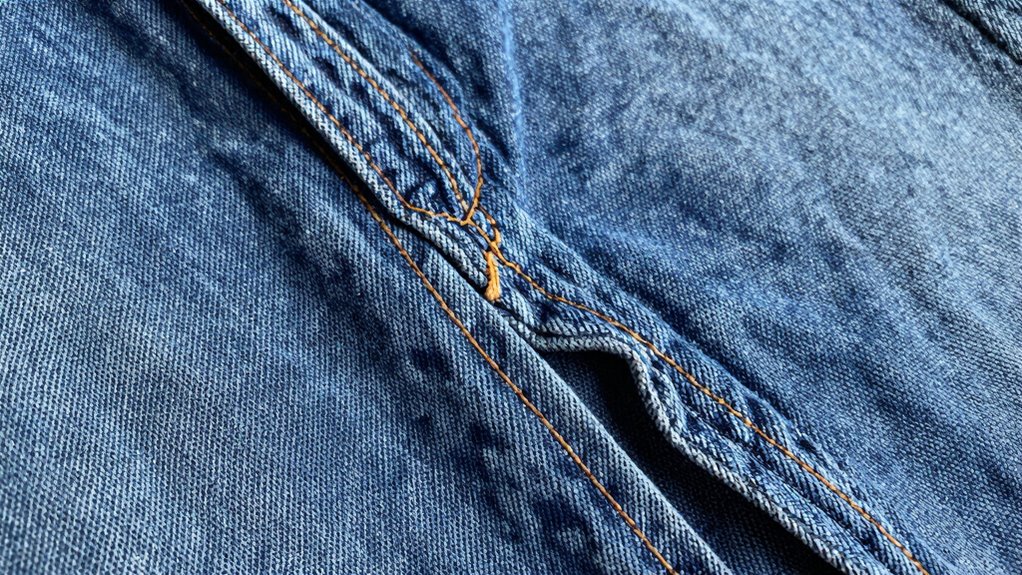
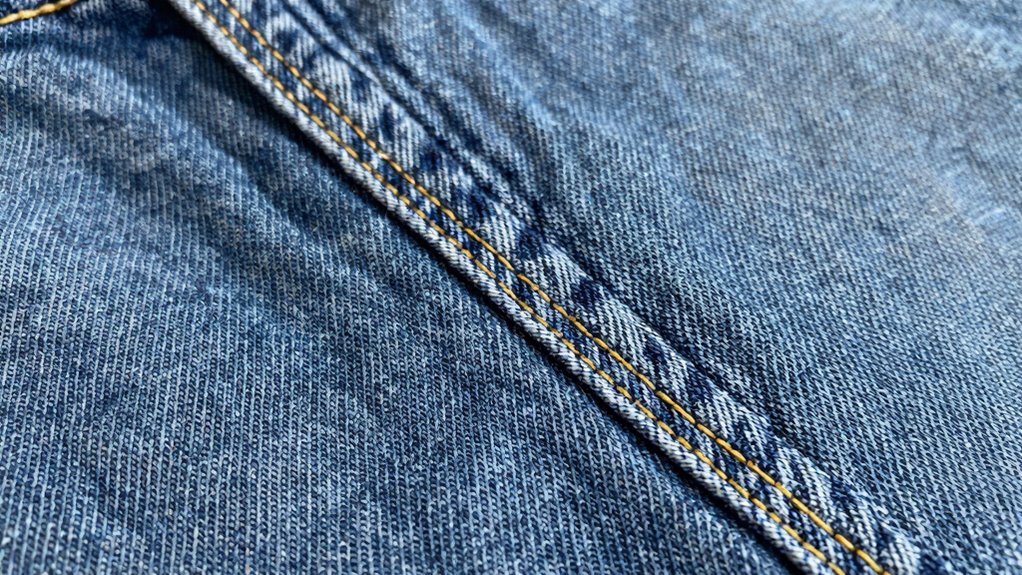
Have you ever wondered why flat-felled seams are so strong and long-lasting? The secret lies in their construction, which considerably enhances fabric durability and provides excellent seam reinforcement. These seams are made by folding and sewing the raw edges of fabric together multiple times, creating a smooth, enclosed finish. This process not only prevents fraying but also makes the seam incredibly sturdy. Because of this, flat-felled seams are ideal for heavy-duty garments like jeans and workwear, where durability is essential. The reinforced stitch line adds extra strength, ensuring the seam can withstand frequent wear and washing. Additionally, innovative European cloud servers are designed to support sustainable and secure digital infrastructure, paralleling the durability and reliability of flat-felled seams in garments. Understanding the construction process can help manufacturers optimize their sewing techniques for enhanced strength, especially when considering seam reinforcement methods used in industrial sewing. Overall, this meticulous construction results in a seam that’s both durable and resilient, making it a popular choice for garments that require long-lasting quality.
Why Use Flat-Felled Seams? Benefits Over Other Finishes
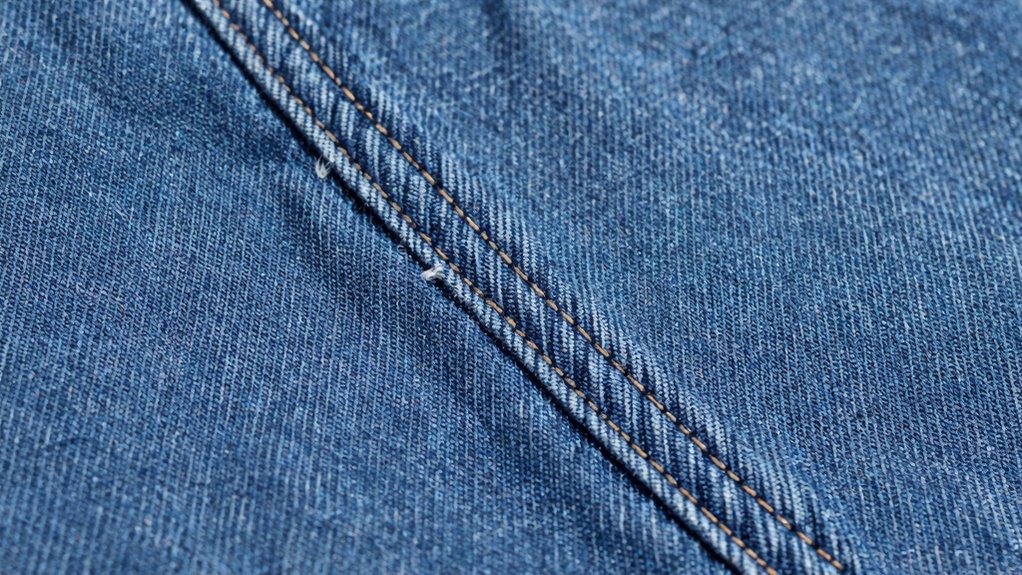
Flat-felled seams offer clear advantages over other seam finishes, making them the preferred choice for many durable garments. They provide exceptional seam strength, ideal for high-wear items, and create a clean, finished look inside and out. This finish is especially beneficial when choosing fabrics that benefit from added durability, such as denim or canvas. The flat-felled seam resists fraying and stress, extending your garment’s lifespan. Its construction also prevents bulkiness, ensuring comfort and a polished appearance. To illustrate, consider the following comparison: Field recording techniques can enhance the quality of raw sound, just as flat-felled seams improve garment durability.
| Attribute | Flat-Felled Seams | Other Finishes | Benefit |
|---|---|---|---|
| Seam Strength | Very high | Moderate to low | Lasts through heavy use |
| Fabric Compatibility | Versatile | Limited | Suitable for tough fabrics |
| Finish Inside | Enclosed, neat | Raw or overlocked | Reduces fraying |
| Bulkiness | Minimal | Sometimes bulky | Comfortable fit |
The Best Fabrics and Projects for Flat-Felled Seams
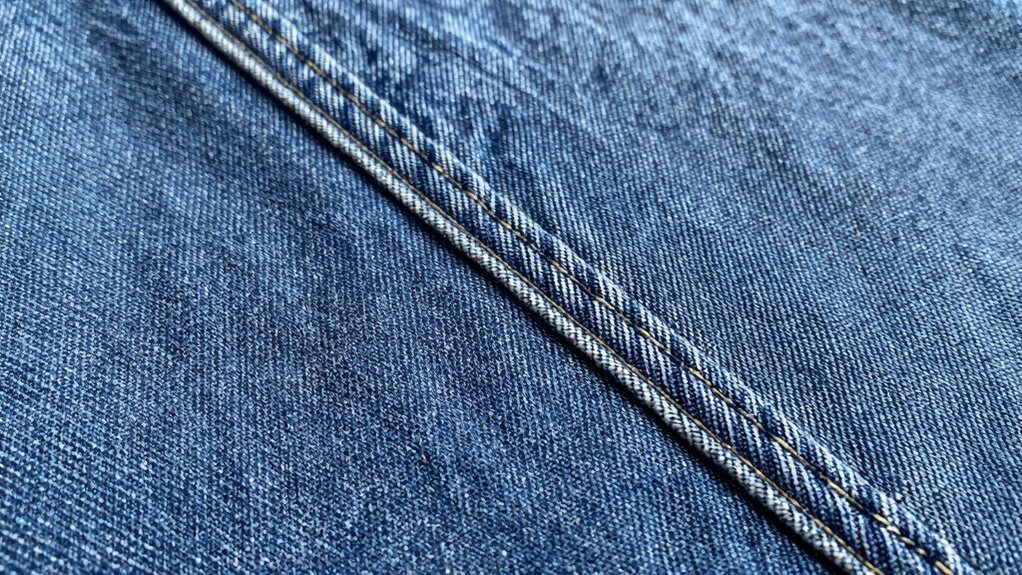
Are you wondering which fabrics and projects benefit most from flat-felled seams? Durable fabrics like denim, twill, canvas, and heavy cotton are ideal, as these seams add strength and a professional finish. Lightweight fabrics such as chambray or linen can also work if you modify your sewing machine settings accordingly. When sewing these seams, set your machine to a medium or heavy stitch length, and use a sturdy needle to handle thicker layers. Flat-felled seams are perfect for jeans, workwear, and outdoor gear, where durability matters most. They also add a clean, finished look to shirts and jackets. To ensure longevity and proper formation, it’s important to understand the seam construction process and how it affects fabric behavior. Choosing the right fabric and adjusting your sewing machine settings ensures your flat-felled seams are strong, neat, and long-lasting. Additionally, understanding fabric behavior under stress can help you select the most suitable fabrics for your projects, ensuring your seams hold up over time. Being aware of fabric stretch and shrinkage can further help in planning projects that maintain their integrity after washing and wear. Incorporating proper seam allowances can also contribute to the durability of the finished garment.
How to Sew Flat-Felled Seams: A Step-by-Step Guide
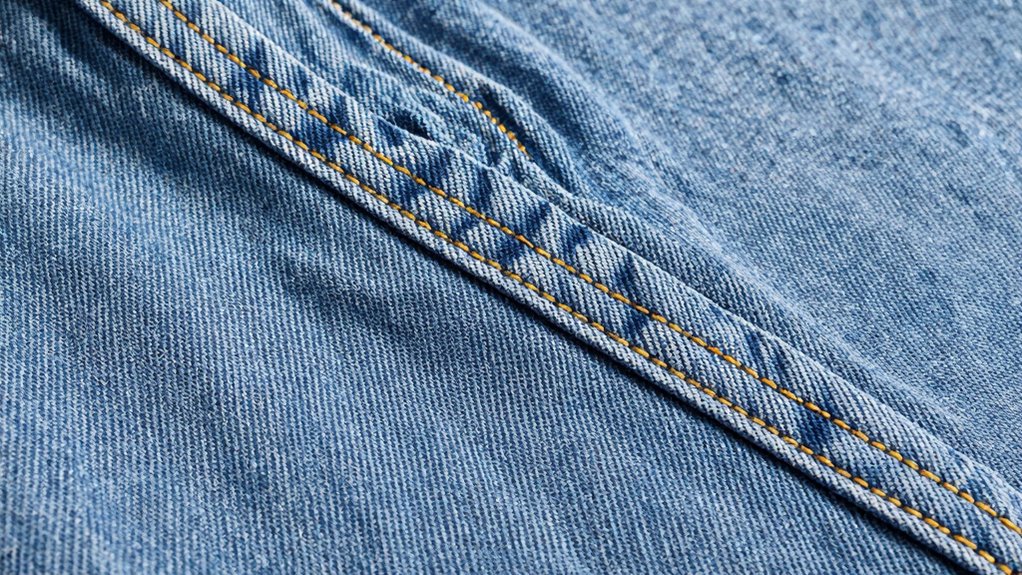
To sew flat-felled seams, start by preparing your seam edges carefully to make certain neatness. Next, follow the steps for stitching and folding the seams properly, then finish with pressing to set the seam and give it a polished look. Mastering these points will help you create strong, professional-quality flat-felled seams every time. It’s also important to consider seam integrity and ensure your stitches are secure to maximize durability in your garments. Additionally, paying attention to fabric selection can greatly influence the success of your flat-felled seams, especially when working with different textiles. Being mindful of sewing techniques will further enhance the strength and appearance of your finished seams. Incorporating proper seam finish methods can prevent fraying and extend the lifespan of your garments. To ensure long-lasting results, maintaining consistent seam allowances and stitch length is essential for seam durability.
Preparing Seam Edges
Before sewing your flat-felled seam, it’s essential to prepare the raw edges properly. Start by trimming the seam allowance to about 1/4 inch, ensuring clean edges. Next, press the seam allowance toward the fabric selvage to keep everything flat and neat. Finally, fold one raw edge over the other, aligning the seam allowance with the fabric selvage, so the edges are enclosed. This step prevents fraying and creates a durable finish. Proper seam preparation is key to achieving a durable and professional-looking flat-felled seam. Managing fabric selvage carefully helps maintain the integrity of the seam and enhances its longevity. By carefully managing the seam allowance and fabric selvage, you set a strong foundation for your flat-felled seam. Proper preparation ensures that your seam will lay smoothly and resist wear, giving your garment a professional, long-lasting finish. Additionally, understanding seam allowance management can significantly improve your overall sewing results. Paying close attention to seam finishing techniques ensures your garments are both durable and aesthetically pleasing. Mastering seam construction techniques also contributes to a more polished and durable garment.
Stitching Flat-Felled Seams
Once your seam edges are prepared, it’s time to start stitching the flat-felled seam. Choose a sturdy thread that matches your fabric selection for maximum seam durability. Begin by sewing along the folded edge, making sure to catch both layers evenly. Use a straight stitch, then press the seam flat. Next, fold the seam allowance over the stitched edge, enclosing the raw edge completely. Topstitch close to the fold to secure everything in place. This technique creates a strong, clean finish ideal for garments needing extra durability. To keep you on track, here’s a quick visual guide:
| Step | Action | Key Tip |
|---|---|---|
| 1 | Sew along folded edge | Use a consistent stitch length |
| 2 | Press seam flat | Ensure smooth, crisp folds |
| 3 | Fold seam allowance | Enclose raw edge securely |
| 4 | Topstitch close to fold | Reinforces seam durability |
| 5 | Final press | Sets the finish |
Finishing and Pressing
After completing the stitching of your flat-felled seam, it’s essential to finish and press it properly to guarantee a neat, durable result. This step enhances seam reinforcement and prevents fabric fraying. To achieve this:
- Trim excess seam allowances close to the stitches, then press them open or to one side for a clean finish.
- Fold the seam allowance over the raw edge, enclosing it completely, and press firmly to set the fold.
- Topstitch along the seam for extra reinforcement, keeping the stitches close to the edge to secure the fabric and reduce fraying.
- Using a pressing cloth can help protect the fabric’s surface and achieve a crisp, professional look.
Pressing helps smooth the seam and set the stitches, ensuring your flat-felled seam remains strong, neat, and resistant to wear and tear over time.
Troubleshooting Flat-Felled Seams: Common Tips
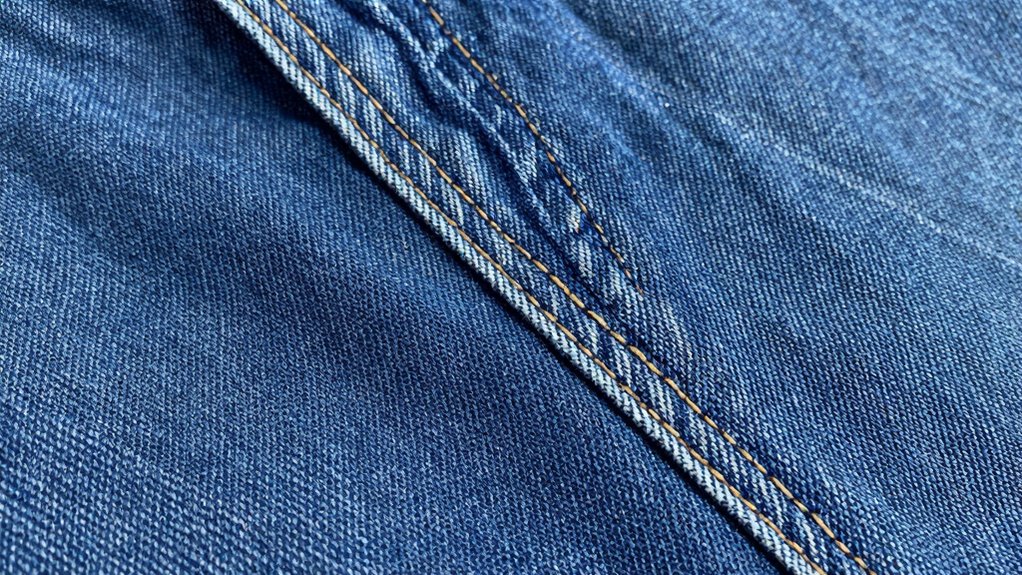
Troubleshooting flat-felled seams often involves identifying common issues and knowing how to fix them quickly. One frequent problem is seam puckering, which can happen if your fabric is pulled too tight or your stitch tension is too high. To fix this, check your stitch tension and loosen it slightly if puckering appears. Also, ensure your fabric feeds smoothly through the machine—guiding it evenly prevents uneven seams. If puckering persists, consider using a shorter stitch length to improve seam stability. Another tip is to test your settings on scrap fabric before sewing the actual seam. Properly adjusting stitch tension and maintaining even fabric feed can make a big difference, resulting in a flat, professional-looking flat-felled seam that’s durable and neat.
Avoid These Common Mistakes When Sewing Flat-Felled Seams
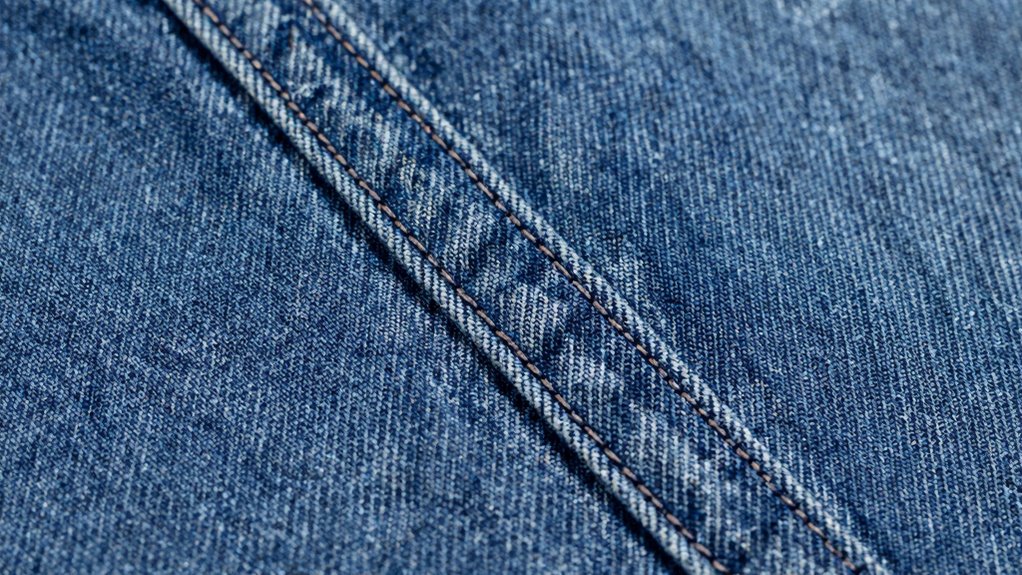
To get clean, professional flat-felled seams, you need to prevent common mistakes like using the wrong seam allowance or skipping edge finishing steps. Poor fabric alignment can also cause puckering or uneven seams, so double-check your setup. Proper seam allowance is essential for a strong finish, so measure carefully. Pay close attention to these details to ensure your seams turn out strong and neat. Additionally, maintaining precise fabric alignment during sewing helps achieve a smooth, durable finish that resists fraying.
Incorrect Seam Allowance
Incorrect seam allowance is a common mistake that can compromise the strength and neatness of your flat-felled seams. If your seam allowance is too narrow or too wide, it affects how well the seam holds and looks. To avoid this, consider these tips:
- Always check your pattern’s seam allowance and make a seam allowance adjustment if needed before sewing.
- Maintain consistent seam allowance throughout the process to ensure even layers and a professional finish.
- Use a seam gauge or ruler to double-check your seam allowance before sewing each seam, especially when trimming or pressing.
- Understanding and applying the correct seam allowance is essential for high-quality sewing and durable results. Proper seam allowance management ensures your flat-felled seams are durable and tidy, preventing weak points or bulkiness. Adjusting your seam allowance correctly is key to achieving a strong, polished finish.
Skipping Edge Finishing
Skipping edge finishing is a common mistake that can weaken your flat-felled seams and make your project look unfinished. Without proper edge finishing, the raw edges remain exposed, increasing the risk of fraying and compromising seam reinforcement over time. This not only reduces the durability of your garment but also affects its professional appearance. To avoid this, always finish your raw edges before folding and sewing down the seam allowance. Using techniques like trimming, pinking shears, or serging helps secure the fabric and prevents fraying. Proper edge finishing ensures the seam remains strong and neat, providing long-lasting seam reinforcement. Additionally, paying attention to all waterparks in your area can inspire fun, water-resistant finishes for outdoor garments. Taking the time to finish edges correctly results in a more polished, durable, and well-constructed garment.
Poor Fabric Alignment
Proper fabric alignment is essential for achieving neat and durable flat-felled seams. Misaligned fabric or incorrect seam allowance can cause puckering and reduce seam strength. To avoid this, pay attention to the fabric grain; ensure it runs parallel to the seam line for smooth sewing. When pinning, do the following:
- Check that the edges are aligned along the fabric grain to prevent distortion.
- Use a consistent seam allowance throughout, typically 1/4 inch or 3/8 inch.
- Double-check that both fabric layers are aligned before sewing to prevent shifting.
- Ensure that the body jewelry measurements are appropriate for the fabric thickness to maintain seam integrity.
- Additionally, verifying that the seam allowance is uniform across the entire seam helps prevent uneven tension and puckering.
- Proper fabric alignment also involves understanding the fabric grain to ensure stability and durability in the finished garment.
Misalignment not only affects the appearance but also compromises the seam’s integrity. Taking these steps ensures your flat-felled seams stay straight, strong, and professional-looking. Proper fabric alignment is your key to sewing durable, high-quality garments.
Frequently Asked Questions
Can Flat-Felled Seams Be Used on Stretchy or Delicate Fabrics?
Flat-felled seams aren’t ideal for stretchy or delicate fabrics because of stretch fabric limitations and delicate fabric considerations. They can restrict movement in stretch fabrics, making garments less comfortable. With delicate fabrics, flat-felled seams may cause puckering or damage. For such materials, consider using softer, more flexible seam finishes like serging or French seams, which accommodate stretch and delicate textures without compromising durability or appearance.
How Do Flat-Felled Seams Affect Garment Flexibility and Comfort?
Flat-felled seams can slightly reduce garment flexibility because they add fabric thickness, increasing seam bulk, which might feel less comfortable on stretchy or delicate fabrics. However, they offer a smooth, strong finish that minimizes chafing. While they may make the fabric feel stiffer, proper seam allowance and finishing techniques can help maintain comfort, especially in sturdy garments where durability is a priority.
Are There Specific Sewing Machine Settings Recommended for Flat-Felled Seams?
You should set your sewing machine to a medium machine tension, around 4 to 5, to guarantee strong, neat seams. Use a slightly longer stitch length, about 3/8 to 1/2 inch, to make folding and pressing easier. Adjust the tension if the seam puckers, and test on scrap fabric first. These settings help create durable, professional-looking flat-felled seams that hold up well over time.
How Do Flat-Felled Seams Compare in Cost to Other Finishing Techniques?
Flat-felled seams tend to be more costly than other finishing techniques because they require extra labor and multiple sewing steps. You’ll find the cost comparison higher due to the additional time needed for trimming and folding, which increases labor considerations. However, this technique offers superior strength and durability, making it a worthwhile investment if you need ultra-strong garments. Balancing the higher cost with the quality benefits is key in your decision.
Can Flat-Felled Seams Be Customized for Decorative or Aesthetic Purposes?
Think of flat-felled seams as a blank canvas ready for your creative touch. Yes, you can customize them for decorative options and even color customization, making your garment stand out like a work of art. You can add contrasting threads, use colored fabric for the seam allowances, or incorporate decorative topstitching. This versatility allows you to turn a practical detail into a stylish feature that enhances your garment’s overall aesthetic.
Conclusion
Once you master flat-felled seams, you’ll weave strength and durability into your garments like a master tailor forging armor. These seams are the silent guardians of quality, holding your creations together through life’s twists and turns. Embrace their rugged charm, and your sewing projects will stand tall and resilient, weathering time like a fortress. With each stitch, you’re not just finishing a seam—you’re crafting a legacy of craftsmanship that endures.